
Top 12 fashion jewelry companies in Italy (2025)
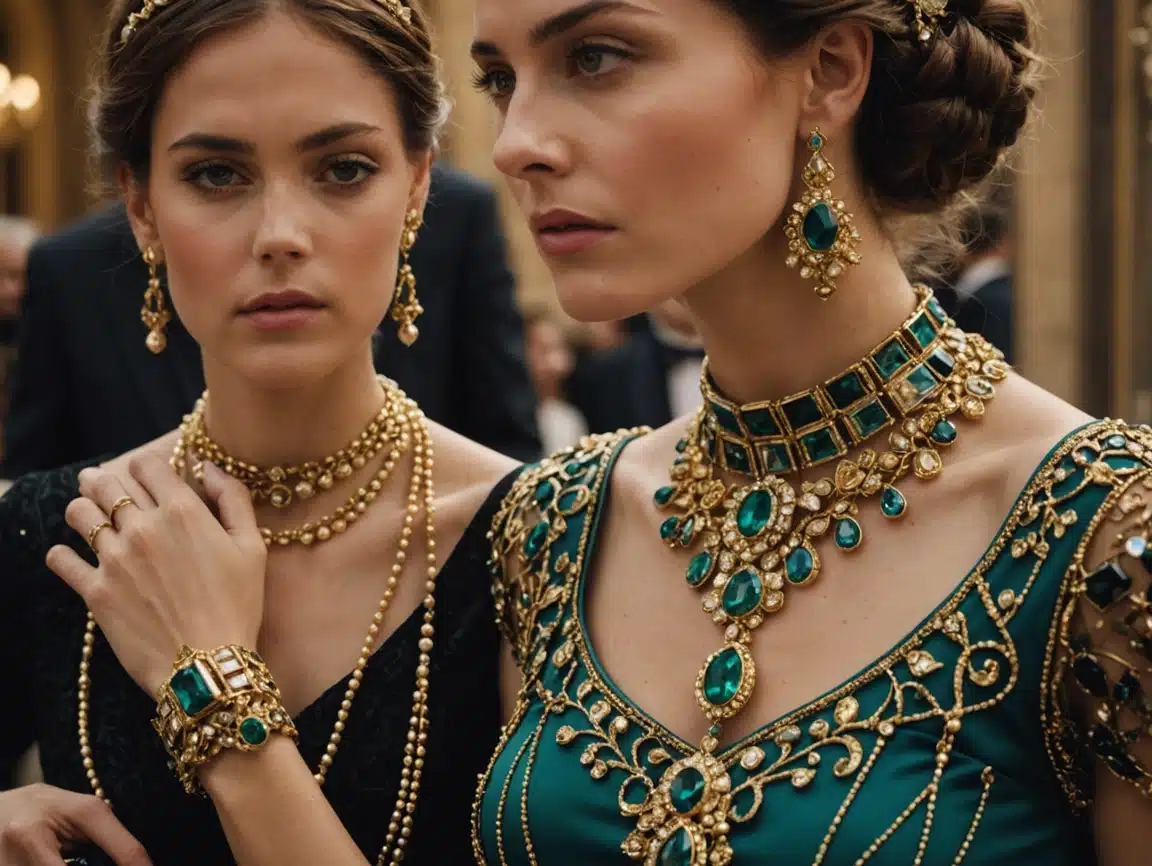
Key Takeaways
- Italy’s top 12 fashion jewelry companies. Names such as Buccellati, Damiani, Pomellato, Bulgari and Fope anchor craftsmanship in Milan, Valenza, Vicenza and beyond.
- Distinct regional traditions influence each house’s signature. Look for Florentine engraving and Vicenza chain artistry, Valenza goldsmithing and Neapolitan coral to influence style and quality.
- Ethical sourcing and material innovation matter more every season. Seek out traceable gold, ethical diamonds, and modern alloys or finishes that add durability and comfort.
- Pick items based on finish, maker, and vibe. Check for micro-engraving and hallmarks. Feel the smoothness of links. Then weigh it in your hand to estimate its solidity and equilibrium.
- Match brand DNA to your style and use case. Go bold with Pomellato color, sculptural Vhernier forms, or timeless Bulgari lines for every day and every occasion.
- Put it into your investment with attention and maintenance. Inquire about after sales services in Italy, sizing or polishing, and safe storage to maintain luster and resale value.
Italy’s top 12 fashion jewelry companies are all brands synonymous with sharp design, fine craft and formidable export reach. Names range from Milan and Florence hubs to Vicenza’s workshops, blending gold-plated brass, sterling silver and enamel with audacious, contemporary lines.
Many of them do small-batch runs, maintain short lead times and utilize local supply chains. Consider distinct hallmarks, nickel-safe coatings and season-led collections.
To assist your buying plan or trend scan, the following sections record each company with focus, price range and notes.
Italy’s Top 12 Fashion Jewelry Brands
Italy’s jewelry scene mixes artisan hotspots such as Valenza and Milan with family-run maisons and audacious design studios. The brands below demonstrate how Italian craftsmen establish benchmarks, provide top labels, and define worldwide fashion in both timeless and whimsical styles.
1. Buccellati
Founded in 1919 in Milan, Buccellati is renowned for hand-engraved textures simulating lace and silk. Gold is honeycombed, brushed and rigato-etched, then combined with pearls or soft-color gems.
The look is airy, textural and very Italiano.
2. Damiani
From Valenza, Damiani expanded as a family atelier and remained dedicated to diamonds and pure forms. Some of these pieces incorporate micro-pavé and bezel work that wears beautifully day to night.
The brand makes for other houses, a standard in Valenza’s ecosystem.
3. Pomellato
Founded in Milan, Pomellato helped pioneer the concept of fine jewelry that’s ready to wear. The Nudo ring incorporates bold cuts and candy colors, frequently in rose gold.
The shapes are contemporary, smooth and easy to wear, which lends itself to everyday use.
4. Bulgari
Established in 1884, Bulgari blends Roman shapes with colored gems. Anticipate strong chains, cabochons, and the Serpenti motif.
The brand’s global pull sits on Italian roots: large volumes, fine setting, and confident color play.
5. Marco Bicego
Located near Vicenza, Marco Bicego prefers hand-twisted coils and engraved gold beads. It has a casual-luxe feel.
Pieces layer nicely, so customers construct sets over time.
6. Roberto Coin
With origins in Vicenza and a strong connection to Milan’s market, Roberto Coin became known for the secret ruby that is positioned inside every piece.
With designs spanning from textured links to diamond embellishments, the looks are versatile enough for both dressy and informal occasions.
7. Pasquale Bruni
Established in 1945, Pasquale Bruni leans romantic. Floral forms and warm gold hues characterize the collection.
The brand’s global reach grew with daring scale and gentle curves that caress the face.
8. Vhernier
Milan’s Vhernier pares forms down to sleek shapes. The brand employs ‘transparent over opaque’ stones, giving rise to deep color effects.
Clean lines, high shine, no hassle.
9. Repossi
Repossi’s Italian roots come through in architectural, minimalist bands and bangles. Clean bars and negative space fit stacked styles.
10. Sabbadini
Milan atelier is famous for bees and geometric studs in diamonds and hard stones. Pieces lean playful yet exacting and are perfect for subtle statements.
11. Crivelli
From Valenza, Crivelli is rich in pavé, colored gems, and classic suites. It produces for other labels, a local prowess that keeps the quality bar high.
12. Fope
Vicenza is the maker of the flexible gold mesh that is easy to size and layer. The patented links provide comfort without bulky clasps, a clever Italian solution.
The Art of Italian Goldsmithing
Inspired by Roman metalwork, Italian goldsmithing maintains a consistent emphasis on detail, color, and fine hand skills. Renaissance and baroque concepts molded form and surface, while today’s fashion houses drive lightweight, bold lines, and smart alloys. Across regions, makers prefer colored gems, enamel, and animal motifs, and they cut stones and metal with techniques that honor tactile expertise and delicacy.
Valenza’s Legacy
Valenza in Piedmont is one of the core hubs for Italian jewelry, a world of bench-led craft and tight quality control. Small workshops design, model making, casting, and hand-setting under one roof enable brands to scale lines without losing detail. A number of Italy’s leading houses have prototyping and micro-setting teams here to carry out pavé, claw, and bezel-setting on feather-weight frames.
Training in Valenza slants toward stone cutting, color matching and slick solder joins. Enameling studios inject translucent coatings on top of the engraved beds for added dimension and color, a tip of the hat to the historic Renaissance work.
Animal forms, such as swallows, bees and serpents, are recurring motifs, occasionally appearing as low relief profiles on clasps or locks. Buyers witness it in mid-tier fashion lines and haute joaillerie capsules alike, frequently with interchangeable pieces to maintain weight and keep costs down.
Florentine Engraving
Florence is notable for “bulino” and “scorperta” hand engraving, where artisans cut micro-lines that form shadow and texture. The technique lends itself to gold signet rings, bangles, and lockets and complements opaque and semi-translucent enamels.
Most workshops hand-cut stones to fit irregular bezels, which imparts a tight seat and thin walls. You find Renaissance inspiration in scrolls and acanthus borders, but shapes remain streamlined for everyday wear.
Brands apply this look to costume jewelry to boost perceived value without the heavy metal weight. The end is airy, clean-cut planes that nonetheless register luxurious on the wrist.
Vicenza’s Chains
Vicenza is the power plant for chain invention. Factories here run CNC and laser for hollow rope, paperclip, foxtail, and rollò links, then finish by hand to soften edges. This combination ensures pieces stand boldly yet weigh lightly for daily wear.
Several companies add colored stones in bezel stations or enamel bars to interrupt metal runs. Gold alloys are tuned for color, warm yellow, soft white, and rich rose, so sets layer well.
Animal cues come in the form of miniature charms, fish, bees, or panthers, clipped to clasps. Roman echoes rest in chunky curb links, while Baroque flavor manifests in elaborate end caps and toggles.
Neapolitan Coral
Naples exports coral and cameos, sculpted in Torre del Greco out of Mediterranean red coral and shell. Craftsmen form petals, fruits, and little birds, frequently teamed with seed pearls or turquoise for contrast. Hand cutting is the norm, with every bead or plaque varying a bit.
Designs combine silver or low-carat gold with coral to keep prices in euro-friendly zones, yet still seem soulful and local. Enamel dots in white or green reference the coast.
Fashion brands get these accents to color pop chains, hoops, and brooches without weight.
Beyond Gold and Gems
Italian costume jewelry goes beyond gold and gems, tapping local craft centers such as Vicenza and Arezzo and design studios in Milan and Florence. The leading houses define value via responsible sourcing, intelligent materials and sophisticated finishing that address everyday wear and sustainability.
Ethical Sourcing
Leading Italian firms mapped their supply chains, partnered with RJC-certified organizations, and traced origin for gold, sterling silver, and gems. Many use recycled metals from Italian refineries to reduce footprint while maintaining alloy purity for durability and finish.
Colored gems receive meticulous examination. Brands now reveal heat or lab treatments and collaborate with cutters in Valenza to guarantee fair labor and clean water usage. Customers get full stone reports and country-of-origin notes when available. This clarity attracts purchasers who value artfully carved and faceted stones, where hand-cut facets display the artisan’s talent.
Design teams manufacture enamel pigments and base metals with revised safety standards. Nickel-safe findings and lead-free enamels are par for the course for pieces sold within the EU. Animal-themed jewelry, a perennial favorite, frequently incorporates recycled silver and small-batch enamel to keep waste at a minimum.
Packaging turns to paper and starch-based, Italy-made trays, with little plastic.
Material Innovation
Italian studios mix old-world craftsmanship and fresh technology to broaden selection and manage price without muting elegance. Sterling silver remains a cornerstone, beloved for its weight, bright shine, and reparability. Many lines rhodium-plate certain items to prolong tarnish without losing that crisp Italian finish.
Enamel work gets a boost. Tuscany homes reignite champlevé and cloisonné, then couple them with laser-cut frames for a snug fit and sharp edges. Vivid enamel fields lay alongside pavé accents or classical motifs pulled from Roman floors and Florentine facades.
There are some designers doing enamel-only lines that generate great color at reasonable € price points.
Stone-in-stone work is common. Imagine peridot with amethyst or citrine with sky-blue topaz in low profiles that drape light. Hue mixing has rebooted seasonal capsules with warm and cool duos keyed to Italian light and city palettes.
Animal shapes, such as swallows, serpents, and coral fish, appear as charm sets or as one statement ring. These are frequently created by 3D-printed wax and hand-finishing for delicate scales and form.
Finishing still reigns in the studio. Polishing goes in passes: cut, pre-polish, mirror, so edges remain gentle on skin and light photographs crisp. CNC milling, micro-setting and laser welding expedite prep, but final burnish and stone seat are manual to secure comfort and durability measured in daily wear.
The ‘Sprezzatura’ of Jewelry
Sprezzatura in Italian jewelry means unforced looking ease that runs obviously well thought through. It is the ‘sprezzatura’ of jewelry — the ability to combine sophistication with nonchalance, so the item seems organic, not contrived. The concept dates back to the Renaissance, when court life valued a cool, ‘studied nonchalance’.
Today it informs how many Italian houses craft and how folks in Milan, Rome, and Florence don jewelry day to day. What this translates to in practice is clean lines and minimal trim, with the material doing the talking. Consider a satin-finished yellow-gold cuff from a Valenza atelier, its edge soft, weight balanced, and zero frills stones.
Or a slender white-gold chain, with a single onyx bead, sleekly cut. The appeal is quiet: these pieces add polish without pulling the whole look toward them. For clients in Italy, where a made-to-measure jacket or sharp shirt is the norm, that equilibrium sounds just right. Sprezzatura embraces clever juxtapositions.
Designers combine daring color or texture and maintain a clean silhouette. A matte turquoise cabochon set in high-shine rose gold. A strand of Sardinian red coral with brushed silver. Murano glass with a thin gold thread running through it, suspended by a simple loop. That’s where the surprise sits — in the mix, not in ornate shapes.
This is difficult to do. It requires an acute eye for scale, a deep understanding of alloys, and rock intuition so the item feels effortless and sits feather-light on the skin. Some of the best fashion jewelry names in Italy operate within this frame even when they pursue trends.
A Milan studio might inset ceramic links with tiny pavé but carve each link into smooth ovals. A Florence workshop might carve rock crystal so it catches soft light, then mount it on a flat gold bar. In Vicenza, chain makers cut weight to maintain fall and flow in grams that just feel right on the wrist.
The goal stays the same: let the user see craft without the piece shouting. To onlookers, it is the sprezzatura of jewelry. It winks at style and assurance, with no muss. The look transcends seasons and outlives micro-trends, so it fares well in a curated edit of pieces.
It’s a travel-friendly option for navigating Italy’s tight city centers or workdays, where flexibility is valued and metal polish holds its own against actual wear.
How to Choose Your Piece
Context is important. Pair the piece with the outfit, the scene and the season in Italy—aperitivo in Milan, a gallery opening in Turin or a seaside dinner on the Amalfi. See how it fits. See how it sits on your skin and moves as you walk. Go for a style you will wear a lot, not once. Construct it around your style, your tones, your habits.
Understand Finish
Finish defines how a piece reads in daylight on Via Montenapoleone or under warm lights in a Florence trattoria. High-polish yellow gold looks sharp and gleaming. It complements warm skin tones and cues beautifully with navy or black. Brushed or satin gold offers a softer, matte glow that pairs with linen and summer neutrals on the Ligurian coast.
Rhodium-plated silver or white gold feels clean and modern. It plays well with cool skin tones and grey or white suiting. Oxidized silver brings depth and a lived-in edge to the design. It works for either minimalist or vintage themes.
Check out corners and zippers. Whatever you do, don’t buy a piece that isn’t well finished. Italian fashion jewelry is supposed to have even color, smooth solder points, and hidden seams. Run a finger along a chain from a Vicenza maker. Links should be uniform with no rough burrs.
Check surface texture in natural light. A good matte will appear fine and even, not chalky. If stones or enamel are showing, verify color match and tight seats. Enamel by a Florentine atelier ought to exhibit clear, sharp edges and be free of pits.
Think about your closet. Whether bright coral, glass micro-mosaic, or hand-painted enamel, it shines with light cotton in Rome’s heat. Cooler shades, hematite, steel, or onyx, complement fitted coats in Milan’s winter. Select textures that reflect your everyday textiles.
Know the Maker
Maker is important in Italy, where areas have defined fortes. Valenza is great at gem setting, Arezzo at chains, Vicenza at experimental alloys, and Florence in engraving and micro-mosaic. When evaluating the twelve high fashion houses, read hallmarks and inquire about labs and plating cycles.
A brand that tells you the microns for gold plating and sources from REACH-compliant suppliers indicates concern. Seek uniform lines. If you collect minimalist forms, a Milanese studio in clean steel and ceramic will fit that vibe.
If you’re heritage-inclined, a Florentine workshop working with hand-chased motifs can complement a family heirloom and add significance. Inquire about repair and resizing policies in euro amounts, and note lead times in weeks, not ‘as soon as possible’ mumblings.
Feel the Weight
Weight informs you of metal content, chain density and construction. A hollow bangle can appear large, but have the weight of too little, slipping around the wrist. A substantial curb chain from Arezzo ought to possess consistent heft without effort. Balance is key: earrings must hang without pulling.
Test both in the mirror and walk around a bit. Clasps must ‘click’ with a hard, clean noise. Test pieces in store. Drape check it once over a knit in the fall and once over bare skin in July. See if textures catch on silk.
Touch temperature; genuine metal heats up on skin within a minute or so, cheap alloys can feel off. Select weight that matches your day—lighter for traipsing around Italy’s cities, denser for one statement at night. Personal fit still rules.
If a piece captures a moment or mirrors your style, you’ll grab it more. Confidence reveals itself when the weight is just right.
The Future of Italian Jewelry
The future of Italian jewelry would combine top craft with new tools and lean, export-driven expansion. The market sees softer demand post-revenge shopping as the Russia-Ukraine war and the Middle East crisis continue to shock. After all, the “Made in Italy” brand retains its powerful draw globally.
It denotes exquisite hand craftsmanship, rigorous quality audits, and traceable sourcing, all of which go a long way when purchasers move upmarket and look for faith. Brands that connect that stamp to validation, like chain-of-custody, hallmark data, and repairable designs, will still have worth when footfall swings and wholesale buys stall.
About: The future of Italian jewelry. AI will influence design and production throughout the primary districts. In Valenza, where high jewelry reigns, teams now pre-test AI for fast concept sketch collections, stone arrangement alternatives, and weight predictions prior to bench work.
That slashes gold and time waste but keeps the maker’s hands on prongs, settings, and finish. In Arezzo, where volume gold is the knife-edge, AI connects CAD, casting, and plating lines to schedule micro-batches and reduce scrap. This lets us hit hard global retailers’ ship dates without swamping stock.
As for Vicenza, a jumble of mid-to-high ranges, AI can map demand by market and push small design tweaks, new clasp logic, lighter links, or mixed alloys, then push them to showrooms and fairs.
Regional clusters continued to define the way Italy competed. Valenza in Piedmont thrives on exports and capital expenditures, experiencing an 11.3% increase in the past six months and continues to create employment for setters and polishers connected to world maisons.
Arezzo maintains scale in 18k gold chains and bangles, catering to private label and house brands which require consistent volumes. Vicenza sits in between, with design studios that straddle fashion and fine, and robust fair-driven trade.
New hubs count as well. Naples serves up audacious craft—hand-etched corals, micro-mosaic, and silver with a regional twist—nourishing niche demand and capsule drops. Turin is home to modern studios experimenting with recycled alloys and 3D-printed shapes for airy, everyday adornment.
STORE DOORS remain key. Jewelry and watches still sell best if clients can sense weight, touch test fit and establish confidence on fixes and maintenance programs. Brands will couple this with digital experiences for booking, remote try-ons and aftersales, but the close occurs IRL more often than not.
The near-term headwinds indicate that global jewelry will grow around 5 to 6 percent with revenue close to €29 billion by year-end, buoyed by resilient U.S., Europe and Gulf spend. Companies that maintain craft at the heart, use AI consciously, and tap the appropriate district strengths will be best positioned.
Conclusion
Italy remains the trendsetter. From Vicenza to Arezzo, the tradition is deep. Labels blend traditional craft with modern innovation. Studios experiment with daring forms, delicate chains and sleek silhouettes. Gold glimmers, silver stands tall and steel gets clever. Buyers get a range: heirloom feel or fun daily wear.
To select, rely on the hand and the sign. Seek out comfort, simplicity, and a distinct imprinted design. Try a thin gold hoop from Arezzo for work. Snag a sleek steel cuff from Milan for weekend flair. Store a textured Vicenza chain for your big nights.
Browse the manufacturers you viewed here. Go visit their sites. Different styles and prices. Discover something that speaks uniquely to you.
Frequently Asked Questions
What defines Italy’s top fashion jewelry brands?
They combine traditional artisan skills with contemporary design. Think precise goldsmithing, audacious design, and powerful narratives. Most are family houses from Vicenza, Arezzo, and Valenza. They use quality materials and finish pieces to stay.
Are Italian fashion jewelry pieces only about gold?
No. Though gold is iconic, brands utilize sterling silver, bronze, enamel, ceramics, leather, and sustainable materials. Mixed-media designs are its specialty. It makes styles both versatile and more affordable without sacrificing that Italian flair.
How does “sprezzatura” show up in Italian jewelry?
Sprezzatura is cool nonchalance. In jewels, it signifies gems that appear laid back but refined. We’re talking layered chains, textured metals, and just the right amount of asymmetry that still feels balanced. It’s stylish without being too effortful.
How can I choose the right Italian jewelry piece?
Pair the piece with your lifestyle and budget. Examine workmanship, clasps, and finishing. Seek out hallmarks, such as 750 for 18k gold, and brand authenticity cards. Opt for classic shapes if you desire long wear, or go for trend oomph.
Are Italian jewelry brands sustainable?
Some are getting better. You will find recycled metals, traceable supply chains, and responsible sourcing. Some embrace responsible gold standards and local sourcing. Verify each brand’s sustainability report or certifications for confirmation.
Is Italian-made jewelry worth the price?
Frequently, yes. You are paying for master craftsmanship, for time-tested materials and for design tradition. Italian finishing is famous for comfort and shine. Resale is stronger for known houses, particularly gold and signature collections.
What trends shape the future of Italian jewelry?
Anticipate sculptural chains, gender-neutral pieces, lab-grown gems merging with organic stones, and digital artistry with 3D modeling. Sustainability and short supply chains in hubs such as Arezzo and Vicenza would fuel innovation and transparency.
Share the Post:
Related Posts
12 of the top fashion jewellery companies in Australia for 2025
Key Takeaways Australia’s top fashion jewellery brands range from fine delicate pieces to statement pieces and influence trends at home

Top 12 Jewelry Manufacturers in China: 2025 Industry Expert Guide
China’s jewelry market is huge, worth about $64.07 billion. It’s expected to grow to $100.25 billion by 2030, with a
Jewelry Manufacturing: Trends and Best Practices
Key Takeaways Jewelry manufacturing blends traditional craftsmanship and modern manufacturing technology to turn design ideas into finished pieces. Ethical sourcing