Key Takeaways
- “925” means the metal is 92.5% silver — the standard for sterling silver — giving you a reliable level of purity and value.
- Sterling silver is alloyed (most commonly with copper) to add strength and durability for everyday wear.
- “925 Italy” signals a connection to Italian design and craftsmanship, often reflecting regional techniques and quality finishes.
- Quick authenticity checks: look for a clear 925 Italy stamp, assess weight and finish, try a magnet test, or consult a jeweler.
- Maker’s marks and provincial symbols provide provenance clues — useful when evaluating the piece’s origin and market value.
- While sterling can tarnish, proper care preserves its beauty and long-term appeal, making it both wearable and a sensible investment.
The ‘925’ stamp denotes sterling silver (92.5% silver plus alloy) and the “Italy” tag usually indicates Italian origin or design; together they signal quality and recognizable craftsmanship. Want help verifying a piece? Read the authenticity checklist in the section below or visit our buying guide for quality silver jewelry.
What 925 Italy Jewelry Means
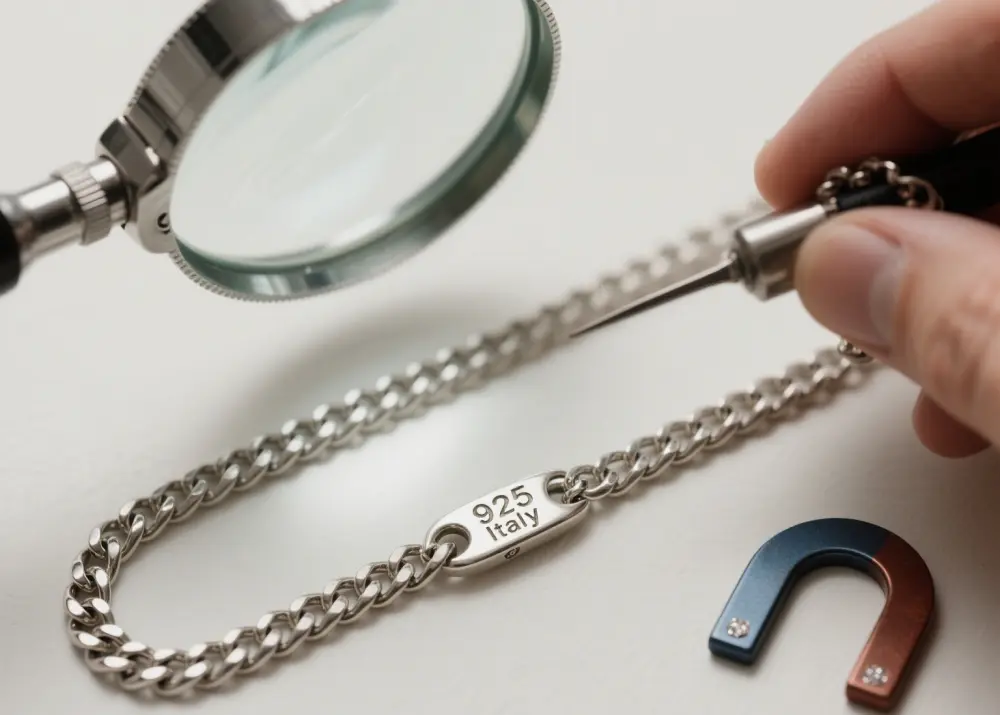
A “925 Italy” stamp tells two clear things: the metal is sterling silver (92.5% silver by weight) and the piece is linked to Italy—either made there or produced under an Italian brand or design. That hallmark signals a recognized level of purity and often implies attention to design and finish associated with Italian silversmithing.
1. The Silver Standard
The “925” in “925 Italy” is the industry shorthand for sterling silver: 92.5% silver with the remaining 7.5% typically made up of other metals such as copper (the most common) or, less often, zinc. Alloys add strength because pure silver is too soft for everyday jewelry. Knowing the silver content helps you judge material worth and durability when comparing chains, rings, and other pieces.
For shoppers, a “925 Italy” mark usually means better resale value and a longer-lasting finish than lower‑grade alloys—but remember that craftsmanship and weight also affect longevity and price.
2. The Italian Mark
The “Italy” part of the hallmark goes beyond geography. It often indicates Italian design, manufacturing, or brand origin and carries a reputation for refined finishing and regional techniques. However, legal standards for labeling vary by country—sometimes items are “designed in Italy” but manufactured elsewhere—so if provenance matters to you, ask the seller for documentation or maker details.
Italian silversmiths are known for techniques like filigree and fine engraving, and many Italian brands have shaped global trends in silver jewelry. When evaluating a piece stamped “925 Italy,” consider the hallmark, the maker’s mark (if present), and the overall finish to judge authenticity and quality.
Want to compare pieces? Check our sterling silver chain and ring categories to see typical weights, styles, and finishes from established Italian makers.
The Legacy of Italian Craftsmanship
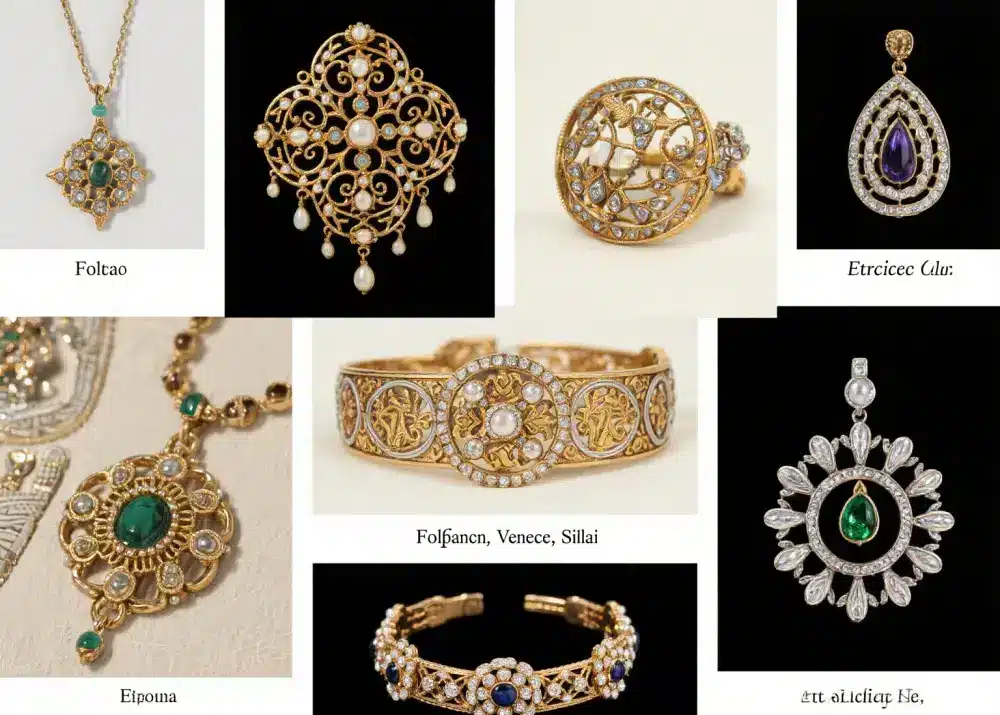
Italian craftsmanship gives 925 Italy silver its global reputation. The hallmark often appears on quality sterling silver that combines high silver content with refined finishes and thoughtful design—attributes that reflect centuries of Italian skill and aesthetic sensibility.
Historical Roots
Italy’s metalworking tradition stretches back to the Etruscans and Romans, whose techniques—filigree, granulation and chasing—laid the groundwork for later makers. During the Renaissance, artists like Benvenuto Cellini elevated goldsmithing and jewelry design, shaping the standards of craftsmanship that still influence italian silver today.
Regional Styles
Different regions developed distinct styles: Florence is known for engraved details and Renaissance-inspired motifs; Venice for delicate filigree and glass accents; and Sicily for bold mixes reflecting Greek, Arab and Norman influences. Local materials—Tuscan gold, Venetian glass, Mediterranean coral—combined with regional techniques to produce recognizable designs and lasting beauty.
Modern Innovation
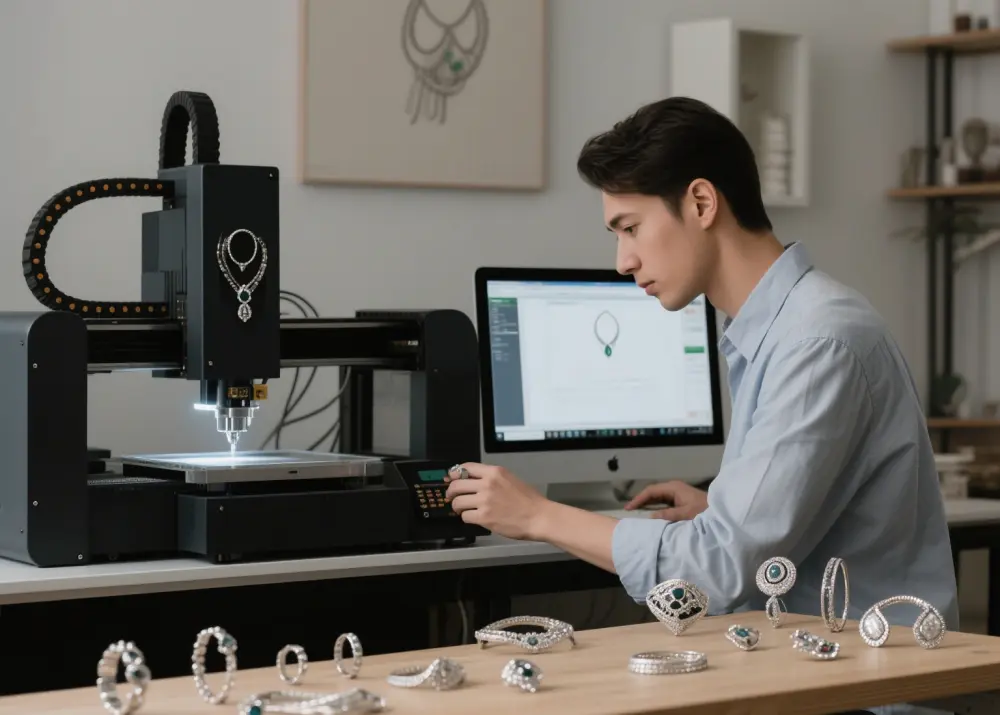
Contemporary italian silver makers blend tradition with technology. CAD, laser engraving, and precision casting let designers achieve finer detail and repeatable quality while artisans still hand-finish, polish, and set stones. Many makers also use carefully chosen alloys to improve durability without compromising the silver’s look or feel.
Timeless Artistry
Whether antique or modern, italian silver pieces emphasize detail, proportion and finish. These design choices—not just the metal content—drive the perceived value and long-term appeal of 925 Italy jewelry. For readers who want to learn specific techniques, check our glossary on filigree, granulation, and engraving to see examples and images.
How to Verify Authenticity
Verifying a “925 Italy” piece is straightforward if you follow a few prioritized checks. A clear hallmark plus consistent weight, finish, and provenance are the best indicators of authenticity. Use the short checklist below before you buy or accept a piece as genuine.
- Examine the stamp and hallmarks first. Look for a distinct “925 Italy” hallmark or maker’s mark on the interior or clasp. A genuine stamp is crisp and often punched or engraved deeply into the metal.
- Assess workmanship and finish. High-quality italian silver will show consistent finishing, tight joins, and clean details—signs of solid craftsmanship rather than cheap plating.
- Feel the weight. Sterling silver is relatively dense; a genuine chain or bracelet should feel substantial compared with light, hollow, or poorly made imitations.
- Use the magnet test. Silver is not magnetic—if a magnet strongly attracts the item, it may contain ferrous metals or heavy plating. Note: some non-magnetic base metals can pass this test, so use it with other checks.
- Do a gentle rub test. Rubbing an inconspicuous area on a soft white cloth can leave a faint dark mark from oxidation on real silver. This is a non‑destructive quick check but not foolproof.
- Watch suspicious pricing. If the price is far below market value for a solid 925 piece, treat the offer with caution—too-good-to-be-true deals often are.
- Ask about provenance and documentation. Receipts, maker details, or certificates increase confidence, especially for vintage or high-value pieces.
- When in doubt, consult an expert. A reputable jeweler or certified appraiser can run professional tests (XRF or acid tests) and confirm composition without risking damage to your piece.
Why the stamp matters
A clear “925 Italy” stamp or other hallmarks are the fastest sign of sterling authenticity and Italian origin. However, hallmarks can be faked; always combine the stamp check with weight, finish and provenance checks for a reliable assessment.
Quick cautions
Avoid destructive testing yourself—acid tests or filing can damage finishes and reduce value. Leave chemical or invasive tests to professionals. Also remember the magnet and rub tests are helpful but not definitive; pair multiple checks when evaluating value and authenticity.
Want a printable checklist to take when you shop vintage or at markets? Download our authenticity guide or bring this shortlist to a trusted jeweler for a quick appraisal.
The Story Behind Your Stamp
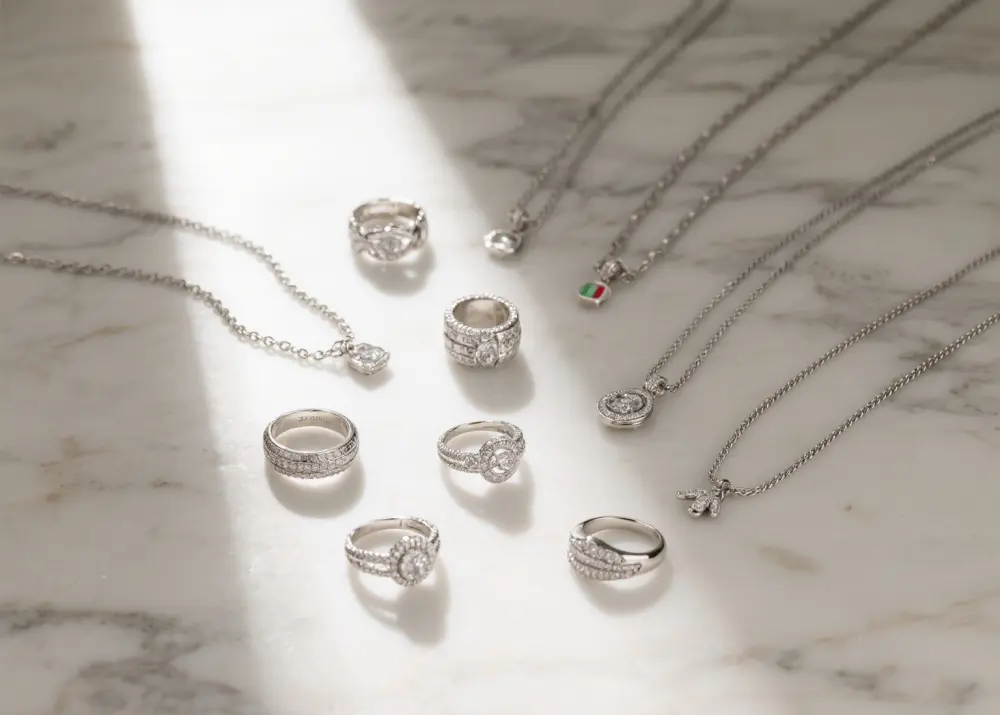
A “925 Italy” stamp is more than a label — it marks sterling silver (92.5% silver) and typically indicates Italian origin, design, or brand association. The remaining metal (most often copper) strengthens the silver for wear; together the stamp and maker’s marks help buyers assess authenticity, craftsmanship, and potential market value.
Maker’s Marks
Maker’s marks (also called hallmarks) are small identifiers—initials, logos, or symbols—stamped by the workshop or brand. These marks are a powerful clue to provenance: recognizable maker’s marks (for example, well-known Italian houses or historic workshops) often increase a piece’s value. When present, maker’s marks combined with a “925 Italy” stamp strongly support authenticity.
If you see an unfamiliar mark, photograph it and compare it to a reputable online hallmark database or reference book. Trusted resources list Italian maker codes and can quickly tell you if a mark matches an established workshop.
Provincial Symbols
Provincial symbols indicate the town or region of production—examples include marks tied to Florence, Vicenza or Arezzo. These symbols reflect local styles and traditions: a Florentine piece may show Renaissance-inspired motifs, while a Vicenza mark might be linked to contemporary workshop output.
Note: labeling rules vary by country. “Made in Italy” implies manufacture in Italy, while some items may be “designed in Italy” or sold under an Italian brand but produced elsewhere. If exact origin matters for a purchase, ask the seller for documentation or maker details.
Stamp Variations
The appearance of a “925 Italy” stamp can vary widely: some are simple numeric stamps, others sit inside decorative shapes or include additional codes and maker marks. For example, a silver chain from Milan might read “925 ITALY” in a rectangle; a Naples ring might show only “925” plus a small town code. These variations are normal but worth noting when comparing pieces.
When evaluating a piece, look for consistent stamping quality (sharp, not shallow or easily rubbed off) and cross-check any maker’s marks against a hallmark guide to avoid knock-offs.
Researching Stamps
Research pays off. Use reputable hallmark databases, reference books, or ask experienced jewelers to interpret maker and provincial marks. Photograph each stamp (macro shots work well) and keep notes on weight, materials, and any paperwork. This simple record helps when selling, insuring, or valuing a piece in the market.
Debunking Common Myths
There are several persistent myths about 925 Italy silver jewelry. Separating fact from fiction helps you choose quality sterling silver pieces for everyday wear or special occasions. Below are common misconceptions and the facts you should know.
- Myth: “925 Italy” means pure silver.
- Fact: 925 denotes sterling silver—92.5% silver and 7.5% other metals (commonly copper) to add strength.
- Myth: Sterling silver is fragile.
- Fact: Properly alloyed sterling silver is durable for everyday wear; design and construction affect longevity more than the stamp alone.
- Myth: Sterling always tarnishes badly.
- Fact: Silver tarnishes when it reacts with sulfur compounds in air or skin oils, but simple care—dry storage, regular polishing—keeps pieces bright for years.
- Myth: All 925 Italy pieces are handmade.
- Fact: Both handmade and machine-made 925 items exist; quality depends on craftsmanship, not just production method.
- Myth: 925 silver has little value.
- Fact: Intrinsic silver content plus italian craftsmanship, weight, rarity and brand reputation determine value—many 925 pieces hold resale appeal.
- Myth: Authenticity is guaranteed by the stamp alone.
- Fact: Counterfeits exist; verify hallmarks, weight, finish, and provenance or seek professional testing if uncertain.
- Myth: Sterling smells strong.
- Fact: Pure silver has no odor; any strong smell usually comes from other metals or contaminants.
- Myth: Caring for silver is difficult.
- Fact: Routine care—soft cloth wiping, gentle soap and water for dirt, and proper storage—keeps sterling looking its best.
Why the alloy matters
Sterling silver’s 7.5% alloy (often copper) gives the metal strength without significantly reducing appearance. If you have metal sensitivities, look for higher-grade alloys or plated finishes; some makers apply protective coatings or rhodium plating to reduce tarnish and skin reactions.
How to spot protection and finishes
Many reputable brands use finishes to enhance durability—rhodium plating, anti-tarnish lacquers, or sealed coatings. These finishes can reduce maintenance but may wear over time. When buying, ask the seller about the finish so you can choose between raw sterling and protected pieces based on your lifestyle.
Educate yourself
Learn to read hallmarks, compare weight and finish, and request documentation when possible. These simple steps improve your chances of buying genuine 925 Italy silver jewelry with lasting beauty and value.
The Value of 925 Italy Jewelry
A “925 Italy” mark tells you the piece is sterling silver (92.5% silver) and linked to Italian design or manufacture—attributes that contribute to both aesthetic appeal and market value. The true worth of any 925 Italy piece depends on multiple factors beyond metal content: craftsmanship, weight, condition, rarity and brand reputation all matter.
| Factor | Description |
| Silver Content | 92.5% pure silver (sterling) with 7.5% alloy—material value follows silver spot price and weight of the piece |
| Craftsmanship | Italian craftsmanship and design add premium value—detail, finishing and technique affect desirability |
| Brand Reputation | Established makers and designer labels often command higher resale prices |
| Weight | Heavier pieces contain more silver and generally have higher intrinsic metal value |
| Condition | Well-maintained items fetch better prices; heavy tarnish or damage reduces resale potential |
| Rarity | Limited editions, vintage or unique designs increase collector interest and value |
| Authenticity | Verified hallmarks, maker’s marks and provenance improve buyer confidence and market value |
Intrinsic vs. Artisan Value
Intrinsic worth is the metal value (current silver spot price × item weight). Artisan or brand value is separate: skilled italian craftsmanship, rare designs, and reputable makers can make a piece worth many times its metal content. Consider both when evaluating a purchase or resale.
Intrinsic value example
Quick example: if the silver spot price is $0.80 per gram and a chain weighs 20 grams of sterling, the metal value is roughly 20 × 0.925 × $0.80 ≈ $14.80. Artisan details, brand and condition will typically increase the sale price well above that baseline.
Resale Potential
- Brand: Pieces from recognized makers hold value better.
- Condition: Excellent condition raises resale prices.
- Documentation: Receipts, certificates and appraisals boost buyer confidence.
- Rarity: Unique or limited items are sought after by collectors.
To maximize resale potential, keep original paperwork and clean, store and photograph pieces carefully. If you’re unsure about a piece’s market value, consider a professional appraisal—especially for designer or vintage items.
Lasting Appeal
925 Italy jewelry combines silver’s bright look with italian design and technique, giving many pieces a timeless quality. Proper care keeps silver beautiful for decades, and well-made pieces often become family heirlooms—offering both beauty and potential investment value.
Need an appraisal or want help estimating a piece’s worth? Contact a certified appraiser or your trusted jeweler for a professional valuation and documentation.
Differences Between Gold and Silver
Gold and silver are both popular metals for jewelry but differ in cost, care, and how purity is measured. Understanding these distinctions helps you choose the right metal for price, durability, maintenance, and style.
- Purity measurement: Gold is measured in karats (24K = pure gold); silver uses the “925” stamp for sterling (92.5% silver).
- Durability & finish: Pure gold is soft and is usually alloyed for strength; many gold alloys resist tarnish better than silver, though some gold alloys can discolor. Sterling silver is durable when alloyed but can tarnish and needs periodic care.
- Cost: Gold typically carries a higher market price than silver, making gold items (by weight) more expensive.
- Typical uses: Gold is often chosen for wedding bands and luxury pieces; 925 silver is popular for everyday chains, pendants and fashion jewelry because it balances beauty and affordability.
Both metals can carry country or purity stamps—e.g., “750 Italy” commonly denotes 18K gold, while “925 Italy” denotes sterling silver—so always check marks when comparing items for your jewelry collection.
Maintenance Tips for 925 Silver
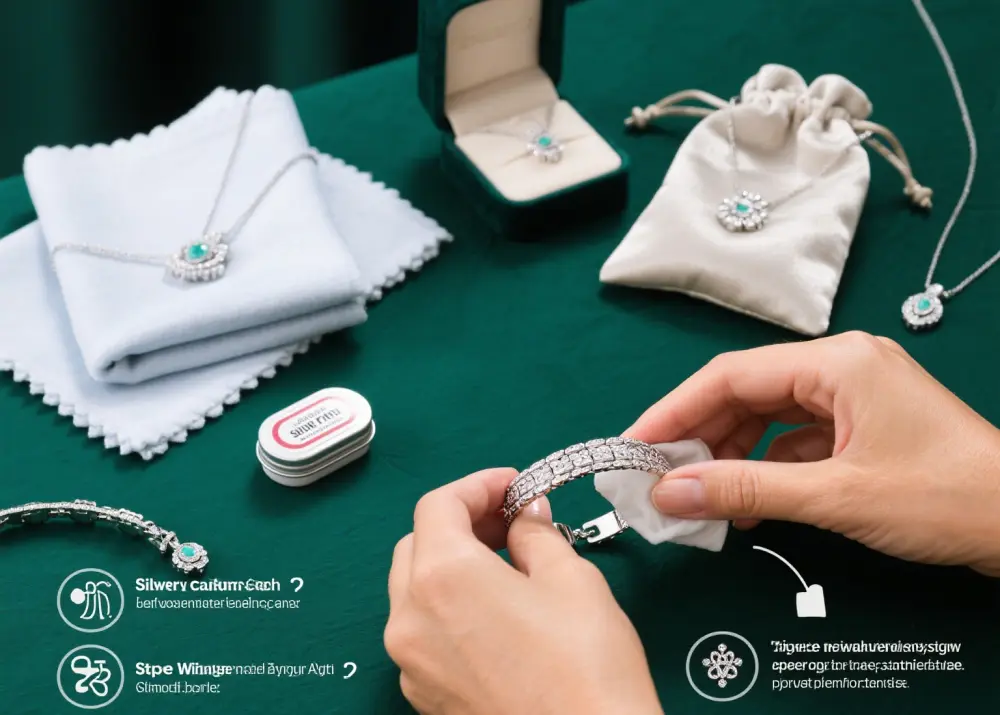
925 silver (sterling) contains 92.5% silver with the balance typically copper. Stamps like “925 Italy” indicate the silver standard and often suggest careful finishing. Although sterling is durable, it will tarnish over time without basic care.
- Store properly. Keep pieces in a dry, cool place—soft cloth bags or lined jewelry boxes work well. In humid climates add silica gel packs to absorb moisture and slow tarnish.
- Remove before exposure. Take off silver jewelry before showering, swimming, or using household chemicals; chlorinated water, bleach and harsh cleaners accelerate discoloration and can damage finishes.
- Routine care. Wipe pieces with a soft, lint-free cloth after wearing to remove oils and sweat. For light cleaning, wash with mild soap and warm water, rinse and dry immediately.
- Polishing and stubborn tarnish. Use a dedicated silver polish or a gentle baking soda paste for light tarnish—apply gently and rinse thoroughly. Avoid abrasive compounds on plated or stone-set pieces, which can remove finishes or scratch gems.
- Separate storage. Store each item individually, wrapped in soft cloth or pouches to prevent scratches from chains and clasps.
- Professional care. For deep cleaning, repairs, or if a piece has delicate gemstones, consult a jeweler—annual inspections preserve durability and ensure settings remain secure.
If you prefer low-maintenance options, look for pieces with protective finishes (rhodium plating or anti-tarnish coatings) or consider plated alternatives; ask sellers about finishing so you know how much upkeep to expect.
Want a quick care checklist to print or save? Download our sterling silver care guide to keep your 925 Italy pieces bright and strong for years.
Conclusion
A clear “925 Italy” mark on a piece of jewelry indicates sterling silver (92.5% silver) paired with Italian design or manufacture—traits that usually point to reliable quality and thoughtful craftsmanship. That small stamp helps you identify pieces that balance material value with design appeal.
When shopping, use the stamp as a starting point: check hallmarks, feel the weight, inspect the finish, and ask about provenance. Those steps will help you avoid counterfeits and choose 925 Italy pieces that offer both beauty and potential investment value.
Need help verifying a piece or estimating its worth? Contact a certified jeweler or request a professional appraisal — and consult the FAQ and authenticity checklist above before your next purchase.
Frequently Asked Questions
What does “925 Italy” mean on jewelry?
“925 Italy” indicates the piece is sterling silver (92.5% silver) and is associated with Italy—either made there, produced by an Italian brand, or designed under Italian standards. It signals a recognized level of purity and often a higher expectation of finish and craftsmanship.
Is 925 Italy jewelry real silver?
Yes. A genuine 925 Italy item is sterling silver—92.5% silver with 7.5% other metals (commonly copper) added for strength and durability.
How can I tell if my 925 Italy jewelry is authentic?
Check for a clear 925 Italy hallmark and any maker’s marks, feel the weight, inspect the finish, and use non‑destructive tests (magnet, rub test). If unsure, ask for documentation or seek a professional appraisal for definitive authenticity testing.
How do I read maker’s marks and provincial symbols?
Maker’s marks are small stamps identifying the workshop or brand; provincial symbols point to the town or region. Photograph any marks and compare them with reputable hallmark databases or reference guides—or ask a jeweler to help—so you can trace provenance and better judge value.
Can 925 Italy jewelry tarnish?
Yes. Sterling silver can tarnish when it reacts with sulfur compounds in air, cosmetic products or skin oils. Regular cleaning and proper storage will minimize tarnish and keep pieces looking bright.
Is 925 Italy jewelry hypoallergenic?
Sterling silver is generally well tolerated, but some people react to the small alloy percentage (often copper). If you have metal sensitivities, look for higher‑grade alloys, plated finishes such as rhodium, or ask the seller about hypoallergenic options.
Does “925 Italy” mean my jewelry is expensive?
Not necessarily. The “925 Italy” stamp denotes quality and origin but price varies by weight, design, craftsmanship, and brand. Some 925 Italy pieces are affordable fashion items, while rare or designer pieces can command premium prices.
Top 12 fashion jewelry companies in Italy (2025)
Key Takeaways Italy’s top 12 fashion jewelry companies are all brands synonymous with sharp design, fine craft and formidable export
Κορυφαίοι 10 Κατασκευαστές Κοσμημάτων στην Κίνα για 2025 Διαλογή και Οδηγός
Η Κίνα ελέγχει περίπου το 70-80% της παγκόσμιας παραγωγής κοσμημάτων, συμπεριλαμβανομένων των εργαστηριακών λίθων (συνθετικά πετράδια) και των μεγάλων κέντρων
Top 13 French Jewelry Companies Known for Craftsmanship and Elegance
When it comes to French jewellery, the world immediately conjures images of effortless elegance, timeless craftsmanship, and a flair that only