Share your design, material and quantities. Our team will help you plan samples and production.
JPG, PNG or PDF · up to 10 MB. Your details help us respond to this project inquiry.
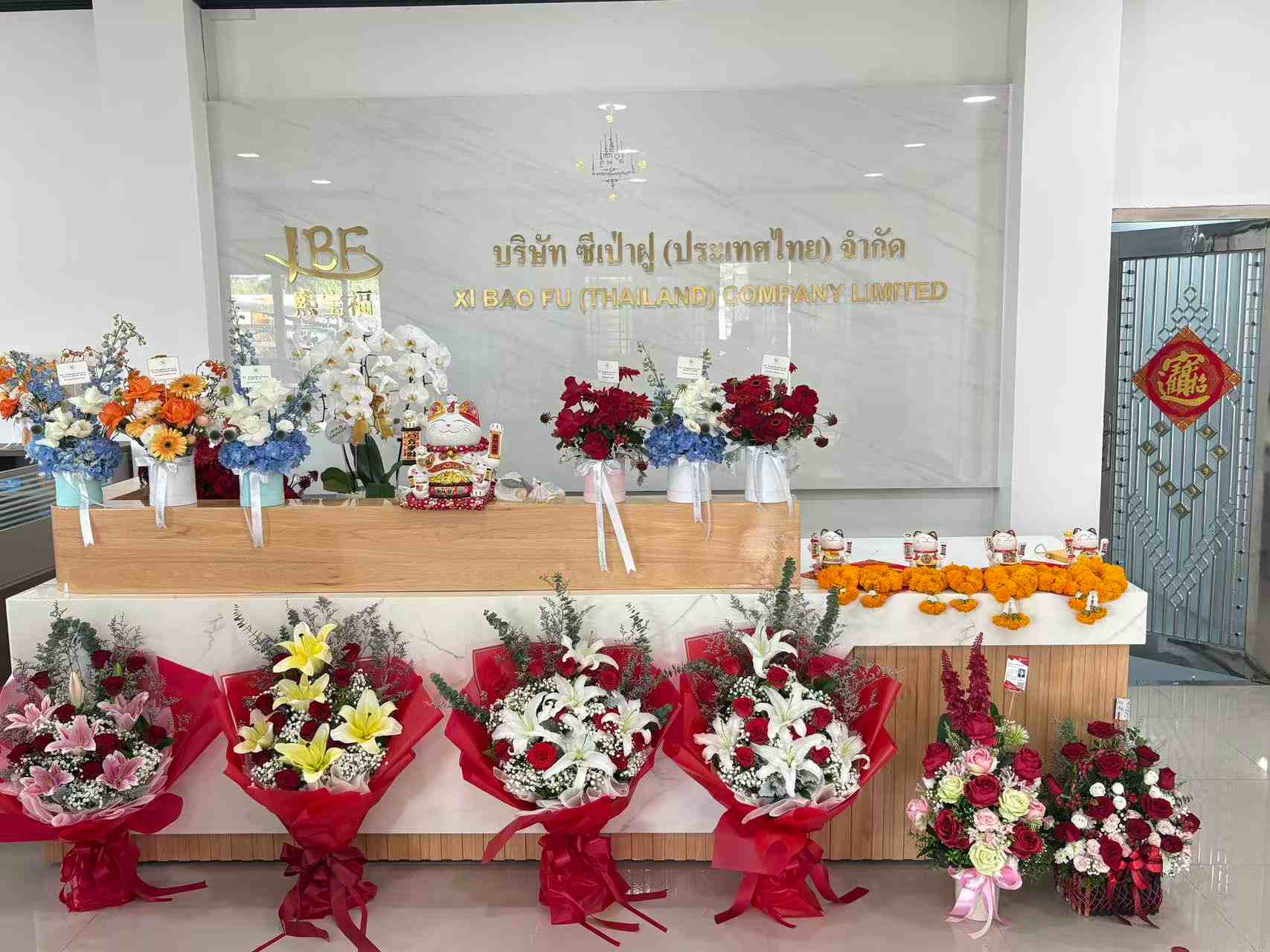
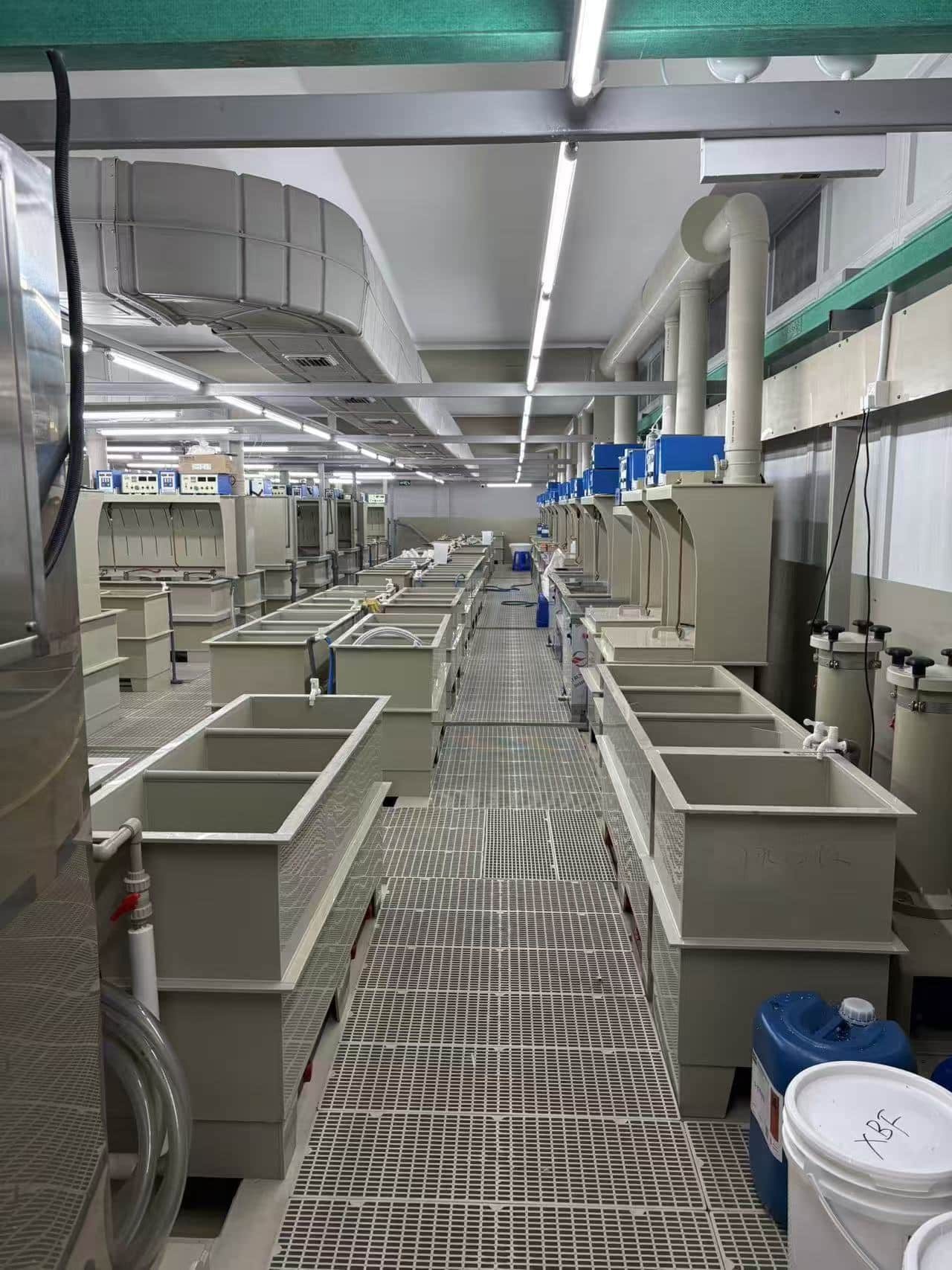
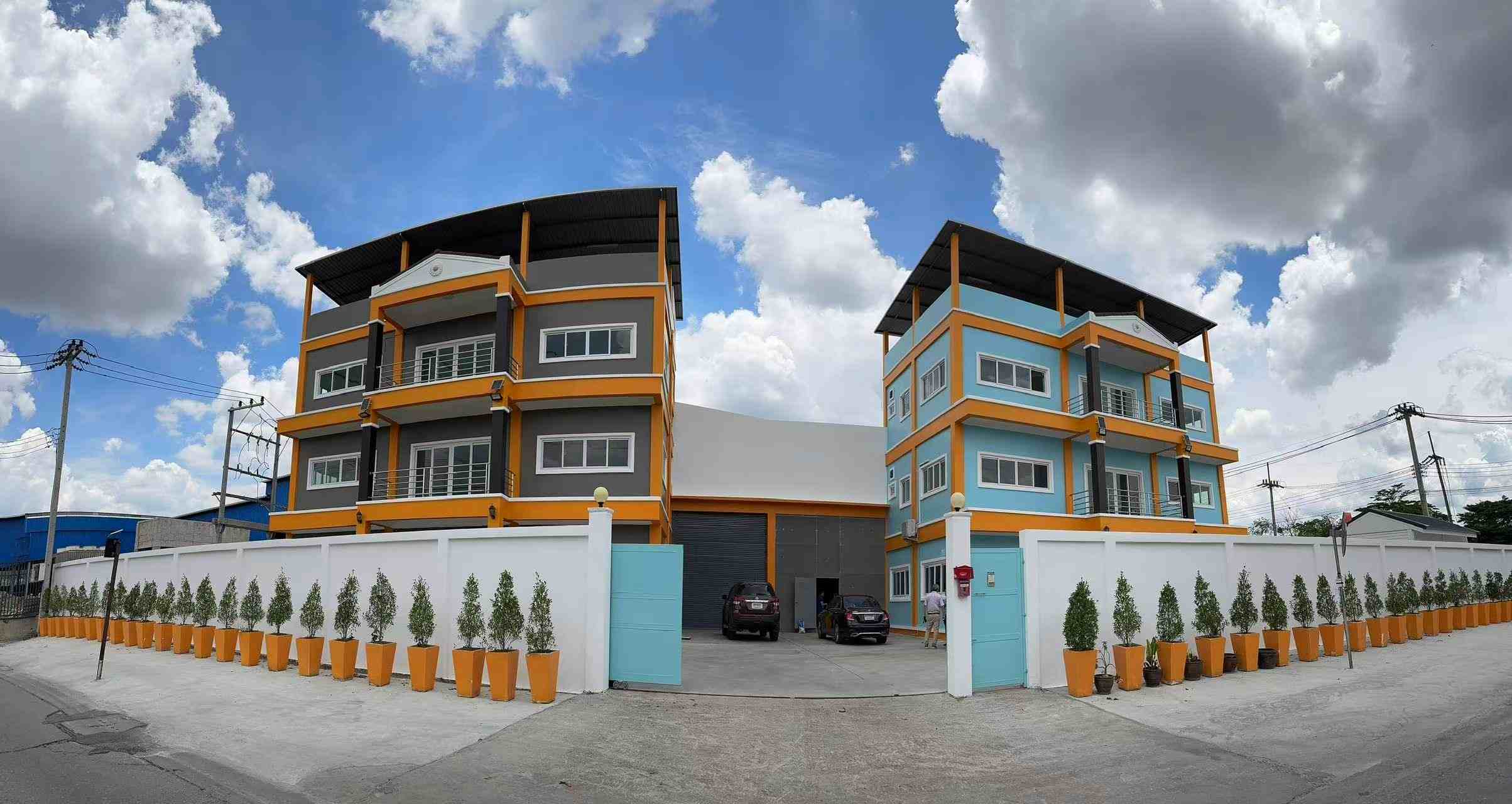
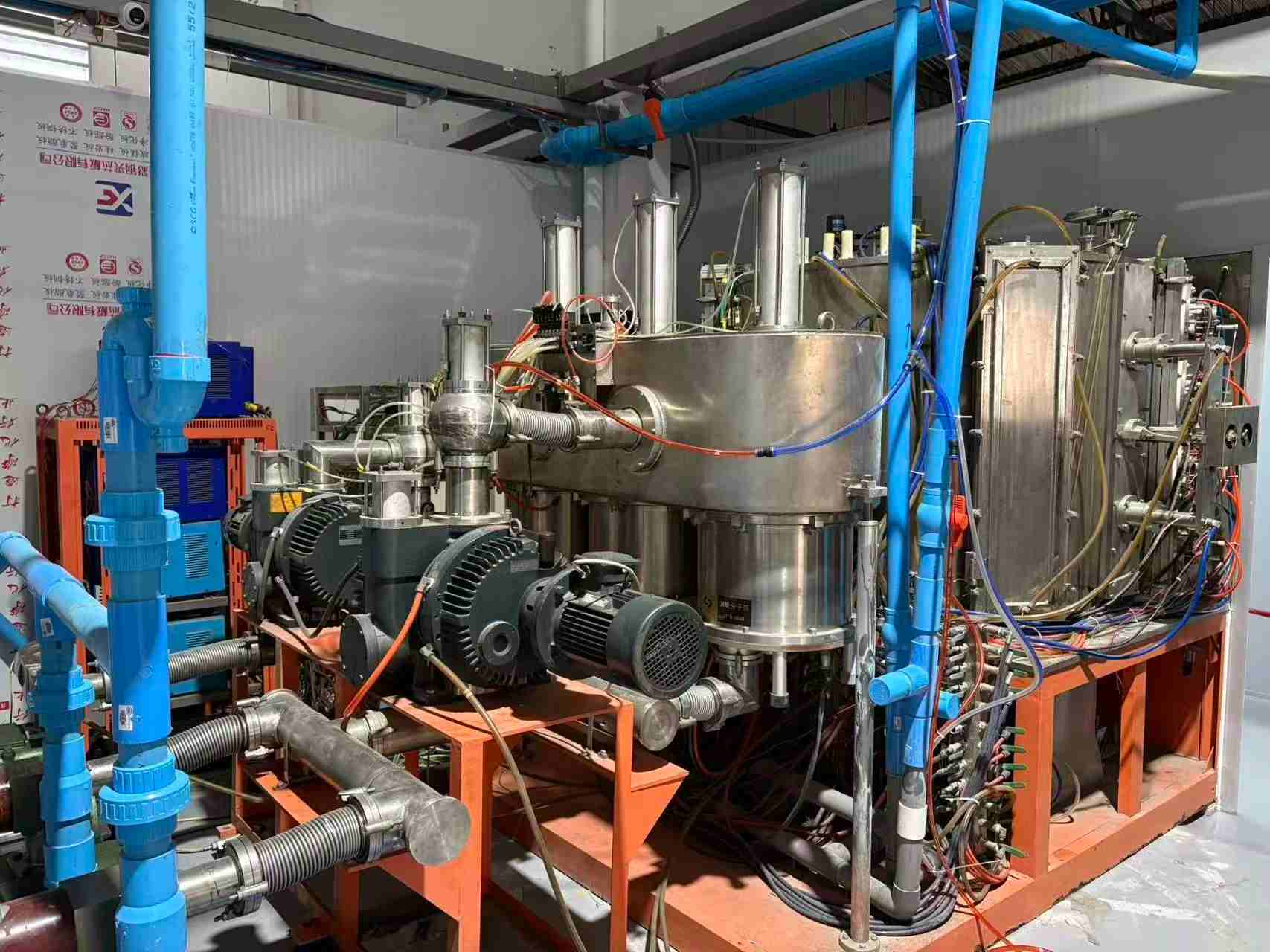
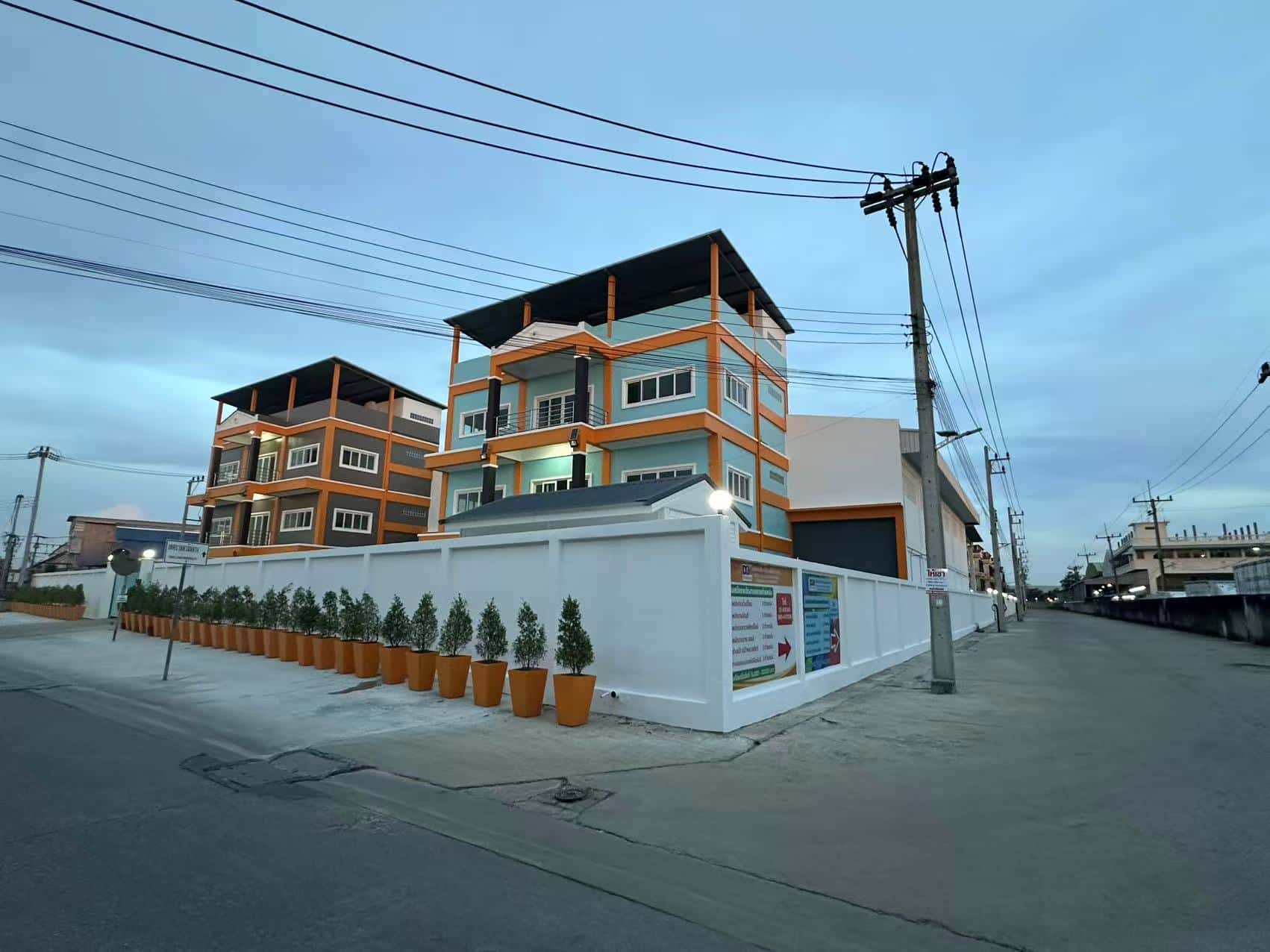
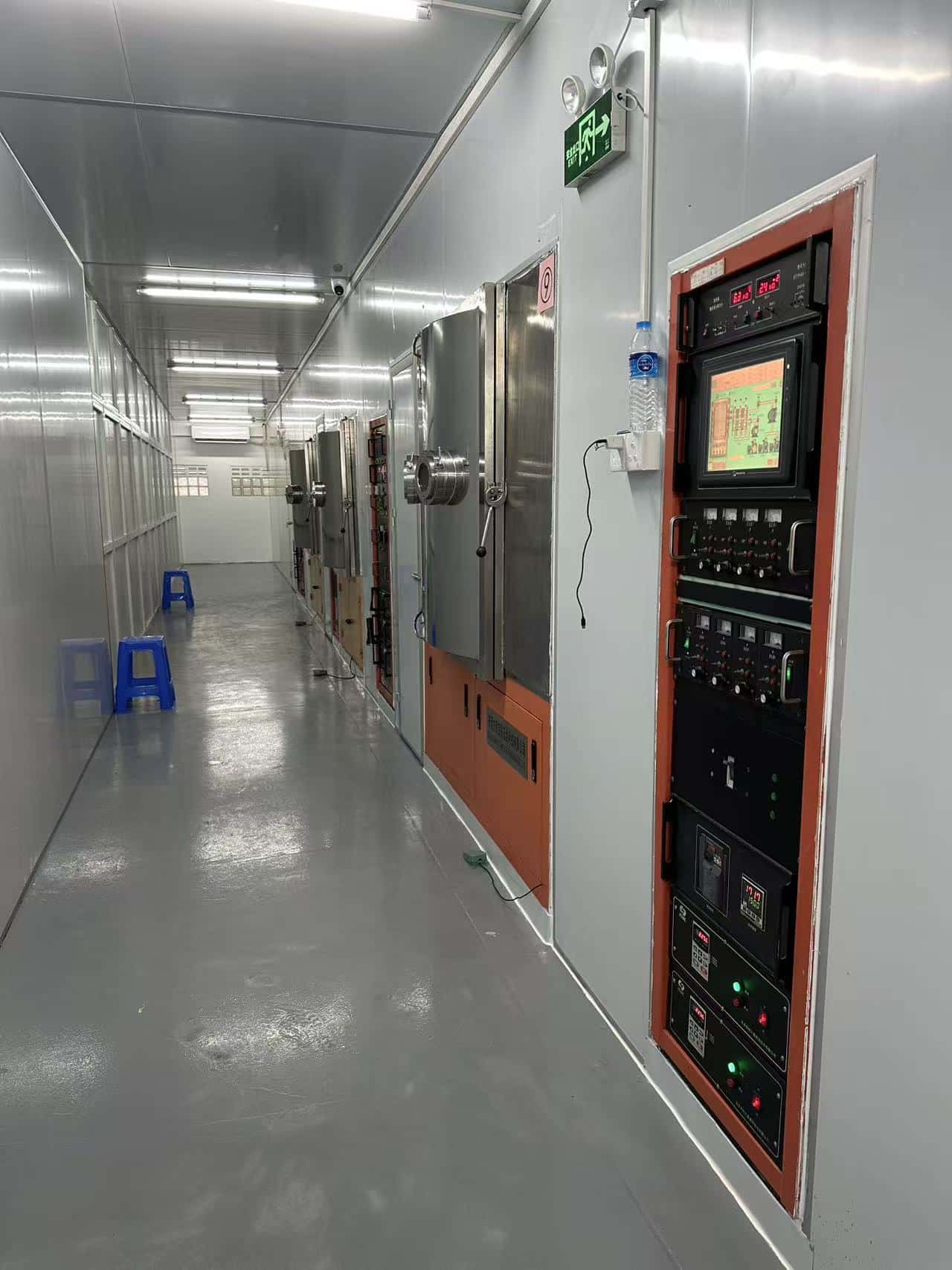
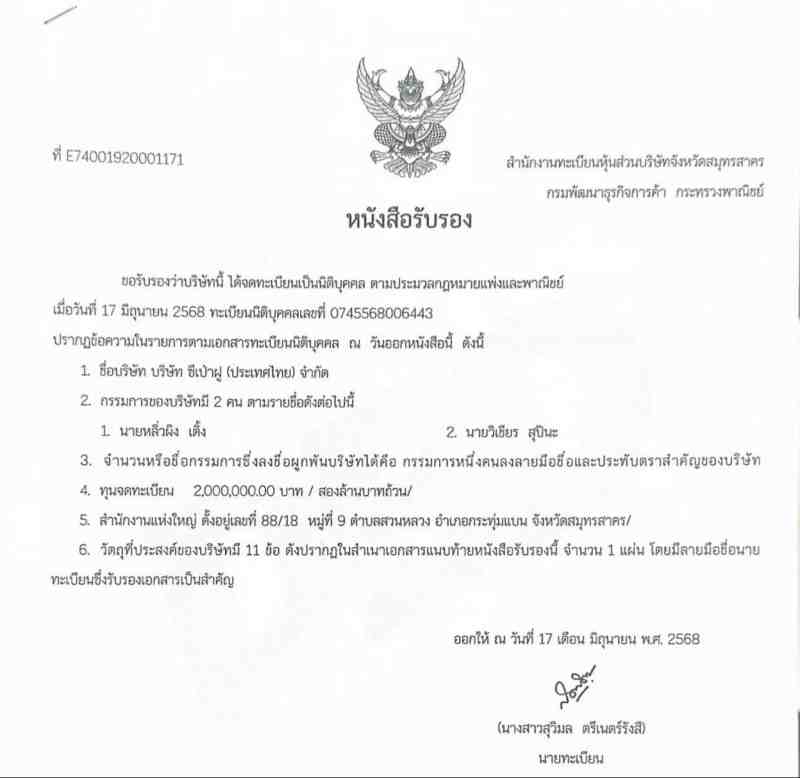
HonHo works with its Thailand and Dongguan facilities on jewelry projects for brands and wholesalers. Tell us your material, construction and delivery requirements so we can confirm where each production step will take place.

A useful supplier discussion covers the production location, materials, sample, quotation and inspection plan.
Bring these questions to your first project discussion:
What sample and specification will guide production?
What quantity and development costs does the design require?
Who will coordinate approvals and changes?
Where will the agreed production steps take place?
Which sourcing and test documents does the order need?
We review these details with you before development begins. The quotation and approved sample give both teams a clear basis for the order.
HonHo was founded in Dongguan in 2017. Our Thailand manufacturing work is coordinated around the project, with responsibilities and production steps confirmed in advance.
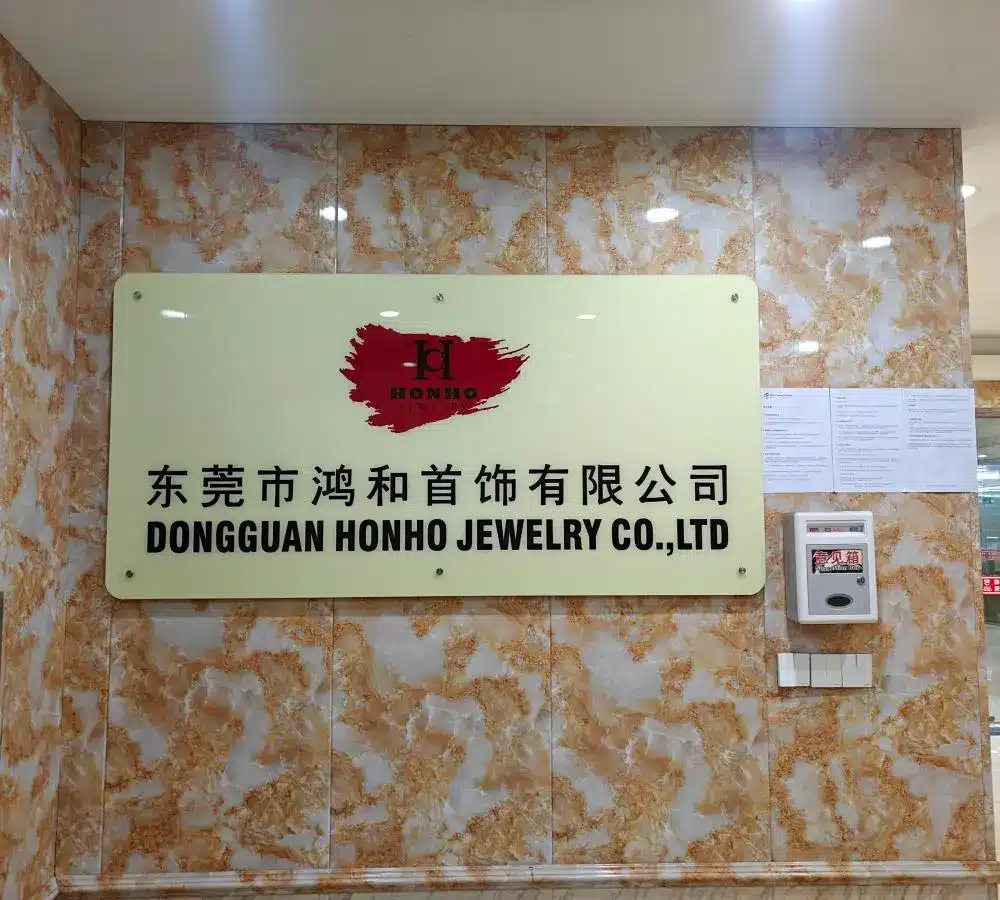
Our team works with stainless steel, brass and sterling silver. We confirm which facility and processes fit the project.
From drawing review to packing, the scope depends on what your design needs. We confirm the work and location for your project before production.
Turn your sketches, mood boards, or reference pieces into professional CAD files and 3D models.
Produce physical samples to test fit, comfort, and visual impact before committing to large orders.
Casting, machining or fabrication is chosen around the metal and construction.
Confirm the stone material, dimensions and setting method during development.
High-quality polishing, rhodium plating, gold plating, and special finishes to match your brand’s look.
Multi-step inspections and support with third-party testing or certifications where required.
Branded tags, logo stamps, and packaging solutions for direct-to-consumer and retail-ready products.
Dedicated account managers, reorder assistance, and technical support to help you scale new collections smoothly and solve any production issues quickly.
Coordination of international shipping, paperwork, and labeling for smooth import into your country.
The steps below describe a typical cast-jewelry route. Stainless steel, chain and fabricated designs may require different tooling and processes.

We review the dimensions, wall thickness, settings and finish, then prepare the agreed CAD views for approval. Keep feedback against a clearly identified drawing version.

For cast designs, a printed pattern or master can guide mould development. Other constructions may need different tooling, which is confirmed in the quotation.

Wax patterns are inspected and assembled for casting where this route is appropriate. Pattern quality and feed locations affect the result.

The prepared mould is used to form the cast part in the agreed alloy. The investment, equipment and process need to suit the metal; silver, brass and steel do not all use an identical route.

Parts are separated, casting marks removed and rough edges prepared for finishing. Visible defects are checked before the piece moves on.

The setting method follows the stone and design. Review alignment and security on the sample, and confirm when setting takes place relative to plating.

Polishing develops the agreed surface texture. Cleaning removes process residues using a method compatible with the metal, stones and components.

Apply the agreed coating and compare the finished piece with the approved sample. Inspect dimensions, settings, closures and packing, with additional tests as specified for the order.
A focused range can make a first order easier to manage. Confirm quantity per design and color, and separate tooling or development charges from the unit price.
Start with a focused set of designs. Our standard starting point is 100 pieces per design and color, with smaller pilot quantities discussed where practical.
Material, weight, setting and coating affect cost. Compare quotations using the same requirements.

Confirm component availability, the approved reference and production capacity around your expected order schedule.
Record the product specification, tooling, samples, testing, packing and shipping terms, including any exclusions.
Record the dimensions, materials, color and finish before production. Use the approved sample and specification to define what will be checked.
Identify the alloy or steel grade for the relevant components. Agree material documents and any finished-product tests needed for the destination market.
Check the dimensions and weight against the drawing and approved sample. Agree tolerances for the features that matter to the fit and function.
Compare surface texture and color with the approved reference. Agree coating measurement methods and locations where thickness is part of the specification.
Inspect stone alignment, spacing and setting security. The method and acceptance criteria should suit the stone and construction.
Check the relevant joints and connections. Agree any strength test and acceptance limit before production rather than assuming one standard fits every design.
Check logo placement, size and legibility against the artwork. Material marks and other labeling must match the product and its destination requirements.
Check posts, hinges and closures for fit and operation. Repeated-use or strength tests can be specified for the order.
Choose tests around the material and intended use. A laboratory exposure assesses a specified condition; it does not establish an exact number of years of wear.
Check individual protection, quantities and labels against the packing instructions. Confirm the freight route, destination and shipping terms before dispatch.
our services
Raise sourcing and audit requirements at the start. We can review the available materials and documents with the team responsible for the order.
Contact us to arrange a visit or video discussion. We will confirm the location, team and production steps relevant to your project.
If production location is important to your sourcing plan, ask us to record where the agreed steps will be carried out. Origin and export documentation should reflect the actual order.
Contact the team with your design, quantity and delivery destination for project-specific answers.
Our standard starting point is 100 pieces per design and color. Tooling and component requirements can change the practical quantity. Ask about a smaller pilot order for suitable designs.
Send sketches, CAD files or reference images with dimensions and finish notes. We review the construction and confirm the development work before sampling.
Include the requirement and supporting documents you need in the brief. Availability and evidence must be confirmed for the order.
Inspection follows the approved sample and written specification, including dimensions, finish, settings and closures. Agree any laboratory tests or third-party inspection in advance.
Share the delivery destination and preferred freight arrangement. Production location, shipping terms and export documents are confirmed for the actual order.
Yes. Agree the scope, cost and schedule, then review the physical sample before bulk production.
Allow around 25–30 days for brass or silver samples, 25–35 days for stainless steel samples, and 35–45 days for bulk production after approval. Confirm the final dates for the design and production location.
We can discuss engraving, tags, labels and packaging. Send the artwork at the intended size so it can be checked on the sample.
Contact us before making a change. We review its effect on tooling, cost and timing, then record the new approval before implementation.
Payment stages, sample charges and production terms are confirmed in the quotation before the order is placed.