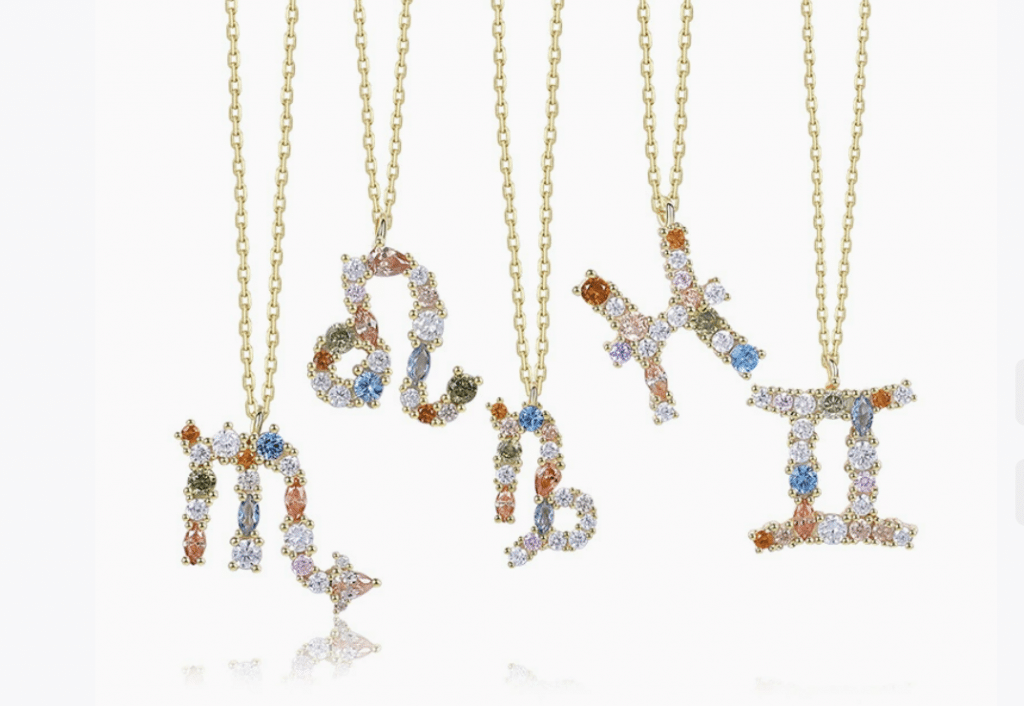
ODM Jewelry
ODM Jewelry Development
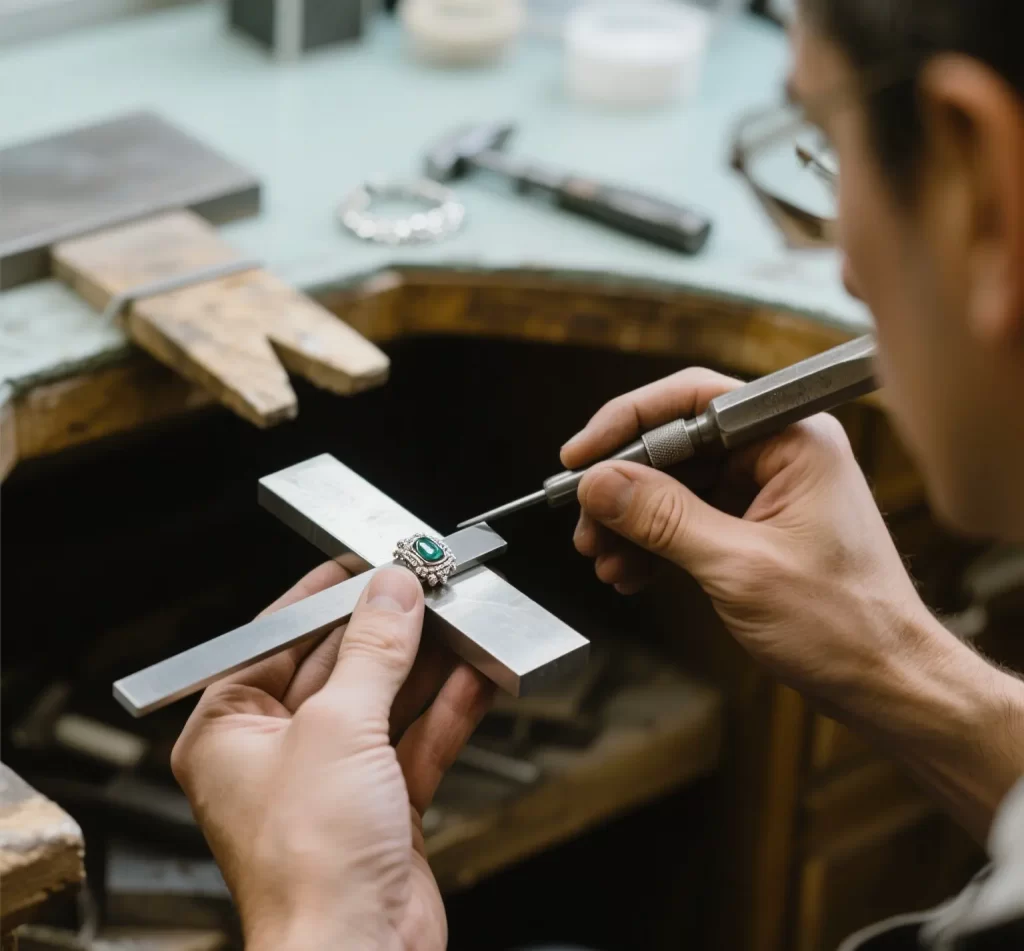
Start from an existing style and adapt it to your collection. We help you review the material, dimensions, stones, finish and branding before making an approval sample.
A starting point for your own collection
ODM development can be useful when you have a clear direction but do not want to start with every detail of a new drawing. Choose reference styles with our team and identify the changes your collection needs.
A change of stone, finish or size may be straightforward; a change in construction or material may need new tooling. We explain the development work before quoting and use a sample to confirm the result.
Founded in 2017
HonHo was founded in Dongguan in 2017.
Design review
Production planning follows the agreed design and quantity.
Sample approval
Ask for the styles currently available for your brief.
Production planning
We confirm the sample and production schedule before starting.
Materials for your collection
304 and 316L stainless steel
Confirm the grade for each component and the finish the design needs. A material change may affect tooling, weight or construction, so we review it before promising an equivalent piece.
925 Sterling Silver
Sterling silver contains 92.5% silver. Discuss the weight, finish and marking requirements with us; plated and unplated pieces need different care guidance.
Brass
Brass is useful for cast shapes, textures and stone-set pieces. Agree the alloy, plating and protective finish around your design and price point.
PVD for stainless steel
We confirm the PVD color and layer specification with the sample. Our stated gold-color specification uses a 0.5 μm TiN layer and a separate 0.03–0.10 μm gold top layer.
Electroplating for brass and silver
Specify the coating thickness and color with the quotation. Vermeil requires a sterling silver base and the relevant gold specification; a plated brass design is not vermeil.
How ODM development works
Select a starting style, agree the changes, review the sample and approve production.

01 / Select a starting style
Share your references and target price, then review relevant styles from the current catalog.

02 / Agree the changes
Confirm the size, stones, finish and logo placement. We identify any new tooling or components required.

03 / Review the sample
Check the physical piece before approval. Typical sampling takes about 25–30 days for brass or silver and 25–35 days for stainless steel; revisions can add time.

04 / Produce and inspect
After approval, production follows the recorded sample and specification. Allow about 35–45 days for bulk production, with shipping time quoted separately.
Before you choose an existing design
Questions about ODM orders
Q1: What is the difference between OEM and ODM services?
OEM starts from your design specification. ODM starts from an existing design that can be adapted. The amount of new development determines the cost and schedule.
Q2: Can I put my own logo on your ODM designs?
Yes, where the shape and surface provide a suitable area. Send the artwork and intended placement so we can check size and legibility on the sample.
Q3: Do you offer exclusive rights to specific ODM designs?
Do not assume a catalog design is exclusive. Discuss any exclusivity or design-rights requirement with us before committing to the project, and record the agreement in writing.
Q4: What is the MOQ for ODM orders?
Our standard starting point is 100 pieces per design and color. Smaller pilot quantities may be possible for selected styles; confirm the quantity in the quotation.
Q5: Can you modify the materials of your existing designs?
Sometimes. Changing metal can affect weight, tooling, joining and finishing. We review the design before confirming whether the proposed substitution is practical.
Q6: How often do you release new designs?
Ask for the current catalog or send your seasonal brief. We can identify relevant available styles without relying on a fixed monthly release count.
Find a starting point for your next collection
Send a few references, your preferred material, target price and quantity. We can suggest relevant styles and explain which changes would need further development.