
Share your design, material and quantities. Our team will help you plan samples and production.
JPG, PNG or PDF · up to 10 MB. Your details help us respond to this project inquiry.
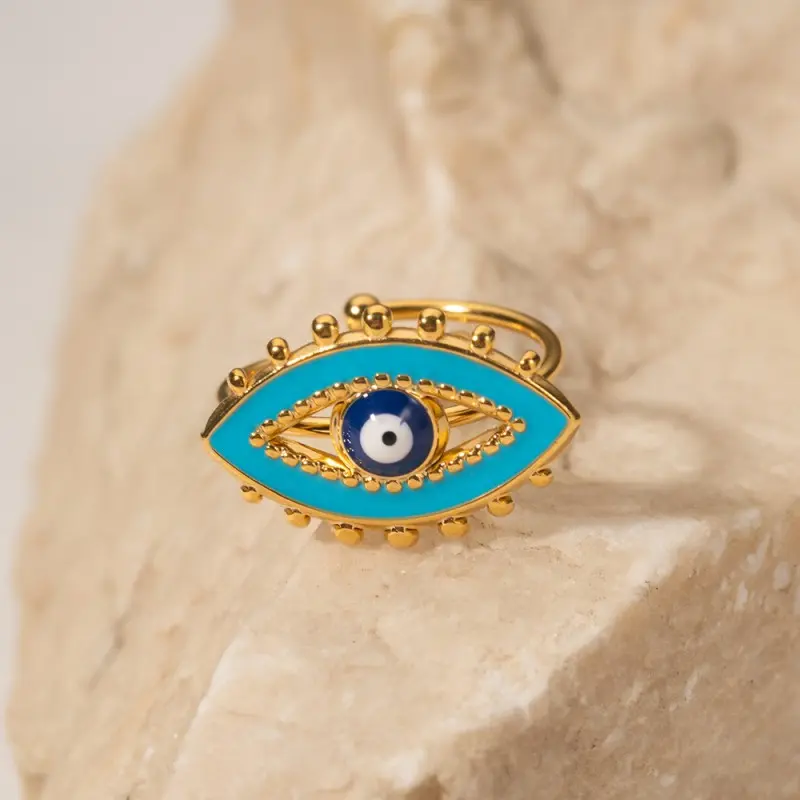
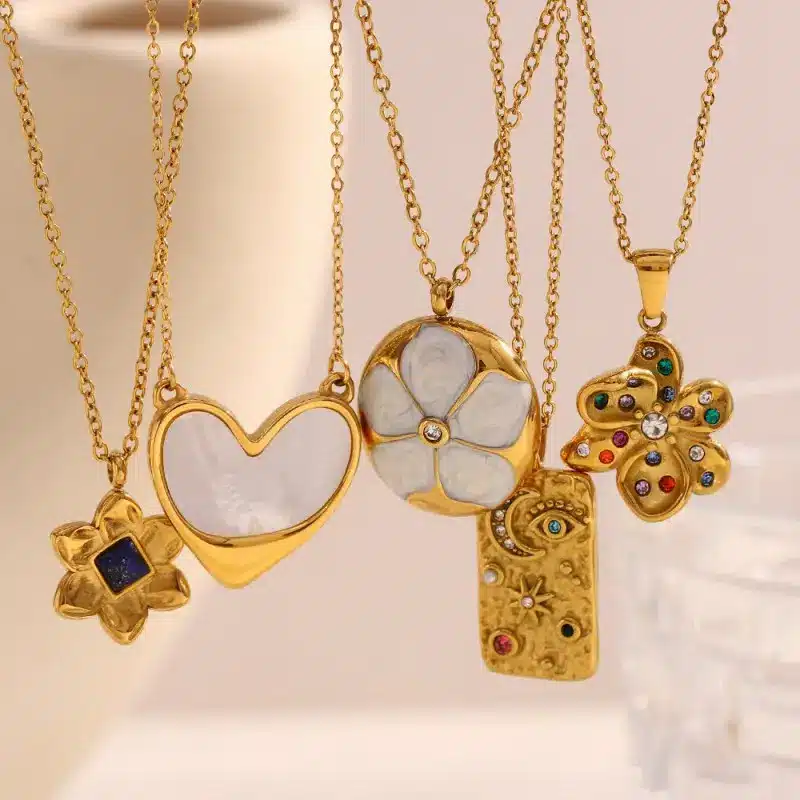
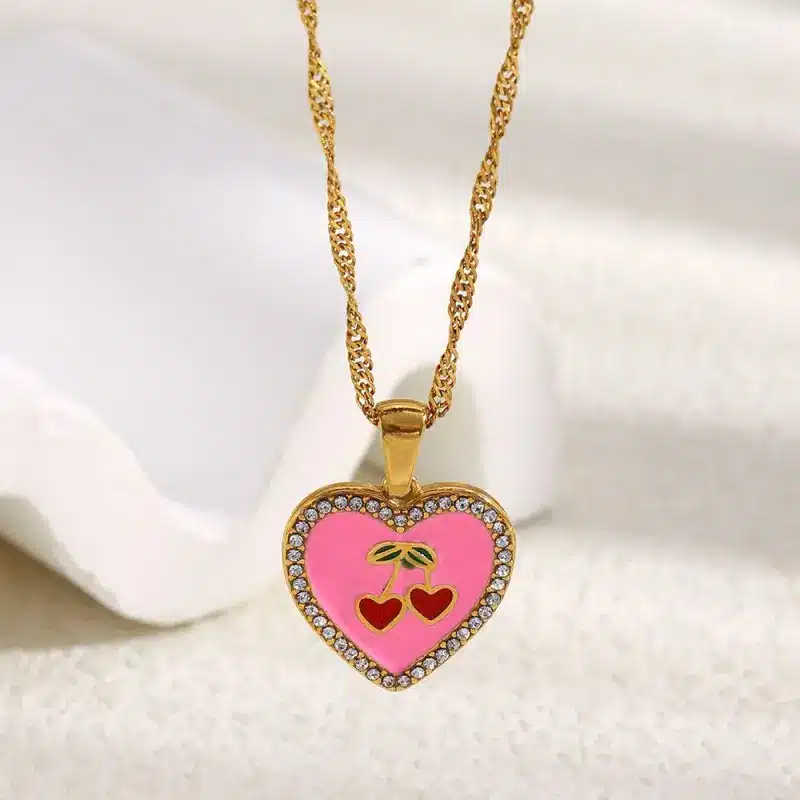
Add color to charms, pendants, rings and earrings. We review the metal outline, fill depth and color with you, then make a sample so you can check the result before production.
Clean borders and consistent recesses help enamel sit neatly in the design. The metal, filling material and curing method need to be chosen together.
A physical sample shows the color, transparency, fill level and surface far more clearly than a screen reference.

The construction and enamel system determine which metals and finishing steps are suitable. Confirm these details during development.
The order of filling, curing, setting and plating depends on the materials. We agree the route for the design and check the finished sample before production.


Check the width of metal borders, recessed areas and any small details that separate the colors.

The tooling route follows the metal and construction. Confirm the development charges and sample schedule before work begins.

Cast, machine or form the piece as the design requires. The surface should be clean and the color areas clearly defined.

Send a physical reference or a color code as a starting point. Approve the actual cured sample, since transparency, gloss and lighting affect the appearance.

Apply the selected enamel within the metal borders. Check the fill level and look for bubbles or uneven edges.

Resin enamel is cured; vitreous glass enamel is fired. They are different materials and processes. Confirm which system is being supplied for your project.

Setting and assembly are planned around the enamel and finish. Heat-sensitive components need particular care.

Review the enamel, plating and assembly together. The approved sample should show the complete piece as it will be ordered.
Use the approved sample to define the expected color, fill level and surface. Agree the acceptance criteria before production.
Inspect the color areas for bubbles, gaps and uneven filling against the approved reference.
Check the transition between enamel and metal, including sharp edges, excess material and surface defects.
Compare the cured finish with the approved sample under agreed lighting, including matching across pairs.
These details help us review a design and prepare a useful quotation.
Our standard starting point is 100 pieces per design and color. For earrings, confirm whether the quotation is in pieces or pairs. The design and tooling can affect the workable quantity.
Allow about 25–30 days for brass or silver samples and 25–35 days for stainless steel samples. Bulk production usually takes 35–45 days after approval. We confirm the final schedule for the order.
Send the effect you want, including whether the color should be opaque, translucent or graduated. We review which filling system and construction can achieve it before confirming the project.
A Pantone or other color code is a useful starting reference. Approve a cured physical sample for the final shade, transparency and gloss.
We coordinate the metalwork, filling and finish around the design. Contact us to discuss the production steps and arrange a factory visit or video review.
Yes. Send a drawing or reference image with dimensions and the intended color areas. We can review the border widths, recesses and construction before sampling.
Ask about the material and process, not just the name. Vitreous enamel uses fired glass, while resin enamel is cured. Raised borders and fill depth also change the feel of the finished surface.
Capacity and delivery depend on the number of styles, colors and filling steps. Share your quantity and required delivery date so we can confirm a production plan.
Stainless steel, brass and sterling silver can offer different design options. We confirm compatibility with the chosen enamel, coating and curing process before quoting.
Tell us the destination market and intended use. Any required chemical or durability testing should be agreed for the finished piece; a material description alone does not prove compliance.
Send a sketch, dimensions, color references and expected quantity. We will review the construction and sample requirements with you.
Contact Information: Email us: or whatsapp +86 13712881172
for immediate assistance