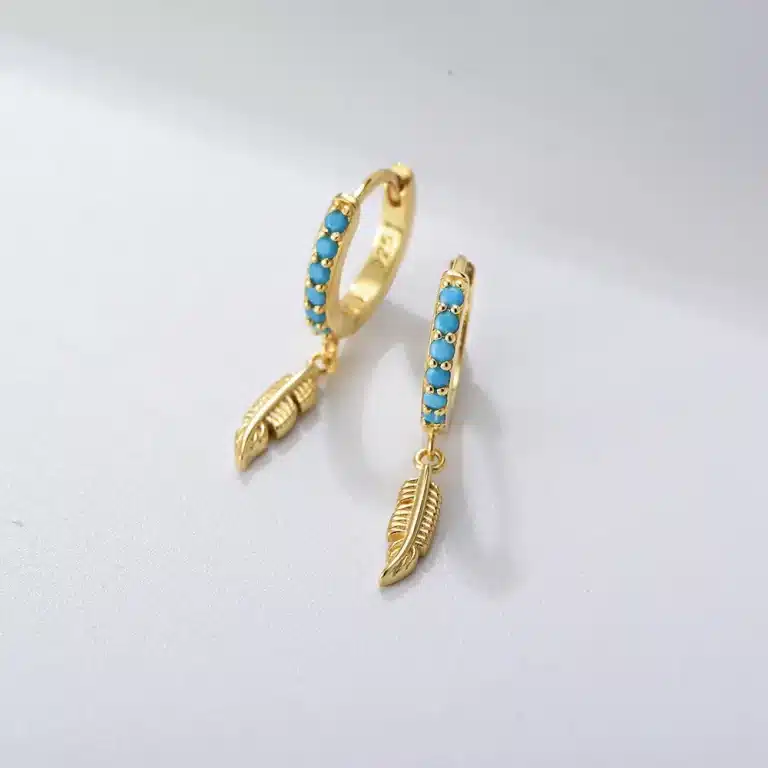
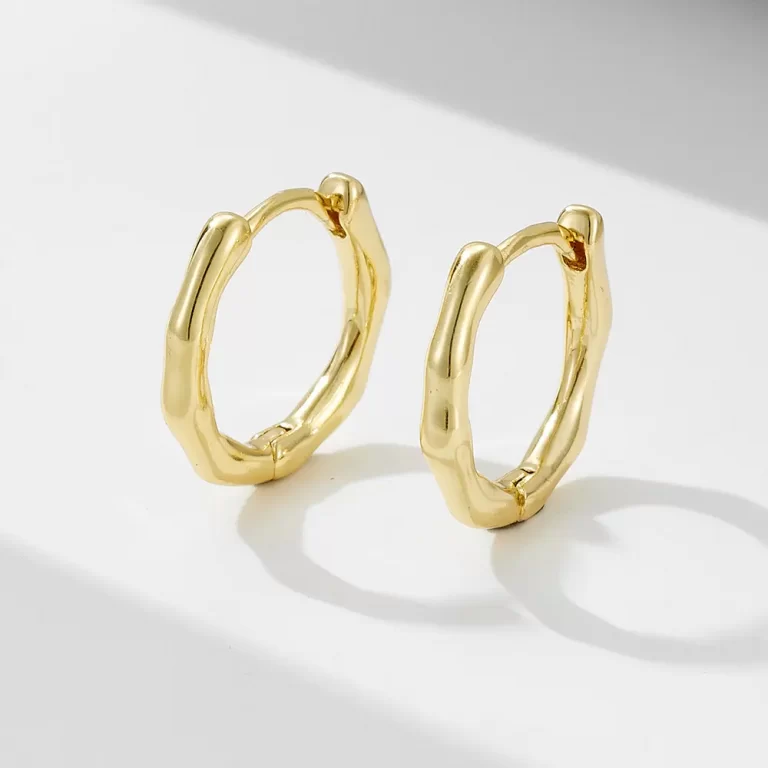
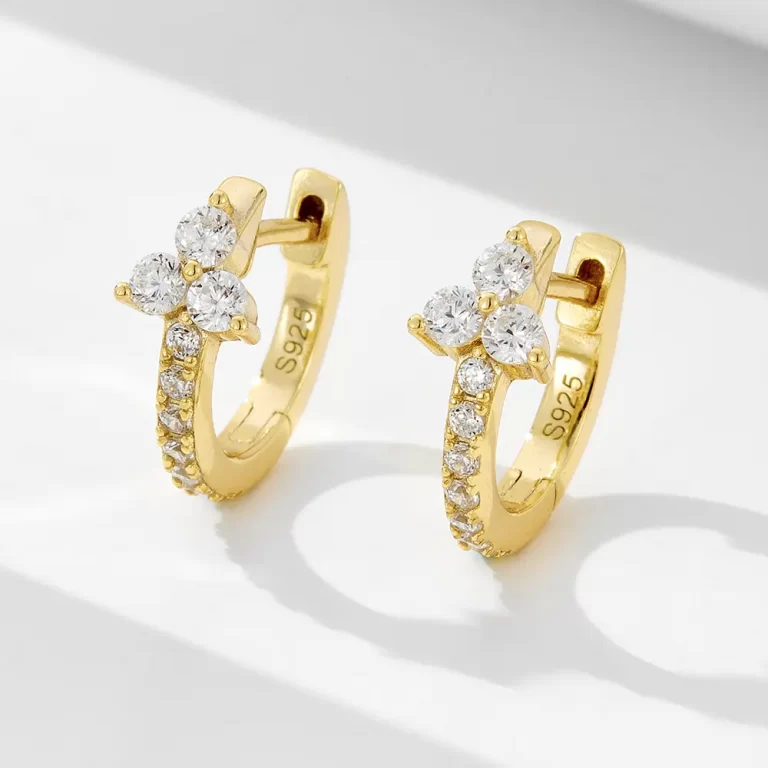
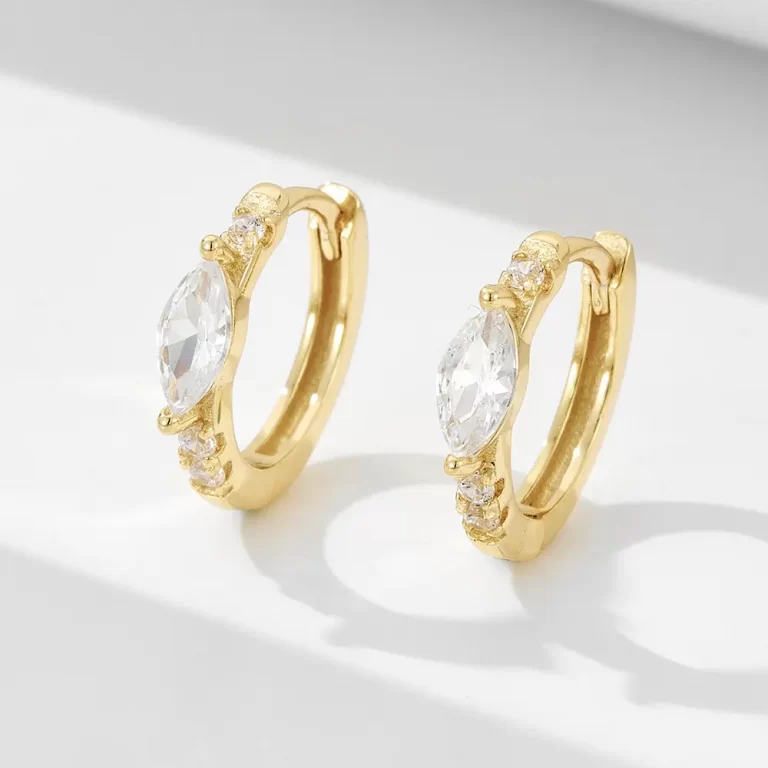
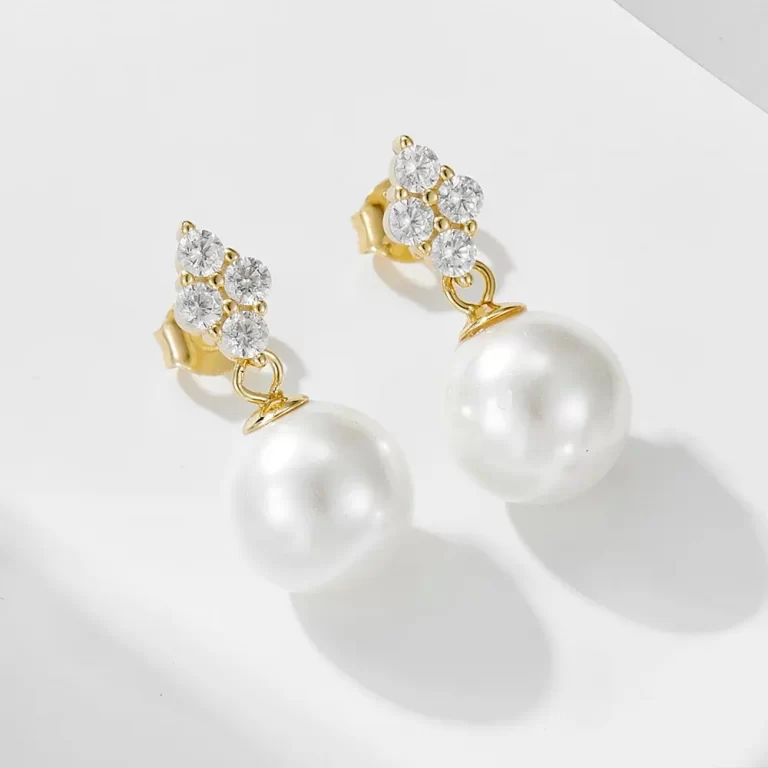
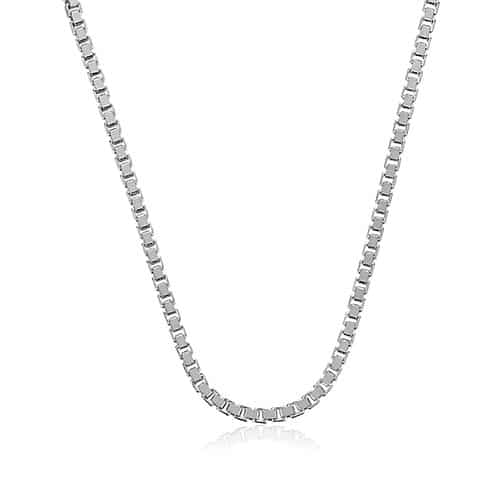
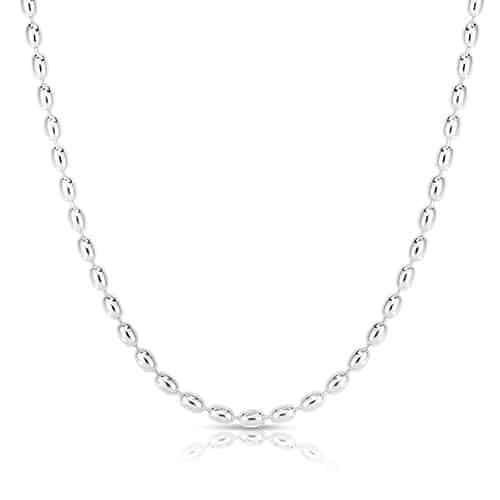
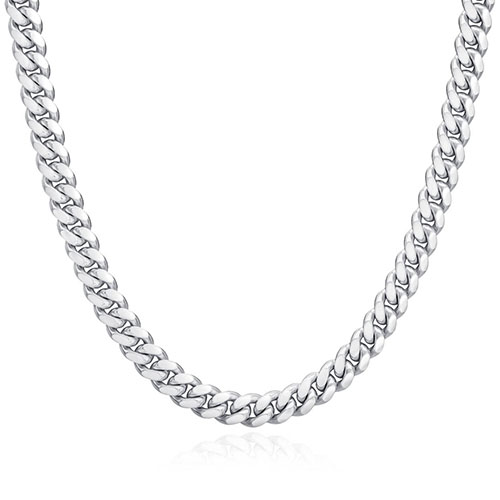
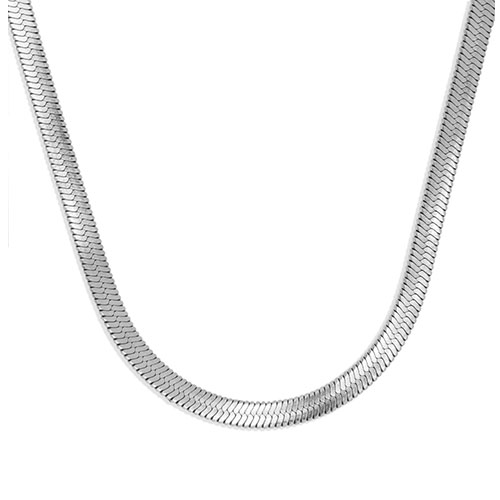
Sterling silver contains 92.5% silver. It can be cast, formed, polished and plated for a range of designs, from fine chains to sculptural rings. We review weight, construction and finish before making your sample.
925 sterling silver as the base metal
Polished, textured or plated finishes
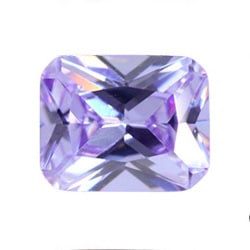
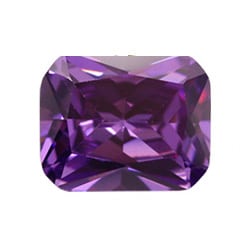
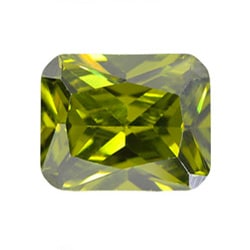
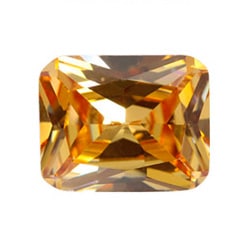
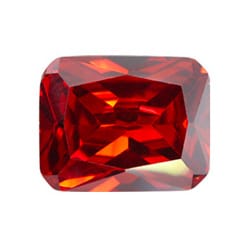
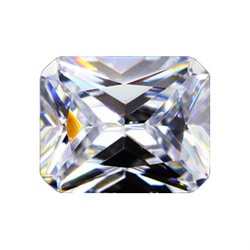
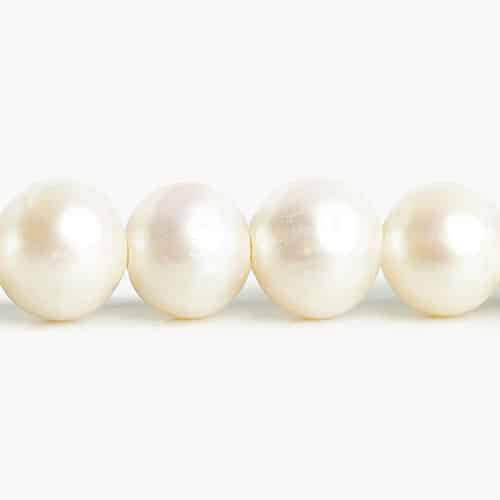
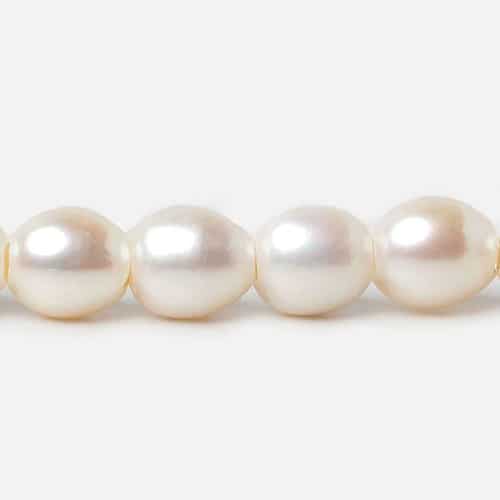
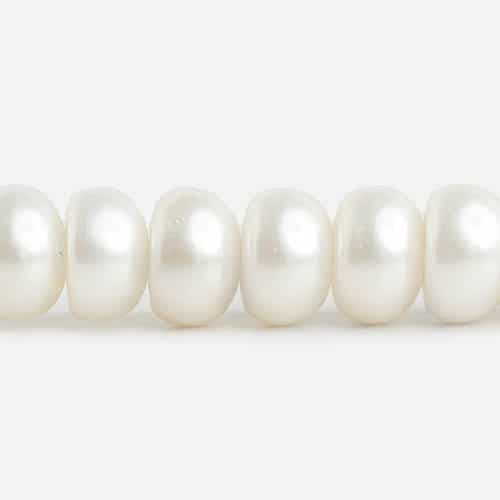
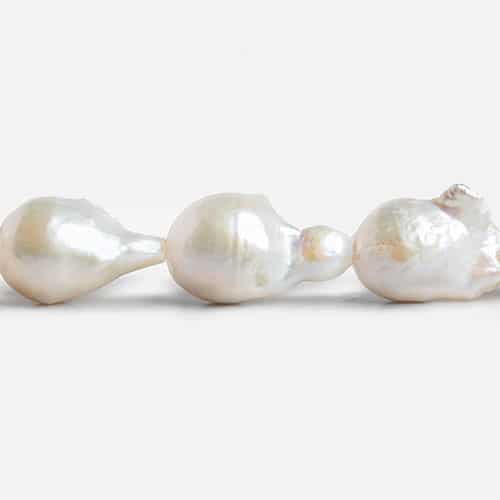
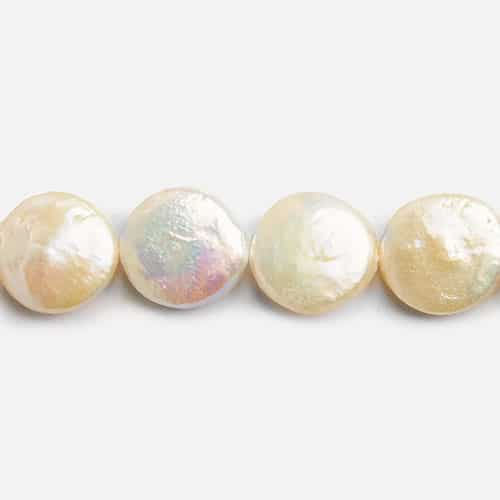
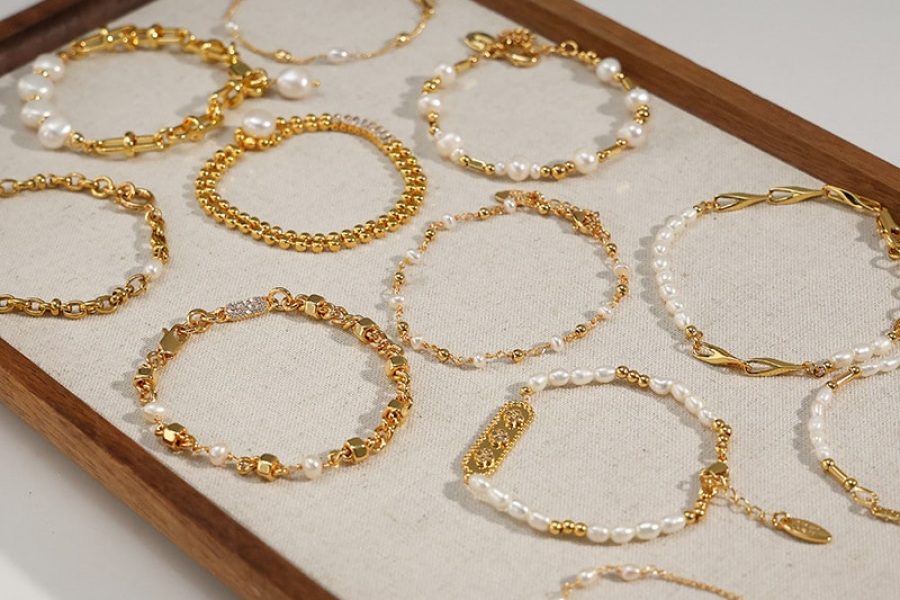
Stone and pearl settings
Samples before bulk production
Work through the details before sampling
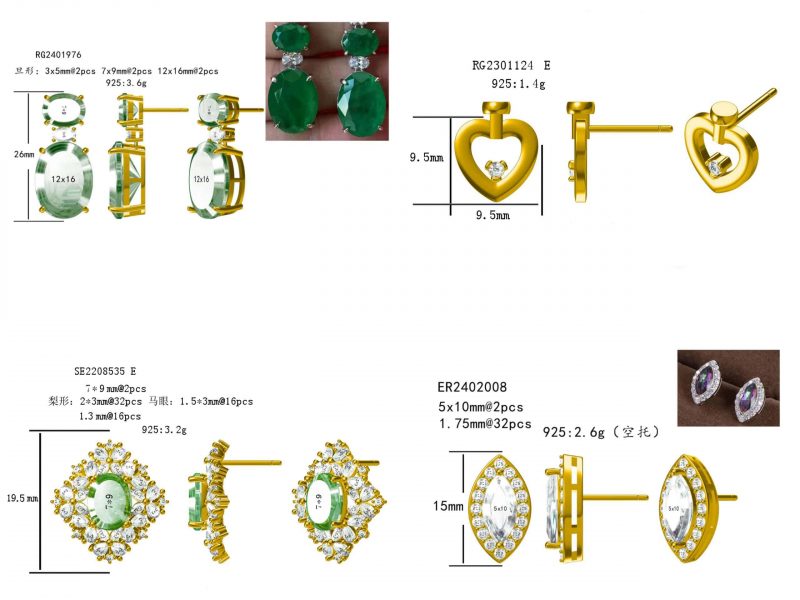
Small changes in thickness or setting height can alter the weight, feel and cost of a silver piece. We review the drawing with you and use the sample to check those decisions.
Browse our 925 sterling silver styles for a starting point, or send your own design. Tell us the sizes, finish and quantity you need for each style.
Necklaces and pendants
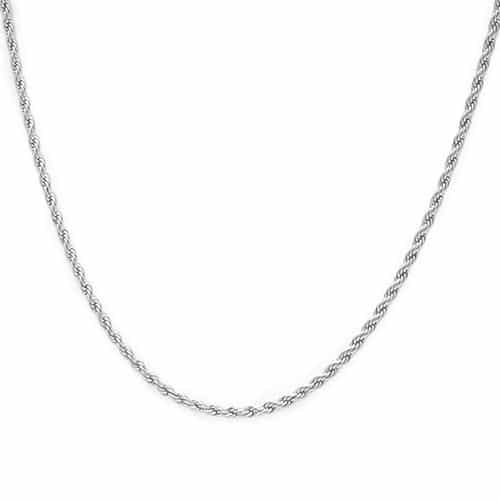
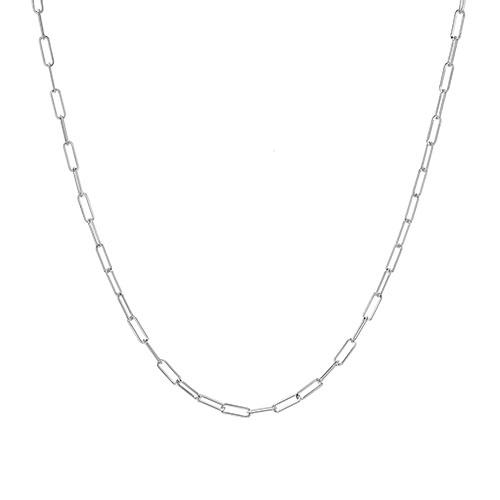
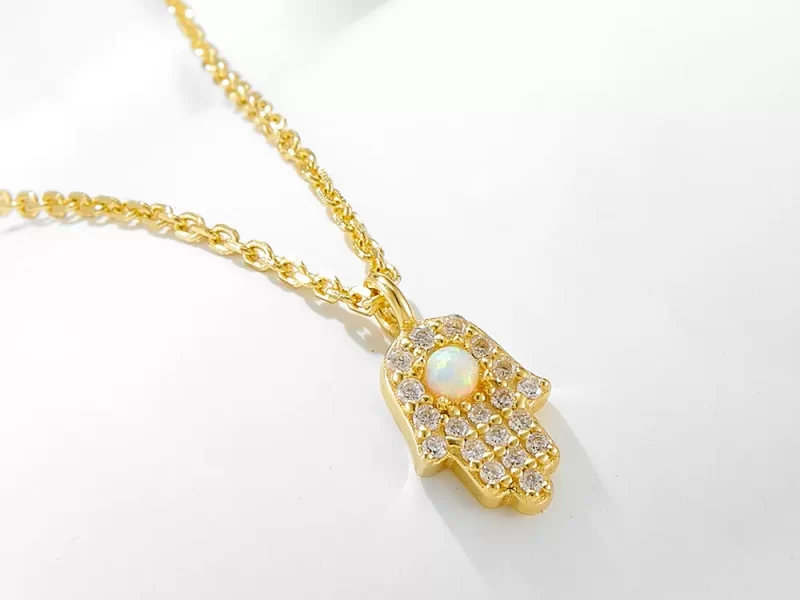
Choose the chain length, link profile and pendant proportions together. We check the pendant opening and clasp so the finished necklace hangs and fastens as intended.
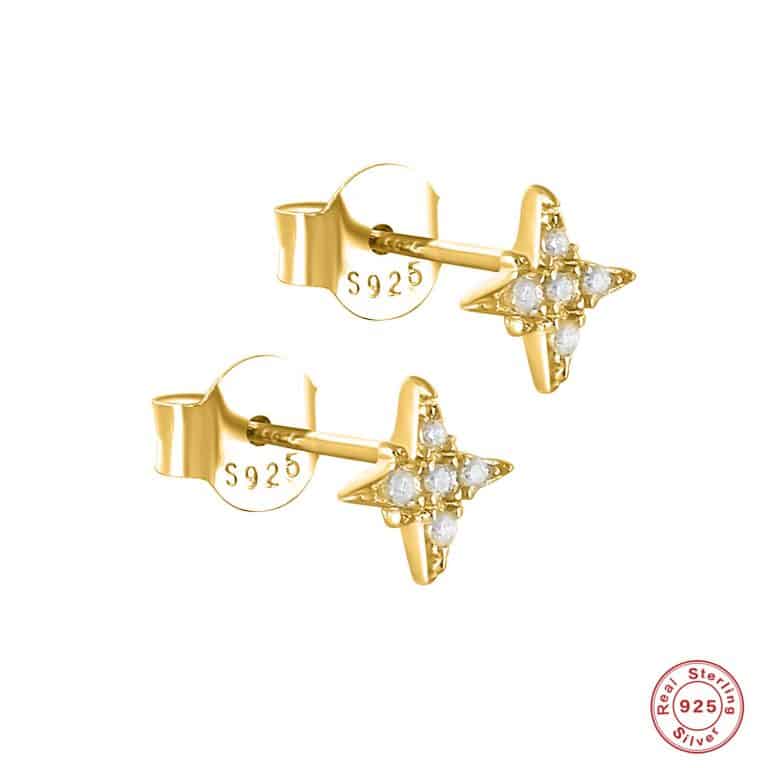
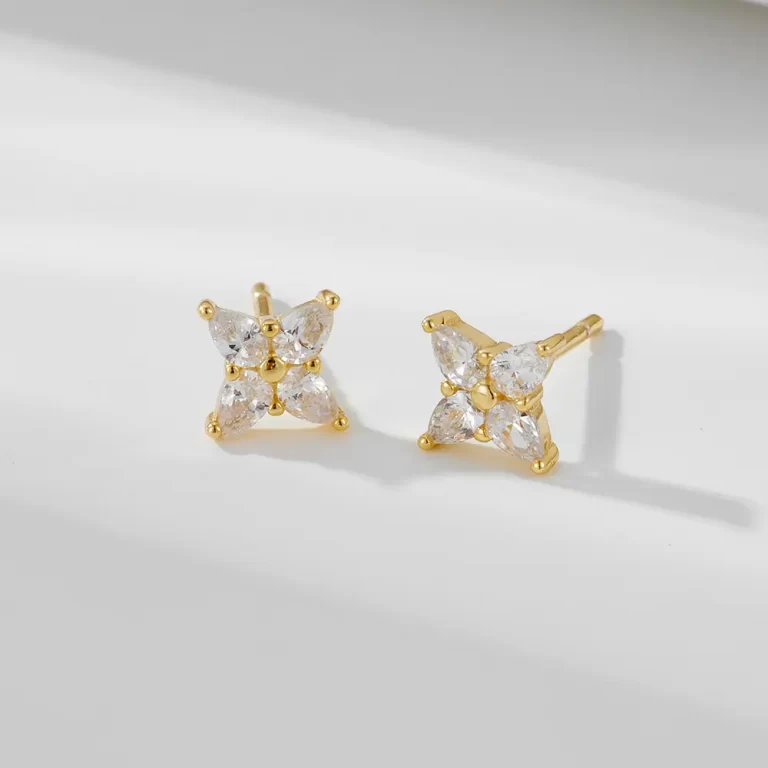
Gold-tone four-point star stud earrings set with small clear stones
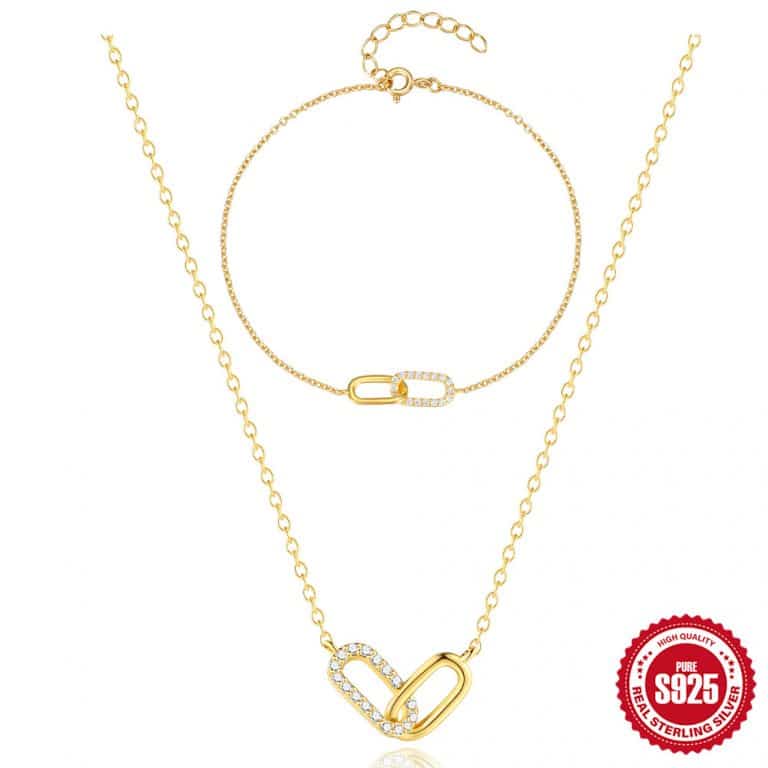
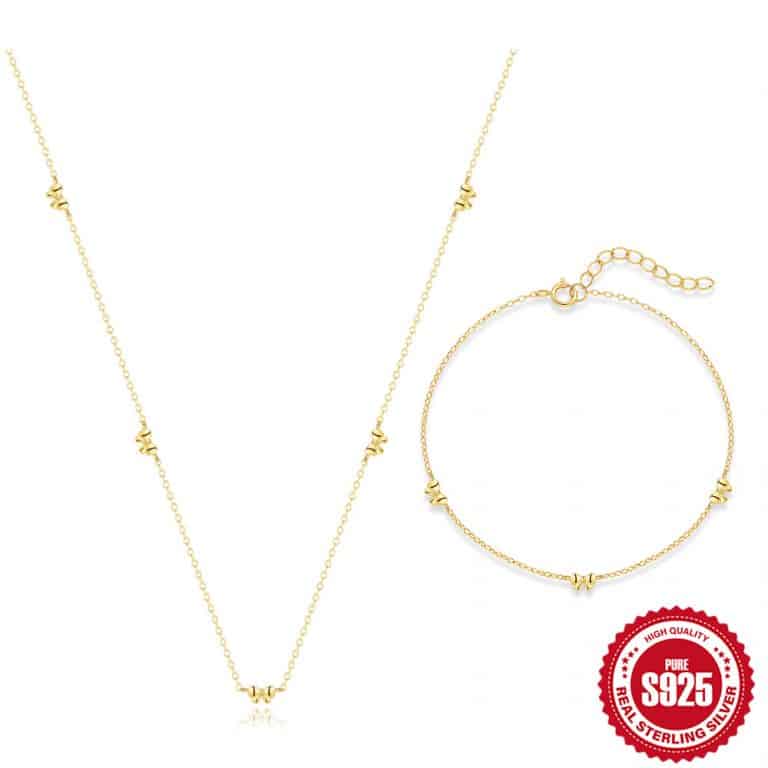
Gold-tone necklace and bracelet set with elongated open-link centerpieces
Fine gold-tone necklace and bracelet set with small star accents
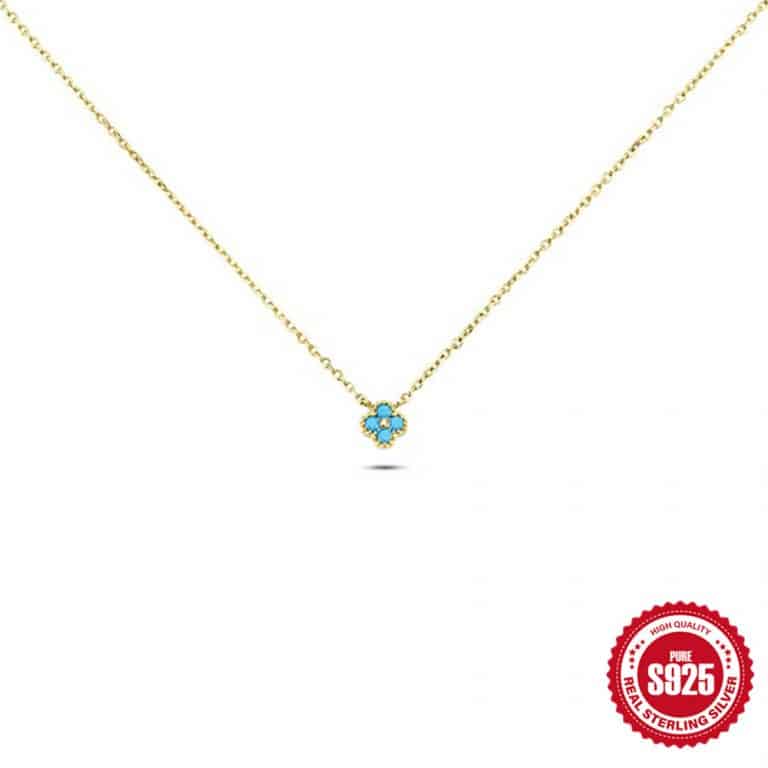
Fine gold-tone necklace with a small turquoise-colored flower pendant
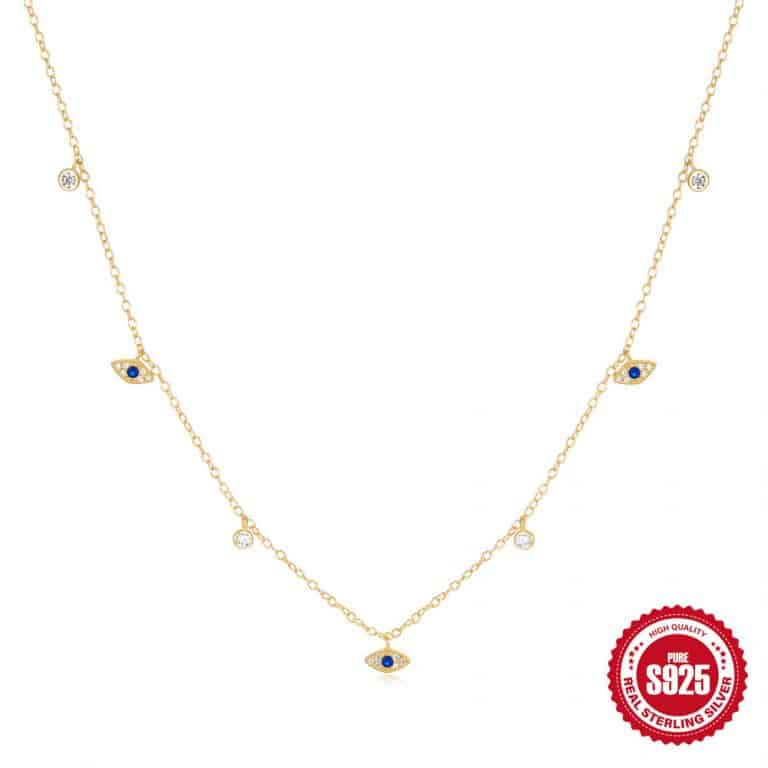
Fine gold-tone necklace with spaced round black and clear stone accents
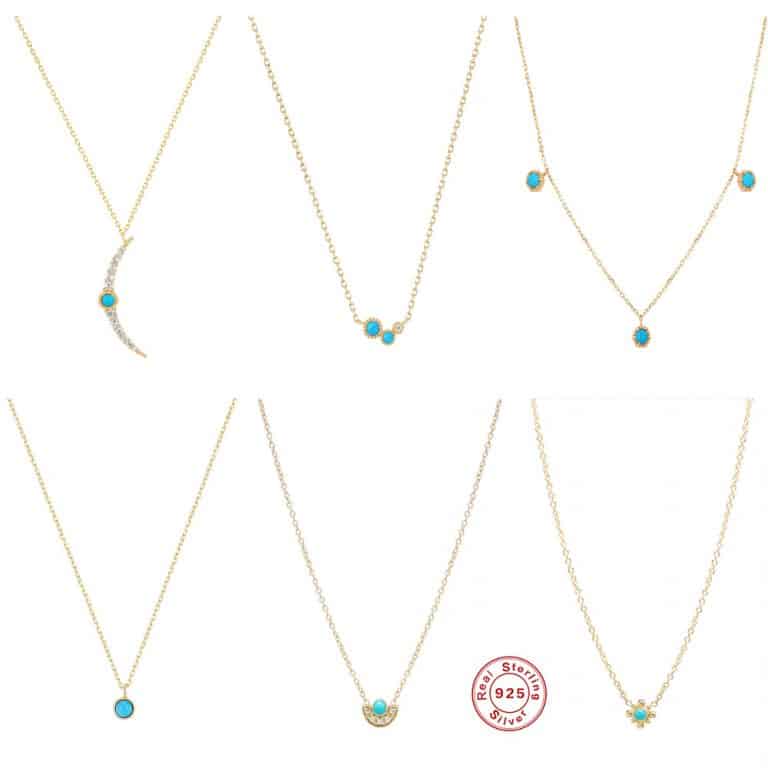
Six delicate gold-tone necklaces with turquoise-colored bead and pendant details
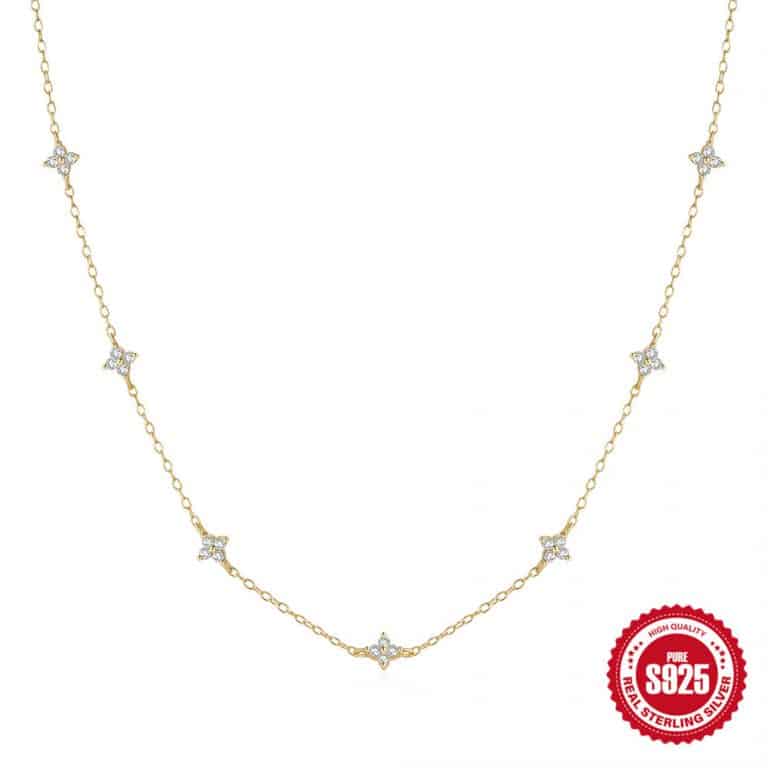
Fine gold-tone necklace with small clear-stone star accents
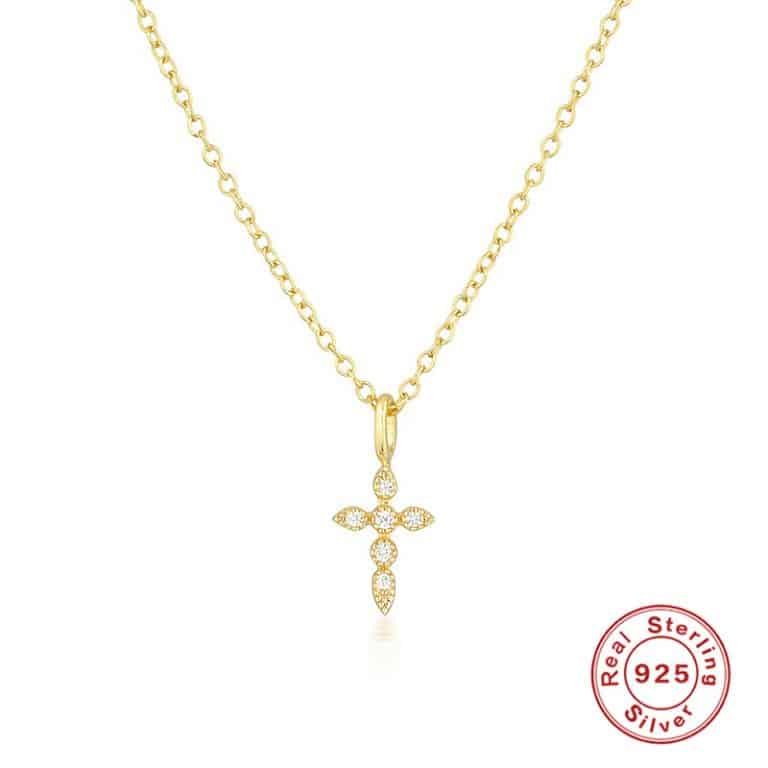
Gold-tone chain necklace with a small clear-stone cross pendant
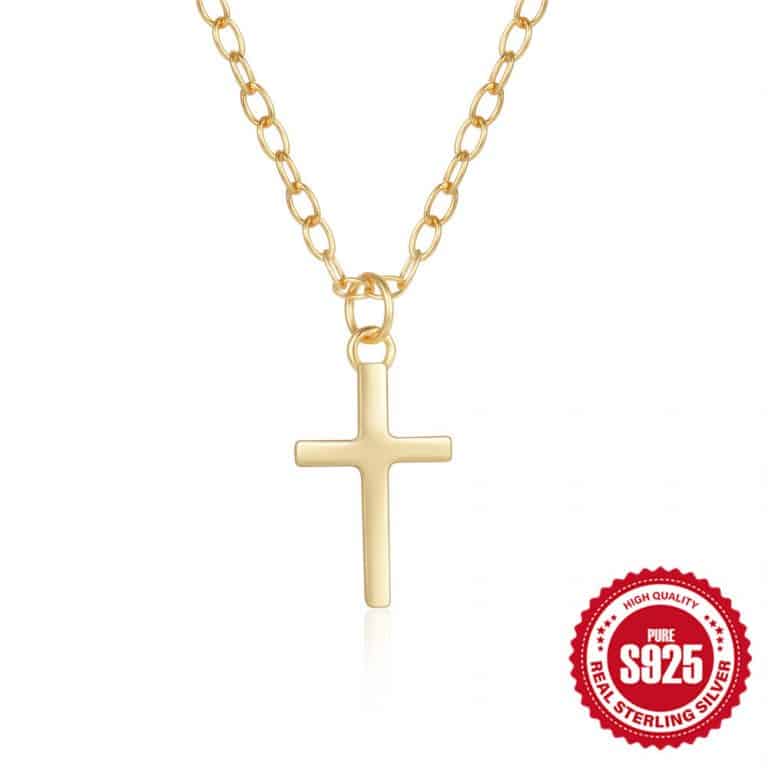
Gold-tone chain necklace with a plain cross pendant
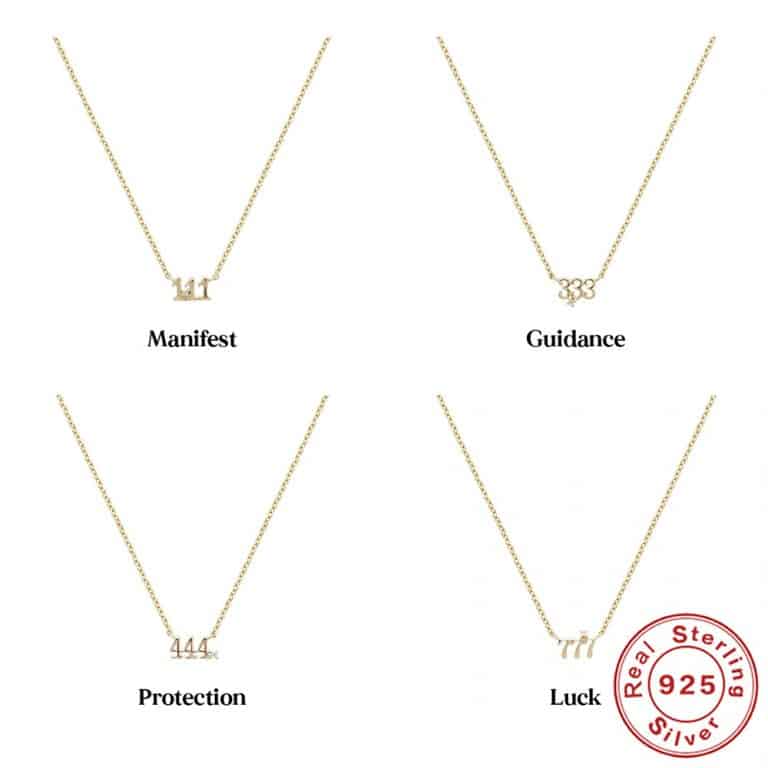
Gold-tone angel-number necklaces with 111, 333, 444 and 777 pendants
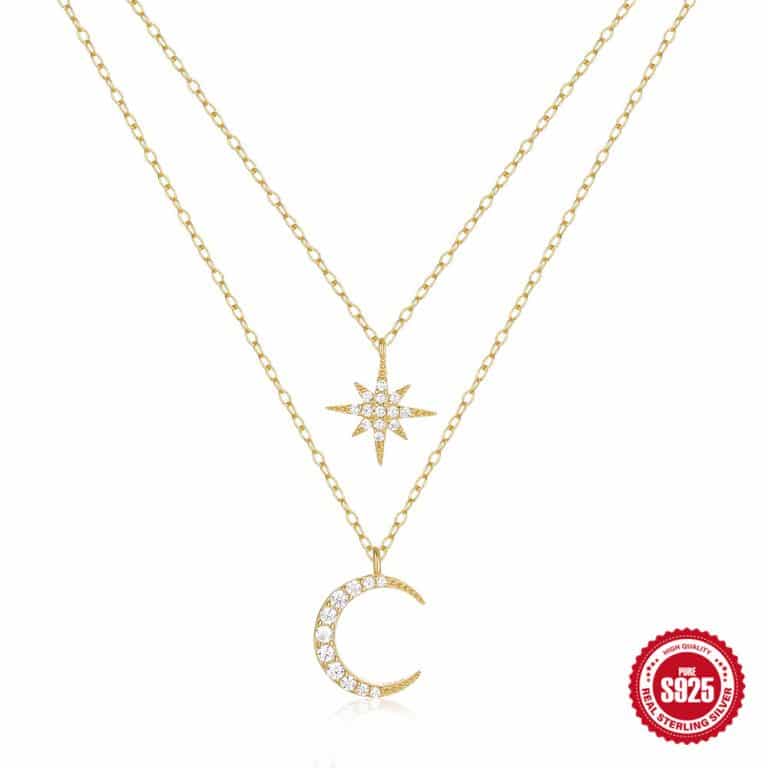
Layered gold-tone necklace with starburst and clear-stone crescent moon pendants
Earrings
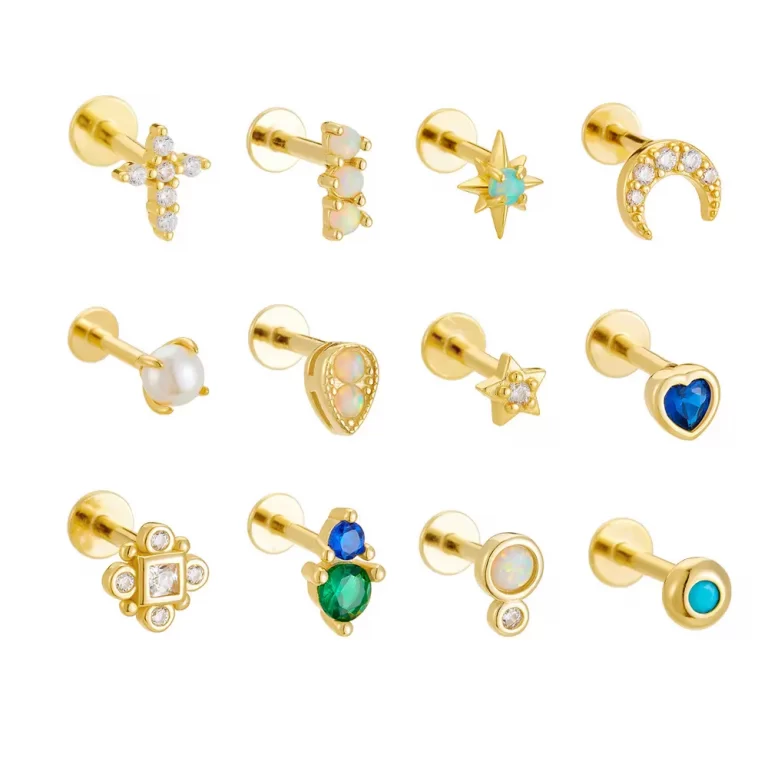
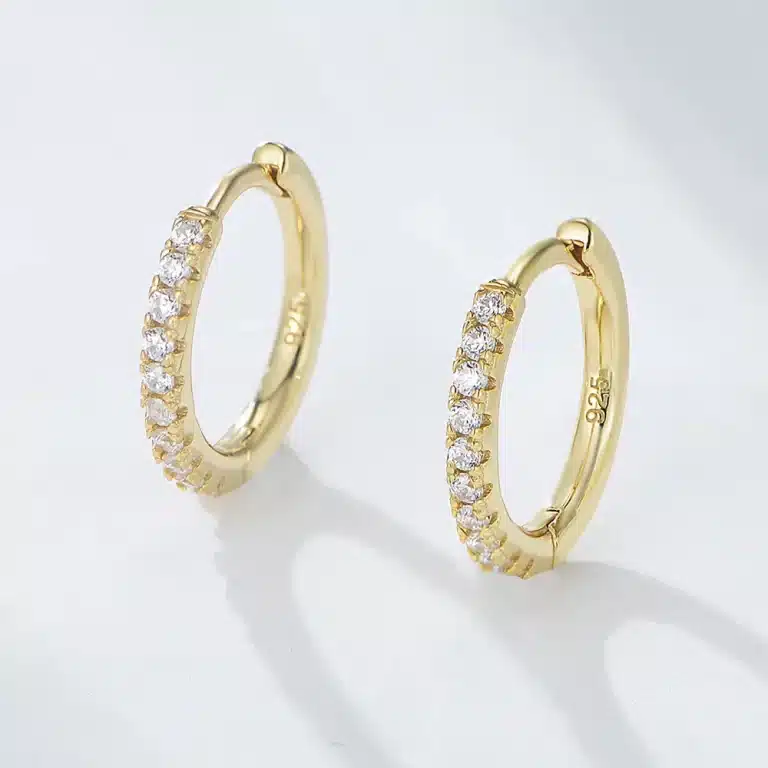
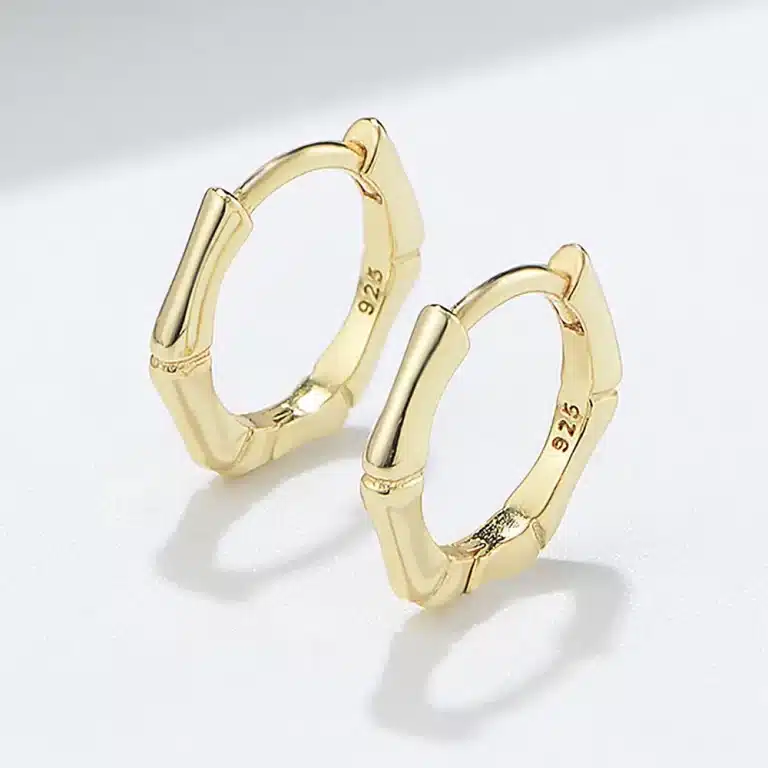
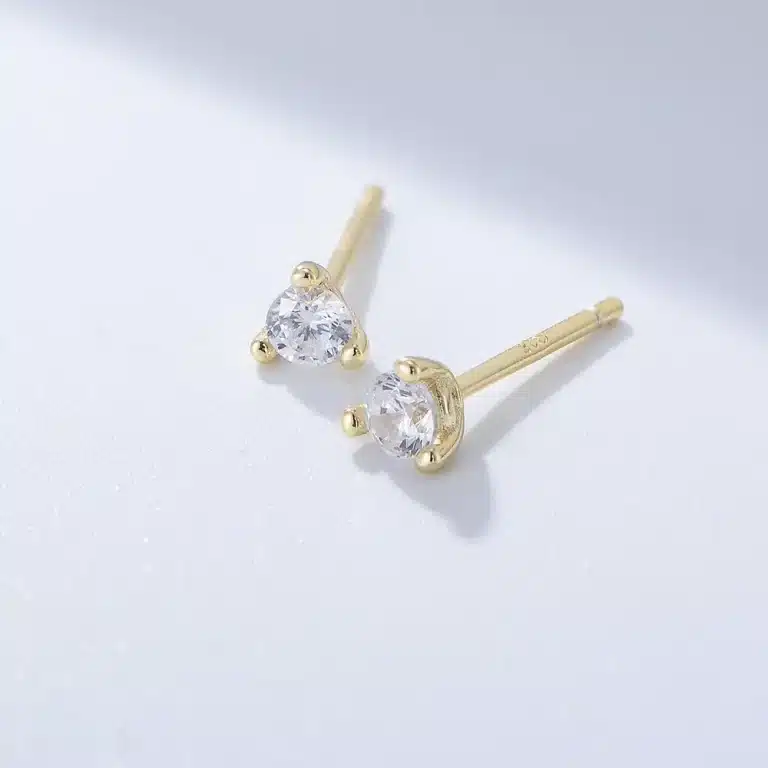
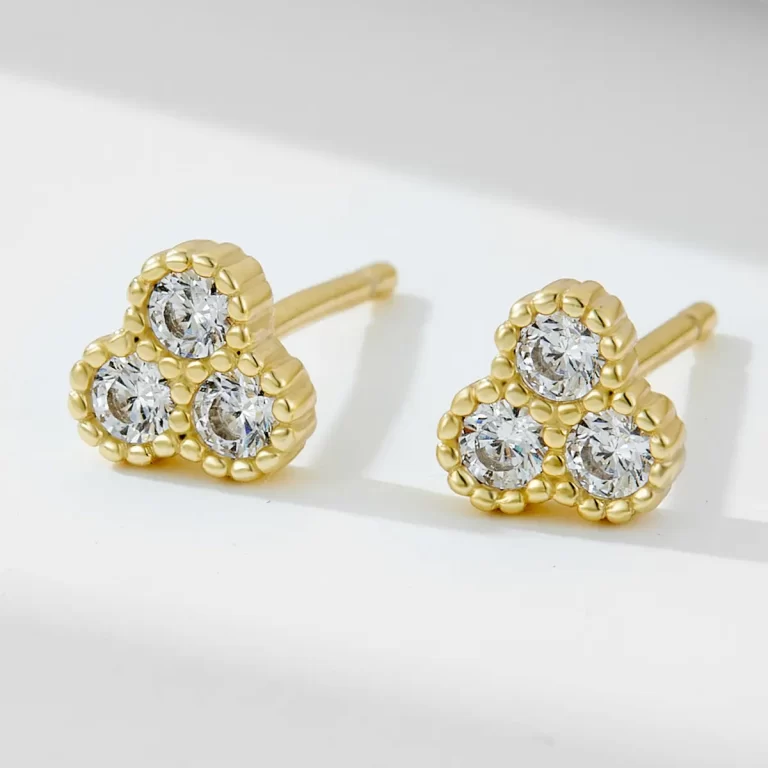
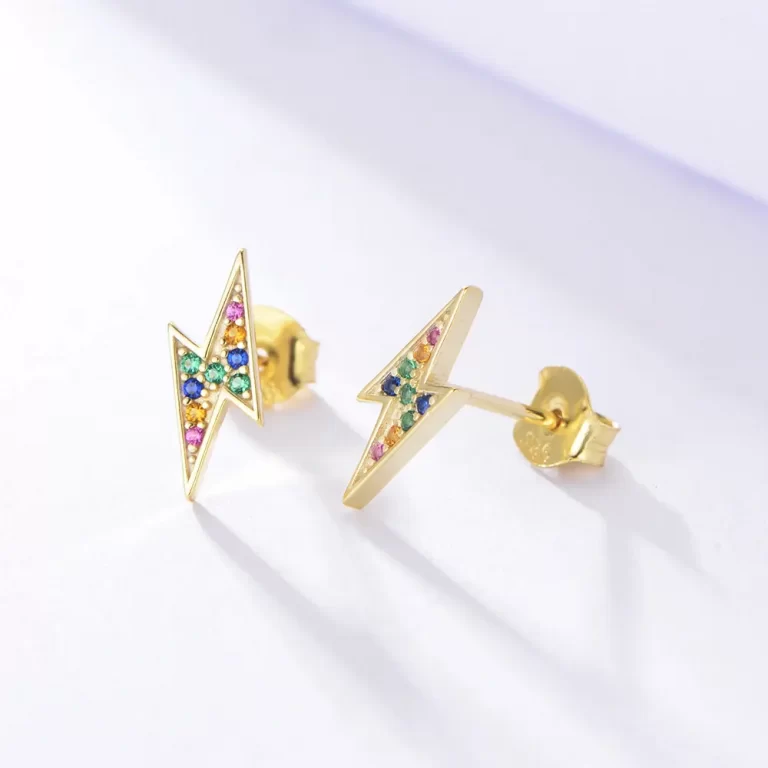
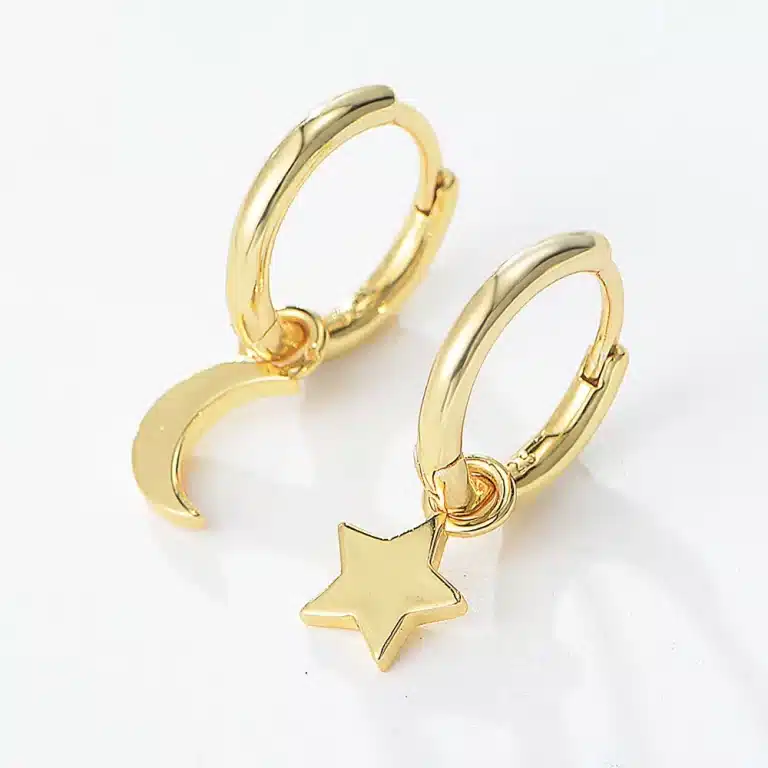
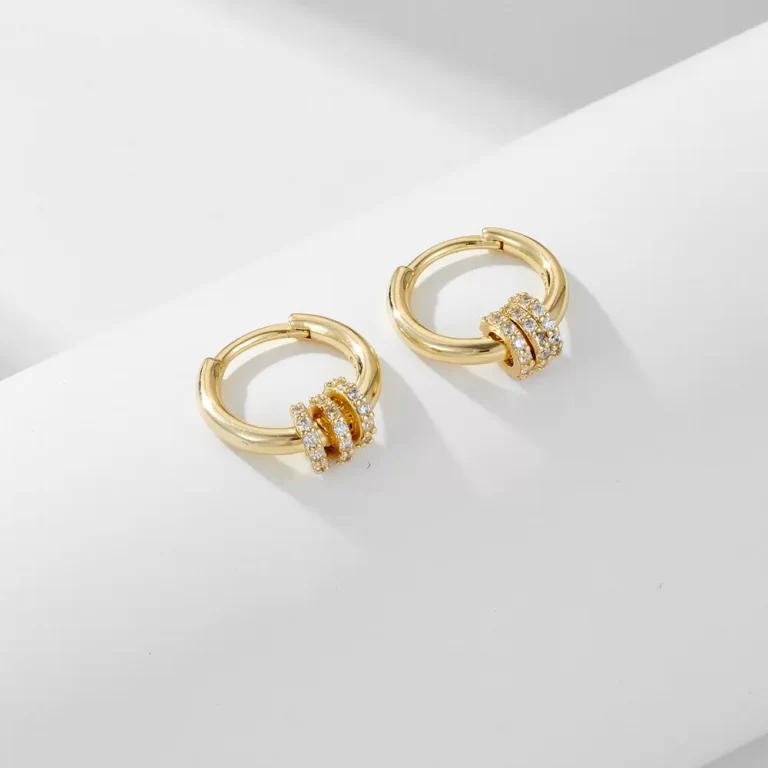
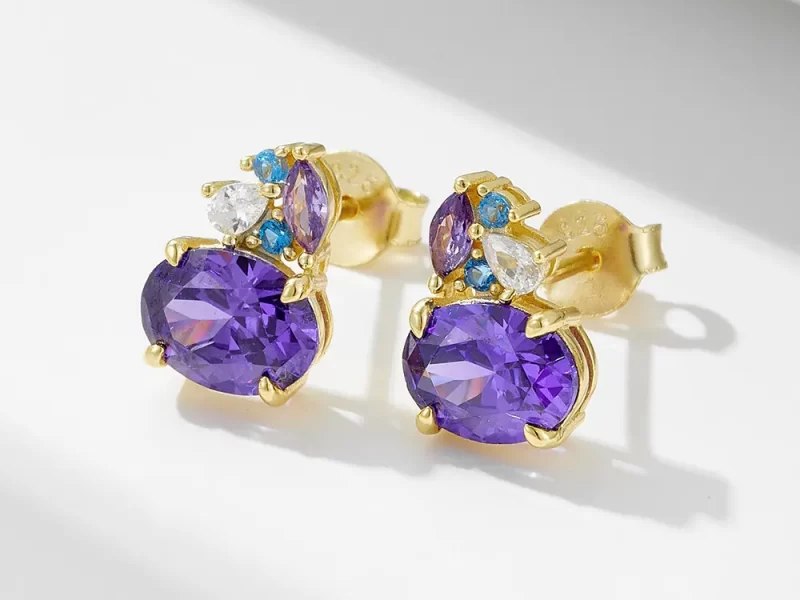
Compare studs, hoops and drop shapes, then refine the weight, post and closure. For paired designs, we also check size, color and stone matching across the pair.
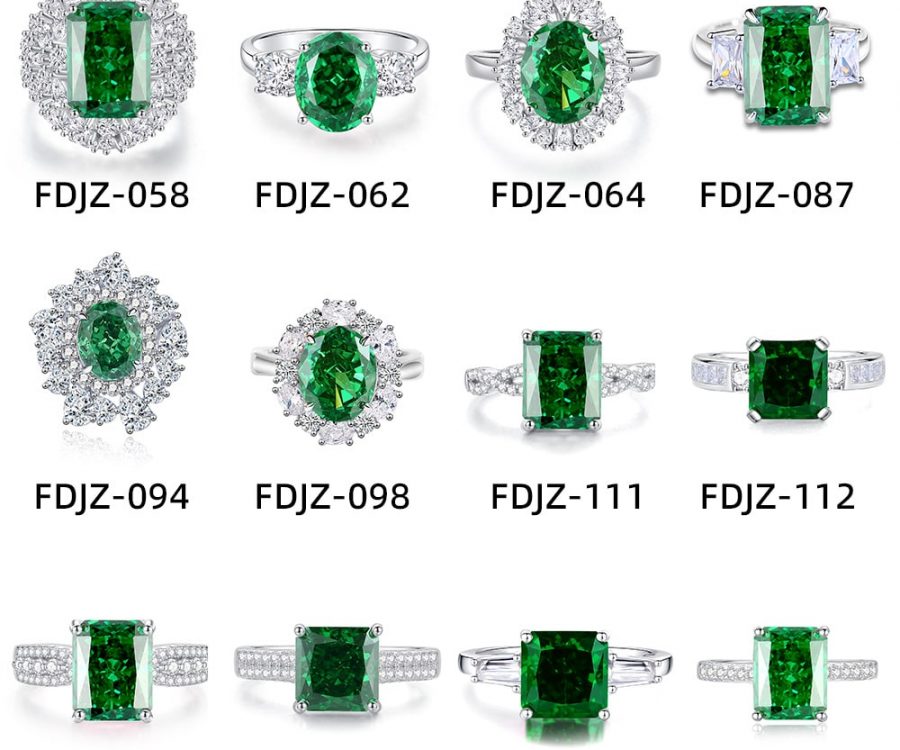
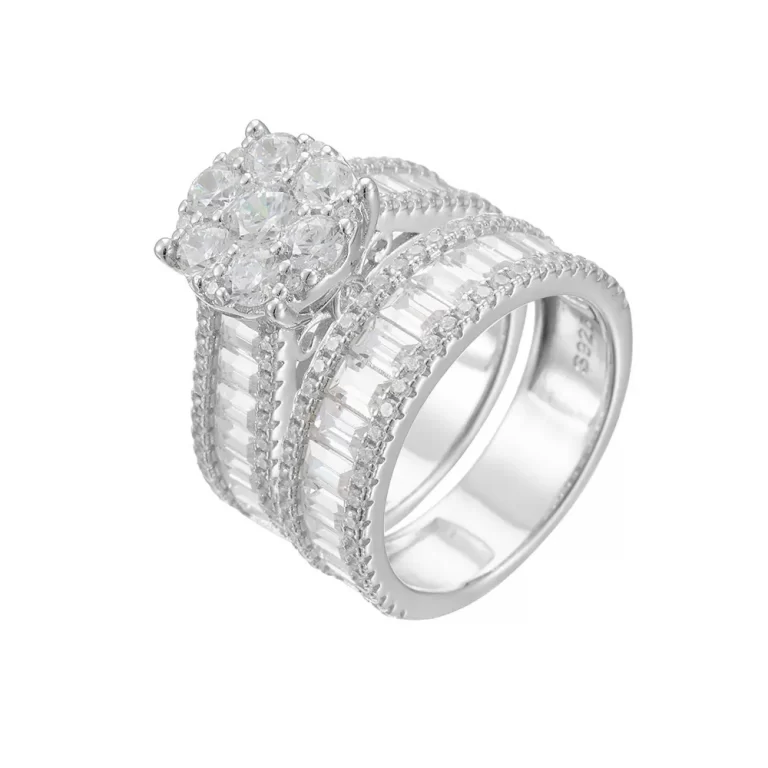
Silver-tone statement ring set with a large clear center and rows of smaller clear stones
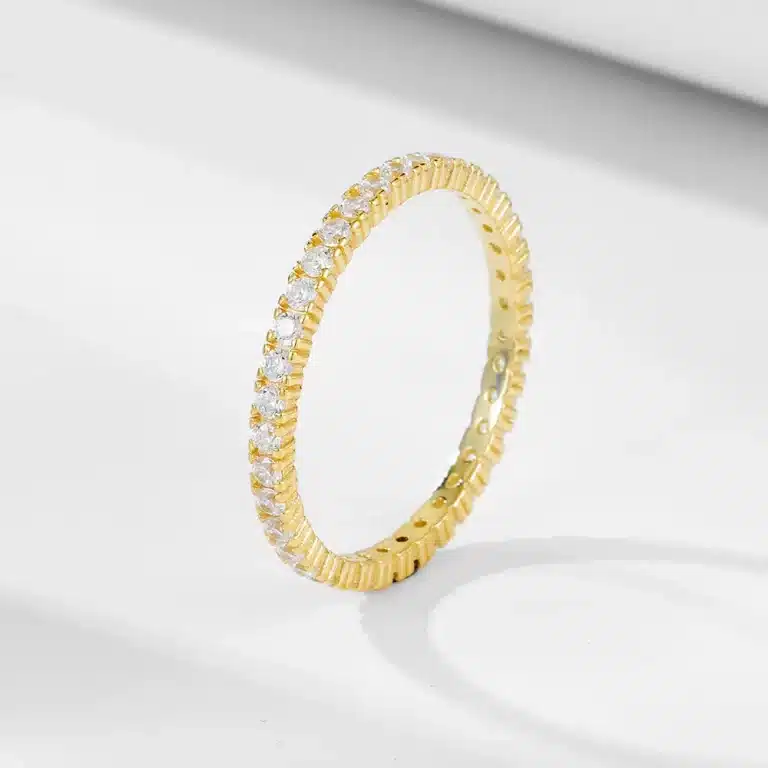
Slim gold-tone eternity ring with small clear stones around the band
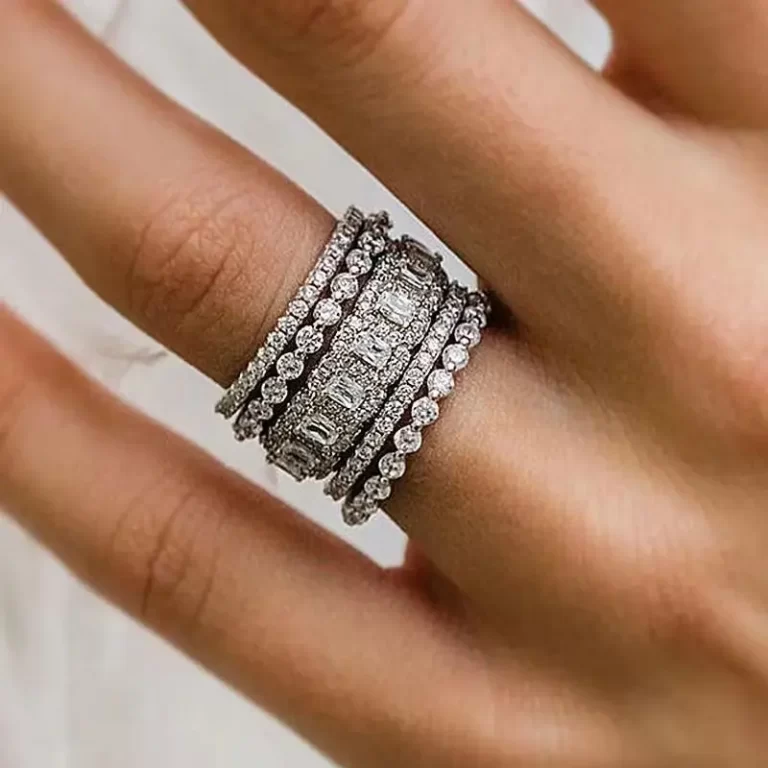
Wide silver-tone ring with rectangular clear stones and multiple halo rows worn on a hand
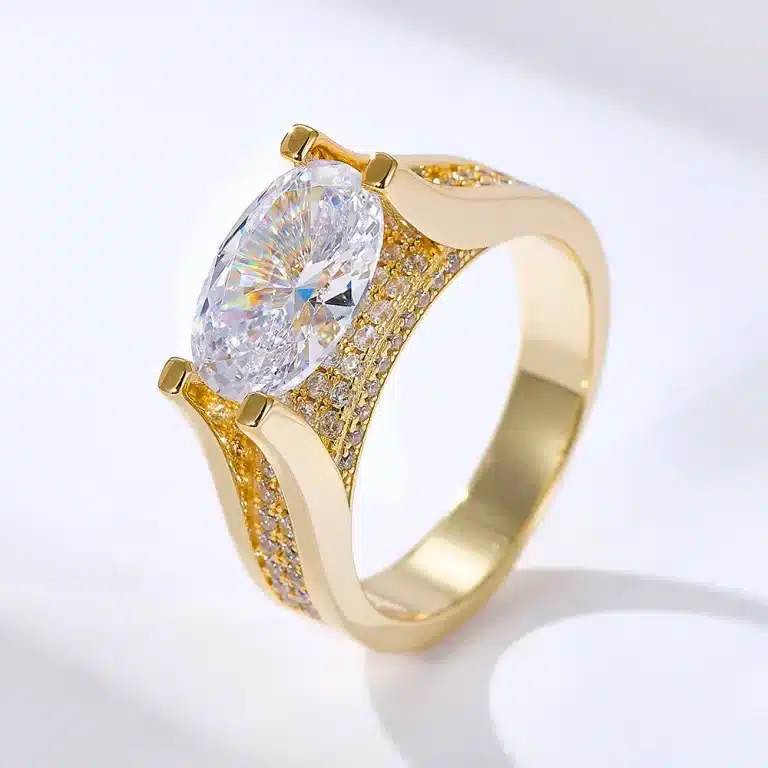
Gold-tone ring with a large oval clear stone and pavé split shoulders
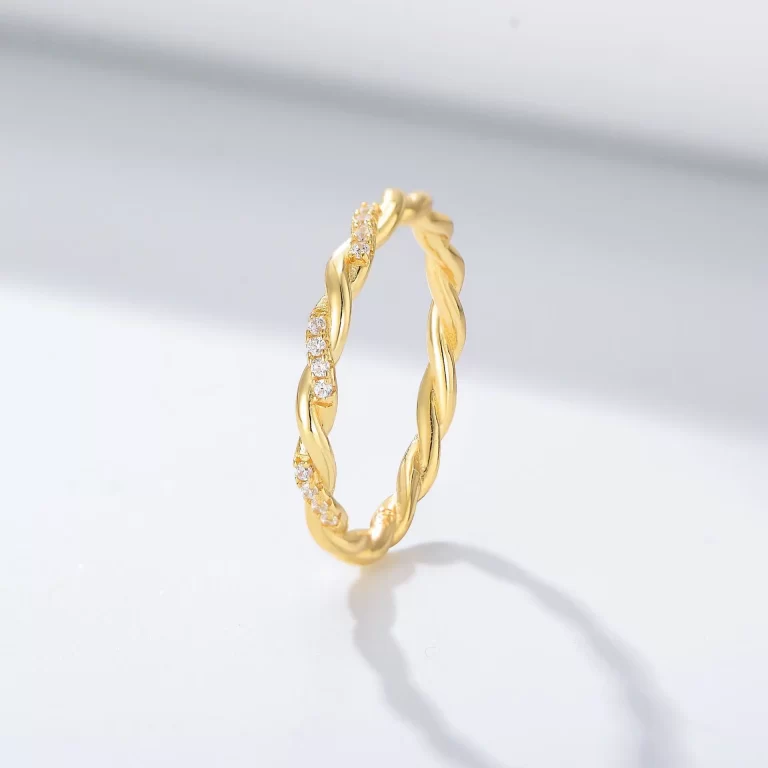
Slim gold-tone twisted rope band ring
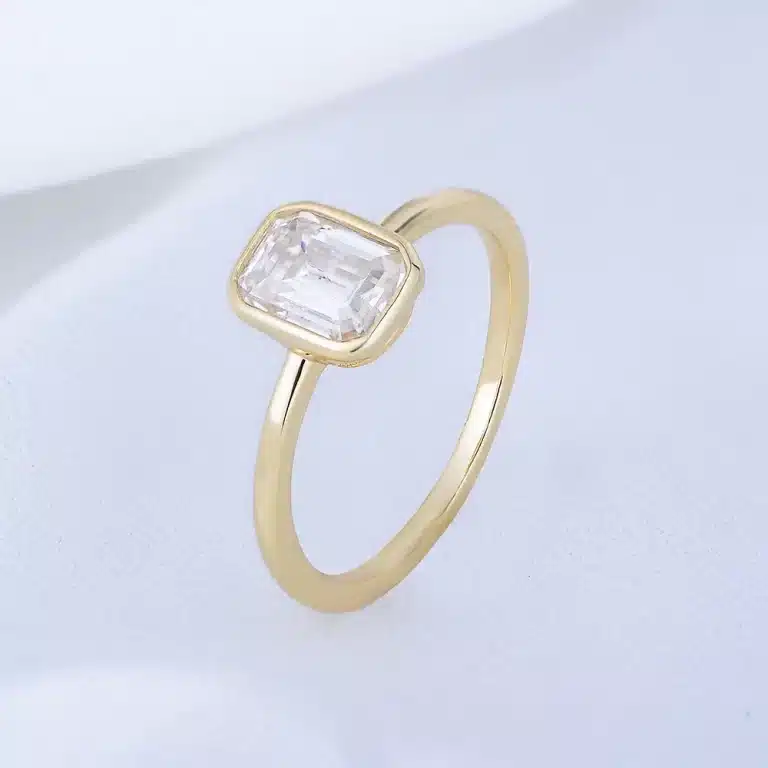
Slim gold-tone ring with a rectangular clear stone in a smooth bezel
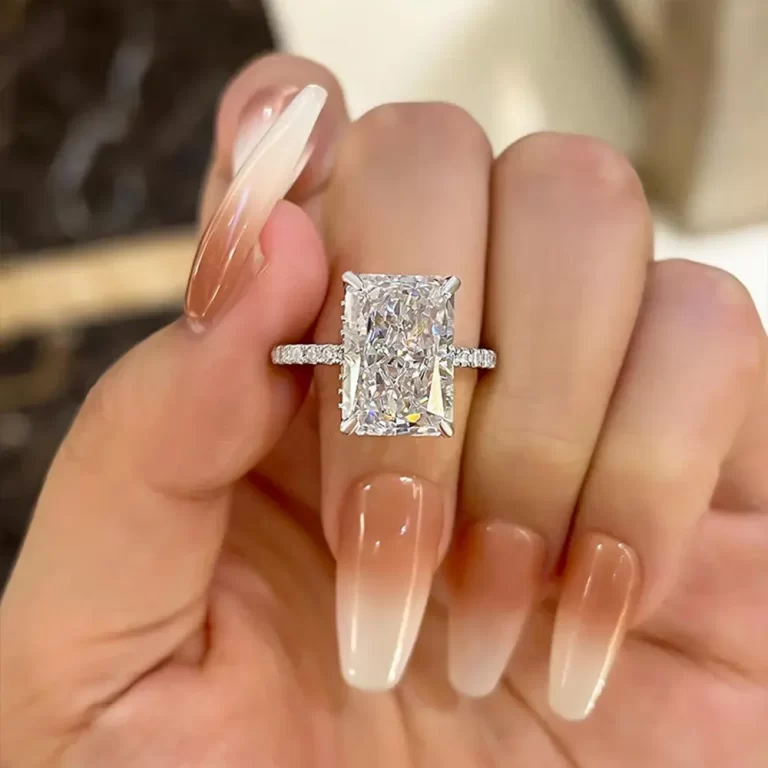
Silver-tone ring with a large rectangular clear stone and pavé band worn on a hand
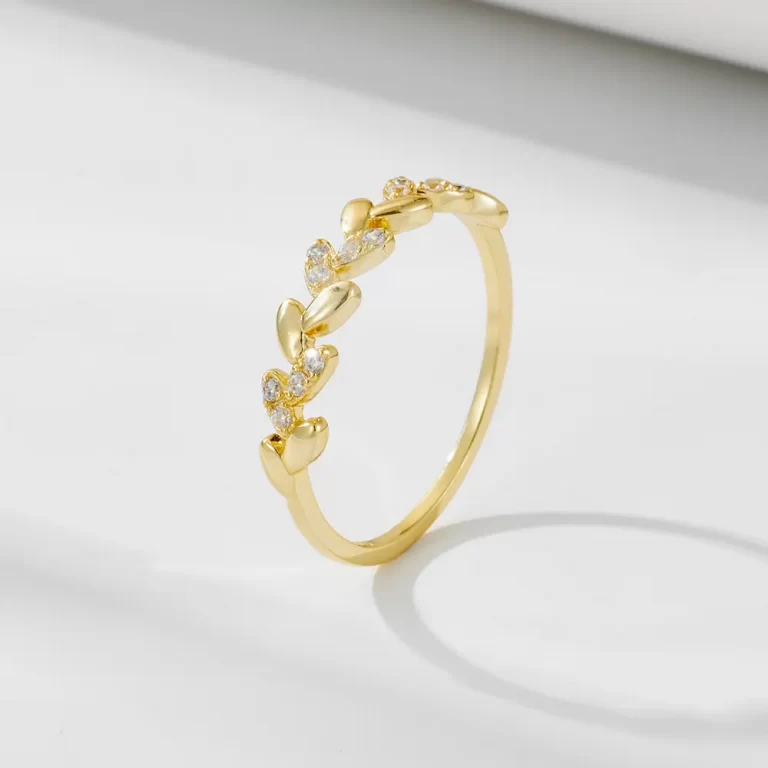
Gold-tone ring with small leaf-shaped details and clear-stone accents
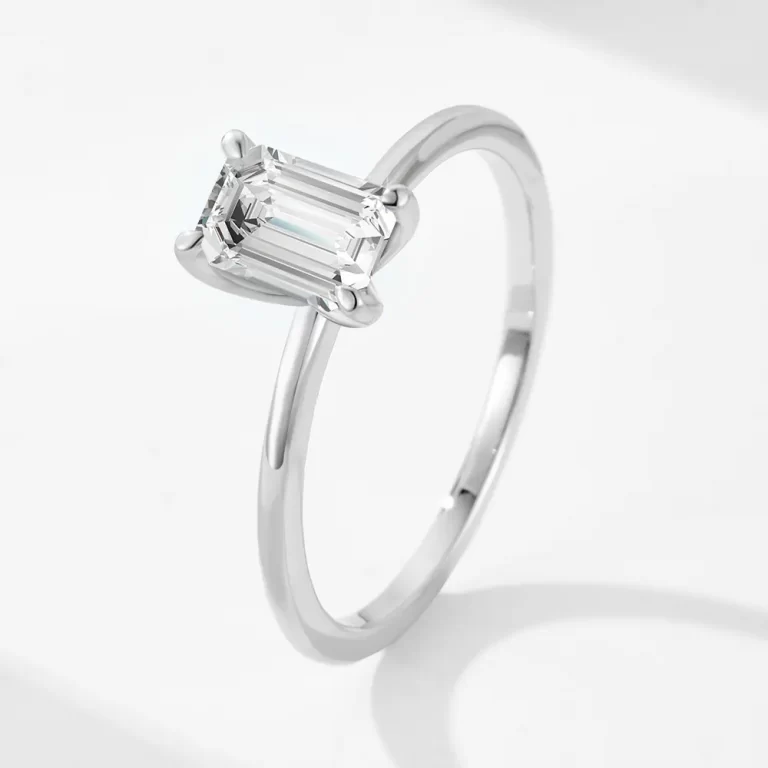
Silver-tone solitaire ring with a rectangular step-cut clear stone
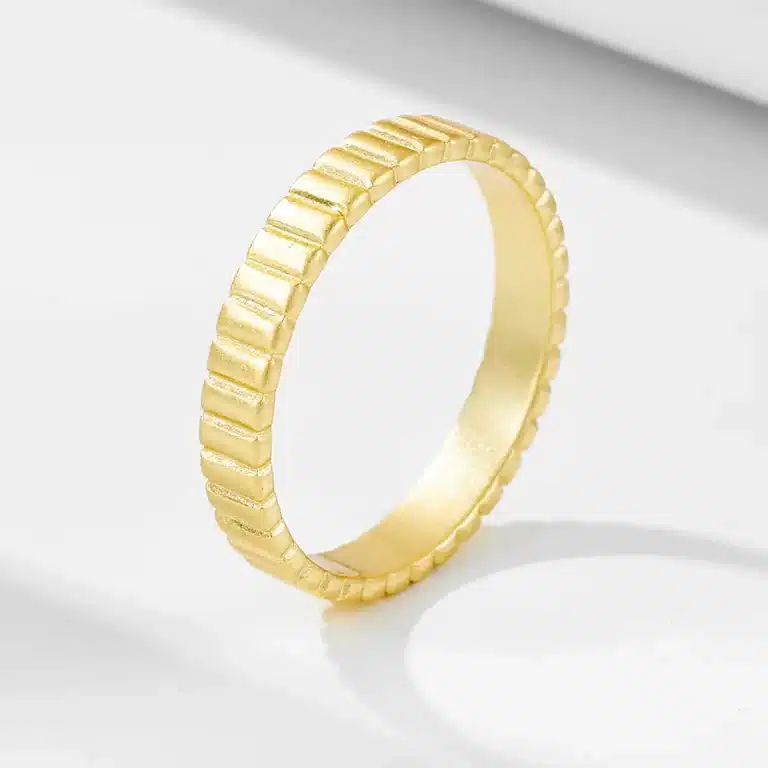
Gold-tone band ring with a ridged rectangular pattern
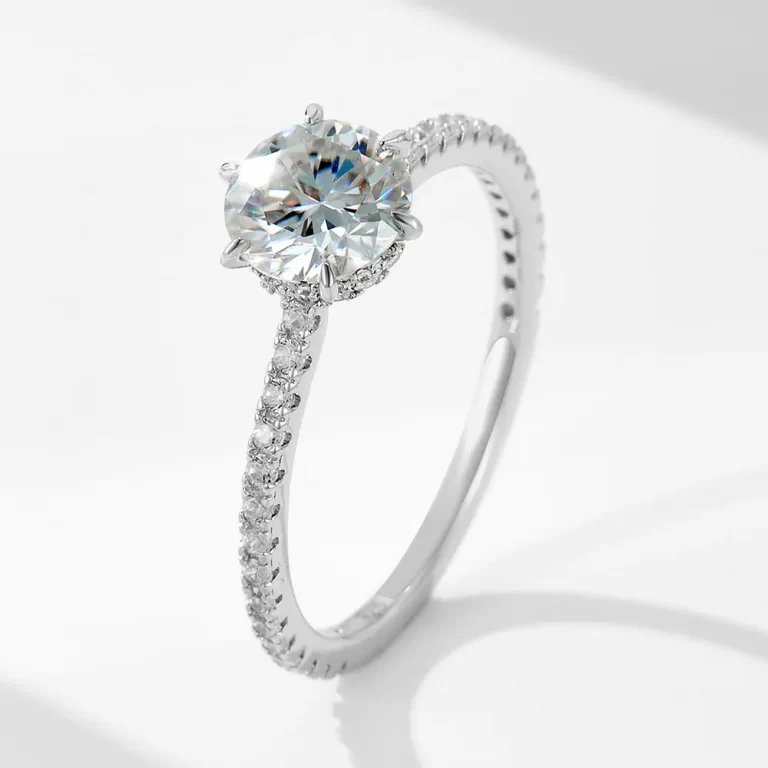
Silver-tone solitaire ring with a round clear stone and pavé band
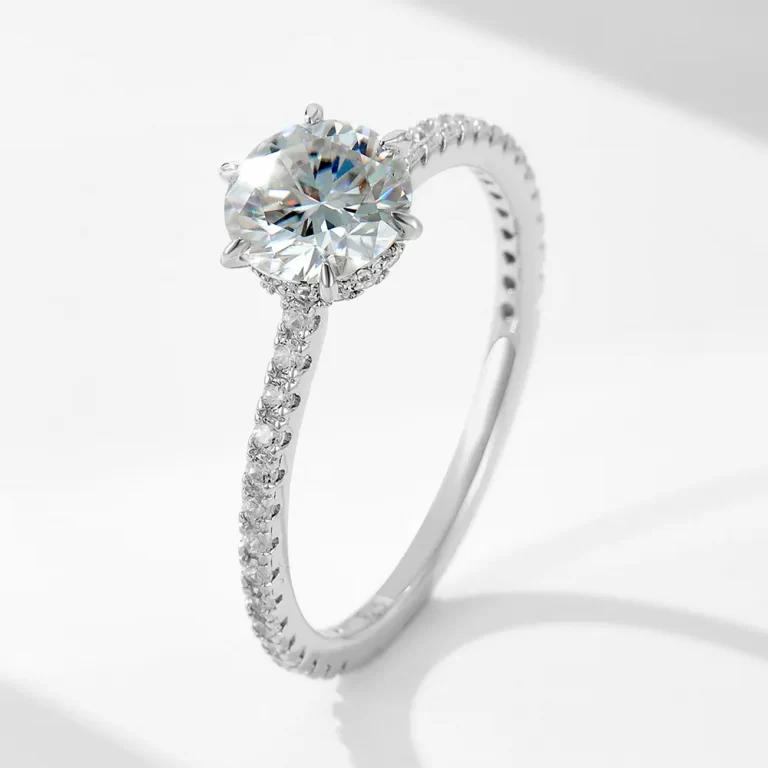
Silver-tone solitaire ring with a round clear stone and pavé band
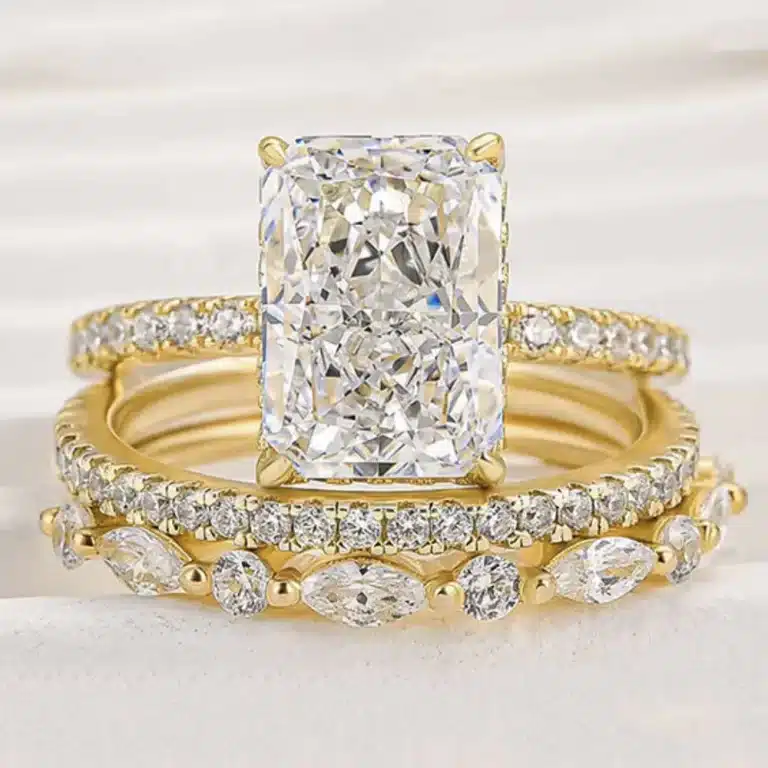
Stacked gold-tone rings with a large rectangular clear center stone and smaller stone-set bands
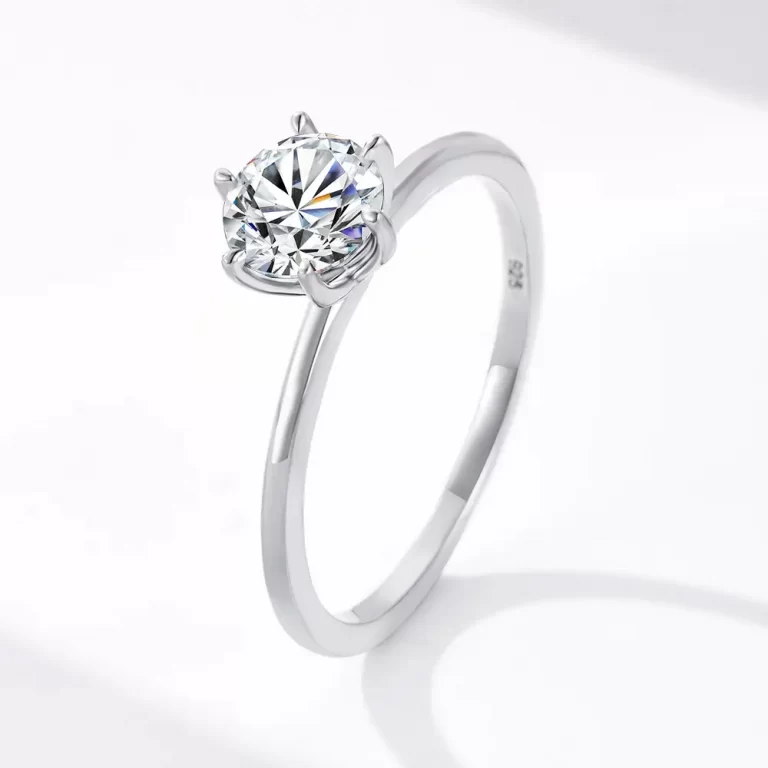
Silver-tone solitaire ring with a round clear stone and plain slim band
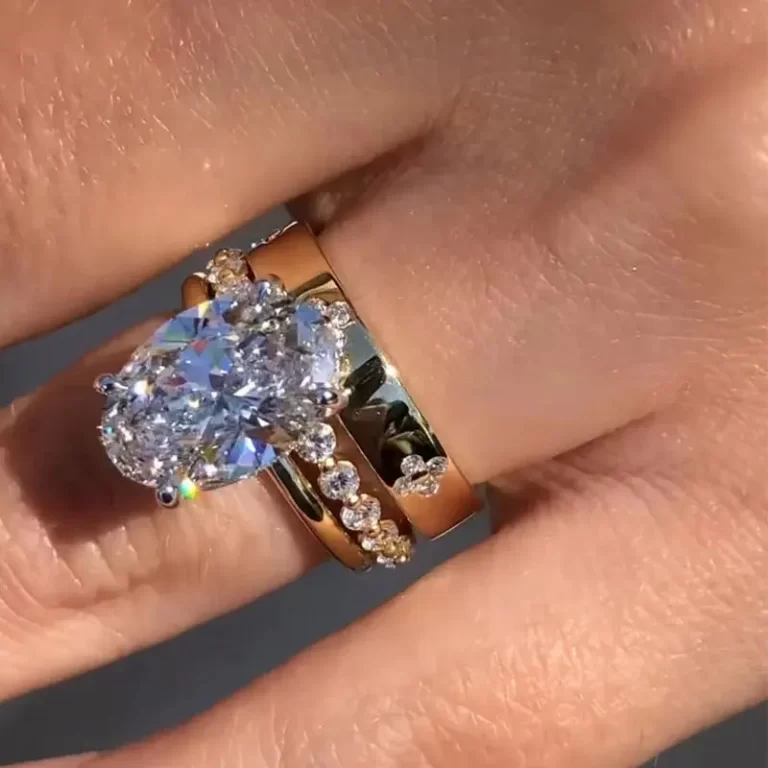
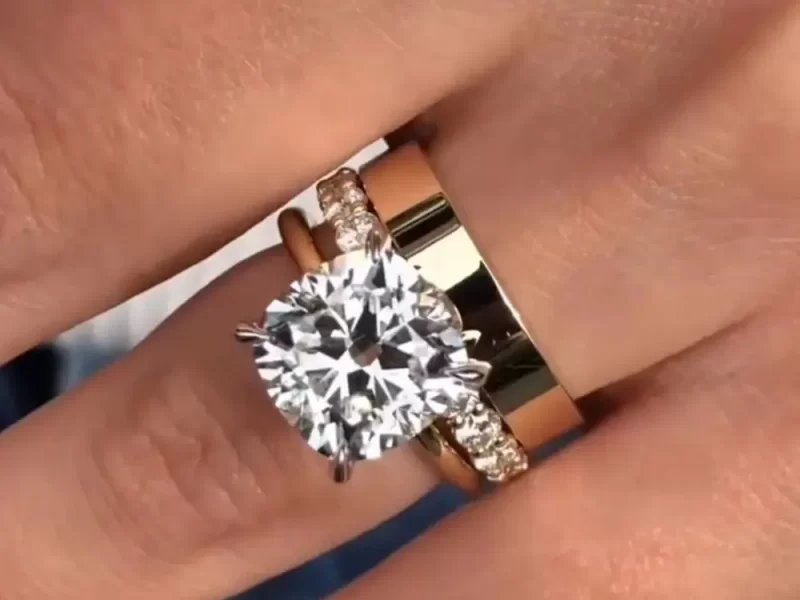
Large clear-stone solitaire ring worn beside gold-tone stacking bands
Bracelets and bangles
Develop a chain bracelet, cuff or bangle around your fit requirements. Clasp position, hinge movement and interior dimensions are reviewed on the physical sample.
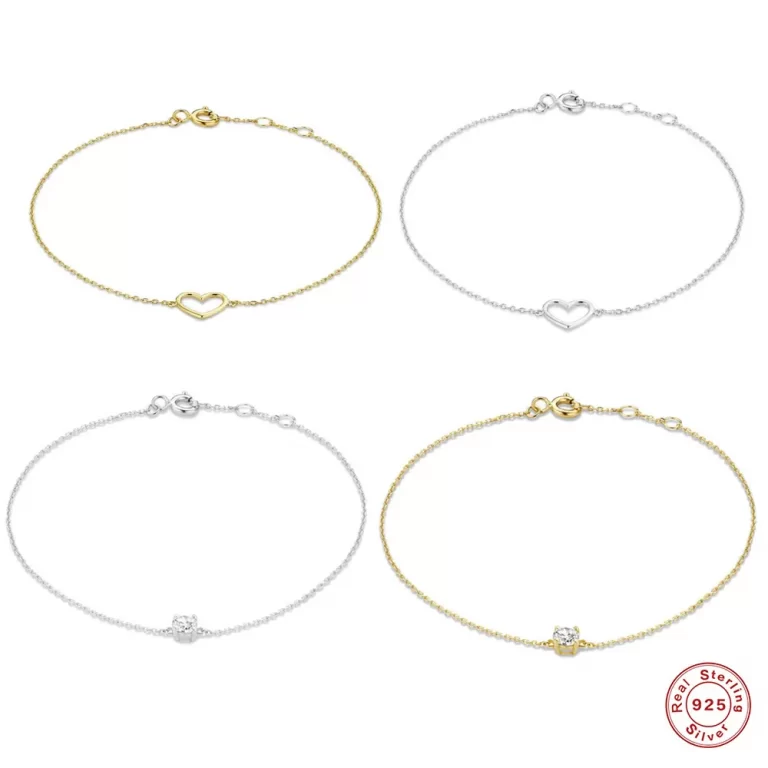
Gold-tone and silver-tone fine chain bracelets with open-heart and small stone centerpieces
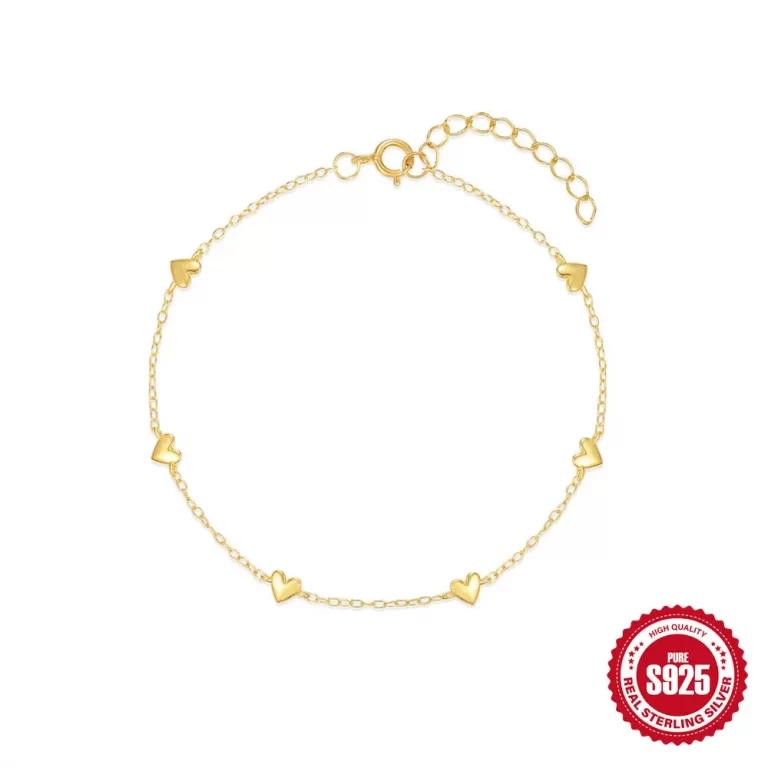
Fine gold-tone chain bracelet with spaced small heart motifs and an extender
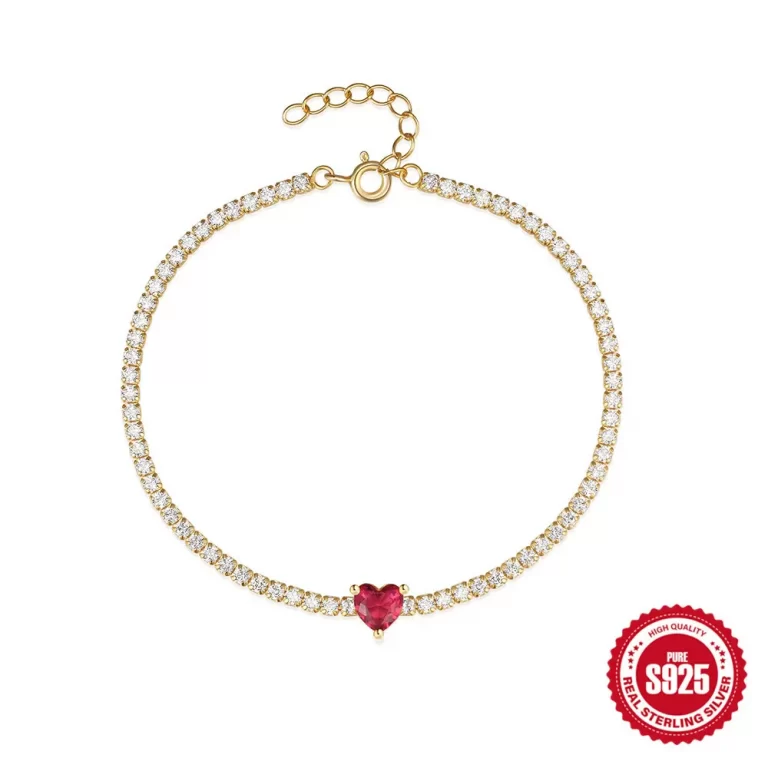
Gold-tone clear-stone tennis bracelet with a red heart-shaped center stone
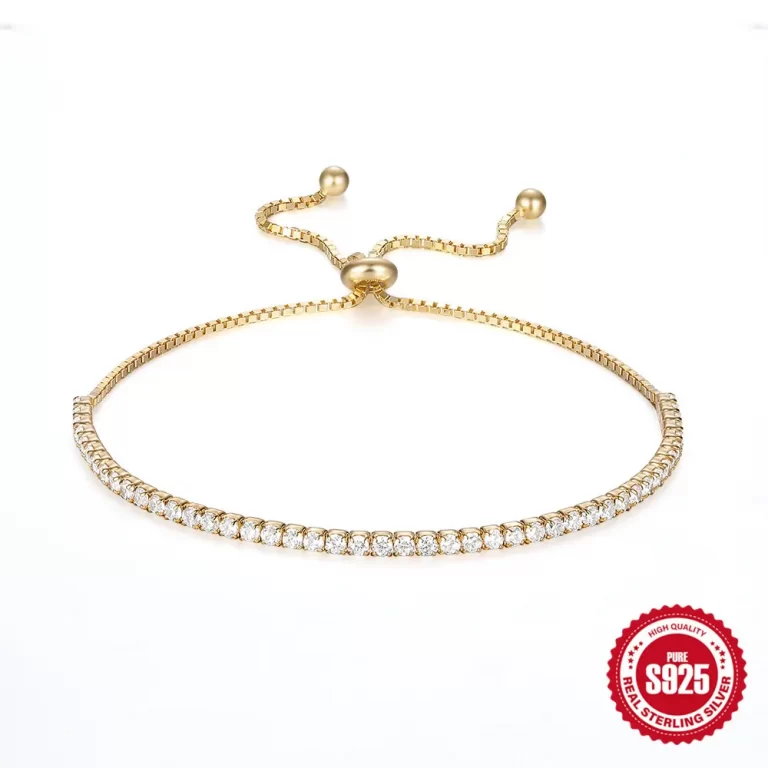
Adjustable gold-tone tennis bracelet with a row of clear stones and sliding clasp
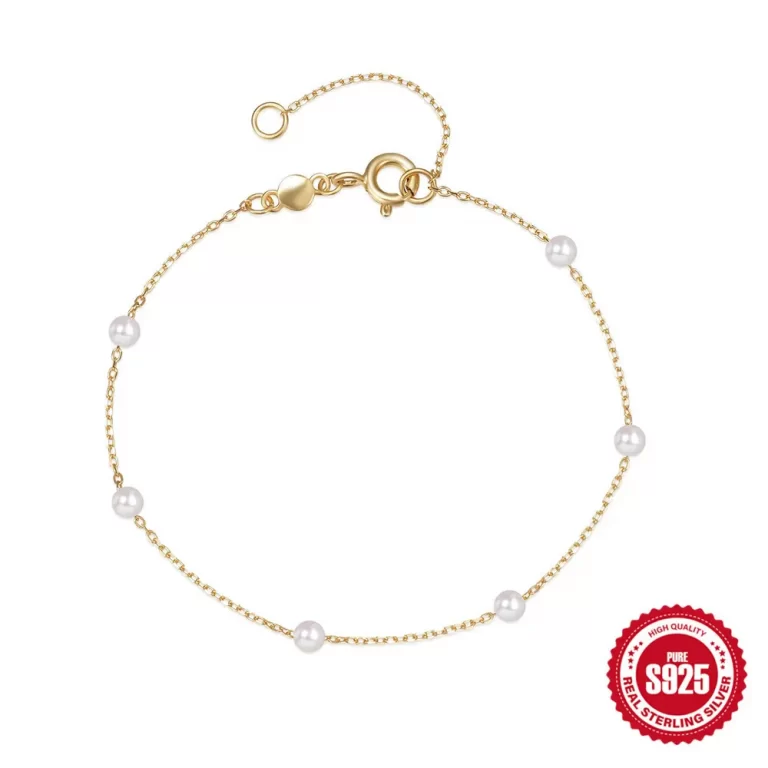
Fine gold-tone bracelet with small round clear stones spaced along the chain
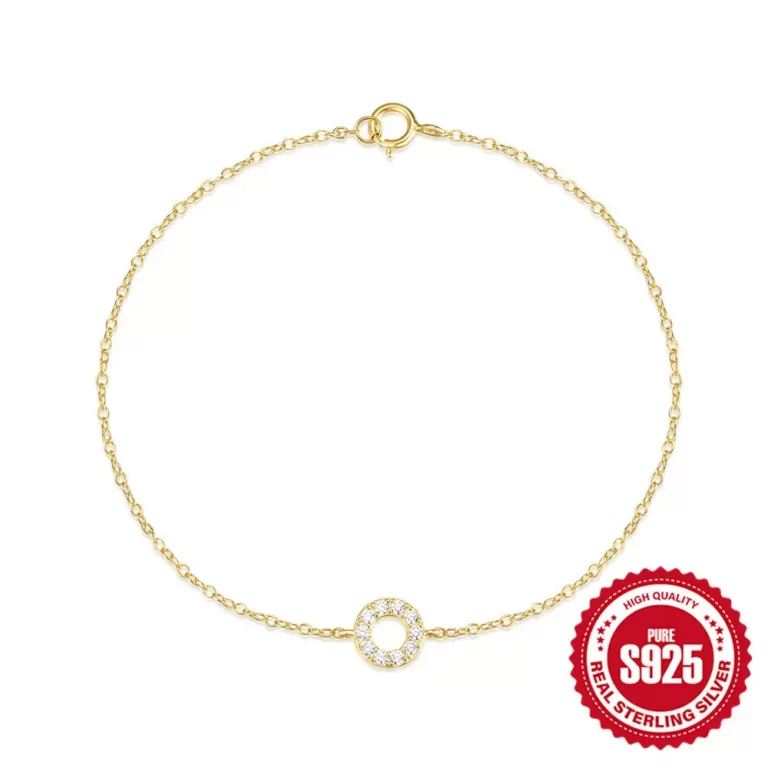
Fine gold-tone bracelet with a small circular clear-stone centerpiece
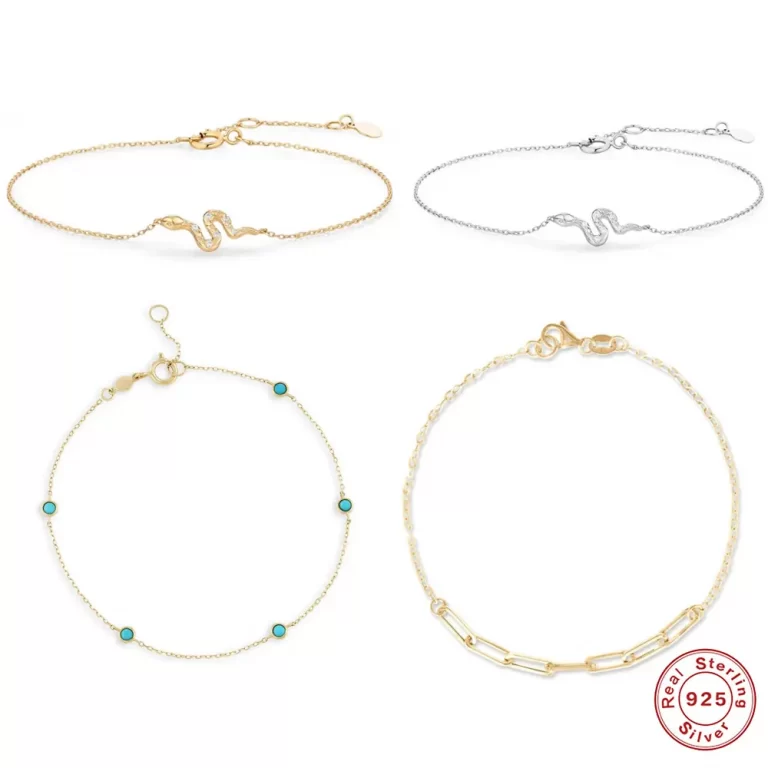
Gold-tone and silver-tone bracelets with snake, turquoise-colored bead and paperclip designs
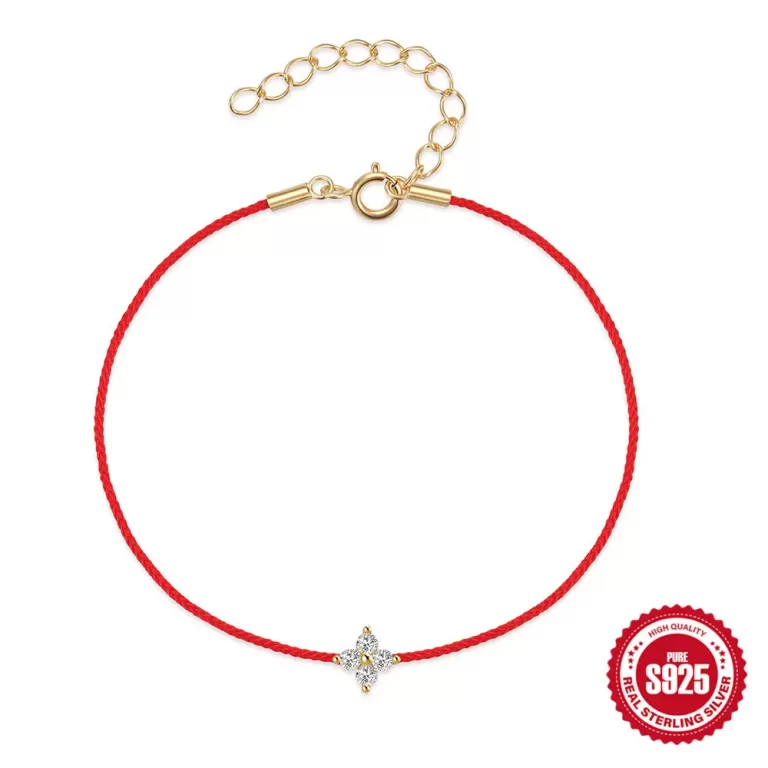
Red cord bracelet with a clear-stone starburst charm and gold-tone extender
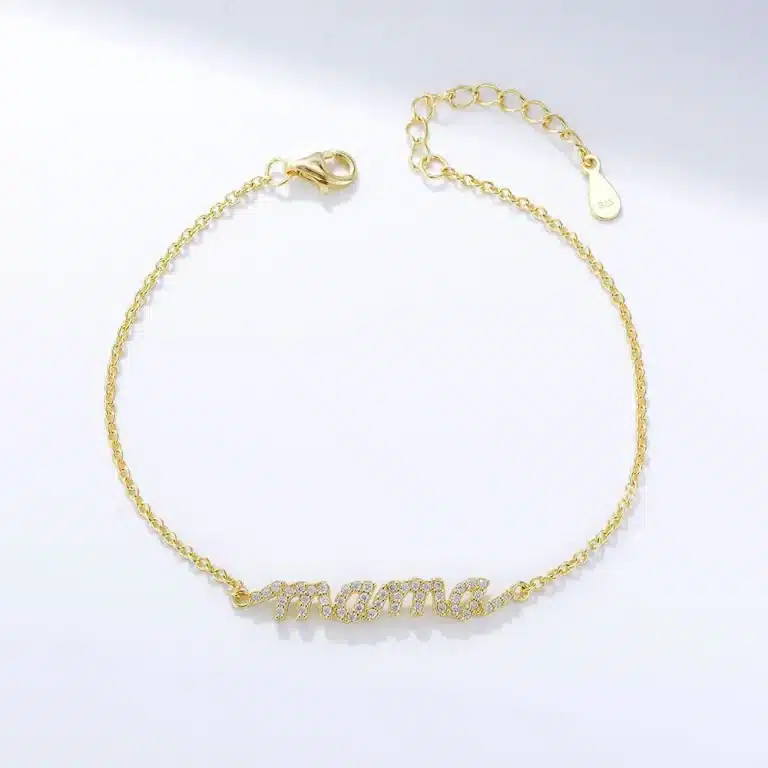
Gold-tone chain bracelet with a clear-stone mama script centerpiece
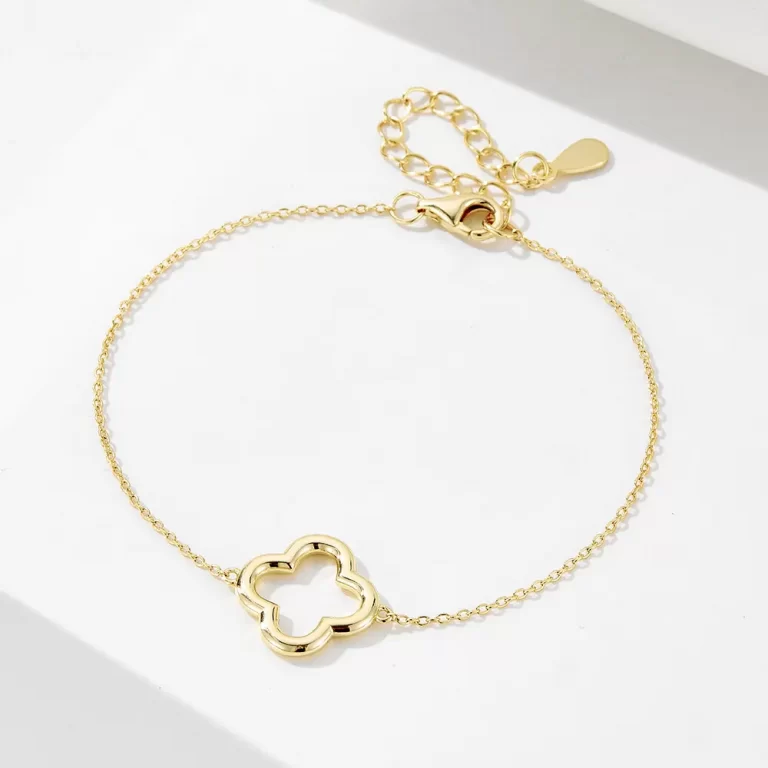
Fine gold-tone bracelet with an open four-lobed flower centerpiece
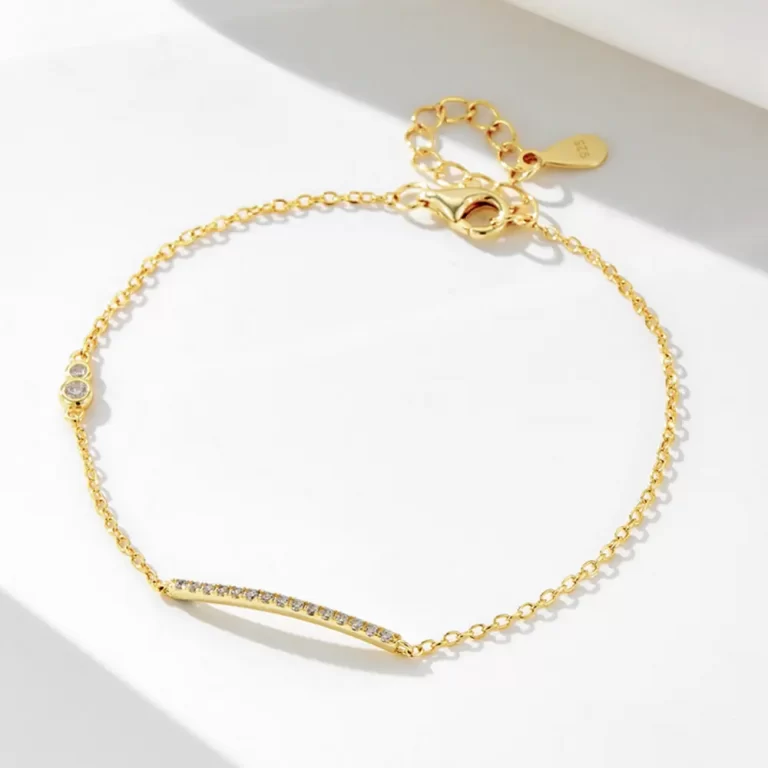
Gold-tone chain bracelet with a long curved clear-stone centerpiece
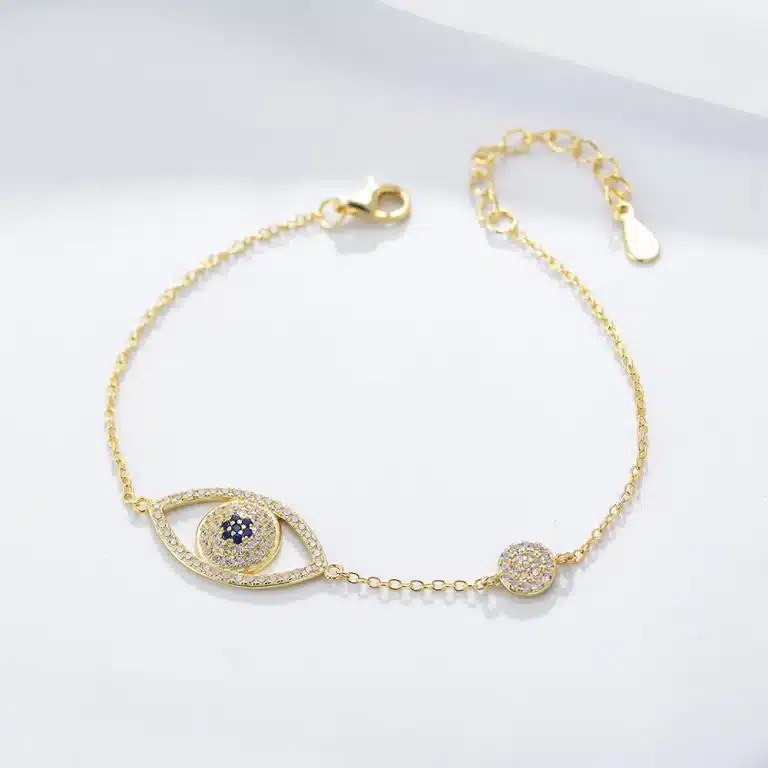
Gold-tone bracelet with a clear-stone eye motif and round charm
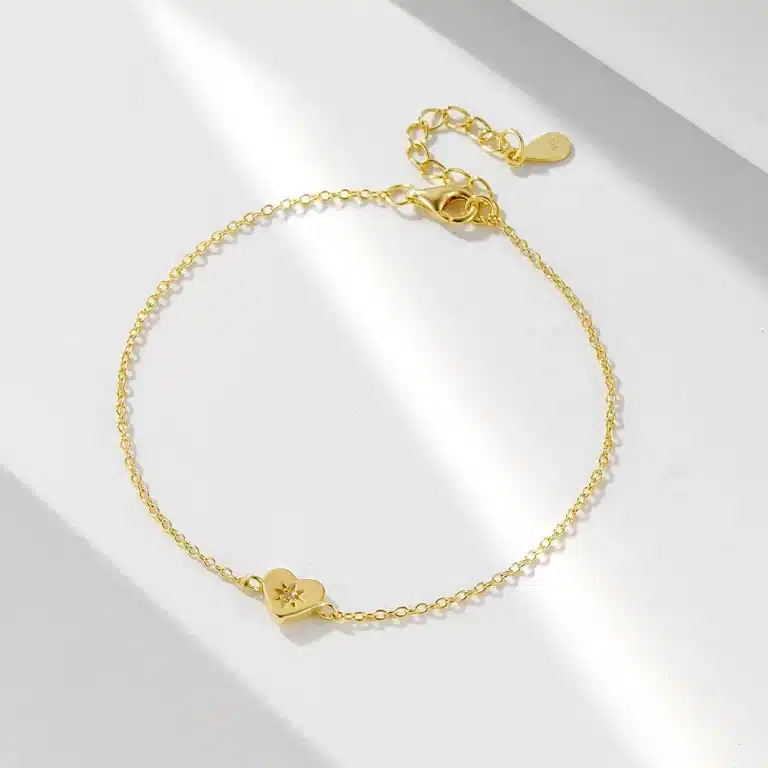
Fine gold-tone chain bracelet with a small textured heart charm
How we plan production
A finished piece depends on more than the casting. We plan components, stone setting, polishing and plating together, with the approved sample as the reference at each stage.
From components to finished pieces
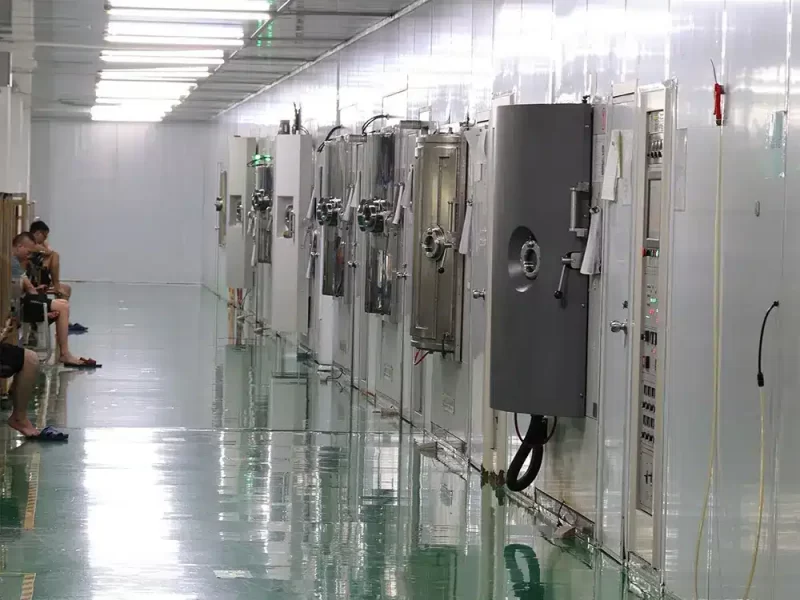
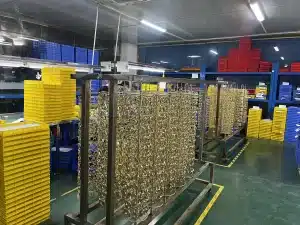
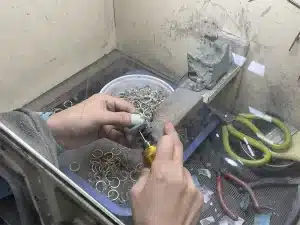
We coordinate the work your design needs, including mould making, metal forming, stone setting, polishing and finishing.
Electroplating and PVD finishing
Metal forming and assembly
Mould development
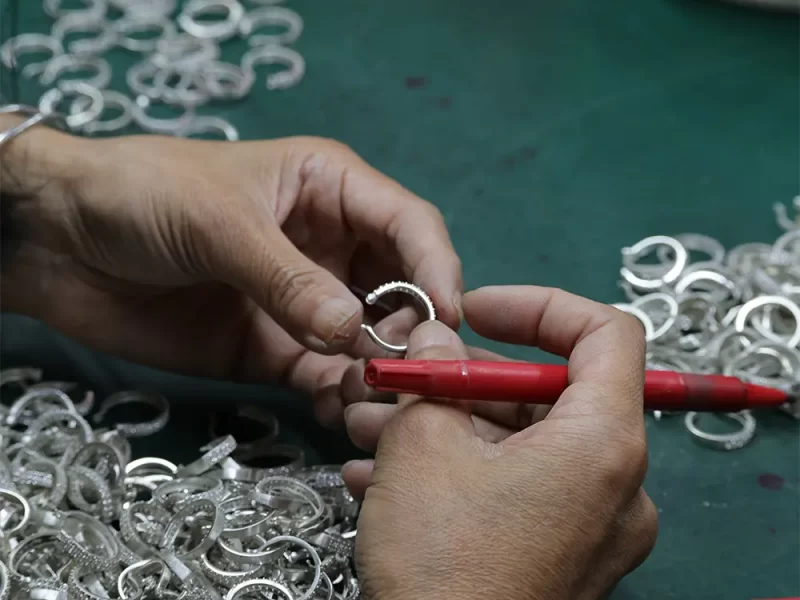
Stone setting
Polishing
A schedule built around the design
Some components can be prepared at the same time. We identify those steps after reviewing the drawing and confirm a production schedule before the order begins.
Documented production steps
Component planning
Sample approval
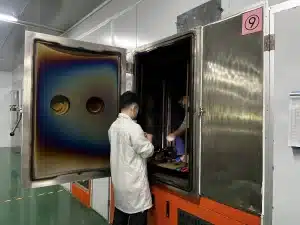
Checks during production
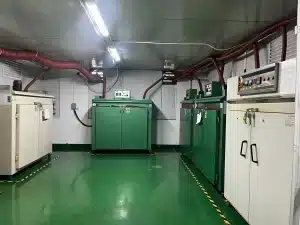
Equipment matched to the job
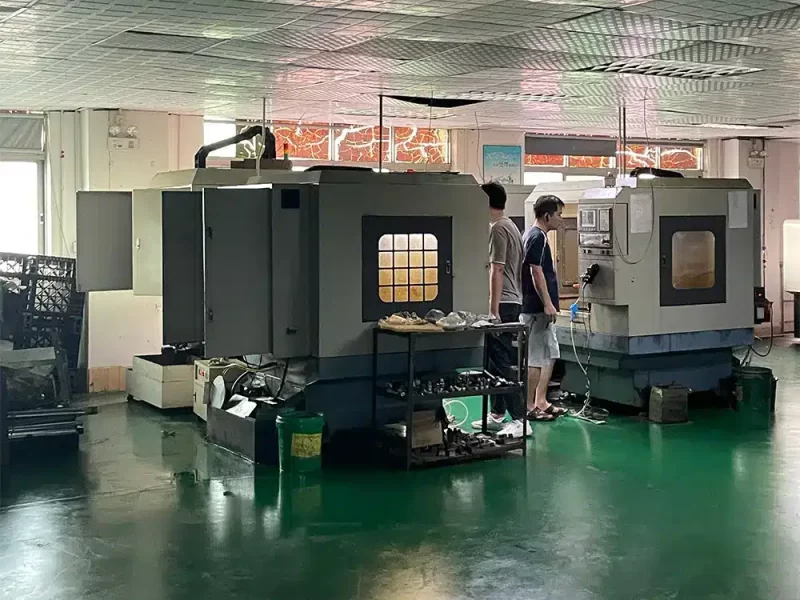
CNC machining, laser cutting and hand finishing each suit different details. We choose the route around the metal, shape and finish, then check repeatability on the sample.
CNC machining and laser cutting
Polishing and assembly
Quality management procedures
Experience with different metals
Practical help with difficult details
Thin sections, moving parts and stone settings need careful review. We discuss what can be made reliably and where a small design change could improve the result.
Founded in 2017
CAD and construction review
Finishing and setting advice
Support with repeat orders
See how your collection would be made
Arrange a factory visit or a video discussion with our team. Bring a design or sample so we can walk through the production steps that matter to your order.
If recycled content is part of your brief, ask us which material options and supporting documents are available for the specific order. The claim should match the material supplied.
From approved sample to production
Keep the approved sample and written specification together. They give both teams a reference for the material, weight, finish and inspection requirements.
Gold plating, gold vermeil and gold-filled construction describe different products. Start with the base metal and the way the gold layer is applied.
The name should match the construction
Gold plating and vermeil
Gold plating applies a gold coating to a base metal. Vermeil uses sterling silver as its base and must meet the applicable gold purity and thickness requirements in the market where it is sold. Brass with a gold coating is not vermeil.
Gold-filled is a different process
Gold-filled material has a mechanically bonded gold-alloy layer. It is not the same as electroplating. If your brief requires gold-filled components, confirm the construction and supporting specification before ordering.
Do not choose by the finish name alone. Compare the base metal, gold content, thickness, construction and care requirements against your price point.
Four decisions to make before ordering
Start with the wearer and the target price. Then agree the base metal, finish, test requirements and product description so your collection is presented accurately.
Choose the base metal first. Brass and sterling silver have different material costs and care needs; a gold-colored surface does not tell you what is underneath.
02
Approve the gold shade on a physical sample. Product photographs and screens can make the same finish look different.
03
Specify the coating and testing with the quotation. Avoid making a wear-life promise from thickness alone.
04
Prepare clear care instructions and material descriptions for your customers. Keep those details consistent with the order specification.
Develop the sample with our team
Send your drawing or reference sample with dimensions and a target quantity. We confirm the development work, sample charge and any order credit before starting.