Gold vermeil Jewelry
Stop Guessing. Start Partnering with a Gold Vermeil Manufacturer You Can Actually Trust.
If you’ve ever received “vermeil” samples that tarnished in a month, faded after a few wears, or arrived nothing like the photos, you’re not alone.
At Dongguan HonHo Jewelry, we specialize in true 18K gold vermeil: 2.8–3.2 microns of 18K gold over nickel-free 925 silver, manufactured under strict process control since 2010.
- 18K gold vermeil OEM/ODM manufacturer, founded in 2010
- Verified gold thickness on every batch (XRF-tested)
- Transparent specs, written QC reports, and real factory video support
If You’re Searching for a Gold Vermeil Manufacturer, You’re Probably Facing These Problems…
Unreliable “Vermeil” Claims
Many factories call anything with a thin gold layer “vermeil”, even if it’s just 0.5 microns on brass. Your samples look fine in photos, but fade quickly in real life — and your brand takes the blame.
Inconsistent Quality Between Batches
First order looks good, second order arrives with a different gold tone, thinner plating, or rough finishing. There’s no data, no thickness report, just “don’t worry, it’s the same”.
Lack of Technical Transparency
Vague replies to questions about base metal, microns, or tests leave you without clear specifications. You can't control risks or prepare accurate product descriptions for your market.
Slow, Unclear Communication
Many factories quote a very attractive unit price at the beginning, then later add extra charges for “necessary” steps like proper polishing, palladium barrier, thicker vermeil, or third‑party testing. By the time you receive the final invoice, your cost per piece is much higher than planned — and your margin is already gone.
Hidden Cost Surprises
Many factories quote a very attractive unit price at the beginning, then later add extra charges for “necessary” steps like proper polishing, palladium barrier, thicker vermeil, or third‑party testing. By the time you receive the final invoice, your cost per piece is much higher than planned — and your margin is already gone.
Limited Customization at Low MOQs
When your order is under a few hundred pieces, many factories refuse small design tweaks, custom logos, special stone settings or unique colors.
You feel forced to accept generic catalog models, raise your quantity beyond your budget, or compromise on details that are important to your brand identity.
Who We Are: Dongguan HonHo Jewelry – Gold Vermeil OEM Since 2010
Founded in 2010 in Dongguan, China, HonHo Jewelry started as a small workshop producing sterling silver and stainless steel jewelry for regional wholesalers.
Over the past decade, we have steadily evolved into a specialized gold vermeil OEM/ODM manufacturer serving brands in North America, Europe, and the Middle East.
- Location: Chang’an Town, Dongguan – a core jewelry manufacturing hub
- Team: In-house design, CAD, casting, polishing, and plating teams
- Focus: 18K gold vermeil over 925 silver, plus stainless steel collections

What a Serious Buyer Should Demand When They Ask for “Gold Vermeil”
If you’re evaluating a gold vermeil manufacturer, these are the minimum technical facts you should expect them to state clearly in writing
Base Metal Must Be 925 Sterling Silver
Not brass, not copper, not “alloy”. True vermeil uses 92.5% silver with 7.5% copper. This is hypoallergenic and globally recognized for jewelry.
Gold Purity Should Be Stated
We use 18K gold for vermeil (75% pure gold). Some factories use lower karat gold or don’t define it at all, which affects both color and durability.

Gold Layer Must Be Thick (Not Just “Gold Color”)
Genuine vermeil requires a gold layer significantly thicker than typical fashion plating. A 2.5 micron minimum is widely accepted in the industry. At HonHo, we target 2.8–3.2 microns on critical wear surfaces to give your customers years of use, not months.
Test Method Must Be Verifiable
When we say “3 microns”, it’s not guesswork. We use calibrated X-ray fluorescence (XRF) equipment to measure gold thickness on each batch and provide reports on request.
Common Tricks Low-Cost Suppliers Use – And How We Avoid Them

Trick #1: Changing Specs Without Telling You
After a few orders, some factories quietly reduce thickness or change base metal to protect their margin.
Our Policy: Once specs are locked for your SKU, we do not downgrade materials or thickness without your written approval.

Trick #2: Ultra-Thin Gold Plating
Many factories apply 0.3–0.5 microns and still market it as heavy plating or vermeil. It looks good for photos, but wears off quickly.
Our Policy: Standard vermeil runs at 2.8–3.2 microns. We reject or rework any batch below our internal inspection process.

Trick #3: No Thickness or Test Reports
When you ask about testing, they send one pretty photo instead of real numbers.
Our Policy: We can share XRF screenshots, salt-spray test results, and adhesion test videos with OEM partners, so your internal team has hard data, so we can erase your quality concerns.
Inside a HonHo Gold Vermeil Piece: Our 5-Layer Structure
18K Gold Top Layer (2.8–3.2 Microns)
Provides the rich, warm color and perceived value of solid gold. Thick enough to handle years of normal wear.
Copper Strike Layer
Creates a strong bond between silver and the noble metal layers above. This extra step increases manufacturing cost, but greatly improves adhesion.

Palladium Barrier Layer
Prevents silver migration and significantly slows down tarnish formation, especially in humid or coastal environments.
925 Sterling Silver Core
Fully cast, machined, and polished in-house. Nickel-free, lead-free, and compatible with global regulations.
(Optional) Rhodium Underplate for White Vermeil
For white vermeil colors, we add a rhodium underplate to sharpen color and increase surface hardness.
Our Gold Vermeil Manufacturing Process – From First Sketch to Finished Pieces
When brands look for a gold vermeil jewelry manufacturer, one of the biggest frustrations is not knowing what actually happens inside the factory.At Dongguan HonHo Jewelry, we make our process completely transparent, so you always understand how your designs are engineered, plated, tested, and packed before they reach your customers.
Below is the full step‑by‑step overview of how we turn your idea into consistent, tested 18K gold vermeil jewelry.
Step 1 – Design Review & Technical Consultation
Before we talk about price, we make sure we truly understand your design and quality expectations.
- You share sketches, CAD files, or reference photos, along with target retail price and market (US, EU, UK, etc.).
- Our team checks overall structure, stone settings, thickness of shanks and walls, and how the piece will behave in real wear.
- We discuss with you the best combination of 925 silver weight, vermeil thickness, and finishing to balance durability, comfort, and cost.
- All key points (base metal, gold karat, target micron thickness, finish, stone types, logo position) are summarized in a written specification sheet for your approval.

Step 2 – 3D CAD & Structural Optimization
Once we agree on the concept, our CAD team translates your design into a production‑ready 3D model.
- We adjust wall thickness, prong lengths, under‑galleries, and inner surfaces to make sure the piece is strong enough and can be plated evenly.
- Small areas that are hard to reach with plating are optimized to reduce “shadow” zones with thin gold.
- For stacking rings, bangles, and heavy pendants, we fine‑tune dimensions to prevent deformation during wear and plating.
- You review and confirm 3D renders, including logo placement and any engraving details.

Step 3 – Molding, Wax, and Silver Casting
With the CAD approved, we move into physical production.
- Silicone Molds or Direct Resin Prints are created based on the CAD files.
- We produce wax or resin trees and cast them in 925 sterling silver using vacuum or centrifugal casting machines.
- Gates and sprues are carefully positioned to avoid visible marks on important surfaces.
- After casting, each piece is cut from the tree and the casting points are removed and smoothed.
At this stage, we already use the correct base metal (925 silver) that will later receive the full vermeil structure — no brass substitutions.

Step 4 – Trimming, Filing & Hand Polishing
Raw castings are not ready for plating yet. Surface preparation is critical for both appearance and plating quality.
- Our technicians trim, file, and sand all casting gates and parting lines by hand.
- We pass each piece through multiple polishing stages (coarse, medium, fine) using different wheels and compounds to achieve a smooth, even surface.
- Special attention is given to edges, corners, and inside curves, as these areas can easily trap polishing compound and cause plating defects.
- At this stage, we also inspect for porosity, pinholes, or casting defects and repair or reject as necessary.
A well‑prepared silver surface means more even gold coverage, better adhesion, and a cleaner final look.

Step 5 – Ultrasonic Cleaning & Surface Activation
Before any plating, the jewelry must be completely clean and activated.
- Pieces are placed in baskets and go through ultrasonic cleaning baths that remove oils, polishing compounds, and dust.
- We use a sequence of alkaline cleaners and deionized water rinses to ensure no residues remain on the surface.
- Final activation is done in a mild acid solution to micro‑etch and energize the silver surface, improving the bond with the first plating layer.
- From this point on, pieces are handled with gloves and clean tools only, to avoid fingerprints and contamination.
If this step is rushed or skipped, gold plating may peel, bubble, or appear uneven after a short time.

Step 6 – Copper Strike Layer
To build a strong foundation for the upper layers, we apply a thin copper strike.
- Jewelry is carefully arranged on plating racks so that all important surfaces face the solution and electrical contact is stable.
- A light copper strike is applied under controlled voltage and time, creating a thin, highly adhesive layer between silver and later noble metals.
- This layer helps smooth micro‑imperfections and improves overall adhesion.
While this step adds cost and time, it dramatically reduces the risk of flaking or uneven plating in the final vermeil.

Step 7 – Palladium (or Similar) Barrier Plating
To protect the silver core and stabilize color, we add a barrier layer.
- A palladium barrier is plated over the copper strike to prevent silver atoms from migrating into the gold surface.
- This barrier greatly slows down tarnish formation and helps maintain a consistent gold tone over time.
- For special specifications, we can discuss alternative barrier options according to your brand’s needs.
This additional layer is one major difference between basic gold plating and high‑standard vermeil.

Step 8 – 18K Gold Vermeil Plating (Main Gold Layer)
Now we build the main 18K gold layer that makes your piece a true vermeil product.
- We use 18K gold plating baths, formulated to give a rich, warm tone and good hardness for daily wear.
- Current density, temperature, and plating time are carefully controlled to achieve a target thickness of about 2.8–3.2 microns on all key surfaces.
- For complex shapes, we may rotate or reposition racks during plating to avoid shadowed zones and keep thickness more uniform.
- We track bath age and chemistry to maintain consistent color and performance from batch to batch.
At the end of this step, your jewelry has the full vermeil gold layer over 925 silver — not just a thin decorative flash.

Step 9 – Rinsing, Drying & Optional Top Coating
After gold plating, pieces need to be stabilized and protected.
- Jewelry is immediately transferred through multiple deionized water rinse baths to remove any remaining plating solution.
- Pieces are then dried using warm air and/or low‑temperature ovens to prevent water spots and oxidation.
- For certain projects, we can apply an optional nano topcoat or clear protective layer to improve scratch resistance and slow down surface wear.
Proper rinsing and drying protect both the gold layer and the underlying silver from unwanted chemical reactions.

Step 10 – Stone Setting, Assembly & Final Polishing
For designs with stones, hinges, or multiple components, we now complete the assembly.
- Skilled setters install CZ, lab‑grown, or natural stones after main plating, using techniques that avoid stress or damage to the vermeil layer.
- Components such as clasps, extension chains, ear posts and backs are assembled and checked for smooth movement and secure closure.
- A final hand polish with soft, non‑abrasive cloths brings out a uniform shine without cutting into the gold layer.
We balance aesthetics and technical safety in this step to keep your jewelry beautiful and durable.

Step 11 – 100% Visual QC & Randomized Lab Testing
Every piece is inspected before packing; selected samples are tested in more detail.
- Visual QC: Inspectors check each item under bright light for scratches, pits, color variation, plating spots, and assembly issues.
- Dimensional Checks: Sizes, lengths, and stone positions are measured against your approved samples and tech sheets.
- XRF Thickness Testing (Random Samples): We test random pieces from every batch with X-ray fluorescence. Multiple points are measured (outer and inner surfaces, edges, high‑wear areas) to confirm the gold layer meets or exceeds the agreed micron thickness.
- Adhesion / Rub Tests: Selected pieces undergo rub or tape tests to make sure the plating is securely bonded.
Any part that does not meet our internal or your agreed standards is reworked or rejected.

Step 12 – Logo Application, Marking & Documentation
Before packing, we make sure your branding and documentation are complete.
- Logos & Stamps: We laser‑engrave or stamp your brand logo, metal marks (e.g. “925”) and any required country‑specific marks in the agreed locations.
- Batch Identification: Each batch receives an internal code linked to plating parameters, XRF results, and QC records.
- Specification Confirmation: For OEM clients, we can provide a simple batch summary listing base metal, gold karat, target thickness, and any special treatments used.
This gives your brand traceability and a clear technical story you can share with your team or customers.

Step 13 – Final Cleaning, Packing & Logistics
The last step is preparing your jewelry to travel safely from our factory to your warehouse or fulfillment center.
- Jewelry is given a final lint‑free wipe to remove fingerprints or dust.
- Each piece is packed according to your requirements: OPP bags, branded pouches, jewelry cards, or custom boxes.
- Items are grouped, labeled by SKU and size, and packed in export cartons with weight and item counts clearly indicated.
- We work with your nominated forwarder or help arrange shipping terms (EXW, FOB, etc.), and provide all necessary paperwork for customs and import.
From the moment a design is approved to the moment cartons leave Dongguan, every stage is documented so you always know what was done, when, and how.

Quality Control You Can See – Not Just Promises
When you choose a gold vermeil manufacturer, you’re trusting them with your brand reputation. We treat that responsibility seriously:
Instead of asking you to “trust us”, we’d rather show you data and let your QA team judge.
XRF Thickness Mapping
Every vermeil batch is tested with an XRF analyzer
We measure key areas: outer ring shanks, inner bands, pendant edges, clasp surfaces
Results are logged by batch number and can be shared with you on request
Adhesion & Rub Testing
Random samples receive standardized rub tests using erasers or cotton wheels
We check for visible base metal exposure and peeling
Salt Spray & Tarnish Simulation
For new projects and high-end clients, we can run salt-spray or sulfur vapor tests to simulate long-term wear
This helps validate designs before large-scale launches
Built for Brands: Private-Label & OEM Services
This is how we help you launch or expand a gold vermeil line with real factory support instead of just transactional production.

Logo Application Options
Laser engraving inside ring bands, on the back of pendants, or on clasps Custom logo tags on necklace/bracelet extension chains Embossed / debossed logos via custom molds or stamps

Design Support
In-house CAD team to turn your sketches or mood boards into 3D files Engineering advice to balance aesthetics, comfort, and durability

Flexible MOQs for Vermeil
Typical starting point: 50–100 pcs per design (size mix allowed) Higher volumes unlock better pricing and more customization options

Sample Development
Vermeil samples produced to final look (not cheap “sample quality” versions) Sample cost can often be credited back against bulk orders
Professional Jewelry Plating Comparison Guide
| Specification | Gold Vermeil | Gold Plated | Gold Filled | Solid Gold |
|---|---|---|---|---|
| Base Metal Required | Sterling Silver 925 | Various Base Metals | Brass or Copper | Pure Gold Alloy |
| Gold Layer Thickness | Minimum 2.5 microns | 0.5-1 micron typical | 5% total weight | 100% gold content |
| Expected Durability | 3-5 years daily wear | 6-12 months maximum | 10-30 years lifespan | Lifetime durability |
| Hypoallergenic Properties | Yes, skin-safe | No, may cause reactions | Limited compatibility | Yes, completely safe |
| Tarnish Resistance Level | High resistance | Low resistance | Medium resistance | Highest resistance |
| Market Position | Premium quality | Budget-friendly | Mid-range option | Luxury segment |
| Sensitive Skin Suitable | Yes, recommended | No, not recommended | Sometimes acceptable | Yes, ideal choice |
Sustainable Materials and Responsible Manufacturing
For many modern brands, how jewelry is made is as important as what it looks like. We help you back up your marketing claims with real production practices.
Recycled Sterling Silver Usage
We incorporate recycled silver where possible, refined to 925 purity, reducing environmental impact without compromising quality.
Responsible Gold Sourcing
Our gold suppliers provide documentation of origin and process. On request, we can quote options aligned with stricter responsible sourcing frameworks.
Worker Safety & Chemical Handling
Our plating lines use controlled ventilation, PPE, and proper waste management. Spent solutions are collected and processed by licensed waste handlers.






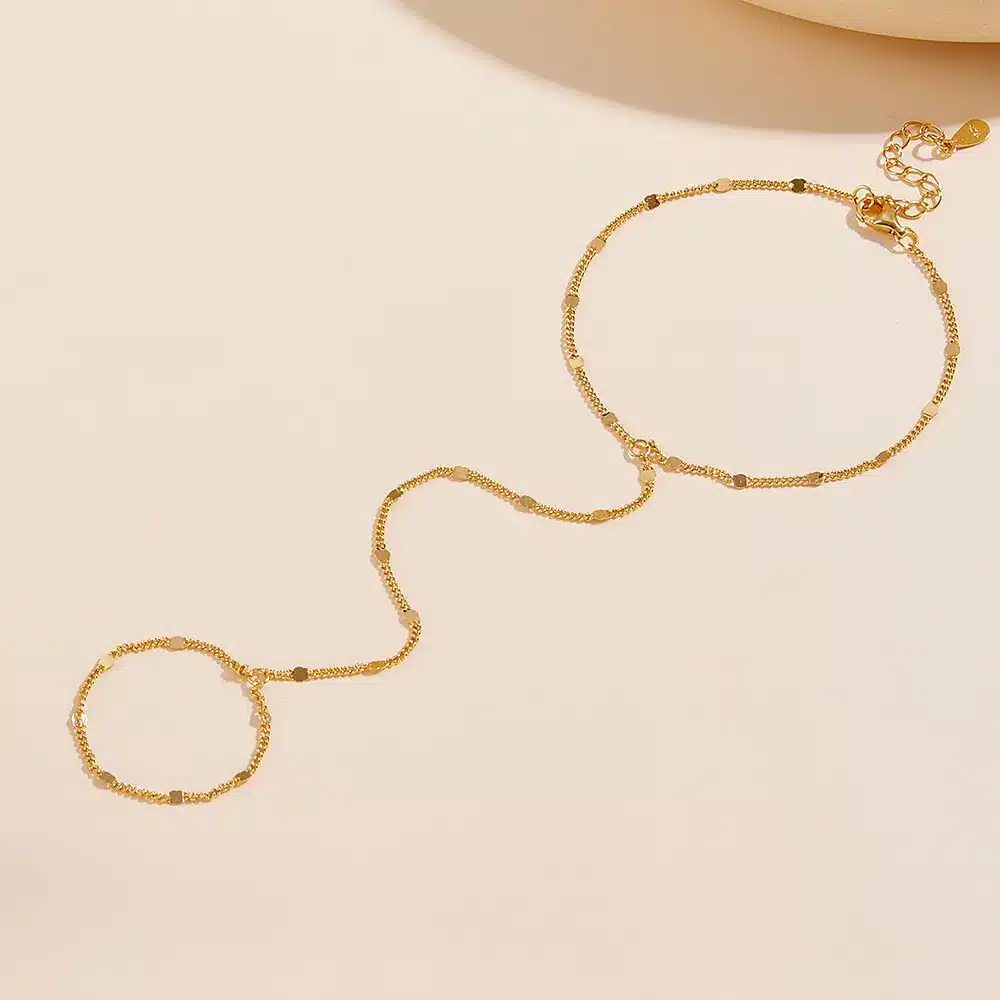
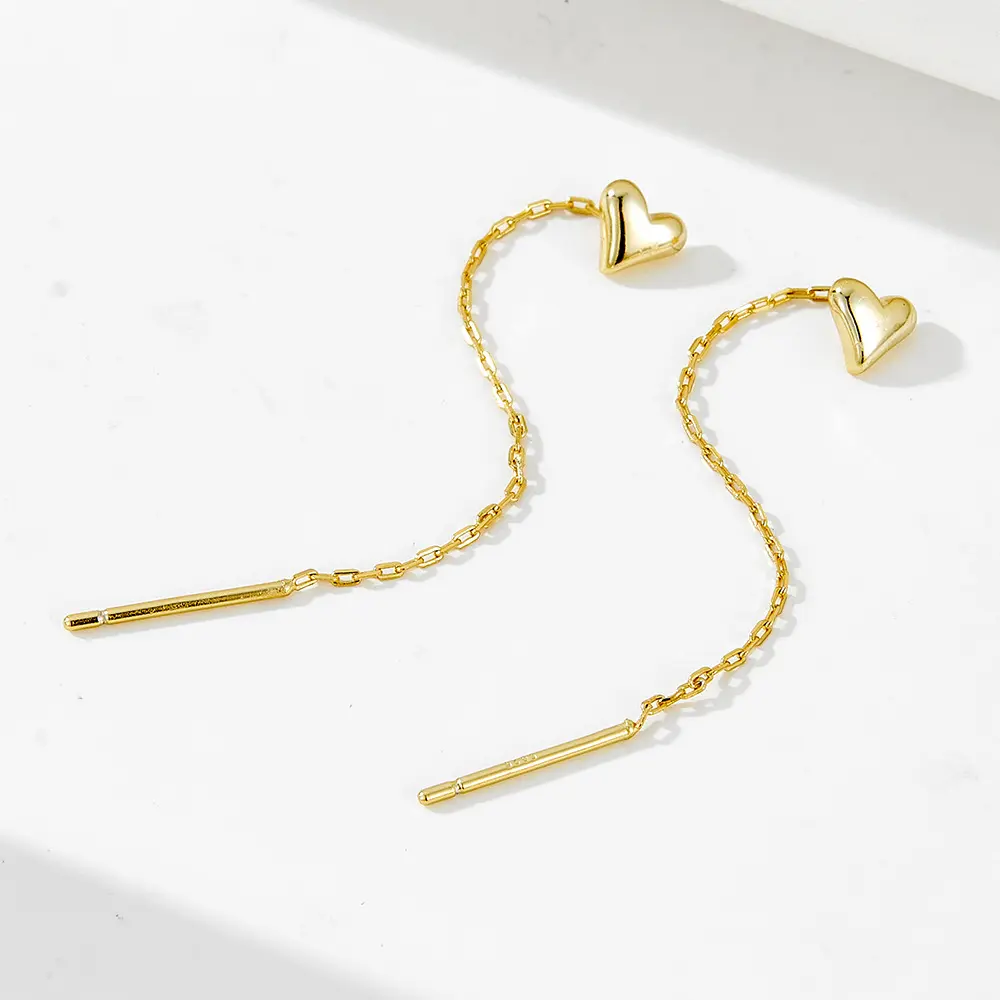
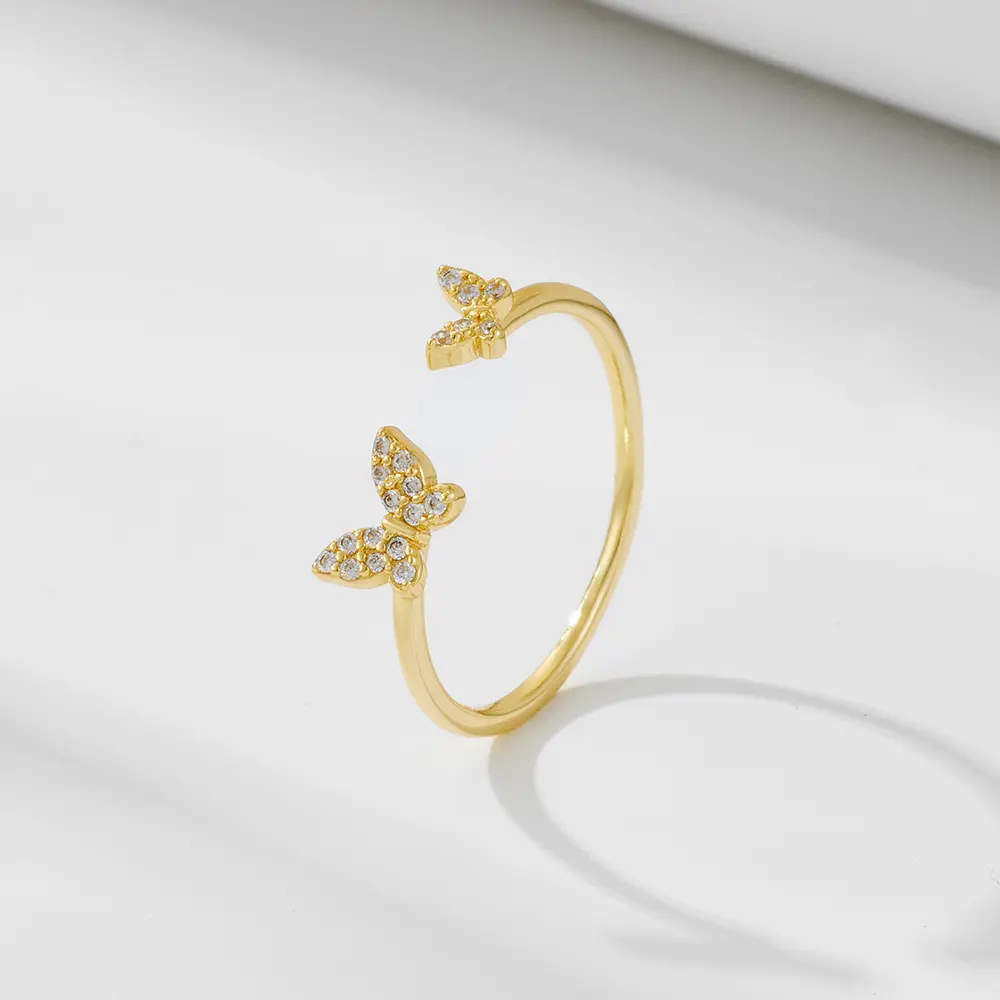
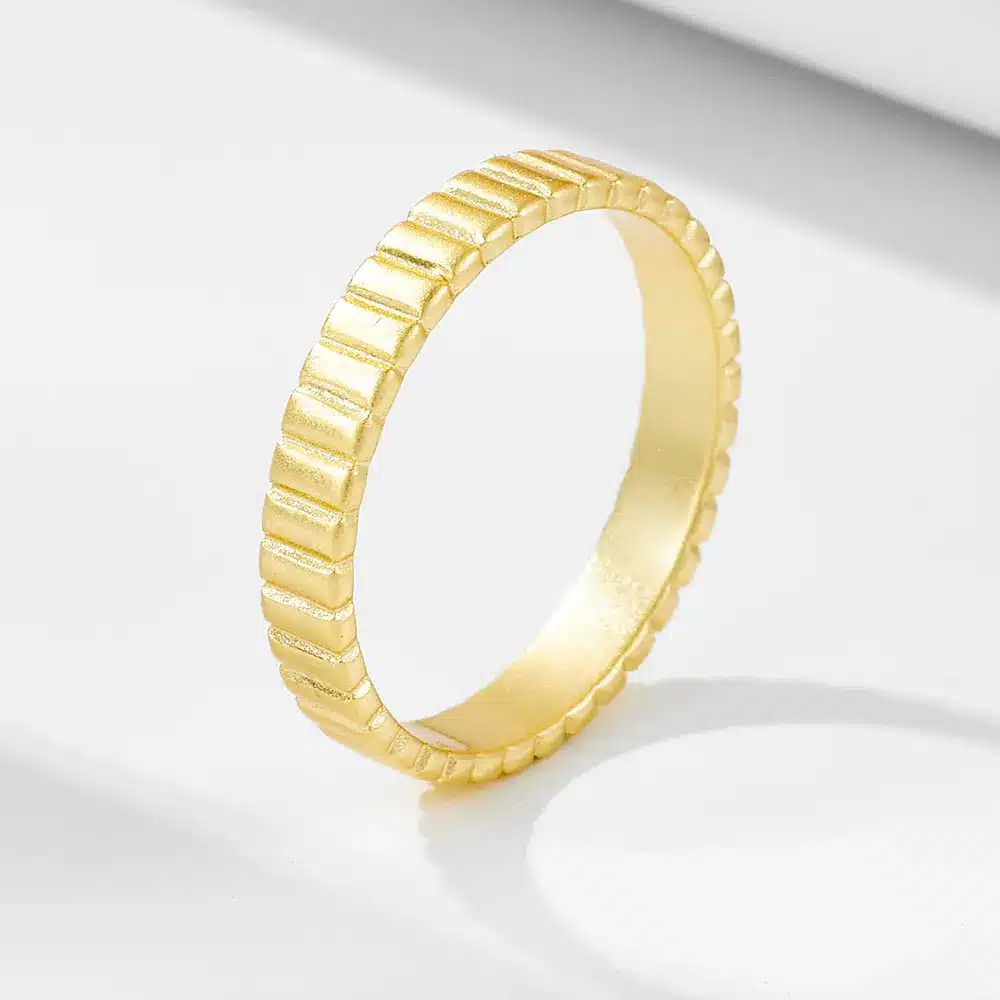
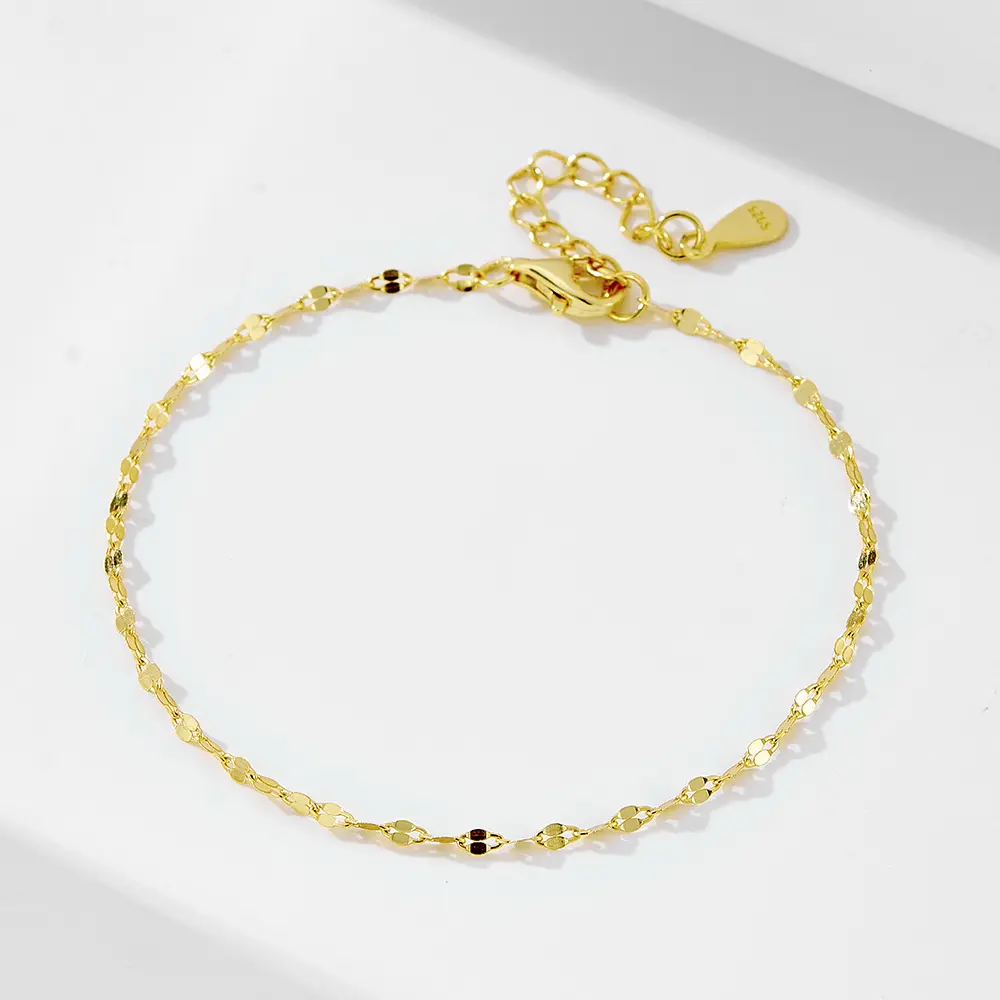
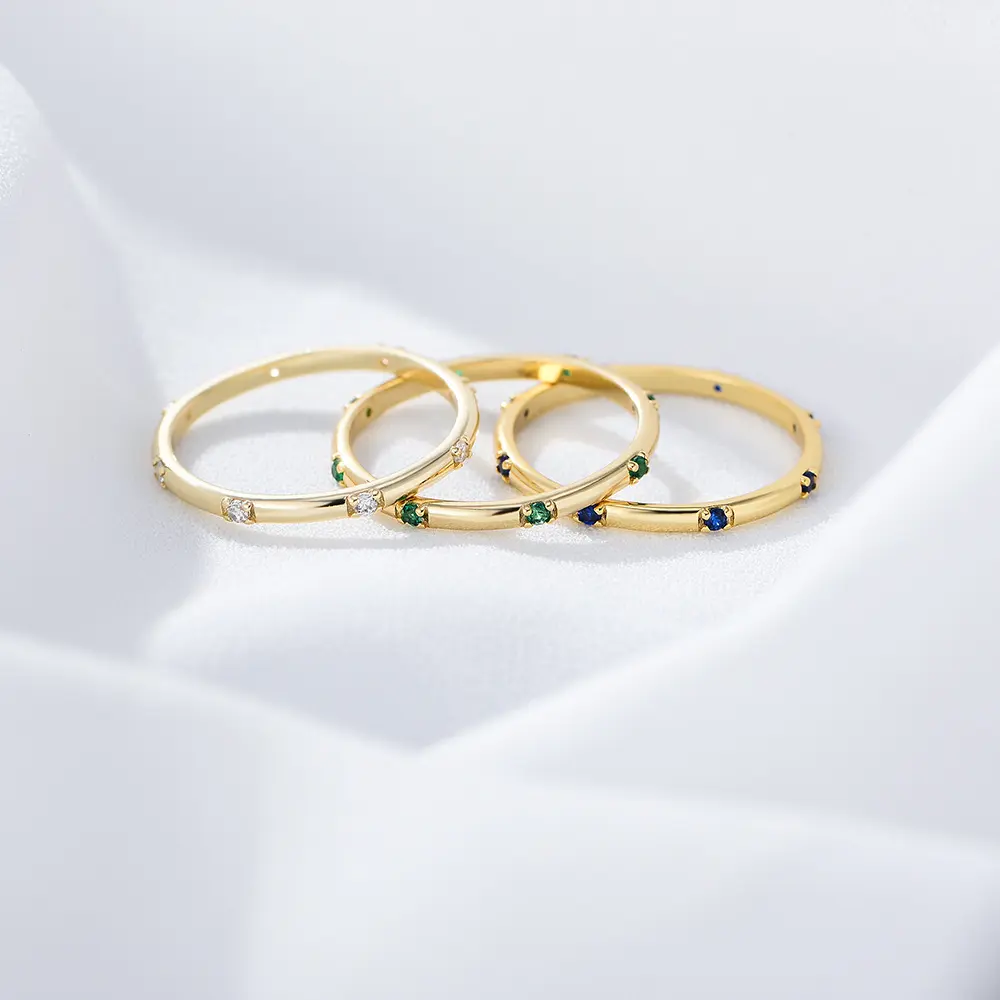
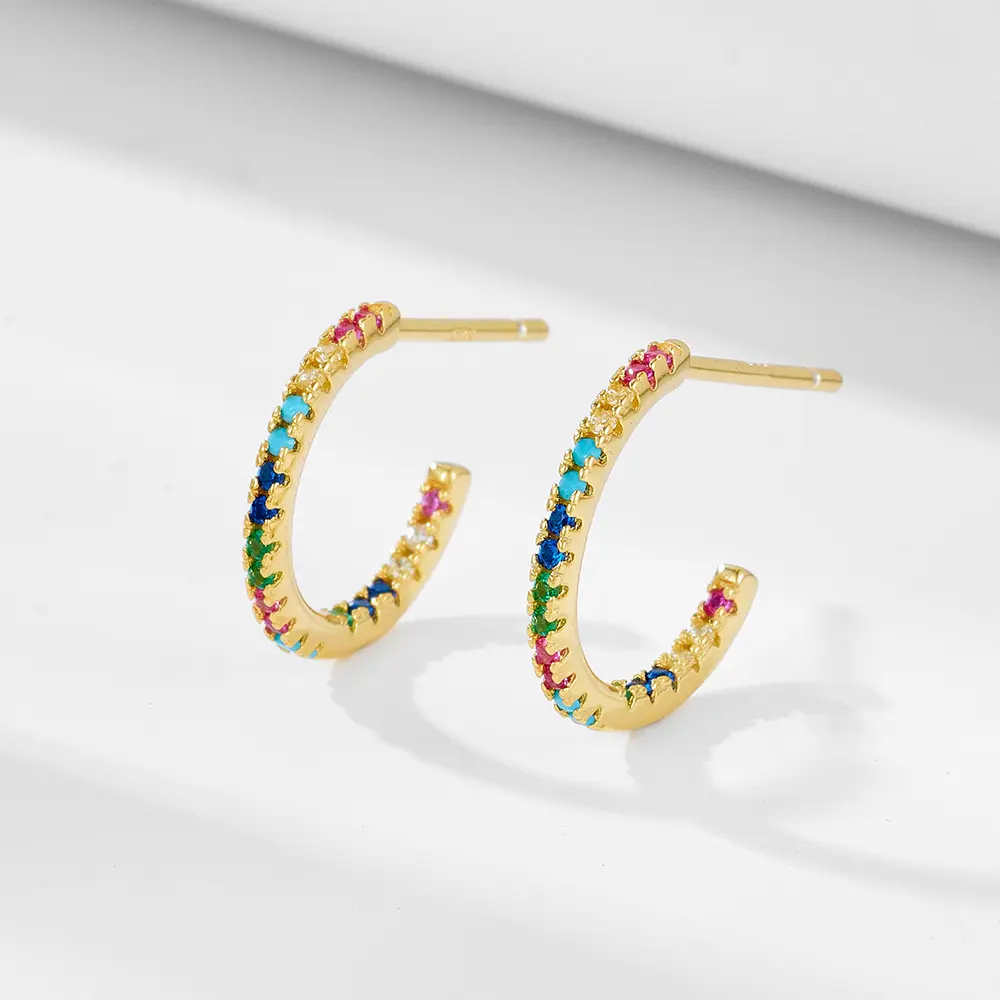
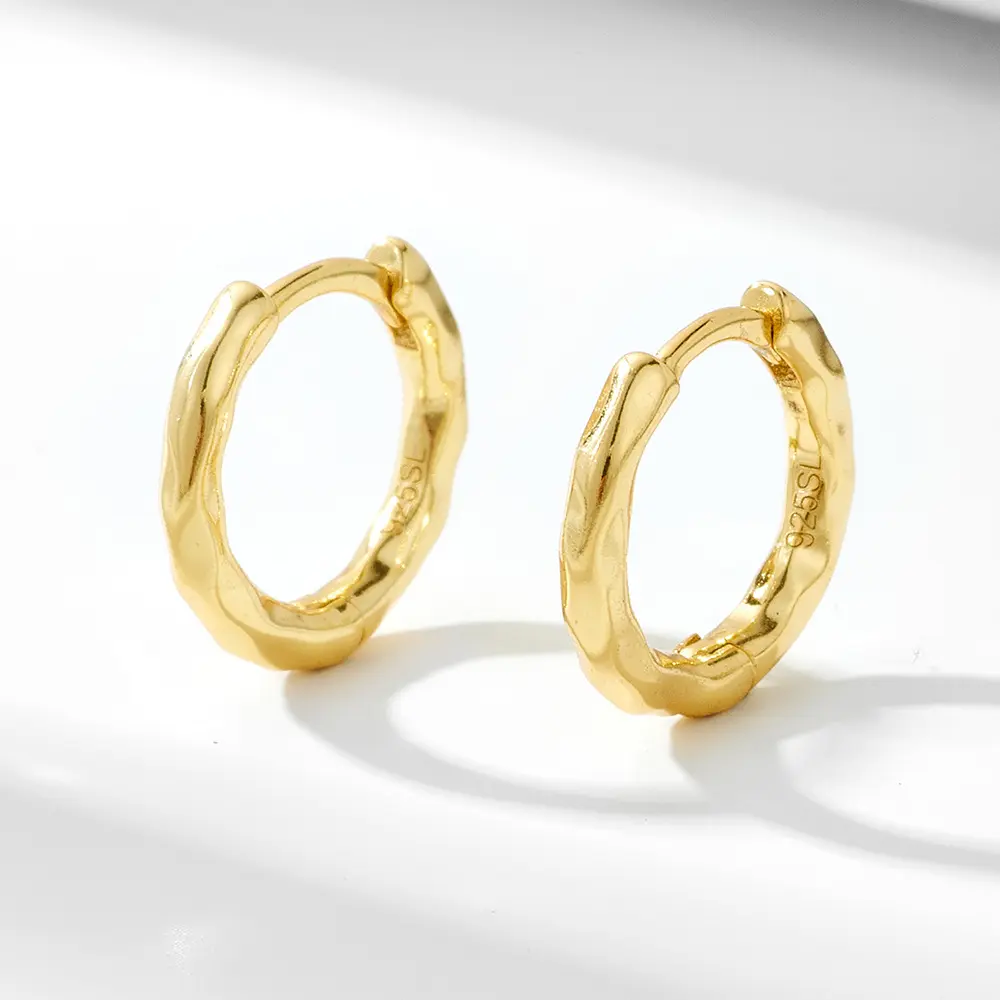
Frequently Asked Questions About Professional Gold Vermeil Manufacturing
What is the minimum order quantity for custom gold vermeil jewelry production?
Our minimum order quantity starts at 50 pieces per individual design. This accessible MOQ allows smaller brands, boutiques, and emerging businesses to access professional manufacturing services while maintaining cost-effectiveness and quality standards.
How long does gold vermeil plating typically last with regular wear?
With proper care and maintenance, our 2.5-micron gold vermeil plating typically maintains its appearance for 3-5 years with daily wear. Longevity factors include individual skin pH levels, exposure to chemicals, wearing frequency, and proper jewelry care practices.
Can you match specific gold colors, tones, or custom finishes?
Yes, we can achieve various gold tones including yellow gold, white gold, and rose gold finishes in different karat options. We also offer multiple surface finishes including high polish, matte, brushed, hammered, or custom textured surfaces according to your specifications.
What file formats do you accept for custom jewelry designs?
We accept various digital formats including JPG, PNG for concept sketches, AI, PDF for vector artwork, and STL, OBJ for 3D models. Our experienced design team can also work effectively from hand-drawn sketches, detailed descriptions, or reference images.
Do you provide physical samples before proceeding with mass production?
Absolutely. We always provide physical samples for client approval before proceeding with mass production orders. Sample costs are typically credited toward your final order total when you proceed with full production, making the process cost-effective.
How do you ensure consistent quality across large production orders?
We utilize batch production methodologies with quality checkpoints throughout the manufacturing process. Every 100 pieces undergo detailed inspection procedures, and we maintain strict process controls and documentation to ensure uniformity across entire orders.
What are your standard payment terms and options?
We typically require 50% deposit upon order confirmation and 50% balance payment before shipment. For established customers with proven order history, we may offer more flexible payment terms based on relationship duration and order volume patterns.
Can you accommodate rush or expedited production orders?
Yes, we offer expedited production services for urgent timeline requirements. Rush orders typically require 7-15 working days depending on design complexity and order quantity, with additional express production fees applied to cover overtime and priority scheduling.
Q: Do you also produce non-vermeil (brass or steel) lines?
A: Yes. Many clients run a tiered offer: vermeil over silver for premium lines, plus brass or stainless steel for more affordable collections. We clearly separate specs so your labeling is accurate.
Q: Can you help with packaging and barcodes?
A: We can provide basic packaging or work with your custom packaging files. For larger projects, we can coordinate barcodes, inserts, and logo cards.
Q: What happens if a batch fails your internal thickness standard?
A: We do not ship below-spec vermeil. Batches that don’t meet the agreed thickness are either reworked (replated) or scrapped and remade, depending on the deviation and design.
Ready to Start Your Gold Vermeil Jewelry Manufacturing Project?
Transform your creative jewelry concepts into market-ready reality with HonHo’s professional gold vermeil manufacturing services. Our experienced team of specialists is ready to discuss your specific requirements, provide detailed quotations, and guide you through every step of the manufacturing process.