

Learning how to clean stainless steel jewelry is essential if your favorite necklace has started to look a bit dull. Now, a few months later, it’s slightly dull, perhaps grimy around the chain links and you’re wondering if you ruined it. You have not. Stainless steel is one of the most forgiving materials in jewelry, and in virtually every case a simple at-home clean is all that’s needed to restore its shine.
This guide details 7 effective methods, from a quick daily wipe to deeper methods for stubborn tarnish. More important, it addresses what most cleaning guides overlook: how to treat PVD-plated and gold-plated stainless steel differently from ordinary pieces of it; what finish you have and why that matters; and three common ways people make mistakes that do more damage than the dirt they’re working to wash away.
Whether you have a plain ring, an engraved pendant or a complete jewelry set made of stainless steel, most of what you need is likely in your kitchen or bathroom.
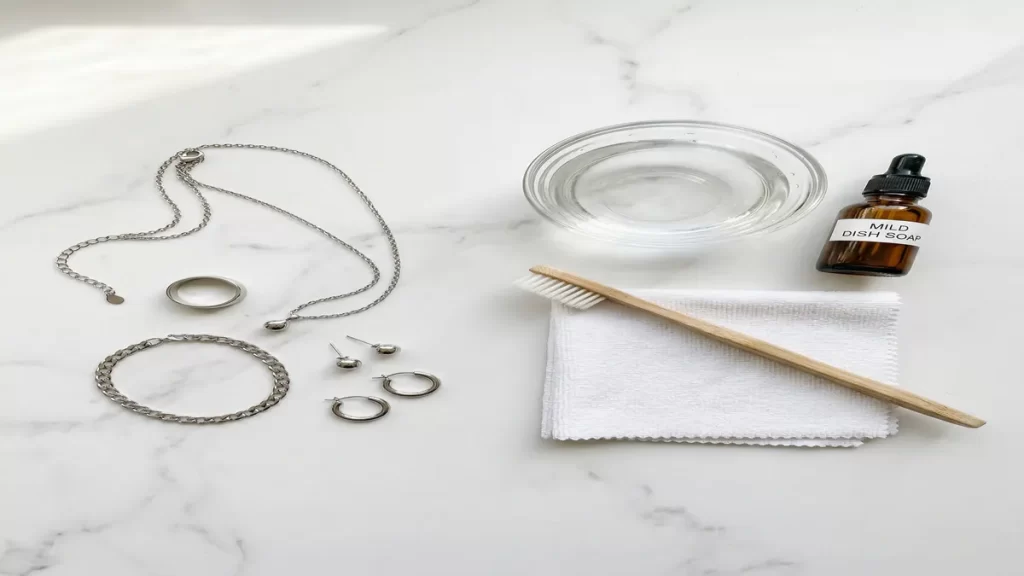
1. Why Stainless Steel Still Needs Cleaning
The reason it is called stainless steel is because of the chromium that it contains — typically at least 10.5% of the alloy. When chromium comes in contact with oxygen, it creates a transparent protective layer (chromium oxide layer). It is this that makes the metal resistant to rust and tarnish, as compared with silver or brass.
But that layer has literal source code limits. None of these will rust good stainless steel before your eyes in a day, but they can all add up to leave a dull film that mutes its shine over time.
- Skin oils and sweat
- Lotions, perfumes, and sunscreen
- Environmental dust and pollution
- Mineral deposits from hard water
- Salt from the ocean and chlorine from pools
None of these will make high-quality stainless steel rust in a day, but they can accumulate over time to leave a dull film that mutes the shine. The optimistic note: this buildup is purely skin-deep. Regular, gentle cleaning removes it entirely — no special products required.
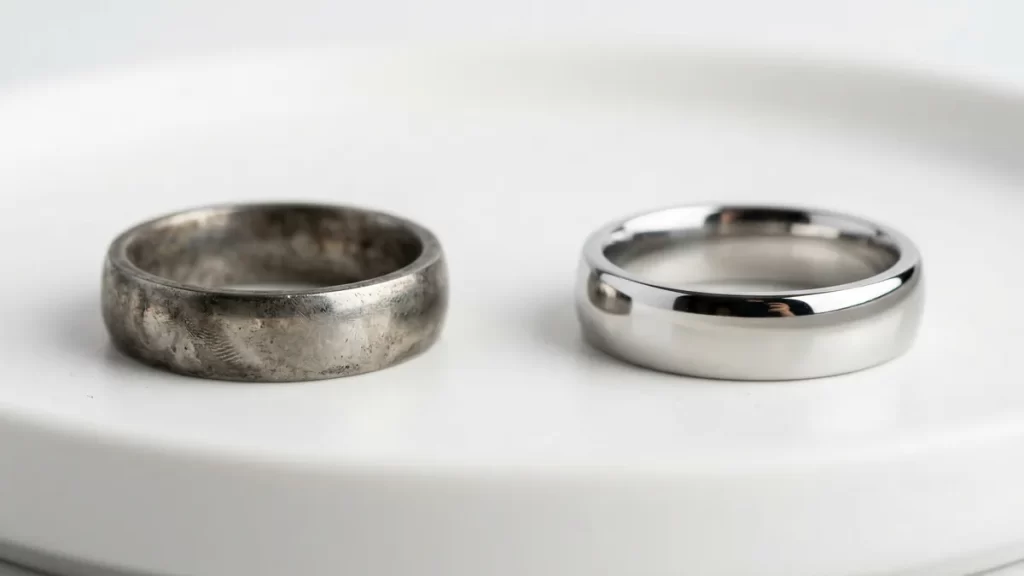
Understand Your Music before Starting
Not all stainless steel jewelry is created equal, and applying the incorrect method to the wrong type of piece (and vice versa) is one of the most common ways people inadvertently destroy their pieces. Before you wipe anything down, take 30 seconds to assess what you’ve got.
Plain 316L Stainless Steel
This is the finest grade for durability in jewelry. It includes molybdenum, which provides additional protection against rust and is the same type of material used in medical implants and body piercing jewelry. Unadorned 316L pieces — silver-toned rings, chains and bangles — are the easiest to clean. 7 methods listed in this guide are safe for them.
PVD-Plated or Gold-Plated Stainless Steel
Some pieces are created using stainless steel as a base and coated in a thin layer of gold, rose gold or black. To achieve a high-quality finish that is still immune to tarnishing, manufacturers such as HonHo Jewelry apply a 0.5-micron titanium nitride layer, deposited with the PVD (Physical Vapor Deposition) process; this base layer provides an extra-shield against wear and tear under the subsequent gold coating. Plated surfaces, however, are less durable than solid metal. For plated pieces, avoid abrasive methods and soaking for extended periods.
Stainless Steel With Gemstones or Enamel
If your piece has stones or colorful enamel detailing, you need to be gentle around those areas. Many gemstones — particularly softer ones rated below 7 on the Mohs Hardness Scale — can be scratched by baking soda or toothpaste. Enamel can be loosened by prolonged soaking or ultrasonic vibrations.
Surface Finish: Does It Matter for Cleaning?
Yes. The finish affects how you clean and how you dry:
| Finish Type | Cleaning Note | Drying Note |
|---|---|---|
| Mirror / High Polish | Shows fingerprints easily; clean frequently with soft cloth | Buff dry to prevent water spots |
| Brushed / Satin | Always rub with the grain (the direction of the brush lines), never across | Pat dry — do not buff |
| Hammered or Textured | Use a soft toothbrush to reach the low points; soap and water works best | Air-dry upright or pat gently |
| Matte / Sandblasted | Avoid polishing cloths — they will fill the texture and make it shiny | Blot gently with a lint-free cloth |
Quick test: Swipe a soft cloth on your jewelry. If you see small parallel lines in the metal, it has a brushed finish. If it reflects like a mirror, it is polished. If neither, it is likely matte or textured.
3. Method 1: Soap and Water — Best for Daily Maintenance
This is the only way that works for ALL stainless steel jewelry, NOT just some of the time! It’s what you reach for to do regular cleaning, and to clear away that day-to-day grime of skin oils and lotion residue.
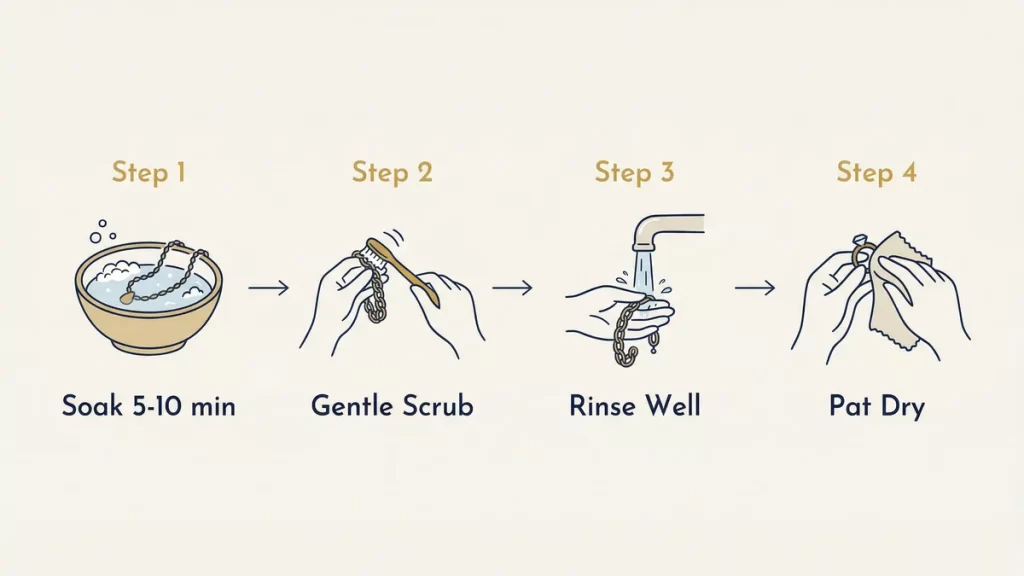
What You Need
- 2 small bowls
- Warm water
- 2–3 drops of mild dish soap (avoid formulas with degreasers for plated pieces)
- Soft microfiber cloth
- Soft-bristled toothbrush (for chains or intricate pieces)
Steps
- Fill a bowl with warm water and add 2–3 drops dish soap. Stir gently. Put the second bowl with plain warm water to rinse.
- If your dish is really dirty, let it sit in the soapy water for 5–10 minutes. Soaking should be limited to 2–3 minutes for plated pieces.
- Soak your soft cloth in the soapy water and rub the jewelry, following any brushed finish lines if it has them. Use the soft toothbrush with very light pressure, for chains, intricate engravings and narrow spaces.
- To rinse, dip the piece into your second bowl of clean water or hold it quickly under a gentle stream of lukewarm tap water. Rinse away all traces of soap — a remnant of soap leaves behind a dull film.
- Dry thoroughly with a clean, lint-free cloth. Do not let the jewelry air dry, as water spots may develop. For shiny pieces, give a last light polish.
Why it works: Dish soap cuts and dissolves oils and grease, yet is not abrasive. Combined with warm water and a soft cloth, it’s adequate for most cleaning chores without fear of any damage.
4. Method 2: Baking Soda Paste — For Stubborn Grime and Dull Spots
When soap and water isn’t doing the trick on built-up grime, baking soda is next in line. It functions as a very light abrasive — gentle enough for stainless steel, yet robust enough to remove stuck-on detritus. It also neutralizes odors, making it an ideal fit for rings or bracelets worn during workouts.
Caution: Baking soda paste should be avoided on PVD-plated, gold-plated, and rose gold plated stainless steel. The gentle abrasion can wear and thin the plating as time goes on. Baking soda is also a no-go on soft gemstones (opals, pearls, turquoise, amber).
What You Need
- 1 tablespoon baking soda
- ½ tablespoon warm water
- Small bowl
- Soft-bristled toothbrush (a baby toothbrush has the softest bristles)
- Soft cloth for drying
Steps
- Combine the baking soda and water in a small bowl until you have a paste roughly the thickness of toothpaste. If too dry, add a few more drops of water.
- And dip the toothbrush in to some of that paste and use it to apply to the jewelry. Work in gentle circular motions, going with the grain on brushed pieces. Concentrate on spots with noticeable buildup or staining.
- For chains, use a toothbrush to work the paste into the links. Get into all the crevices — baking soda residue left in tight spots can dry powdery.
- Rinse with warm running water until all of the paste is completely washed away. This step is more important than with soap — baking soda is difficult to rinse from crevices.
- Pat dry, and buff with a soft cloth. You should see a giant jump in brightness.
Variation — Baking Soda and Vinegar: Baking Soda and Vinegar: For extra-stubborn gunk, such people mix baking soda with a little bit of white vinegar to make a briefly fizzing paste. The gentle nature of this tone can help to dissolve heavy buildup. Only use this on plain (unplated) stainless steel and rinse off very well afterward.
5. Method 3: White Vinegar Soak — Brightens and Deodorizes
White vinegar is a mild acid that cuts through mineral deposits and the hazy film that builds up from hard water. It is particularly good for pieces that have been exposed to pools or the ocean.
What You Need
- 1 cup white vinegar
- 1 cup warm water
- Bowl
- Soft cloth
Steps
- Combine equal parts white vinegar and warm water in the bowl.
- Submerge the jewelry and let it soak for 10–15 minutes. For plated pieces, cut this to 5 minutes maximum, and only if absolutely necessary — the acidity can affect coatings over time.
- Use a soft cloth to wipe away loosened residue. For stubborn spots, dip a soft toothbrush in the solution and scrub lightly.
- Rinse thoroughly under fresh water — all vinegar must be removed, as the acidity can continue working on the metal if left behind.
- Dry completely with a soft cloth.
Smell concern: Vinegar has a strong smell while you work, but it disappears completely once rinsed and dried. If the scent bothers you, work near an open window.
6. Method 4: Toothpaste Polish — Quick Shine, With Conditions
Plain white toothpaste has a slightly abrasive agent that polishes stainless steel and removes minor surface dullness. It works — with significant caveats.
Toothpaste Rules:
- Only use basic white toothpaste, no gel formulas, no whitening toothpaste, nothing with silica or the kind of tartar-control beads.” These will scratch because they are too abrasive.
- Never use toothpaste on PVD-plated, gold-plated or gemstone pieces.
- Always do a small test in an inconspicuous place before applying to the whole piece.
- Use this technique sparingly — it can cause superficial micro-scratching over time with repeated use.
Steps
- Moisten a tiny corner of soft cloth with warm water.
- Squeeze a pea-sized amount of ordinary white toothpaste onto the wet cloth.
- Lightly rub the cloth on the jewelry, following the grain for pieces that have been brushed.
- In narrow areas, use a damp soft toothbrush, once more working with the grain. Keep away from any stones.
- Rinse thoroughly under lukewarm water. Links or carvings — dried toothpaste left in links or engravings will dry white and powdery.
- Pat dry and buff.
7. Method 5: Ultrasonic Cleaner — The Most Thorough Clean
Ultrasonic cleaners are small countertop devices, readily available online for home use, that employ high-frequency sound waves to create millions of tiny bubbles in water. These bubbles are what does the cleaning — they go into places no rag or brush can reach.
Ultrasonic cleaner is one of the best ways to clean plain 316L stainless steel without stones, plating etc. Chains with multiple links, rings with engravings and pieces with intricate detail all come out sharply cleaner.
Do NOT use ultrasonic cleaners on:
- What not to use: PVD-plated or gold-plated stainless steel — heavy vibrations can compromise the coating
- Gemstone-set pieces — the vibrations can loosen stones and damage softer gems
- Enamel pieces — vibrations can crack or loosen the fills of enamel
How to Use an Ultrasonic Cleaner
- Add some water to the tank and drop in a few drops of mild jewelry cleaning solution or dish soap.
- Put the jewelry into the basket — do not allow pieces to touch one another.
- Run a cycle of 3–5 minutes. Once for heavily soiled items.
- Remove and wash under clean water.
- Wipe dry thoroughly with a microfiber cloth.
8. Method 6: Jewelry Polishing Cloth — Everyday Maintenance
Jewelry polishing cloths are two-layer cloths that have been pre-treated with gentle polishing compounds. It gets rid of light tarnish, oils and surface smudges without water or chemicals. Most jewelers include one with good pieces, and they’re easy to find.”
Polishing cloths are great for a touch up before wearing your jewelry, or as the final step after any of the wet cleaning methods. Apply them to buff mirror-polished pieces for the most shine.
One note of importance is to never use a standard polishing cloth on matte or sandblasted stainless steel. The polishing compound is meant to impart shine, and on a matte finish it will run through the texture and create an uneven shininess that makes the surface appear oily. Only use a dry, clean microfiber cloth on matte pieces.
9. Method 7: Professional Cleaning — For Persistent Problems
If doing it at home is not bringing back the shine, then a jeweler will be your friend. Usually this is an industrial ultrasonic cleaner, a steam cleaning step and sometimes a light professional polish. This is also the right option for a piece with scratches — a jeweler can polish them out in ways that could be risky at home.
While pricing for professional cleaning can vary, for one item it is typically relatively inexpensive and well worth it if the jewelry has sentimental or monetary value.
10. Special Guide: Cleaning PVD-Plated and Gold-Plated Stainless Steel
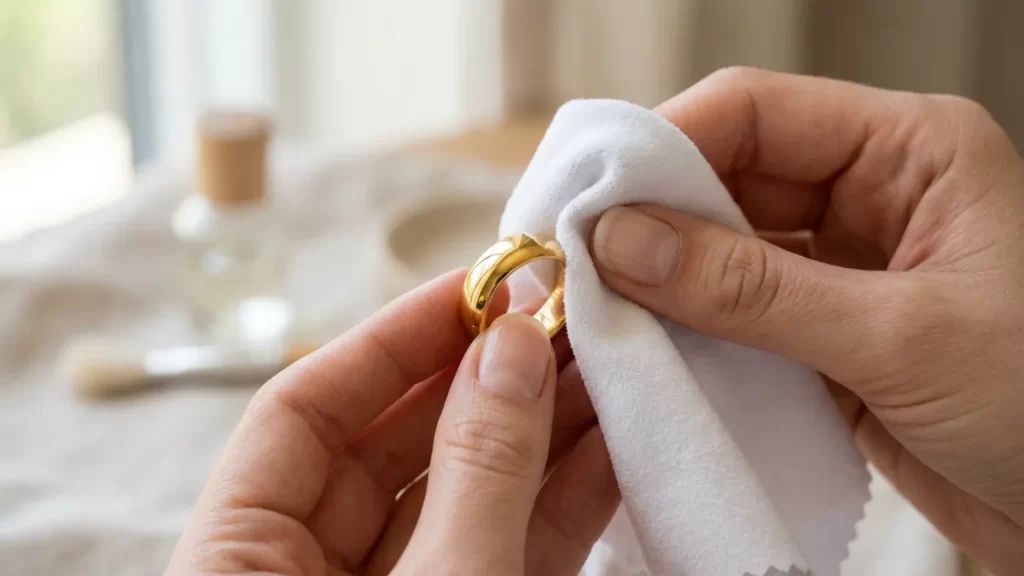
This section addresses territory most cleaning guides leave out — and it’s one of the most frequent sources of unintentional damage.
Many pieces of stainless steel jewelry available today are coated — in gold, rose gold, black or other colors. How the coating process is done is crucial to how the piece holds up to cleaning. Inexpensive fashion jewelry has low-grade electroplating that rubs away fast. Higher-quality pieces use something called PVD (Physical Vapor Deposition) coating — a process that bonds the metal at a molecular level to keep it from tarnishing and one that lasts much longer.
Here at HonHo Jewelry, our PVD process applies a 0.5-micron titanium nitride (TiN) base layer — about 2–5x thicker than the industry average — before the final color coat. This is why our pieces can handle more wear and are more water-resistant than standard plated jewelry. But even PVD-coated pieces have specific cleaning needs.
How to Clean PVD-Plated Stainless Steel
Recommended Method: Gentle Soap and Warm Water Only
- Mix 1–2 drops of mild dish soap into a bowl of warm water
- Soak a soft microfiber cloth in the soapy water — don’t wet the piece itself. Instead, gently blot the surface, rather than rubbing or scrubbing. In addition, for plated pieces, dabbing ensures you do not remove that thin layer of coating.
- For plated chains, a very short soak (under 2 minutes) is fine, then work the solution through the links with a cotton swab.
- Wipe with a damp (not running!) cloth to remove the soap. Do not hold the piece under running water for long stretches.
- Quickly and thoroughly dry using a dry microfiber cloth.
Troubleshooting: Plating Edge Wear
A pro jewelry-care tip: If you see the plating beginning to wear on the edges/high-contact points of a piece, putting a thin gloss coat of clear (jewelry-safe) nail polish or jewelry edge sealant over those specific spots will help slow further wear. This is not a cleaning step, but rather preventative maintenance — and it’s not a permanent solution — but it can prolong the life of remaining plating on cherished items.
Why 316L vs. 304 Grade Matters for Plated Jewelry
Not all “stainless steel jewelry” is made from the same grade of steel. The two most common are 304 and 316L. The difference matters when the plating wears:
| Grade | Nickel Content | Corrosion Resistance | Best For |
|---|---|---|---|
| 304 Stainless Steel | 8–10% | Good (standard use) | Budget jewelry, decorative items |
| 316L Surgical Steel | 10–14% (but stabilized, low release) | Excellent (molybdenum added) | Jewelry with skin contact, sensitive skin, high-wear pieces |
316L nickel release reaches only 0.2µg/cm²/week so it is REACH compliant. The point is that it depends on the base metal used in your plated piece, and if it has a 304-grade or lower grade–meaning that after some time when you can spot the plating worn out, you’ll be more prone to discoloration. Quality manufacturers (such as HonHo Jewelry) only use 316 for any of their plated pieces.
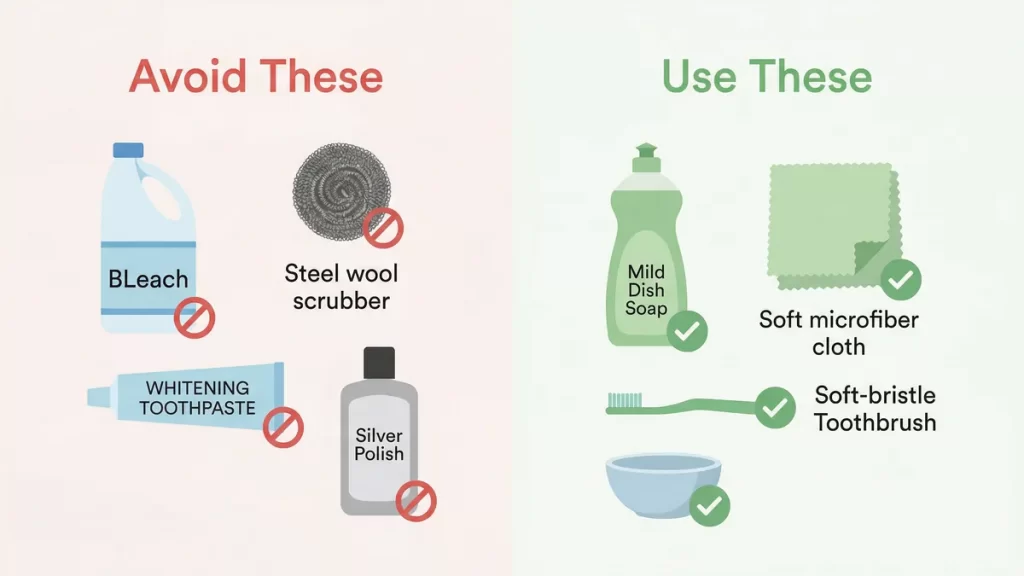
11. What to Avoid — The Damage List
Knowing what not to use is just as important as knowing the right methods. These are the most common mistakes people make when cleaning stainless steel jewelry:
| What to Avoid | Why It Damages Jewelry |
|---|---|
| Bleach and chlorine | Breaks down the chromium oxide protective layer; causes discoloration and pitting |
| Ammonia-based cleaners | Can corrode the surface and dull finishes, especially on plated pieces |
| Steel wool or abrasive scouring pads | Leaves deep scratches that are very difficult to remove |
| Silver polish | Not formulated for stainless steel — can leave stains or chemical reactions |
| Whitening or silica-gel toothpaste | Micro-abrasives are too aggressive; scratch the surface and plating |
| Hydrogen peroxide | Can discolor the surface over time; not recommended for any jewelry type |
| Wax-based polishes | Leaves a cloudy wax film that attracts more dirt and dulls the finish |
| Hot water | Extreme heat can affect some plating adhesion and loosen gemstone settings |
If your stainless steel turns black: This usually indicates that the chromium oxide layer has been compromised — most commonly from being exposed to bleach or ammonia, or prolonged exposure to sweat with very low-grade steel. A paste of baking soda (on plain, unplated pieces) can sometimes remove mild discoloration. For widespread or recurring blackening, contact a professional jeweler. Trying to beat it at home with strong cleansers will typically exacerbate the problem.
12. Cleaning Schedule Based on How Often You Wear It
One of the most practical things you can do for your jewelry is to build a simple cleaning routine. Here is a schedule that works well for most people without being excessive:
| Frequency | What to Do | Method | Time Needed |
|---|---|---|---|
| After every wear | Wipe off fingerprints and oils | Dry microfiber cloth | 10 seconds |
| Weekly (daily wearers) | Remove lotion / product buildup | Soap and water | 5 minutes |
| Monthly | Deep clean and restore shine | Baking soda paste or ultrasonic | 10–15 minutes |
| As needed | Remove stubborn grime or odor | Vinegar soak or professional clean | 20–30 minutes |
| Twice yearly | Inspect clasps, settings, and plating | Visual inspection + professional if needed | 5–10 minutes |
13. Storage and Long-Term Care Tips
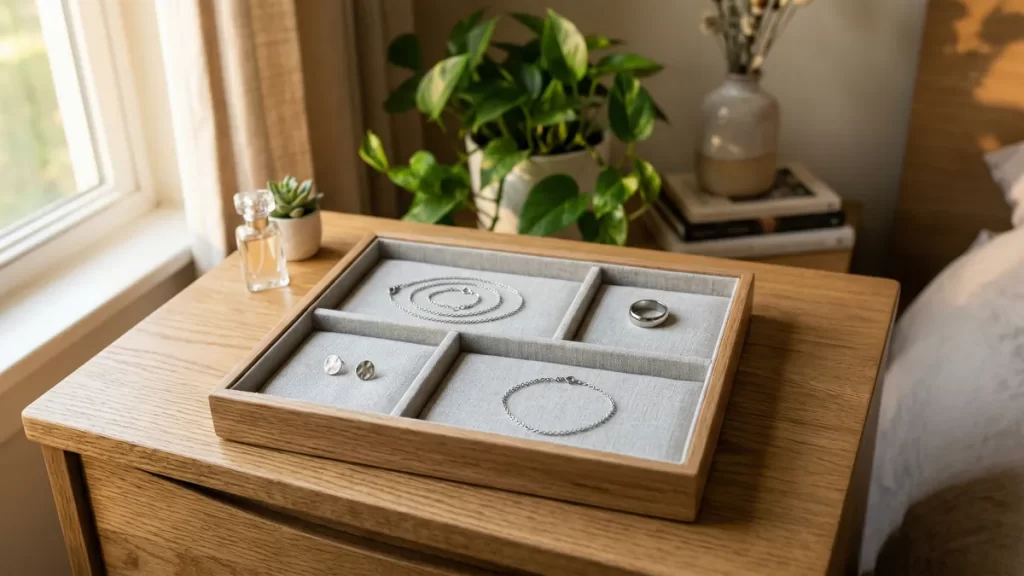
Cleaning is only half the story. Make a habit of how you store your jewelry between wears, and that can determine how often it’ll need cleaning — and for how long it looks good as new.
Store Pieces Separately
Even stainless steel can have surface scratches if pieces rub against one another. Keep each piece in its individual soft pouch, or in a fabric-lined jewelry box with separate compartments. This is particularly significant with polished-finish pieces that demonstrate scratches effectively.
Keep Away From Humidity
It may be tempting to toss a few baubles on a bathroom shelf — the most convenient spot, after all — but bathrooms are the worst environment for jewelry. Steam and humidity speed up mineral buildup, which can influence plating over time. Store your jewelry in a cool, dry bedroom drawer or on a clean dresser top instead.
The “Last On, First Off” Rule
Only put jewelry on after applying perfume, hairspray, makeup and lotion. So take it off prior to swimming, housekeeping or working out. Just this one habit will cut the need for a deep clean by half.
Avoid These Everyday Scenarios
- Swimming in chlorinated pools: Take off jewelry first. Even plain stainless steel will dull from chlorine over time, and plating is really degraded quite a bit by this.
- Salt water is corrosive with repeated exposure. If it does, rinse with fresh water immediately.
- Gym and exercise: Sweat is mildly acidic, and it’ll accumulate in chain links and engravings. Remove pieces or rinse briefly with clean water after a sweaty workout.
- Household cleaning: before using bleach, oven cleaners or any strong household chemical, remove all jewelry.
Interested in Long-Lasting Stainless Steel Jewelry?
HonHo Jewelry is a direct manufacturer in China with 16+ years of experience crafting 316L stainless steel pieces with advanced PVD plating. Low MOQ, custom designs, and wholesale pricing available.Explore Our Products
14. Frequently Asked Questions
Can you use vinegar to clean stainless steel jewelry?
Yes. Combine 1 part white vinegar + 1 part warm water, soak piece for 10–15 minutes (plated pieces only for no more than 5 minutes), then wipe gently with a soft cloth and rinse very well. For extra-stubborn gunk on simple (unplated) stainless steel, you can combine vinegar with baking soda for a mildly fizzing paste. Rinse thoroughly — any residual vinegar left on the metal can continue to cause light corrosion over time.
How often do I clean a stainless steel jewelry?
For more casual pieces, a quick wipe-down with a dry microfiber cloth after each wear is perfect. If you wear a piece every day, give it a full soap-and-water clean weekly. Once a month, a more thorough clean with baking soda or ultrasonic methods usually keeps shine in check. If a piece looks dull, or you see visible buildup, compromise the schedule and clean it sooner — your eyes are the best guide.
Is it safe to wear stainless steel jewelry in the shower?
Plain 316L stainless steel fares well with shower exposure as many people do this without a problem. But when bathing, it is preferred to take off PVD plating or gold-based filigrees. Even on the best coatings, repeated exposure to hot water and soap will eventually attack the plating layer. Ocean swimming and pool water is more aggressive — always take off your jewelry for those activities.
What should I avoid using to clean stainless steel jewelry?
So stay away from bleach, chlorine, ammonia, steel wool or abrasive scrubbers, silver polish, whitening toothpaste with silica, hydrogen peroxide and wax-based polish. These can scratch the surface, destroy the protective chromium oxide layer, cause discoloration or leave a film that dulls the jewelry’s sheen. If you’re unsure, stick with mild dish soap and warm water.
How come my stainless steel jewelry turned black?
Blackening is usually the result of exposure to aggressive chemicals such as bleach or ammonia that compromise the protective chromium oxide layer. It can also be caused by prolonged contact with strong sweat or very low-grade steel. Sometimes a baking soda paste can reinstate mild discoloration on plain pieces. If the blackening is extensive, penetrates deeply or comes back after cleaning, it probably means that the underlying metal has been compromised — take it to a professional jeweler instead of trying to do an aggressive home cleaning, which might cause more damage.
How can I clean gold-plated and rose gold plated stainless steel jewelry?
Only mild soap and warm water, applied with a soft, damp cloth — no soaking the piece. Dab gently rather than scrubbing. Don’t use baking soda paste or toothpaste, ultrasonic cleaners or vinegar soaks on plated pieces. Dry immediately after cleaning. The objective is to wash away surface oils and contamination without placing any abrasive or acidic stain on the thin plating layer. High-quality PVD-plated jewelry can withstand this gentle cleaning routine for years without deteriorating.
Is stainless steel jewelry hypoallergenic?
Hypoallergenic high-grade 316L surgical stainless steel: REACH-compliant, nickel release >0.2µg/cm²/week These are exactly the skin safe properties that make it so commonly used for body piercing jewelry. Below 304 (this includes grades like 305, which are similar in nickel content but tend to leach more over time when exposed to acidic sweat environments. If you are sensitive to nickel, choose jewelry specifically made from 316L or labeled “surgical steel” or “REACH-certified.”
It is possible to use an ultrasonic cleaner on stainless steel jewelry that contains gemstones.
It depends on the stone. Diamonds (Mohs 10) and sapphires/rubies (Mohs 9), which are hard gemstones, can be safely cleaned in ultrasonic cleaners. Soft or porous stones — opals, pearls, turquoise, amber, emeralds and any glued-in stones — should never enter an ultrasonic cleaner. The vibrations can fracture the softer stones or loosen adhesive settings. When in doubt, the soap-and-water method is fine for any piece with gemstones.
References
- Wikipedia — Stainless Steel: Composition and Chromium Oxide Layer
- Jewelers Mutual Group — How to Clean Stainless Steel Jewelry
- wikiHow (reviewed by Edward Lewand, Graduate Gemologist, GIA 36 years experience) — 3 Ways to Clean Stainless Steel Jewelry
- The Peach Box — How to Clean Stainless Steel Jewelry: Top 8 Best Methods
- Nomination Jewelry — Best Way to Clean Steel Jewelry
- CozPalace — How to Clean Stainless Steel Jewelry: Ultimate Guide 2025
- YouTube — Full guide to stainless steel jewelry care (including plating protection and inspection tips): How to Take Care of Stainless Steel Jewelry
- HonHo Jewelry — Custom Stainless Steel Jewelry Manufacturer (PVD process details)
Best Costume Jewelry in 2026: Brands, Materials & Care Guide
HonHo Jewelry is a custom jewelry manufacturer based in Dongguan, China, with 15+ years of
Silver Clay: The Complete Beginner’s Guide to Making Real Silver Jewelry at Home
All you need to turn your bare hands into real silver from scratch are a
Is Stainless Steel Good for Jewelry? The Full Guide (2026)
Is stainless steel good for jewelry? Walk into any jewelry store today — or scroll