

We build clarity for wholesale buyers and merchandisers on affordable decorative pieces that mirror fine design without precious metals.
In this guide, we define key materials and manufacturing choices. We explain plated base metals, glass crystals, resins, and simulated stones. We note how these choices affect finish durability and color consistency.
We outline how agile production supports fast-moving trends and helps buyers refresh assortments without heavy capital outlay. We also highlight sourcing and compliance steps that protect brand reputation and ensure hypoallergenic options.
Our goal is to give procurement teams clear comparisons to fine and semi-fine categories, plus practical guidance on styling, care, and merchandising to boost sell-through.
Key Takeaways
- Definitions and category placement for practical buying decisions.
- Common materials and their impact on durability and finish.
- How rapid design-to-market supports trend-driven assortments.
- Compliance and sourcing steps for safe, marketable pieces.
- Merchandising and care tips to extend value and reduce returns.
Understanding what is costume Jewelry
We define this category as trend-led adornments made from plated metals, glass, and synthetics that deliver high-impact looks at a modest cost.
Definition and terminology
Manufacturers and buyers use several terms: fashion jewelry, imitation, and artificial. Each label signals non-precious materials and helps with clear product listings and consumer trust.
How these pieces differ from fine categories
Fine items use solid gold, sterling silver, or platinum and natural stones. By contrast, plated metals, glass rhinestones, acrylics, and simulated stones define this market.
Why these pieces matter now
Design flexibility lets brands test color, shape, and finish quickly. People adopt these pieces to sample trends before moving to higher-priced items. That dynamic supports fast assortments and stronger margins.
| Feature | Accessible adornments | Fine categories | Business impact |
|---|---|---|---|
| Materials | Plated metals, glass, acrylic | Gold, platinum, natural stones | Lower unit cost, faster cycles |
| Durability | Moderate; replating possible | High; long-term repairable | Different warranty and care needs |
| Design speed | Rapid iteration | Slower, craft-driven | Fits seasonal trends vs. heirloom |
| Perceived value | Enhanced by finish and cut | Intrinsic via metals and stones | Upsell pathways to fine lines |
Practical note: specify thicker plating or upgraded clasps when use-case demands longer wear. Clear disclosure about metals and stones ensures compliance and builds buyer confidence.
From etymology to eras: the history of costume jewelry
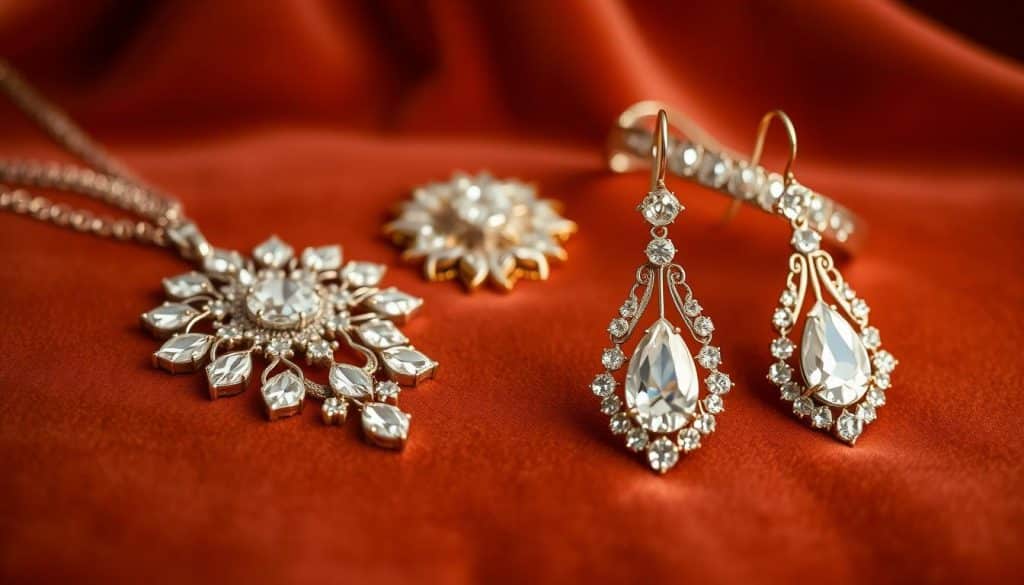
The origins of costume jewelry trace to the early 20th century, when ornaments began to match ready-to-wear outfits and retail windows drove seasonal updates.
Early decades set a template: accessible adornments that complemented garments rather than signaled family wealth. Art Deco in the 1920s and 1930s favored geometric lines, long pendants, bangles, and bold cocktail rings. These forms still influence contemporary merchandising and designs.
The Retro era (1935–1950) introduced glamour motifs: florals, bows, sunbursts, and new plastics such as bakelite. After World War II, Art Modern (1945–1960) shifted toward tailored, wearable styles—large bracelets, charm strands, and abundant rhinestones.
- Design lineage matters: Chanel, Dior, Miriam Haskell, Kenneth Jay Lane, Joseff of Hollywood, and Elsa Schiaparelli shaped notable looks.
- Hollywood influence: Film endorsements in the 1940s–50s made signed pieces desirable and boosted demand among women for statement pieces.
We use era cues to brief product teams—pendant lengths, bangle stacks, ring scale—so assortments read historically informed and sell at volume. Understanding this time-based lineage helps protect brand DNA and guides successful reissues and capsules.
Materials and making: metals, stones, and modern components
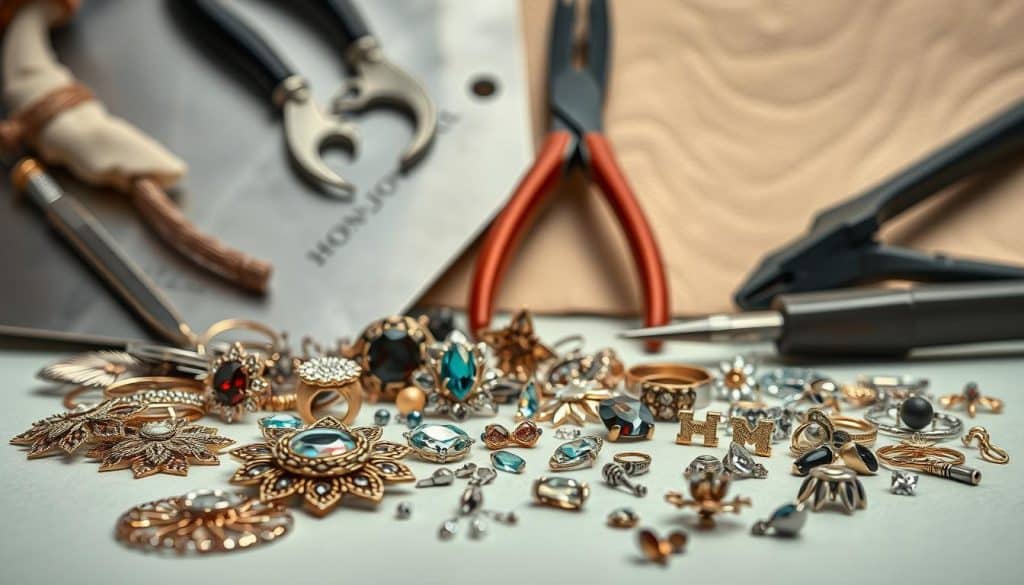
From brass cores to resin overlays, each component shapes perceived value and fit-for-purpose quality. We specify materials that balance cost with finish and wearer comfort. Good choices reduce returns and raise sell-through.
Base metals and finishes
Base metals such as brass, bronze, and alloys form most cores. Plating quality—flash versus micron-level—defines lifetime and color match.
We recommend thicker undercoats, controlled nickel recipes, and selective upgrades to vermeil or sterling silver for premium capsules.
Simulated stones and crystals
Rhinestones, glass crystals, and cubic zirconia replicate gem looks at low cost. Cut, clarity, and setting methods drive brilliance and durability for imitation stones.
Plastics, resins, and enamel
Bakelite, lucite, acrylic, and modern resins offer color and low weight. Gloss controls and batch testing keep hue and shine consistent across runs.
Safety and assembly
We enforce testing for restricted substances and specify nickel-safe findings and hypoallergenic posts. Assembly methods—casting, stamping, soldering, adhesive setting—receive QA checks to secure stones and joints.
| Component | Business impact | Spec tip |
|---|---|---|
| Brass core | Cost-efficiency | Micron plating, quality undercoat |
| Stones (rhinestone/glass) | Perceived value | Precision setting, cut control |
| Resin/enamel | Color scale | Gloss and color batch control |
Costume vs fine vs semi-fine: price, quality, and longevity
We compare three market tiers by materials, service options, and expected lifespan to guide buying strategy.
Fine pieces use precious metals such as gold and platinum with natural gemstones like diamonds and sapphires. They demand higher craftsmanship and often qualify as an investment. Repair and appraisal pathways support long-term value.
Semi-fine bridges include sterling silver and lower-karat gold with selected gemstones. These pieces deliver improved durability and hypoallergenic benefits while keeping better cost control than high-karat lines.
Plated and simulated options offer trend-led looks at lower price. They trade lifespan and serviceability for fast turnover and attractive margins.
- Serviceability: fine—fully repairable; semi-fine—partly serviceable; plated—limited.
- Upgrade path: design stories can move customers from plated pieces to semi-fine and fine over time.
- Compliance: hallmarking and clear metal disclosures build trust and reduce returns.
| Category | Materials | Longevity | Business note |
|---|---|---|---|
| Fine | Solid gold, platinum, natural gemstones | Heirloom; high repairability | Higher cost, appraisal potential, stronger margins per piece |
| Semi-fine | Sterling silver, lower-karat gold, select gemstones | Daily wear; serviceable | Balanced cost-quality; good repeat purchase paths |
| Trend-led plated | Plated bases, simulated stones | Shorter lifecycle; limited repair | Low unit cost, fast assortments, higher SKU churn |
Value, vintage, and collecting fashion jewelry
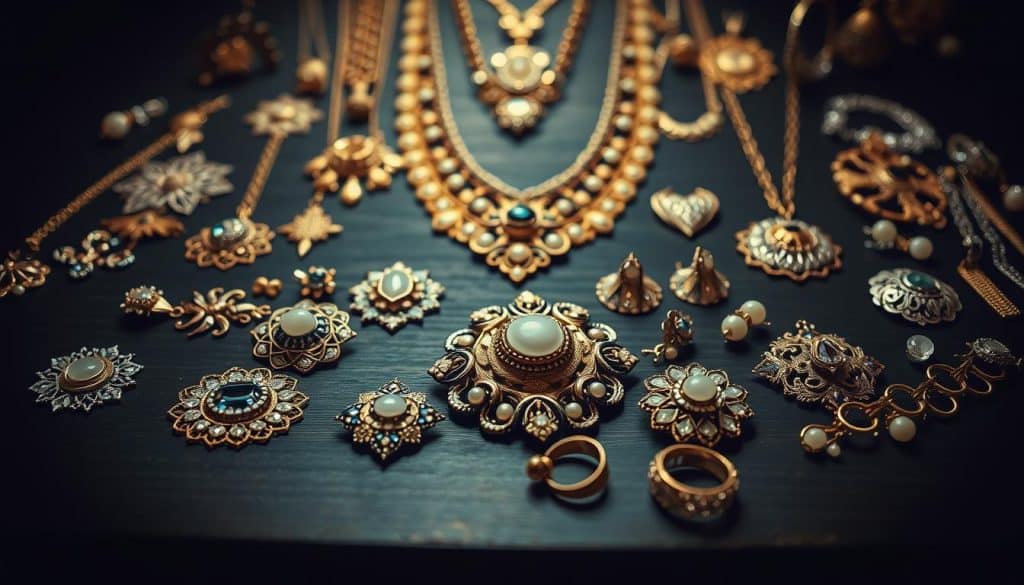
Collectors prize vintage pieces for their maker signatures and the stories those marks carry. Vintage items—often 20–25+ years old—move in active secondary markets. Signed work from key brands commands premiums and drives demand among retail buyers.
Signed pieces, notable makers, and the secondary market
Signed designers such as Miriam Haskell, Chanel, Dior, Crown Trifari, Joseff of Hollywood, and Kenneth Jay Lane lead pricing lists.
- Signature marks and documented provenance increase perceived value and resale trust.
- Limited reissues and capsule drops can spike interest and lift prices on original pieces.
Condition, rarity, and era-specific designs that hold value
We grade condition by plating wear, stone integrity, and clasp function. Rarity, distinctive era motifs—Art Deco geometry or Retro florals—and Hollywood provenance raise pricing.
| Factor | Impact on value | Retail action |
|---|---|---|
| Signature mark | High | Highlight in listings |
| Condition | Medium–High | Conserve & document |
| Era motif | Medium | Tag by period |
Best practices: authenticate with maker marks, macro photos, measurements, and materials notes. Store appreciated pieces in humidity-controlled, lined cases to preserve finishes and simulated gemstones. Signed designer work offers a clear niche for retailers seeking story-rich differentiation.
Styling tips: elevate outfits with less expensive pieces
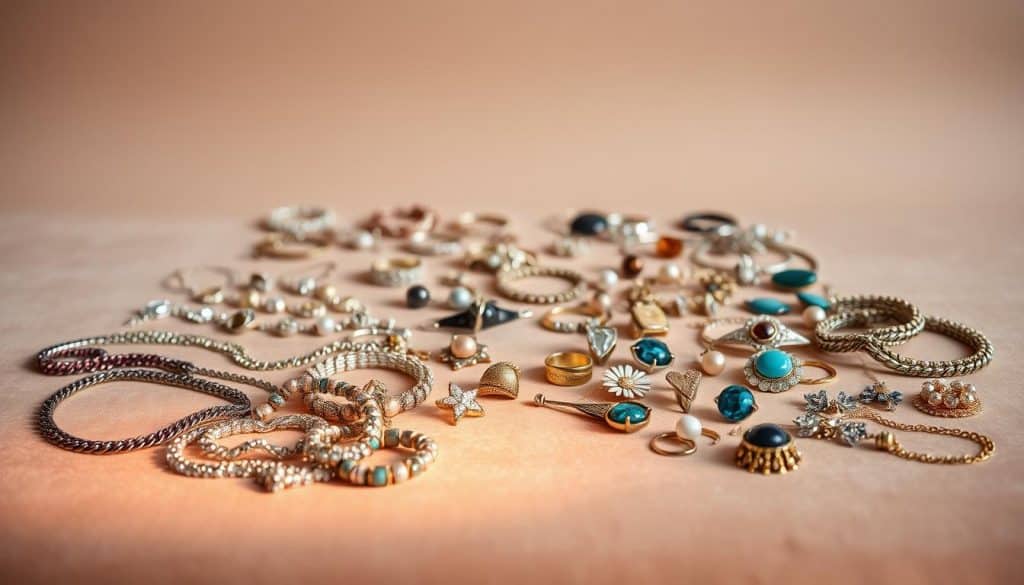
This section focuses on practical pairings that bridge office restraint and evening drama. We offer compact rules to help merchandisers and buyers create cohesive looks from accessible lines.
From office basics to evening glam: mixing metals, textures, and gemstones
Mix gold and silver tones in capsule combinations for modern versatility. A balanced pair of rings and a slim chain works from desk to dinner.
Proportion matters: keep one focal piece large and supporting bracelets or necklaces minimal. Three coordinated pieces deliver cohesion and comfort.
- Use enamel and resin to echo seasonal apparel palettes and current trends.
- Layerable chains and stackable bracelets increase basket size and repeat purchase potential.
- Texture—hammered finishes, rope chains, faceted stones—adds depth for ecommerce photography.
- Let statement earrings serve as the focal point; keep other pieces restrained.
Merchandising tips: integrate signature design elements across SKUs for brand consistency. Display with color-blocking, varied heights, and targeted lighting to boost sparkle and conversion.
Final note: advise customers to add pieces last and remove them first to protect finishes and simulated gemstones.
Care and maintenance to extend wear over time
Simple maintenance extends wearable life for plated and simulated pieces. We focus on practical steps that protect finish, settings, and wearer comfort. Short routines reduce returns and keep inventory at peak quality.
Everyday cleaning
Wipe gently. Use a soft, lint-free cloth dampened with water. Do not soak; adhesives and plated layers will degrade if submerged.
Avoid bleach, ammonia, acetone, and hydrogen peroxide. These chemicals strip foils and dull glass crystals. For sterling silver contact points, use approved silver polish sparingly.
Smart storage and handling
- Store each item in an individual pouch or tray to prevent abrasion.
- Use anti-tarnish strips, silica gel, or humidity control in storage areas.
- Apply the last on, first off rule to limit exposure to lotions, perfume, and hairspray.
- Inspect regularly for loose stones, bent prongs, or fatigued metal and repair before sale.
Retail tips: include care cards or QR guides at point of sale. Segment backroom stock by finish and temperature. For high-turn, less expensive assortments plan periodic re-plating to protect margins and extend lifecycle.
Smart buying in the United States: quality, fit, and brands
We guide U.S. buyers through hallmark decoding, plating specs, and hypoallergenic choices to reduce risk and returns.
Hallmark literacy matters. Fine marks show metal content. Some higher-end fashion lines also carry maker stamps or plating disclosures.
Read stamps: 925, 14K, or PLAT signal silver, gold, or platinum content. For plated items, require clear plating descriptions and micron values.
Reading hallmarks, plating terms, and choosing hypoallergenic options
Plating specs: prefer thicker micron layers for frequent-wear items. Flash plating suits trend drops; micron plating supports premium capsules using brass or other base metals.
“Require plating micron figures and undercoat descriptions when sourcing gold-tone lines to protect finish and match samples.”
Hypoallergenic hardware: we recommend nickel-free alloys, surgical stainless, and titanium findings for posts and clasps. Specify these where skin contact is high.
| Check | Why it matters | Buyer action |
|---|---|---|
| Hallmark / maker stamp | Verifies metal and provenance | Request stamped photos and certificates |
| Plating type & micron | Predicts wear and color retention | Set minimum micron specs for gold-tone pieces |
| Findings material | Controls allergic reaction and returns | Specify surgical stainless or titanium for posts |
| Brass finishing | Delivers consistent gold tone at low cost | Require undercoat and polish standards |
Fit and sizing: ring sizing standards and adjustable mechanisms cut returns. Ask suppliers for tolerances and sample fittings before mass buy.
- Align capsules with U.S. trends using small test runs and sell-through metrics.
- Apply QC checklists for metal color match, polish, and clasp torque before shipment.
- Document disclosures for precious metals when semi-fine elements appear in fashion assortments.
Final note: we pair hallmark checks with sourcing due diligence on multi-stone items to ensure consistency across large orders. Clear warranties and care collateral support retail trust and lower post-sale issues.
Conclusion
We close, confident that clear standards link creative speed to lasting retail value.
This conclusion connects trend agility to buyer safeguards and product value. We show how era-rooted designs translate quickly into modern assortments while keeping finish and fit consistent.
We reaffirm category distinctions—fine, semi-fine, and trend-led lines—so teams set expectations on cost, longevity, and investment potential. Thoughtful materials and plating specs elevate less expensive pieces and protect perceived value.
Smart sourcing, accurate labels, and simple care extend wear and cut returns. Use selective sterling findings, quality glass or diamond simulants, and coordinated styles to boost sell-through and customer trust.
Our commitment stays with craftsmanship, sustainability, and responsive design so every piece supports brand equity and shopper satisfaction.
FAQ
What defines costume jewelry and how does it differ from fine pieces?
Costume jewelry refers to fashion accessories made from non-precious base metals, plated finishes, glass or synthetic stones, and molded components. Unlike fine jewelry made from gold, platinum, and natural gemstones, these pieces prioritize design and affordability. They allow rapid response to trends and make bold styling accessible without the investment required for precious metals or diamonds.
Which terms should buyers know: fashion jewelry, imitation, vermeil, and semi-fine?
Fashion jewelry and imitation describe affordable accessories that mimic luxury looks. Vermeil denotes sterling silver coated with substantial gold plating. Semi-fine sits between both categories and uses sterling silver or lower-karat gold with higher-quality stones, offering more durability and resale potential than base-metal items.
Why do designers and brands produce these less expensive pieces?
Designers create accessible lines to reach broader markets and test concepts quickly. Houses like Chanel and Dior built influence by releasing signature accessories alongside couture. Contemporary brands and independent makers use modern methods—casting, electroplating, and lab-created stones—to scale attractive designs while controlling cost and lead time.
What metals and finishes are common, and how do they perform?
Typical bases include brass, copper, and nickel alloys, often plated in gold, rhodium, or silver-tone finishes. Vermeil and heavy gold-plated layers last longer than thin plating. Sterling silver appears in higher-tier pieces and requires care to prevent tarnish. Proper plating and dense layers improve resistance to wear and discoloration.
What simulated stones should we expect in contemporary pieces?
Rhinestones, glass crystals, cubic zirconia, and lab-created sapphires or emeralds simulate the look of gems at lower cost. These materials offer high clarity and consistent color, making them ideal for runway-inspired pieces and statement items that must remain affordable for wholesale buyers.
How do plastics and resins factor into design and longevity?
Materials like bakelite, lucite, and modern acrylics add bold color and sculptural shapes with low weight. They resist many chemicals but can scratch or yellow with UV exposure. Designers pair these with metal findings to balance aesthetics and function for season-driven collections.
Are there safety concerns such as nickel sensitivity or toxic metals?
Yes. Nickel allergies are common, so supply chains now offer nickel-free alloys or protective plating. Reputable makers comply with RoHS and CPSIA where applicable, avoiding lead and cadmium. Always request material declarations and hypoallergenic options for sensitive markets.
How should buyers evaluate price versus quality and longevity?
Assess plating thickness, base metal composition, stone setting quality, and clasp durability. Thicker plating and solid findings extend wear. Semi-fine items—sterling or low-karat gold—offer better longevity and potential resale value. Price should reflect material specs, not just brand name.
What makes a vintage or signed piece valuable on the secondary market?
Signed items by notable makers, limited-production models, or pieces in excellent condition command higher prices. Rarity, era-specific design like Art Deco or Retro, and provenance boost desirability. Collectors track hallmarks, maker marks, and documented design histories when appraising value.
How can retailers and stylists use affordable pieces to elevate outfits?
Mix textures and metals, layer necklaces of varying lengths, and pair statement earrings with minimalist garments. Combine simulated gemstones with pearls or enamel to create contrast. Strategic use of bold, cost-effective pieces refreshes seasonal assortments without large inventory investment.
What are best practices for cleaning and storing to extend wear?
Clean gently with soft cloths and mild soap; avoid ultrasonic cleaners and bleach. Remove pieces before swimming or applying cosmetics. Store items separately in anti-tarnish pouches or lined trays and control humidity to prevent corrosion and plating loss.
What should U.S. buyers look for when purchasing wholesale for retail?
Verify hallmarking, plating thickness (microns), and alloy content. Request lab or factory reports showing nickel levels and compliance with U.S. consumer safety rules. Prioritize suppliers offering consistent quality control, clear lead times, and options for hypoallergenic finishes to serve broad customer bases.
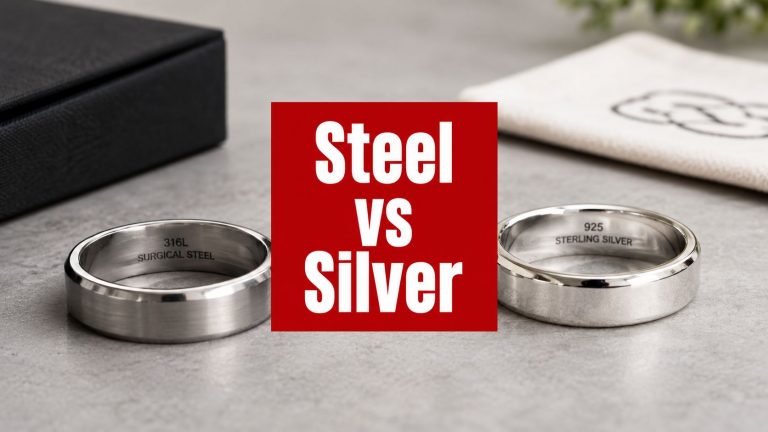
Surgical Steel vs Sterling Silver: Buyer Guide
You’re pricing a new collection, and the sample tray is already split down the middle.
How to Gold Plated Jewelry the Right Way for Lasting Color
You probably have a launch already in motion, a supplier sample on your desk, and
What Is a Shank on a Ring: Guide to Design & Durability
You’re refining a ring design, the stone looks right, the setting is approved, and the