Top 12 fashion jewelry companies in Mexico in 2025
Key Takeaways
- Mexico’s top fashion jewelry houses cover unique strengths, from Taxco silver purists to digital-native disruptors. Map suppliers to your requirements with the article’s comparison of specializations, production capacity and market reach.
- Silver leadership grounds the industry with Taxco artistry, filigree, and ley 925. Check for .925 stamps, assay certificates, and traceability documents when bulk ordering.
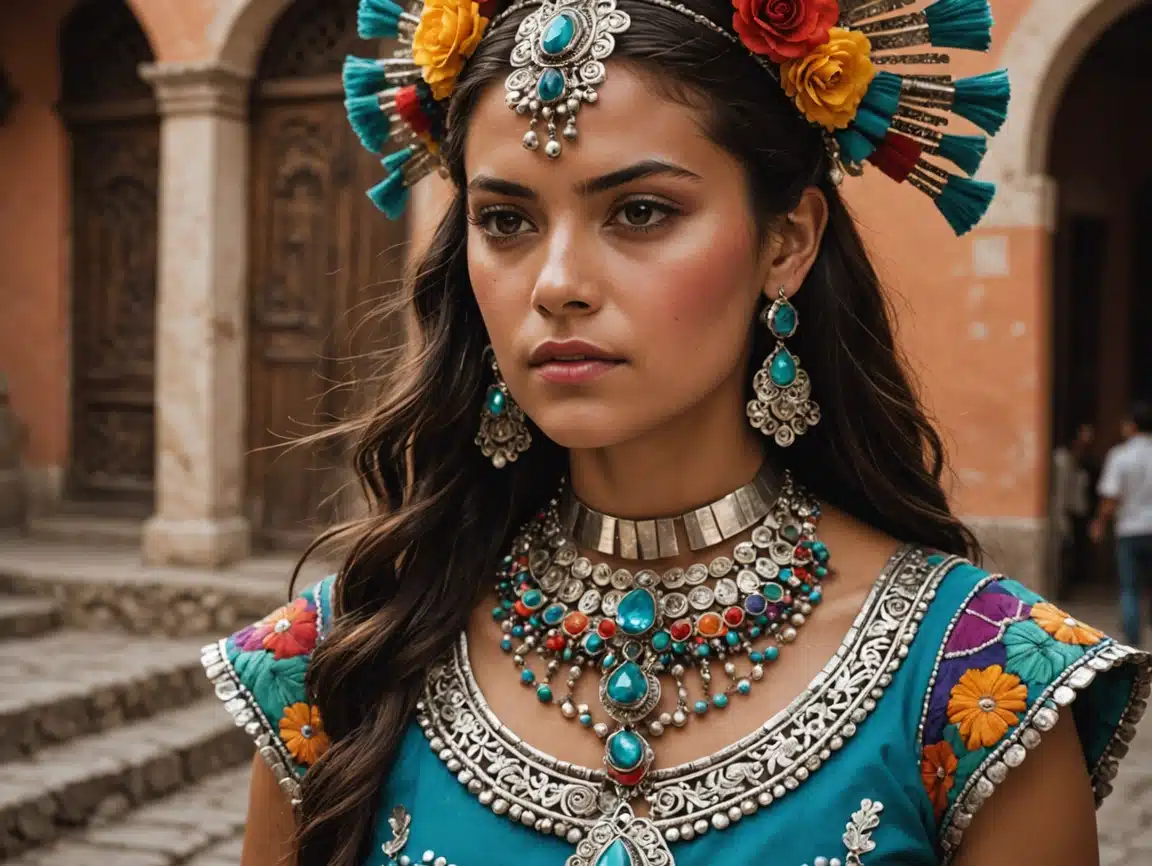
- Heritage continues to be a strong advantage as brands mix pre-Hispanic, colonial, and folkloric motifs into contemporary design. Look for collections that reference Mayan and colonial influences and ask for provenance notes on culturally inspired pieces.
- Sustainability takes off with recycled metals, Chiapas amber initiatives and Responsible Jewellery Council practices. Request certifications, factory audit summaries and information on recycled inputs and eco packaging.
- Regional champions spur growth from hubs such as Guadalajara, Jalisco, and San Miguel de Allende and use USMCA to export. Synchronize your launch calendars with local craft seasons and leverage USMCA rules of origin to simplify cross-border logistics.
- Genuineness and digital well-implemented mark success for world channels. Audit suppliers in national trade registers, shun fast-fashion lookalikes, and favor brands with e-commerce, CRM, and virtual try-on tools to increase conversion.
A blend of Taxco silver leaders, CDMX design labels and export studios renowned for trend-led pieces and great prices. A lot of it is in .925 silver, gold vermeil and stainless steel, with accents such as Oaxacan filigree and Wixárika beadwork.
They all ship nationwide, have returns and retail online and in stores in CDMX, Guadalajara and Monterrey. Here they are, ranked by design and reach.
Mexico’s leading fashion jewelry houses
Mexico is among the world’s top silver-and-gold producers, with Guadalajara and Mexico City as major hubs. Jalisco contributes roughly 70% of national output. The country’s best fashion jewelry companies blend Mexican luxury craftsmanship with contemporary aesthetics, garnering international acclaim and supporting an expansion expected around 6.50% CAGR to 2034, worth almost MXN 66,000mn.
Company type (proxy for top houses) | Specialization | Headquarters (typical) | Signature products |
|---|---|---|---|
Silver purists | .925 silver, Taxco craft | Taxco | Filigree cuffs, chain links |
Modernist sculptors | Architectural forms | CDMX | Bold cuffs, kinetic rings |
Bohemian weavers | Handwoven, mixed media | Oaxaca | Textile chokers, beadwork |
Motif-driven heritage lines | Mérida | Glyph pendants, inlay | |
Colonial romantics | Baroque metalwork | Puebla | Pearl drops, ornate brooches |
Minimalist architects | Geometric, unisex | CDMX | Slim bands, line earrings |
Folk art interpreters | Color-forward, playful | San Miguel de Allende | Enamel charms, talisman sets |
Sustainable storytellers | Recycled metals, traceable | Guadalajara | Reclaimed-silver studs |
Luxury statement makers | High-jewelry accents | CDMX | Gold collars, gem cuffs |
Digital-native disruptors | DTC, e-commerce | Monterrey | Capsule drops |
Regional champions | Local-material focus | Guadalajara | Agave-inspired pieces |
Collaborative visionaries | Co-branded editions | CDMX | Limited collabs |
1. The silver purists
Sterling leaders, known for their exceptional craftsmanship, often utilize .925 purity certified by hallmark and assays, while select houses also offer .950 lines for a high shine. Many of these companies, including notable mexican owned luxury brands, obtain RJC or equivalent audits for export to ensure quality materials for conscientious customers.
Filigree, chasing, and Taxco-born solder work comprise finish standards, reflecting the rich mexican luxury craftsmanship. Sourcing links to verified legal mines and registered scrap guarantees accountable metal, appealing to the discerning tastes of the international luxury market.
2. The modernist sculptors
Studios drive assertive structural shapes in silver, steel, and resin, aligned with trend predictions and short runs.
They co-create with luxury retailers, test materials with hardness and plating thickness checks, and scale via modular casting cells.
3. The bohemian weavers
Brands combine handloom cords, beadwork, and macramé with stones and leather for textural lines.
They advertise to eco-conscious women, featuring craftsperson lineups and just wages. Many sell via concept stores, pop-ups, and targeted web shops.
4. The pre-hispanic revivalists
Their designs resurrect Mayan and Mexica motifs, transforming glyphs into pendants and cuffs made of silver and gold.
Workshops reference museum and archaeology. A number of them sponsor cultural events and student workshops.
5. The colonial romantics
Baroque scrolls, granulation, pearls, and colored gems aim at buyers who desire traditional sparkle and exquisite goldsmithing.
Houses get collections into U.S. Boutiques and European hotels, relying on wholesale shows for volume.
6. The minimalist architects
Pure, unisex geometry in recycled silver and 14k touches.
Marketing aims at city, screen-born professionals. Several conform to RJC directives and minimal-waste plating.
7. The folk art interpreters
Color, enamel, and regional motifs meet modern forms.
They work with communities, maintain wide portfolios that include ear studs, bracelets, and layered necklaces, and are dedicated to fair trade.
8. The sustainable storytellers
Their supply chains include recycled metals, upcycled stones, FSC-grade boxes, and third-party factory audits.
Others hire single moms and expectant women, provide flexible schedules, and consistent pay.
9. The luxury statement makers
Valuable gold, diamond, and rare gem pieces have short runs and go out on press loans and red carpet sightings.
Premium pricing rests on hand-finishing and unique cuts.
10. The digital-native disruptors
Direct-to-consumer brands use CRM, data-led drops, and rapid A/B tests.
They publish sample availability and hold prices by cutting out middlemen.
11. The regional champions
From Guadalajara, Taxco, Oaxaca, and San Miguel, houses knit local motifs with cluster workshops.
They create jobs and exports under USMCA.
12. The collaborative visionaries
They co-design with Mexican luxury craftsmanship and international names, bundle gifting and scent tie-ins, and tap luxury groups for shared market reads.
The soul of Mexican design
Mexican fashion jewelry taps its roots while embracing the international luxury market. With the soul of Mexican design, companies like Gaia Design and Pineda Covalin combine heritage and exceptional craftsmanship to create collections that are both fresh and rooted.
Ancient echoes
Pre-Hispanic influence is evident in motifs inspired by Olmec, Maya, and Mexica sources. You see snakes, maize, the sun disk, and stepped fret patterns. Artisans in Oaxaca and the Altiplano translate these forms into minimalist pendants, ear cuffs, and cuffs that reflect exceptional craftsmanship while still registering nectar. Many of these artisans are part of the thriving mexican owned luxury brands that celebrate their roots.
Materials trace that history, with gold, jade, and turquoise inspiring color stories and stone selections. A few boutiques merge turquoise cabochons with hammered gold-plated brass or mount dyed jade in matte silver, reflecting the artistry of mexican luxury craftsmanship while honoring archaeological discoveries.
Symbolism stays alive in sterling silver fashion jewelry. Designers cut negative space to mimic glyphs, oxidize sterling to create tension-release lines, and employ silver engraving to imbue carved stone-like texture. Vitrofusion adds glass inlays that replace inlaid shells from ancestral pieces.
A number of them collaborate with archaeologists and museums in Mexico City and Puebla to license patterns, vet icon usage, and make sure context accompanies each piece when it ships. Taxco studios continue hand fabrication one by one to safeguard finish and provenance.
Colonial grandeur
Spanish colonial rule introduced baroque taste, goldsmith guild systems, and greater access to metals and stones through trade routes. The mix of European scrolls and indigenous geometry still guides luxury lines, such as mexican luxury craftsmanship: filigree earrings from Oaxaca rendered in fine silver wires; rosary-inspired chains that swap cruciforms for abstract flora; and bold milagro charms cast in sterling as statement pendants.
Silver filigree continues to be a signature in states such as Oaxaca and Yucatán, accompanied by repoussé and granulation to create dimensionality without bulk. Workshops in Taxco, long a silver capital, scale this look for export through the use of recycled sterling, stamped, standardized findings, and uniform plating, with hand-twisted wire and baroque ornamentation up front. Many mexican owned luxury brands that focus on colonial-inspired collections often run dual catalogs: ornate capsule drops for boutiques in CDMX and Puebla, and pared-down filigree hoops and lockets for international wholesalers.
Many take the sustainable measures shared by much Mexican design by sourcing recycled silver, minimizing offcuts, and in some instances planting trees in return, as with apparel peers who plant trees per sale. This commitment to sustainability highlights the importance of preserving mexican heritage while creating quality handmade luxury leather goods and jewelry that resonate with consumers both locally and globally.
Folkloric heart
Folk art colors, rhythm, and story are at the heart of many Mexican owned luxury brands. Designers draw inspiration from Guelaguetza costumes, huipil embroidery from Chiapas, and charro suit trim. Enamel offers saturated colors, while hand-stamped patterns maintain the tactile, craft-driven vibe that reflects Mexican luxury craftsmanship.
The pieces frequently tell a very clear story. A brooch could chart a Day of the Dead altar with miniature vitrofusion marigolds. A bracelet might trace the path of a feria in inscribed pueblos. Marketing leans on that context, with little maker bios, region tags, and care notes that tell meaning without oversell.
Vibrant enamel, bead weaving, and cutwork sit alongside brushed sterling to maintain an equilibrium between modern lines and grounded motifs. Several companies support artisan co-ops, disseminate fair pay terms, and teach new makers to uphold traditional techniques.
Durability counts in this industry. Brands prioritize thick-gauge sterling, secure clasps, and tested plating to prolong wear, aligning with Mexico’s push for durable, low-waste products. This reverence for craft and utility earns trust both at home and in the international luxury market.
From the earth to the artisan
Raw metals and organic materials ride from Mexican mines and forests to boutiques throughout Central Mexico, with Mexico City and Estado de México serving as the largest production center. Legal sourcing sits at the core: buyers ask for paperwork that proves traceability under Mexican mining rules and quality norms like NMX-J-AA-IMNC-2020 and RJC compliance.
The value chain extends from ore and rough stone to casting, sample verification, setting, polishing, plating, and final clasp strength and color fastness checks. Local clusters feed emerging export demand, with USMCA making shipping to the US and Canada simpler and cheaper.
Silver’s legacy
Mexico holds a leading share of the world’s silver, with access to about 23% of global supply, shaping the landscape for Mexican luxury craftsmanship in fashion jewelry at both scale and craft levels. Taxco in Guerrero anchors the artisan story, where makers blend pre-Hispanic motifs and modern lines in .925 sterling, while Zacatecas and Guanajuato enhance the industry with skilled labor and innovative clothing techniques. The region’s quality handmade luxury leather goods are a testament to the craftsmanship that defines Mexican owned luxury brands.
Reputable workshops document legal sourcing and maintain assay records, while larger firms reference NMX-J-AA-IMNC-2020, RJC, and third-party lab tests to substantiate claims regarding purity and integrity. Buyers now expect lot-level traceability, with invoices tied to licensed refiners, ensuring the quality of Mexican jewelry. These practices elevate Mexican pieces within the international luxury market, allowing brands to thrive.
Silver exports significantly support national revenue, placing these exquisite pieces in international luxury channels. The USMCA facilitates the movement of Mexican luxury brands into North American department stores and specialty boutiques, ensuring that the rich heritage and exceptional craftsmanship of Mexican artisans continue to shine in the global market.
Amber’s warmth
Chiapas amber, plucked from age-old resin beds around Simojovel, imbues Mexican adornments with a heat-hued luminescence that oscillates between honey and dark cognac. Inclusions, such as plant bits, tiny bubbles, and even the occasional gemstone hunter’s nemesis, insects, give that sought-after collector’s character. This exceptional craftsmanship is a hallmark of Mexican luxury craftsmanship, showcasing the unique qualities of local artisans.
We design cut cabochons, free-forms, and beads, set in silver or hand-woven threads for more accessible price points. Few companies think in terms of amber capsules, pendants, and statement rings, combining fair-pay sourcing, small-batch polishing, and e-commerce drops for museum shops and curated marketplaces overseas. Our collection stands out among Mexican owned luxury brands, offering pieces that reflect the beauty of the region.
The pieces pop next to resin work from India and Thailand and against Italian metal-led lines because the tone, inclusions, and hand-finished settings feel uniquely Chiapas. Traceability counts here too. Serious buyers request origin notes, studio logs, and uniform grading that describes clarity, color, and treatment status.
Natural elements
Wood, shells, seeds, and leather turn up in contemporary Mexican lines too, frequently combined with silver to offset weight and expense. Brands harvest coastal shells from the Pacific, hardwood offcuts, and fibers through local co-ops.
Sustainable labels rely on renewables, short supply chains, and low-waste finishing. They produce material ledgers and conduct plate aging tests when metal contacts organic components.
Designers toy with texture to craft surprising taste combinations and product forms. Matte woods are paired with polished silver, shell shine is alongside tarnished chains, and seed beads are knitted into leather straps.
León, Guanajuato, famed for leather, feeds workshops that spin out artisan, handmade luxury leather pieces, from woven dog chokers to architectural cuffs, under eco-conscious tanning and transparent trace notes.
Navigating the modern market
Demand sits at an interesting split: style-driven impulse buys coexist with price-sensitive shoppers who track discounts. Urban buyers in CDMX, Guadalajara, and Monterrey have greater purchasing power and are early adopters of trends while buyers from smaller cities prioritize value and durability.
Online sales influence selection more than showcases. Roughly 30% of gems in 2023 traded online. Strategy requires hard numbers. INEGI retail series, Banco de México consumer indexes, and marketplace dashboards are necessary along with competitive scans. Growth paths are real, yet friction is real too. A 16% VAT, cumulative import loads above 30% on some items, and counterfeit risks concentrated in big metros present challenges.
Local tastes
Silver remains as the anchor. Taxco-style .925 pieces, clean hoops and chain links particularly do well across ages, in the MXN 500 to 1,500 range. Gold-plated and vermeil score with gift buyers and professionals who crave shine without a hard charge.
Young shoppers want unisex silhouettes, modular charms and lab-grown stones. The unisex shift ties to a projected compound annual growth rate of 8.10 percent in luxury through 2030, led by inclusive lines and fluid sizing.
Local culture and weather influence carts. Coastal zones favor light, non-tarnish finishes. The north purchases audacious golden hues. Bajío and CDMX have minimalist leanings. Income bands matter. Students choose entry silver and stainless. Mid-income buyers accent with gemstones. Higher-income clients seek out limited runs and tailored fit.
Sustainability and ethics now sway choices, mostly among Gen Z and younger millennials, dampening overall luxury CAGR by about 0.50%. Brands that state sourcing, repair options, and recycled inputs earn repeat sales. Keep assortments nimble. Use three-month sell-through data to cut slow colors, raise depth in fast-moving sets, and forecast gifts by season.
Global appeal
Export-facing brands position around heritage silverwork, clean quality control, and competitive labor costs. Clear hallmarks (.925, maker’s mark, “Hecho en México”), RJC-aligned sourcing, and tested nickel-safe plating reduce return risk in the U.S. Europe.
Storytelling lifts trust: motifs tied to Oaxaca filigree, Mayan patterns, or Taxco lineage travel well when paired with modern styling. Pricing must model landed cost, which includes base price, logistics, duties, and a 16% VAT that can push cumulative burdens past 30% in some channels.
Counterfeits shave roughly 0.80% from forecast growth in key cities, while serialization and track-and-trace help. The market is decentralizing too, so assortments for New York winter differ from Barcelona summer. Case in point, several Mexican-owned labels have gained shelf space abroad through tight capsules, influencer seeding, and small-batch drops timed to U.S. Holidays.
Key export notes are below.
Metric | Current view | Implications |
|---|---|---|
Export growth | Mid-single digits, improving with unisex lines | Build neutral, modular assortments |
Tariffs/duties | Vary by market; VAT 16% applies domestically | Price with full landed cost |
Low-value imports | Taxes up to 33.5% on parcels | Adjust cross-border DTC plans |
| Luxe perspective | Inclusive products at 8.10% CAGR to 2030 | Lean unisex and size-flex |
| Risks | Fake has a negative compound annual growth rate of 0.80%. Ethics has a negative compound annual growth rate of 0.50%. | Bet on intellectual property, traceability, and environmental, social, and governance. |
Digital storefronts
Web shops and marketplaces and social commerce now anchor discovery and sale. Direct-to-consumer sites tied to CRM give clean first-party data: browse paths, cohort LTV, and repeat cycles.
Use online catalogues with ‘sample availability’ columns for B2B buyers, plus virtual try-on and wrist/neck sizing guides to reduce returns. Paid search, marketplace ads and creator content perform best when highly localized to region and climate, mirroring Mexico’s decentralizing demand.
Track CAC weekly, A/B test product pages, and keep PDPs simple: clear metal spec, hallmark info, and care steps. Cross-border plans need to reckon with new low-value package taxes at 33.5% that flip unit economics; think local 3PLs, EU/US stock points, or marketplace fulfillment.
Display anti-counterfeit markers prominently and provide repair and replate services to earn confidence. Solid SEO, WhatsApp chat and quick SLA on delivery make a dent in volume.
The challenge of authenticity
Copycat designs, cheap plating and nebulous origin statements obscure the distinction between genuine artistry and throwaway fashion in Mexico’s fashion jewelry world. Rapid cycles can dilute brand identity, and weak controls welcome defects and tarnish.
Transparent quality inspections, third-party validations, and realistic capacity planning assist businesses in maintaining commitments on finish, quantity, and lead times. Formal registration matters: RFC with SAT, registration in the Registro Público de Comercio, and IMPI trademarks shield brands and give buyers a way to verify who stands behind a label.
Authenticity is not an aesthetic; it’s craft and substance and a living wage.
Artisanal integrity
Handmade techniques from Taxco, Oaxaca, and Mexico City carry weight when the work shows up in the details: clean soldering on .925 silver, even stone setting, and secure closures that survive daily wear. Ethical sourcing is documented suppliers for silver, brass, and gemstones.
Fair labor includes legal contracts, safe workshops, and pay that tracks skill, not units. Proof goes a long way. RJC membership indicates governance and due diligence. ISO 9001 separates out repeatable quality.
Fairmined or SCS-certified recycled metals reinforce environmental assertions. Factory audits validate ventilation and polishing waste management and plating baths within standards. Sample pull tests and salt-spray tests for clasps and finishes keep everyone honest.
Traceability, from alloy lot to box, batch codes on invoices and repair logs, is what makes a brand able to fix a defect fast, not explain it away.
TANE and Daniel Espinosa are renowned examples of craft leadership, with robust design governance and resilient coatings well adapted to retail and duty-free footfall.
Caralarga plays with natural fibers and metal touches, claiming sources and craftsmanship that honor indigenous workshops.
Smaller studios in Taxco, often family-run, still adhere to .925 standards, hallmark pieces, and disclose workshop information in product descriptions.
Designers associated with cooperatives in Oaxaca and Chiapas open source artisan credits and pay terms, revealing the path value takes through the chain.
Transparency is now part of the product. Public supplier codes, repair guarantees in México, and transparent care guides engender trust among shoppers and wholesale partners.
Fast fashion’s shadow
Mass output inundates the market with plated pieces that chip, cheap alloys that irritate skin, and designs that riff on Mexican iconography. Global luxury groups squeeze prices and ad space.
Counterfeits coattail brand names via marketplaces listing “.925” without assay. To stand apart, local companies need tight niches: Taxco silver with modern clasps, fiber‑metal hybrids, or limited drops with numbered runs.
They also need finishes that last, such as thicker microns on gold plate, nickel‑free bases, and tested hinges. Consumer education helps close the gap between price and value.
This includes explaining microns, showing hallmarking, stating repair windows, publishing lead times by batch size, and using SAT/Registro links so buyers can verify the business behind the logo.
The future of Mexican adornment
The next ten years look to increasing maturity, more options, and finer art. Demand will increase as purchasing power reaches around MXN 280,900 per capita in 2025 and around MXN 297,700 in 2030, enabling expenditure on discretionary items. The jewelry market, including Mexican luxury craftsmanship, is projected to expand at a 6.50% compound annual growth rate until 2034, valued at around MXN 67.9 billion. This growth provides brands a platform to experiment with fresh lines and scale successful ones.
Materials will transition toward recycled silver, reclaimed brass, and traceable gold, with stainless steel and titanium increasing their share for everyday wear. Waterproof and tarnish-resistant coats will be table stakes for mid-range pieces. Styles will mix clean forms with rooted motifs: Taxco silverwork with pared shapes, filigree from Oaxaca in lighter gauges, and beadwork that nods to Wixárika palettes but uses finer settings. This combination highlights the importance of Mexican motifs in modern design.
Obsidian, onyx, and shells from local coasts will appear in capsule runs. Buyers will demand stackable, travel-friendly pieces that go from desk to drinks. Sustainability is an obvious lever. Brands that disclose metal sources, utilize recycled inputs, reduce waste, and compensate atelier rates fairly will gain trust.
Look for additional stamps certifying recycled materials and local sourcing, as well as repair and take-back initiatives in hubs such as CDMX, Guadalajara, and Monterrey. Traditional techniques, such as silver carving, filigree, chasing, and inlay, will continue to develop as artisans innovate tooling and enroll in design schools and incubators. This mix of vintage and modern will make products stand out on shelves and feeds.
Digital will lead in terms of reach and feedback. E-commerce, social video, and live selling will define drops and reorder cycles. Mexico-first sites featuring rapid checkout, transparent MXN pricing, and 3-day delivery across the country will power sales. Cross-border boutiques will reach U.S. Latino buyers with bilingual pages and hassle-free returns, promoting the best of Mexican owned luxury brands.
Three-dimensional previews and size guides will reduce returns. Colorways, lengths, and bundle sets will be influenced by insights from ads and marketplaces. Luxury still has space to grow as more purchasers expand to upper levels. Think upscale collections that match exotic stones with local artisanry, short runs connected to exhibition displays, and collaboration capsules between Taxco ateliers and CDMX-based designers.
New product categories will span fine men’s chains, lab-grown stone pieces, modular charms, and personalized engravings. For reliable scaling, brands may tap OEM partners like HonHo Jewelry Manufacturer (https://www.honhojewelry.com/) for stainless steel, brass, and 925 silver, waterproof finishes, and gold vermeil while keeping design and final QC in Mexico to retain identity and local jobs.
Recommendations: Invest in recycled supply and traceability. Train and license craftsman networks. Create direct-to-consumer channels with bilingual assistance. Pilot limited capsules prior to mass runs. Employ data to pare stock-keeping units. Develop export clusters for North America and Europe.
Conclusion
Mexico’s fashion jewelry stays brave, decadent, and authentic. Local brands combine quality craft with intelligent design. Taxco silver still leads the way. Its bright color out of Oaxaca keeps eyes on the street. New studios in CDMX and GDL push clean lines for day to night wear.
To shop sensibly, look for the .925 stamp on silver. Inquire about who crafted it and the location. Seek out verifiable fair pay assertions. Test weight and closure. A chain that kinks or flakes is a red flag. For gifts, think small runs or etched dates. That spark soul without a lot of expense.
Got a favorite label in Mexico? Leave a comment with your choice. Need more guides and shopping tips? Join for fresh finds every month.
Frequently Asked Questions
How were the top 12 fashion jewelry companies in Mexico selected?
We considered brand reputation, design innovation, and exceptional craftsmanship, particularly from companies emphasizing Mexican luxury craftsmanship and heritage, such as Taxco silver, while also factoring in sourcing transparency and customer reviews.
What materials do leading Mexican fashion jewelry brands use?
They typically work in Taxco sterling silver, gold vermeil, and quality handmade luxury leather goods, incorporating materials like brass, copper, and stainless steel. Some even mix in natural stones like obsidian, turquoise, onyx, and amber from Chiapas, showcasing exceptional craftsmanship.
How can I verify the authenticity of Mexican silver jewelry?
When purchasing Mexican luxury craftsmanship, look for the “.925” or “Sterling” imprint along with a maker’s mark. Trusted pieces often feature a “MEX” or city mark like “TAXCO.” Always buy from authorized sellers, brand sites, or certified galleries to ensure quality.
Where can I buy top Mexican fashion jewelry?
Shop in CDMX (Roma, Condesa, Polanco), Oaxaca City, Taxco, and Guadalajara design districts for exceptional craftsmanship from various Mexican owned luxury brands. Reliable destinations include brand boutiques, museum stores, upscale mercados, and official websites for quality handmade luxury leather goods.
What price range should I expect in Mexico?
Fashion jewelry ranges widely, with pieces from favorite Mexican owned brands like Corso Jewelry. Bracelets and earrings cost between $600 and $3,000 MXN, while statement necklaces range from $1,500 to $8,000 MXN, reflecting the exceptional craftsmanship and quality materials used.
Are Mexican fashion jewelry brands ethical and sustainable?
Many are Mexican owned luxury brands that seek clear sourcing, recycled metals, fair wages, and artisan collectives. These companies often collaborate with workshops in Taxco, Oaxaca, and Chiapas, showcasing exceptional craftsmanship and quality handmade luxury leather goods.
How do I care for sterling silver and mixed-metal pieces?
To maintain the exceptional craftsmanship of your jewelry, especially those from esteemed Mexican luxury brands, store them in anti-tarnish pouches. Keep pieces dry and away from perfume or chlorine, and clean silver items with a soft polishing cloth to preserve their quality and beauty.
share this recipe:
Facebook
Twitter
Pinterest
LinkedIn
Still hungry? Here’s more
Surgical Steel vs Sterling Silver: Buyer Guide
21/08/2026
You’re pricing a new collection, and the sample tray is already split down the middle.
How to Gold Plated Jewelry the Right Way for Lasting Color
17/08/2026
You probably have a launch already in motion, a supplier sample on your desk, and
What Is a Shank on a Ring: Guide to Design & Durability
11/08/2026
You’re refining a ring design, the stone looks right, the setting is approved, and the
Ready to Design Your Own Jewelry?
Have an idea in mind or need help shaping it? From sketches to finished pieces, our custom jewelry team will work with you step-by-step to bring your vision to life.