
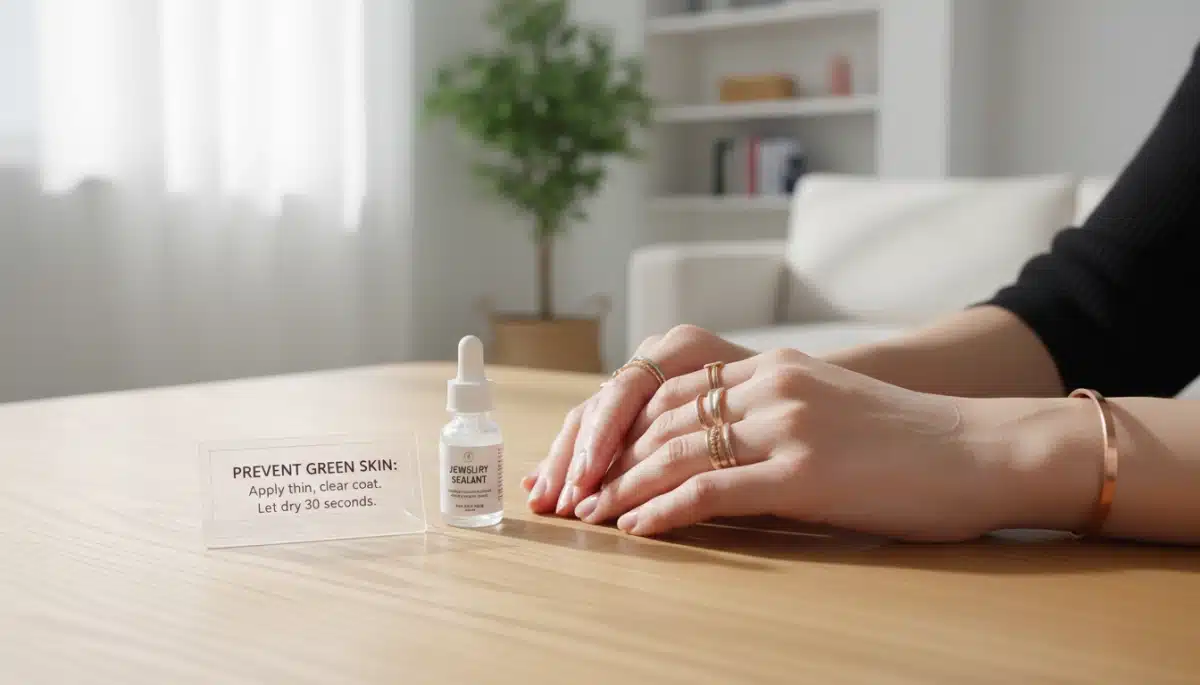
Have you ever removed a favorite ring only to find a stubborn green stain circling your finger?
It’s a frustrating experience that leads many to ask: did I just buy “fake” jewelry?
As a manufacturing expert, I can tell you that the answer is rarely that simple. In fact, this phenomenon is usually a matter of basic chemistry, not poor quality.
In this post, you’re going to learn exactly why jewelry turns skin green, including Why Does Jewelry Turn Skin Green—from copper oxidation to the role of your specific body pH. We’ll separate the myths from the facts, explain the difference between a harmless reaction and a metal allergy, and give you proven strategies to prevent jewelry staining skin for good.
Let’s get to the bottom of it.
What Really Causes Jewelry to Turn Skin Green?
It is one of the most frequent concerns we address: that sudden, alarming green ring around your finger. Before you worry about toxicity or quality, it is crucial to understand that jewelry turning skin green is a simple biological and chemical reaction, not necessarily a sign of “fake” materials.
The Science of Jewelry Oxidation
The primary culprit is almost always copper. When the copper present in jewelry alloys reacts with external acids, it undergoes oxidation. This process creates copper salts—chemically known as verdigris—which settle on the skin as a green or dark film. This is the exact same reaction that turned the Statue of Liberty green over time.
Why Copper is Everywhere
We often hear the question, “Why does sterling silver turn skin green if it’s a precious metal?” The answer lies in durability. Pure metals like silver and gold are too soft to hold their shape in jewelry.
- Sterling Silver: Consists of 92.5% silver and 7.5% copper (for strength).
- Gold Alloys: Even 14k or 18k gold is mixed with base metals like copper to ensure hardness.
- Rose Gold: Specifically derives its pinkish hue from a higher copper content.
- Brass: A common base metal composed primarily of copper and zinc.
Triggers: Why It Happens to You
You may notice that green skin from jewelry happens to some people but not others. This variance is usually due to your specific body chemistry and environment.
- Acidic Skin pH: If your body’s pH is more acidic, it accelerates the copper in jewelry skin reaction.
- Sweat and Humidity: Moisture acts as a bridge between the metal and your skin, speeding up oxidation.
- Chemical Exposure: Hand lotions, perfumes, soaps, and even certain medications (like antibiotics) can change your skin’s chemical balance, causing jewelry oxidation skin issues even with high-quality pieces.
Next Step: Would you like me to explain the specific differences between a harmless oxidation reaction and a true metal allergy (like nickel) in the next section?
Is It Dangerous? Reaction vs. Allergy
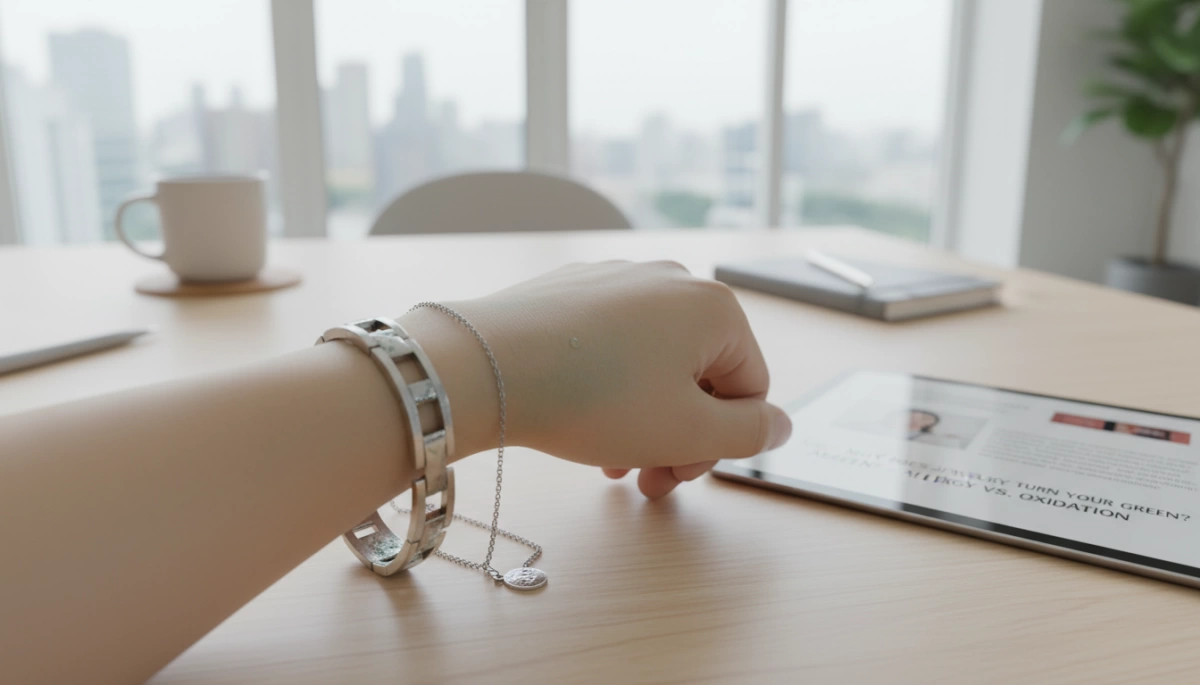
Many of my clients panic when they see that dreaded green mark, worrying it’s toxic. Let me reassure you: jewelry turning skin green is rarely dangerous. It is strictly a surface-level chemical reaction between the metal and your skin’s acidity, not a biological infection.
However, we must distinguish this harmless oxidation from a true metal allergy. While the green stain is just a visual annoyance caused by copper, a real allergy—often to nickel—is an immune system response. If you have sensitive skin, looking for verified nickel free jewelry or sourcing high-quality stainless steel jewelry wholesale is the safest bet to avoid actual irritation.
Identifying the Difference: Oxidation vs. Allergy
It is crucial to know if you are dealing with copper allergy vs oxidation. Use this quick breakdown to identify your symptoms:
| Feature | Green Stain (Oxidation) | True Metal Allergy (Contact Dermatitis) |
|---|---|---|
| Visual | Dark green or blackish smudge on skin. | Redness, bumps, rash, or blisters. |
| Sensation | Painless. No physical feeling. | Itchy, burning, or stinging sensation. |
| Cause | Reaction to acids/sweat (Chemical). | Immune response to nickel/cobalt (Biological). |
| Fix | Clean the jewelry and skin. | Stop wearing the item immediately. |
Myth: Does Green Skin Mean “Fake” Jewelry?
There is a huge misconception that a green finger from a ring means you bought “fake” or cheap junk. This is false.
The reaction happens because of copper, which is a standard hardening agent in high-end alloys.
- Sterling Silver: Contains 7.5% copper.
- 14k Gold: Contains a significant amount of copper to maintain durability and color (especially in rose gold).
- Bronze: Primarily copper.
So, when your skin turns green, it doesn’t prove the jewelry is fake; it proves the metal chemistry is working exactly as nature intended.
Next Step: Would you like me to explain the specific types of jewelry plating that effectively block these reactions?
Which Types of Jewelry Are Most Likely to Cause Green Skin?
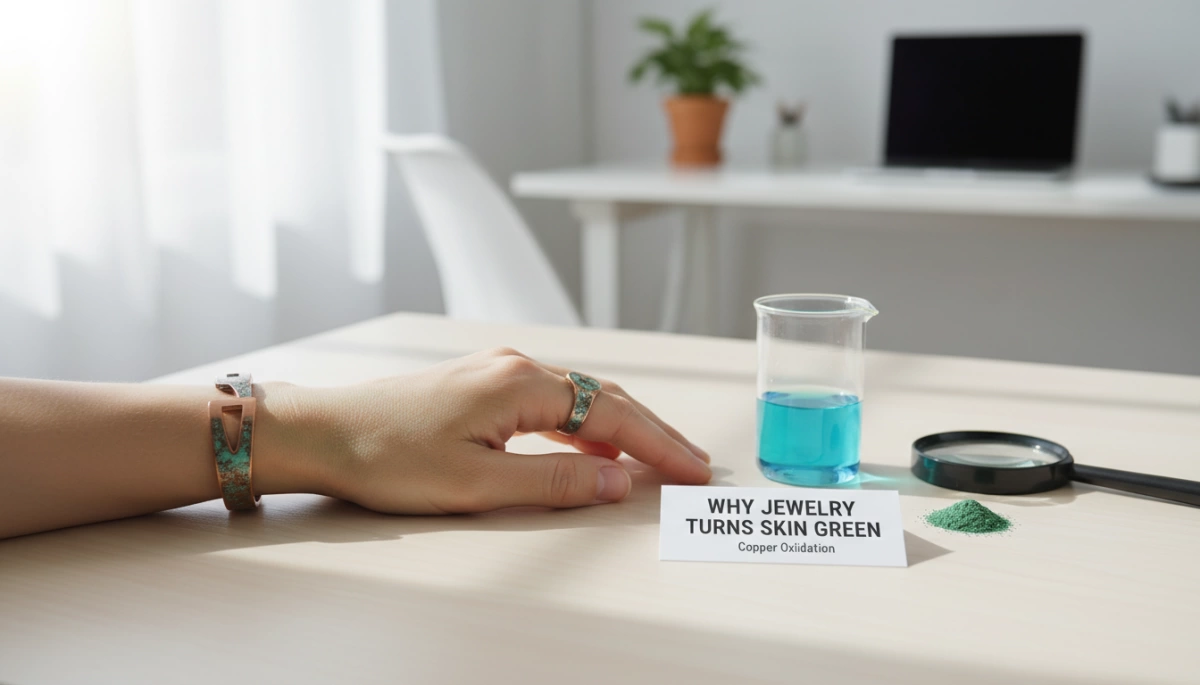
Not all accessories are created equal when it comes to the dreaded green skin from jewelry. The reaction depends almost entirely on the base metal composition and how much copper is present in the alloy. If you know what to look for, you can predict which pieces might leave a mark before you even put them on.
High-Risk Materials: The Usual Suspects
The most common culprits are metals that oxidize easily when exposed to moisture and skin oils. Copper in jewelry skin reaction is the primary driver here. Since pure copper is too soft for most jewelry, it is mixed into alloys, making even some “real” metals risky for sensitive skin.
- Costume Jewelry: Often made of inexpensive base metals like nickel or copper alloys that react quickly.
- Brass and Bronze: These are mostly copper (often up to 90%), making them guaranteed to turn skin green for many people.
- Rose Gold: While beautiful, rose gold turning skin green is common because the pink hue comes specifically from adding significant amounts of copper to the gold.
- Low-Karat Gold (10k or 14k): These contain a higher percentage of non-gold metals compared to 18k or 24k, increasing the chance of discoloration.
The Role of Plating and Wear
Many affordable pieces start with a base metal like brass and are coated in a thin layer of gold or silver. Initially, this barrier protects your skin. However, once that layer wears down, the reactive base metal is exposed. Understanding does gold plated jewelry tarnish and wear over time is crucial; once the plating is compromised, the oxidation process—and the green stains—will begin almost immediately.
Lower-Risk Options for Clean Skin
If you want to avoid the issue entirely, stick to materials that lack reactive copper or have inert properties:
- Platinum: dense and non-reactive.
- High-Karat Gold (18k+): Higher gold purity means less copper.
- Fine Silver: Less likely to react than Sterling Silver (which is 7.5% copper), though much softer.
- Stainless Steel: specifically 316L grades, which are highly resistant to corrosion and oxidation.
Next Step: Are you looking for a supplier that uses PVD vacuum plating to ensure the protective layer lasts years instead of weeks? I can help you source jewelry with advanced coating technologies.
Effective Ways to Prevent Jewelry from Turning Your Skin Green
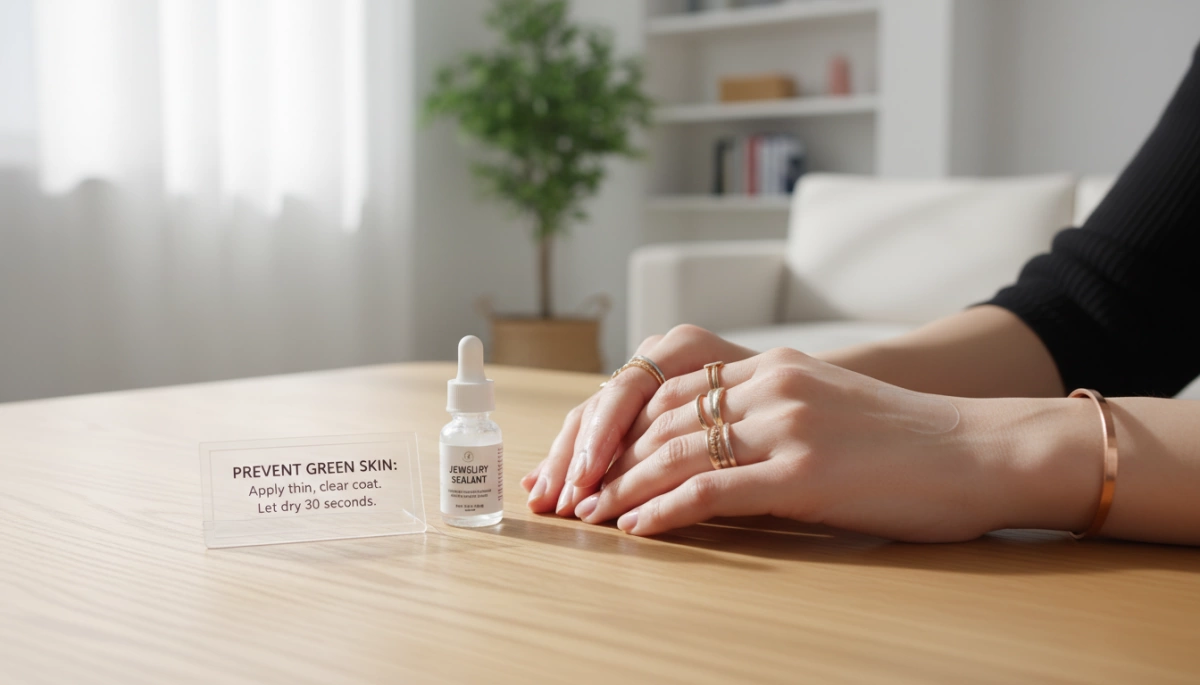
Nobody wants that surprise green ring around their finger. The good news is that you don’t always have to toss your favorite accessories just because of a little discoloration. To prevent jewelry staining skin, you essentially need to stop the chemical reaction between the metal oxides and your skin’s natural acidity.
Here are the most practical strategies to keep your skin clear:
- The Clear Nail Polish Jewelry Hack: This is the most popular DIY fix. Apply a thin coat of clear nail polish to the inside of your rings or the back of pendants. This creates a physical seal that blocks sweat and oils from touching the copper alloys. It wears off eventually, so re-apply as needed.
- Adjust Your Daily Routine: Moisture is the enemy here. Make it a habit to remove your jewelry before showering, swimming in chlorinated pools, or exercising. Also, put your jewelry on last—after your lotions, perfumes, and hairsprays have dried completely.
- Choose Durable Plating: If you are buying fashion jewelry, the manufacturing quality matters. Thin flash plating wears off fast, exposing the reactive base metal. Understanding the thickness of gold plating is crucial; opting for heavier microns ensures the barrier between the metal and your skin lasts for years, not weeks.
- Seek Out Professional Coatings: For cherished pieces, look into professional rhodium plating or e-coating. These processes add a hard, protective shell that creates effective anti-tarnish jewelry.
- Switch to Hypoallergenic Metals: When in doubt, look for labels stating the item is nickel free jewelry or made from solid gold, platinum, or stainless steel, which are far less likely to react with your body chemistry.
Would you like me to detail the specific manufacturing processes used to create long-lasting, non-staining jewelry next?
The Superior Solution: Advanced Manufacturing for Lasting Wear

If you are constantly asking why does jewelry turn skin green, the answer often comes down to the manufacturing quality. In my experience, the root cause isn’t usually the metal itself, but rather how that metal is protected. Standard “flash” plating is incredibly thin—often less than 0.5 microns. This thin layer wears off rapidly with friction and sweat, exposing the reactive copper or brass underneath to your skin. Once that barrier is breached, jewelry oxidation accelerates, and the green stain appears.
Advanced Techniques: PVD and Titanium Nitride
To solve this, we moved away from traditional methods and embraced PVD (Physical Vapor Deposition) vacuum plating. Unlike simple dipping, this process blasts gold or silver onto the base metal in a high-vacuum environment. We often incorporate a Titanium Nitride (TiN) protective layer, which creates a ceramic-hard coating. This effectively seals the base metal, making the piece anti-tarnish jewelry that stands up to daily wear without turning your finger green.
Material Spotlight: 316L Stainless Steel
The base material matters just as much as the plating. While brass is common, 316L stainless steel is the gold standard for preventing skin reactions. It is naturally corrosion-resistant and creates a stable surface for### Advanced Techniques: PVD and Titanium Nitride
To solve this, we moved away from traditional methods and embraced PVD (Physical Vapor Deposition) vacuum plating. Unlike simple dipping, this process blasts gold or silver onto the base metal in a high-vacuum environment. We often incorporate a Titanium Nitride (TiN) protective layer, which creates a ceramic-hard coating. This effectively seals the base metal, making the piece anti-tarnish jewelry that stands up to daily wear without turning your finger green.
Material Spotlight: 316L Stainless Steel
The base material matters just as much as the plating. While brass is common, 316L stainless steel is the gold standard for preventing skin reactions. It is naturally corrosion-resistant and creates a stable surface for plating. This is a crucial factor when [comparing sterling silver vs stainless steel jewelry](https://www.honhojewelry
Advanced Techniques: PVD and Titanium Nitride
To solve this, we moved away from traditional methods and embraced PVD (Physical Vapor Deposition) vacuum plating. Unlike simple dipping, this process blasts gold or silver onto the base metal in a high-vacuum environment. We often incorporate a Titanium Nitride (TiN) protective layer, which creates a ceramic-hard coating. This effectively seals the base metal, making the piece anti-tarnish jewelry that stands up to daily wear without turning your finger green.
Material Spotlight: 316L Stainless Steel
The base material matters just as much as the plating. While brass is common, 316L stainless steel is the gold standard for preventing skin reactions. It is naturally corrosion-resistant and creates a stable surface for plating. This is a crucial factor when comparing sterling silver vs stainless steel jewelry, as the latter offers superior resistance to the chemical reactions that cause discoloration. By using superior brass alloys and surgical-grade steel, we ensure the jewelry remains stainless steel jewelry safe for sensitive skin.
Quality Assurance Standards
We don’t just guess; we test. To guarantee that our pieces remain hypoallergenic jewelry, we implement rigorous quality assurance protocols that go far beyond industry standards:
- 24-Month Color Retention: Our PVD process allows us to promise long-lasting color that doesn’t fade or rub off easily.
- Salt Spray Testing: We subject jewelry to corrosive salt spray tests to simulate years of exposure to sweat and ocean water.
- Hypoallergenic Certification: We ensure our coatings are nickel-free and effectively block copper migration, eliminating the risk of green skin from jewelry.
Would you like me to create a comparison table highlighting the differences between standard flash plating and PVD vacuum plating for the next section?
How to Remove Green Stains Quickly
So, you’ve looked down and noticed a green finger from your ring. Don’t panic—it isn’t permanent, and it’s certainly not a tattoo. Since this is just a surface reaction caused by copper oxidation and your skin’s acidity, it usually scrubs right off.
Here are the most effective ways to remove green stain from skin immediately:
- Soap and Warm Water: For light discoloration, simple scrubbing with warm soapy water and a nail brush usually does the trick.
- Rubbing Alcohol: If the stain is stubborn, dab some rubbing alcohol (isopropyl alcohol) on a cotton pad and wipe the area. This helps break down the oils and metallic residue.
- Baking Soda Paste: For a gentle abrasive method, mix a little baking soda with water to form a paste. Rub it gently over the stained area to exfoliate the skin.
While getting the green off is easy, keeping it off requires addressing the root cause. If you find yourself scrubbing your fingers daily, it might be time to switch your inventory or personal collection to high-quality waterproof jewelry materials that are specifically engineered to resist oxidation and keep your skin clean.
Related Sources
https://www.oahlanjewelry.com/blogs/blogs/why-does-copper-turn-your-skin-green-and-how-to-stop-it
https://www.nebraskamed.com/dermatology/why-does-some-jewelry-turn-my-skin-green
https://atoleajewelry.com/blogs/waterproof-jewelry-blog/does-real-jewelry-turn-green
https://www.genesishcs.org/wellness/beauty/green-skin-jewelry-what-is-it
https://www.mayoclinic.org/diseases-conditions/nickel-allergy/symptoms-causes/syc-20351529
https://www.aaaai.org/tools-for-the-public/conditions-library/allergies/nickel
https://mollyjewelryus.com/blogs/which-jewelry-metals-tarnish-why-and-how-is-it-restored
https://www.embr.com/blogs/news/which-rings-will-turn-your-finger-green-which-won-t
https://www.marothjewels.com/blog/what-kind-of-jewelry-wont-turn-your-skin-green
https://www.bodycandy.com/blogs/news/how-to-stop-jewelry-from-turning-skin-green
https://gracestudiofine.com/blogs/knowledge/how-to-stop-jewelry-from-turning-your-skin-green
https://www.fxpvd.com/is-pvd-gold-plated-jewelry-hypoallergenic
https://smartbuy.alibaba.com/buyingguides/jewelry-pvd-gold-plated
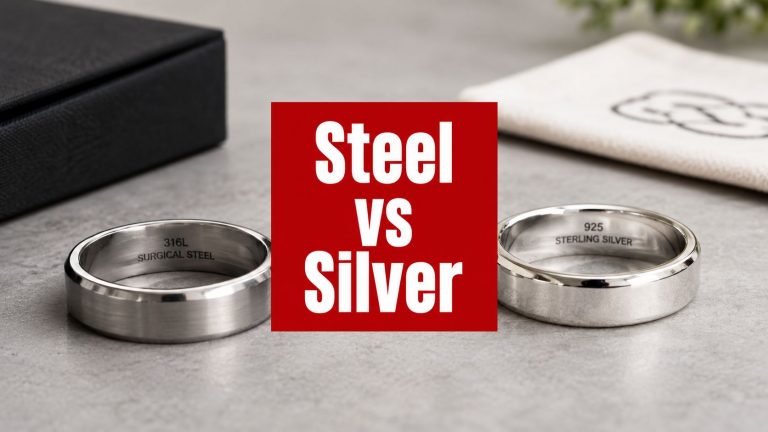
Surgical Steel vs Sterling Silver: Buyer Guide
You’re pricing a new collection, and the sample tray is already split down the middle.
How to Gold Plated Jewelry the Right Way for Lasting Color
You probably have a launch already in motion, a supplier sample on your desk, and
What Is a Shank on a Ring: Guide to Design & Durability
You’re refining a ring design, the stone looks right, the setting is approved, and the