

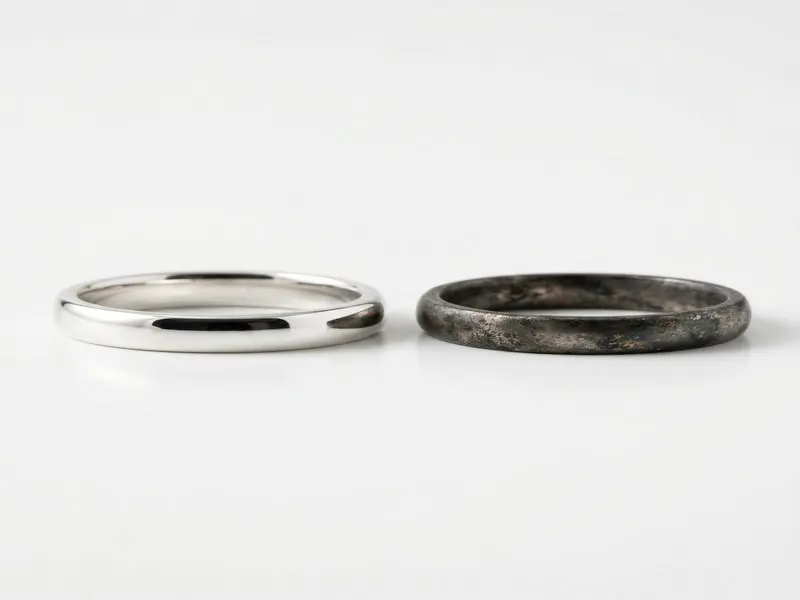
You reach into the drawer for your favorite silver necklace, and it is all dark. You find yourself asking: Does silver tarnish on its own, or did I mess something up? The short answer is yes — silver tarnishes, by nature, and no, it’s almost never your fault. But there is far more to the story than that.
We’ve worked with sterling silver jewelry for over a decade at HonHo Jewelry, manufacturing 925 sterling silver pieces for brands and retailers worldwide. In this guide, we break down exactly what causes silver tarnish, which types of silver tarnish faster, how to prevent it, and how to safely restore your pieces when tarnish does appear. We’ll also cover some lesser-known facts that most articles skip—including the real science behind tarnish color stages and why your skin chemistry matters.
Silver tarnish is a thin layer of surface silver sulfide (Ag₂S) that forms from the reaction between silver and sulfur-containing compounds in the environment. It begins as a barely perceptible yellowish film, then advances through deeper hues — brown, blue-gray and finally deep black — as the layer thickens.
Here’s what tarnish is not:
Key Takeaway Tarnish is a natural, expected chemical response. Even the best pieces of ore from leading brands, such as Tiffany & Co. and Pandora are prone to tarnishing with time when in sterling silver. This is a sign that your jewelry is real silver, not a defect.
The chemistry of silver tarnish is well-documented in the scientific literature. Silver (Ag) reacts with hydrogen sulfide (H₂S) and other sulfur containing gases in the atmosphere, to form silver sulfide.
4Ag + 2H₂S + O₂ → 2Ag₂S + H₂O
The compound that results — silver sulfide (Ag₂S) — is dark gray to black. Sulfur can cause visible tarnishing even in parts-per-billion concentrations. In conventional museum storage conditions, hydrogen sulfide levels range from 86 to 600 parts per trillion (ppt), but a dark tarnish-layer can develop in only weeks.
Everyday sources of sulfur that contribute to silver tarnish are most frequently found in:
Humidity is a key supporting actor. Research indicates that higher relative humidity dramatically speeds up silver tarnishing. Studies show a tarnish rate at 54% relative humidity is over twice the absolute dry (0%) air tarnish rate.tudies confirm the tarnishing rate at 54% relative humidity is more than double the rate at 0% humidity.
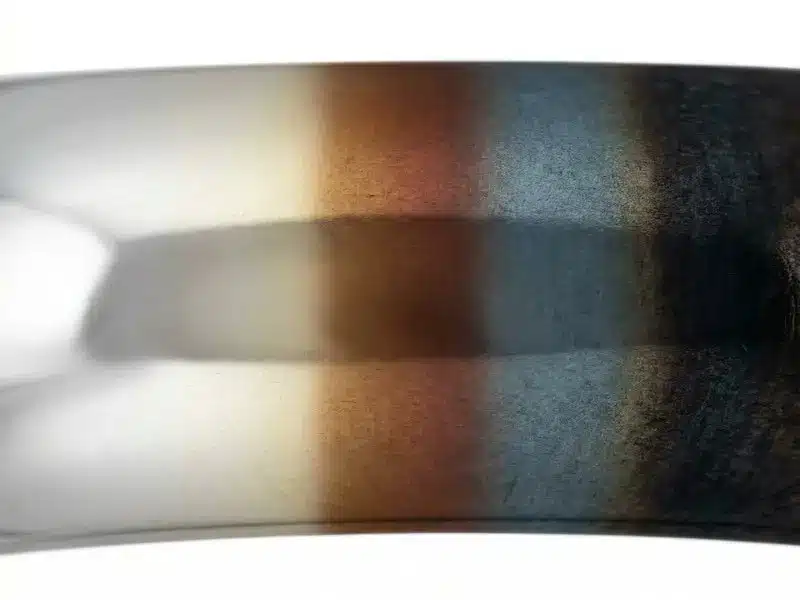
One of the most curious things about silver tarnish with which users almost never find in a consumer guide is why it does change color as it develops. The transition from yellow to black occurs through a process known as thin film interference — the same optical phenomenon that causes soap bubbles to display rainbow coloring.
As the layer of tarnish gets thicker, light reflecting off the silver splits between either bouncing off the surface of blackened silver or bouncing off bright shiny silver beneath. These two reflected beams then interfere with one another, cancelling out some wavelengths, and producing different visible colours based on the thickness of this layer. The Canadian Conservation Institute captures this progression exactly:
| Tarnish Stage | Color | Ag₂S Thickness | What It Means |
|---|---|---|---|
| Stage 1 | Light yellow / golden | ~10–30 nm | Just starting; very easy to remove with a polishing cloth |
| Stage 2 | Red-brown / orange | ~30–60 nm | Early tarnish; still easily removed at home |
| Stage 3 | Blue / purple-gray | ~60–100 nm | Moderate tarnish; may need gentle cleaner |
| Stage 4 | Dark gray to black | >100 nm | Heavy tarnish; the true color of solid Ag₂S |
The practical takeaway: the sooner you clean tarnish, the easier it is to remove. Yellow-stage tarnish responds to a simple buff; black-stage tarnish may need an actual silver cleaner or baking soda treatment.
There is one rare and little-known category of tarnish as well: silver sulfide whiskers — three-dimensional filaments of silver sulfide that sprout out from the metal surface instead covering it evenly. These have been documented in conservation literature but are rarely mentioned in consumer guides. They typically develop on silver items kept close to high-sulfur substances.
Yes—and understanding why requires a quick look at what these alloys actually contain.
| Silver Type | Purity | Tarnish Speed | Key Reason | Common Use |
|---|---|---|---|---|
| Fine Silver (.999) | 99.9% Ag | Slower | Nearly pure; minimal reactive metals | Collectibles, investment bars |
| Sterling Silver (.925) | 92.5% Ag + 7.5% Cu | Faster | Copper content reacts readily with sulfur | Everyday jewelry, flatware |
| Argentium Silver | 93.5–96% Ag + Ge | Much slower | Germanium forms a stable oxide layer | High-end jewelry, silverware |
| Rhodium-Plated Silver | 925 base + Rh coating | Very slow (until plating wears) | Rhodium is non-reactive | Bridal & fashion jewelry |
| Silver-Plated | Thin Ag over base metal | Varies | Base metal reacts once coating wears | Budget jewelry, gifts |
Sterling silver simply tarnishes faster than all the other metals in rings because of how much copper it contains. The Canadian Conservation Institute has also established that the higher proportion of copper in silver-copper alloys, the more it tarnishes. The tarnish layer on sterling silver contains both silver sulfide (Ag₂S) and copper sulfide (Cu₂S), which darken faster—and more visibly— than pure silver does when it reacts with sulfur.
Argentium silver (which substitutes some copper for germanium) is up to 7 times more tarnish-resistant than standard sterling silver, because the germanium produces a protective layer of germanium oxide on the surface. This is one of the best kept secrets in the jewelry industry and one that seldom appears in silver care articles printed for mainstream audiences.
HonHo Jewelry manufactures precision-crafted 925 sterling silver pieces for brands worldwide—with optional anti-tarnish treatments and rhodium plating to ensure your customers love their jewelry for years.Explore Our Sterling Silver Collection
Rhodium — a rarer platinum-group metal — is non-tarnishable. This makes rhodium-plating one of the most successful methods that jewellers use to keep sterling silver from tarnishing.
How it works is that a very thin layer of rhodium (usually about 0.03–0.05 microns) is electroplated over the surface of the sterling silver, which creates a physical barrier between the silver and sulfur compounds present in air. Rhodium is itself inert and will not tarnish.
The downside: rhodium plating is not a permanent protection. Because these are generally plated metal with an outer layer that can wear off through daily use and cleaning, it is ideal to avoid them in high-contact areas (a.k.a. ring shanks). When the underlying sterling silver is exposed, it will tarnish like normal. The rhodium plating will usually need to be re-applied every 1–3 years depending on how the piece is worn and treated.
Big Fat Warning: When it comes to rhodium-plated silver, don’t use abrasive silver polishes or ultrasonic cleaners. This will strip the rhodium layer early, reducing its protective life.
Knowing what causes tarnish to accelerate helps you avoid it. Here are the most common offenders, some of which may surprise you:
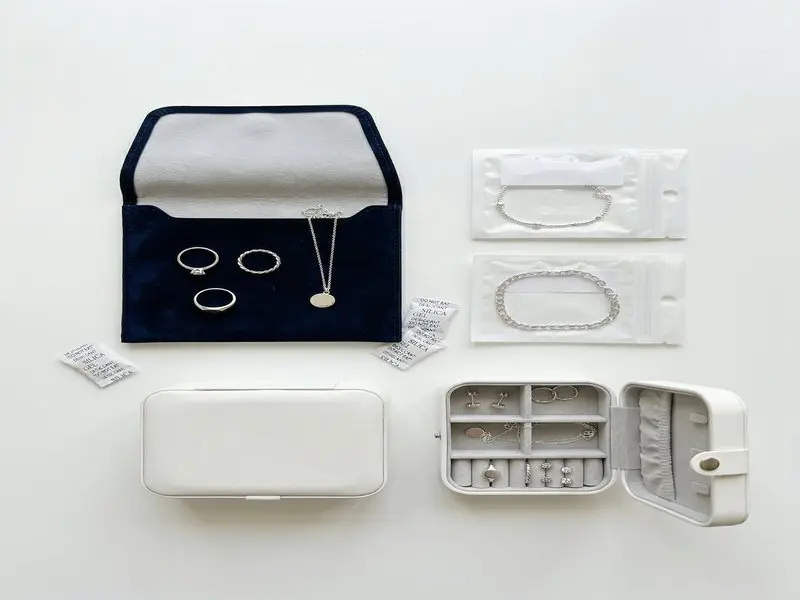
You can’t stop tarnish from happening forever—but you can make it happen much more slowly with the right habits. Here are the most effective prevention methods, including some not covered in typical jewelry care guides:
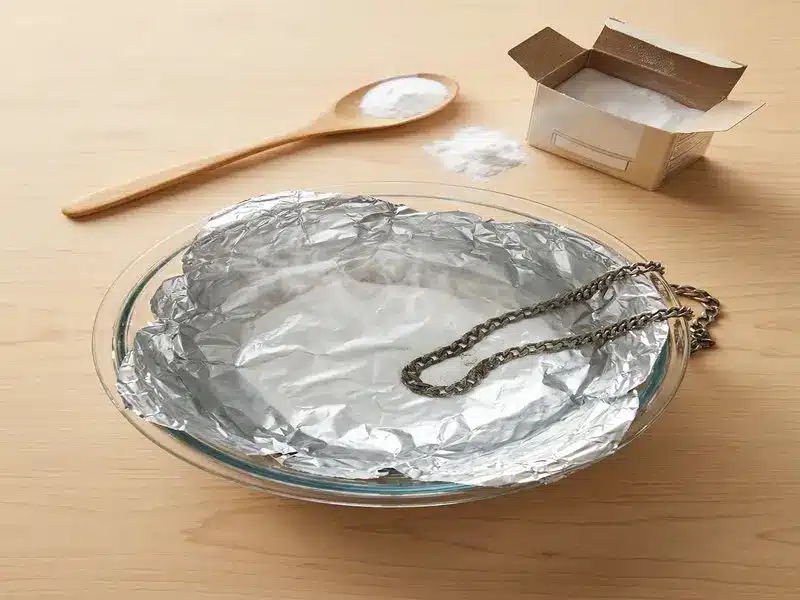
The bad news: tarnish is a surface-only phenomenon, and nearly always reversible. Here are the best ways to regain your silver shine:
For routine cleaning, the safest and most effective tool is also a dedicated silver polishing cloth. These cloths have two parts, one side treated for lifting tarnish, the other clean for buffing to a shine. They function on the basis of gentle abrasion and mild chemical chelation, removing silver sulfide from the surface.
TThis is the most popular home remedy — and it’s based on real electrochemistry. The method works through a process known as “galvanic reversal”: aluminum foil serves as the anode in an electrochemical cell, and the silver sulfide tarnish is chemically reverted back to pure silver.
Caution: This method is chemic as opposed to abrasive, so it’s safer than scrubbing. Do not use it on oxidized or purposely patinated silver though, because the dark finish is meant to be there and you will remove it. Also stay away for silver with gemstones that are sensitive to heat or moisture (such as pearls, opals, turquoise).
For light dirt and first-stage yellowing, a few drops of mild dish soap in warm water do the trick. Use a super soft toothbrush to get into the nooks. Rinse thoroughly and dry immediately — do not allow silver to air-dry, because standing water promotes future tarnishing.
Commercial silver dips and cleaners work faster, but should be used sparingly. Many have tarnish inhibitors that apply a fine protective layer molecule on the surface after clean. Follow the manufacturer instructions to the letter—oversoaking can ruin silver plating or soft stones.
For antique or gemstone-set pieces — or any that are heavily tarnished, professional cleaning with an ultrasonic cleaner and commercial solutions is your safest bet. Many jewelers also provide rhodium re-plating of the piece at the very same time, restoring not just shine but tarnish protection as well.
There’s a lot of misinformation online about how to clean silver. These common “hacks” will ruin your jewelry for good:
This distinction matters for how you care for your jewelry—and whether you should clean it at all.
| Feature | Tarnish | Patina |
|---|---|---|
| Appearance | Uneven, blotchy, progressive darkening | Even, soft gray-silver finish |
| How it develops | Random environmental exposure | Long-term wear or intentional treatment |
| Is it wanted? | Usually not | Often prized; valued in vintage/oxidized jewelry |
| Should you remove it? | Yes, if it bothers you | No—removing patina ruins the piece’s intentional aesthetic |
| Cleaning method | Polishing cloth, electrochemical, or cleaner | Mild soap and water only; no polishing |
Oxidized silver jewelry—pieces intentionally darkened using a liver of sulfur solution or other chemical process—is actually a controlled form of patina. These pieces should never be polished, as you’d strip the intentional finish. Clean them only with mild soap and water.
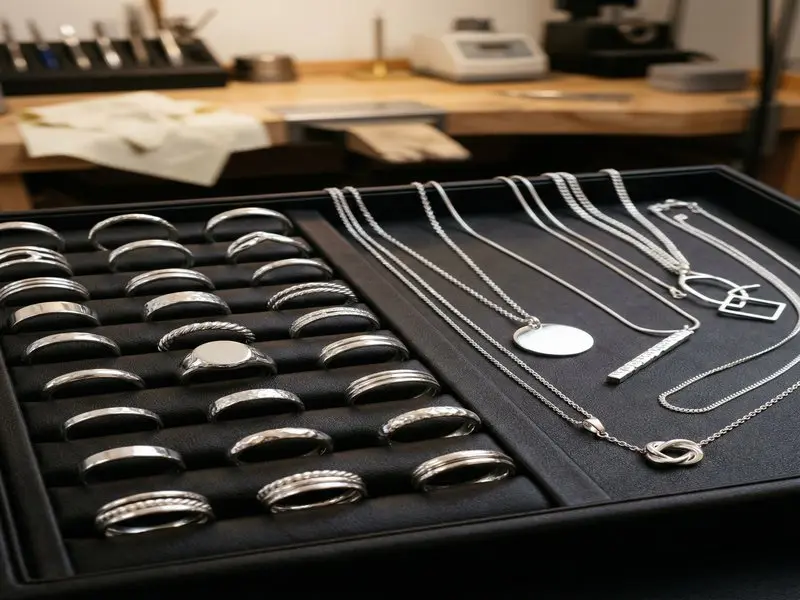
If you’ve ever noticed that silver jewelry turns quickly into a blackened and discolored mess on your body, or that it only takes several hours for your delicate rings to turn dark, the culprit could be your body chemistry. Aspects of silver tarnish, this is one of the most under-discussed.
The old folk belief that “silver turns black when you’re sick” or that “silver detects toxins in your body” is unsupported by science but the scientific truth behind it is even more fascinating. You were a little sick, your body chemistry does influence the speed at which silver tarnishes. This is not toxins; this is just sulfur chemistryody’s chemistry does affect how fast silver tarnishes. It’s not toxins; it’s just sulfur chemistry.
When you buy silver jewelry from a quality manufacturer, there’s often more protection built in than you realize. Here’s what professional jewelry manufacturers like HonHo Jewelry implement at the production stage to slow tarnish:
For wholesale buyers and brands sourcing silver jewelry, these manufacturing choices significantly affect how well your products hold up after sale. When requesting quotes or samples from a jewelry manufacturer, always ask specifically about tarnish-prevention treatments applied at the production stage.
HonHo Jewelry offers customized 925 sterling silver with rhodium plating, e-coating, and anti-tarnish packaging—so your end customers get jewelry that stays beautiful longer.Get a Wholesale Quote
Yes. All silver — both pure silver (fine silver. 999) and sterling silver (. 925)— indeed tarnish over time when exposed to sulfur compounds in the atmosphere. The chief offender is hydrogen sulfide (H₂S), which combines with silver to produce silver sulfide (Ag₂S), a dark gray-to-black compound that coats the surface. Tarnish is normal, predictable, and removable.
Yes. 99.9% pure silver tarnishes slower than 92.5% because copper is more reactive than silver so, naturally, it would tarnish faster but due to the lower concentration of silver in sterling it also contributes to the tarish. Copper also contributes copper sulfide (Cu₂S), which amplifies and accelerates the dark discoloration.
In a normal indoor setting, silver may start to develop an inconspicuous yellow tarnish in as little as weeks to months. In climates with high humidity or sulfur, substantial tarnish can develop within days. Scientific studies also demonstrate that silver in contact with freshly cooked hard-boiled egg (a potent source of hydrogen sulfide) starts to tarnish within 5–30 minutes. [3]
Rhodium itself does not tarnish. Unfortunately, rhodium plating is a thin coating that fades with time — usually 1–3 years based on daily wear. When the rhodium wears off and the sterling silver is exposed, it will tarnish like normal.
You can’t prevent tarnish permanently, but you can greatly reduce the process.] The most efficient methods are: putting silver in vacuum bags with anti-tarnish strips, using rhodium plating, covering it with nanotechnology-based coatings, and keeping thematic sulfur sources (rubber, wool, chemicals, humid air) away from silver.
Silver tarnish (silver sulfide) is typically regarded as non-toxic and safe. It is a surface tarnishing that does not mean the silver has been harmed. The jewelry can be wholly restored through mild cleaning.
Yes—wearing silver frequently slows tarnishing. The natural friction of wear maintains a shine on the surface and minimizes the time in which metal can be trapped within a gas-rich container. Many of us who have worn silver for years know that pieces flung on to wear every day tarnish far less than their stored companions.
Tarnish manifests as an irregular, blotchy dark film that develops from yellow through to black. Patina is a soft, gray-silver finish that occurs over long periods or can be fade and applied (as in oxidized silver jewelry). Tarnish is typically undesirable; patina is frequently coveted — particularly in vintage-style and artisan jewelry.
Fast darkening is typically caused by one or more of the following factors: high humidity in your environment, exposure to sulfur-laden products (perfumery, rubbery, cleaning agents), body chemistry that’s high in sulfur, and storing silver near wool or treated wood or rubber. For the complete list of tarnish accelerators, see Section 6 above.
Yes. 925 (sterling) silver tarnishes as it is alloyed with 7.5% copper, which reacts with sulfur in the surrounding environment. But with proper care — wearing it regularly, storing it airtight, applying anti-tarnish treatments — 925 silver jewelry can remain shiny for years. When looking for wholesale, be sure to find manufacturers that take anti-tarnish treatments or rhodium plating from the manufacturing stage.
Yes. Argentium silver (.It is up to 7 times more tarnish-resistant than standard sterling silver (which typically consists of copper. 925). It’s a great option for high-end jewelry where the long-term look is important, but it comes with an increased price.
We strongly advise against it. Silica abrasives in toothpaste will scratch up the surface of your silver, dulling it’s shine over time and helping tarnishing come sooner in the future. A silver polishing cloth or baking soda + aluminum foil electrochemical method is safer and more effective.
So, does silver tarnish? Absolutely—but that’s a sign of its authenticity and a normal part of its chemistry. The real question isn’t whether silver tarnishes, but how well you understand and manage the process. With the right knowledge—proper storage, regular wear, avoiding sulfur sources, and choosing well-manufactured pieces with protective treatments—silver jewelry can remain strikingly beautiful for decades.
For retailers and brands sourcing silver jewelry wholesale, tarnish resistance starts at the manufacturing stage. At HonHo Jewelry, we specialize in 925 sterling silver jewelry for brands worldwide, with optional rhodium plating, anti-tarnish e-coating, and custom anti-tarnish packaging to ensure your customers love their purchases for years.
Got questions about sourcing silver jewelry that lasts? Reach out to our team—we’re happy to discuss your requirements and provide samples.
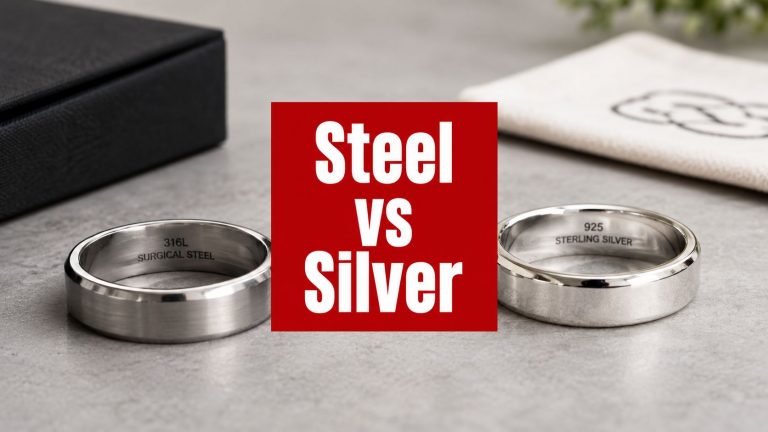
You’re pricing a new collection, and the sample tray is already split down the middle. The 316L surgical steel pieces look cleaner on cost and daily wear, the
You probably have a launch already in motion, a supplier sample on your desk, and one uncomfortable question underneath it all, will this gold color still look clean
If you are developing the ring itself, compare ring fabrication, casting and CAD methods before approving the shank dimensions and manufacturing route. You’re refining a ring design, the