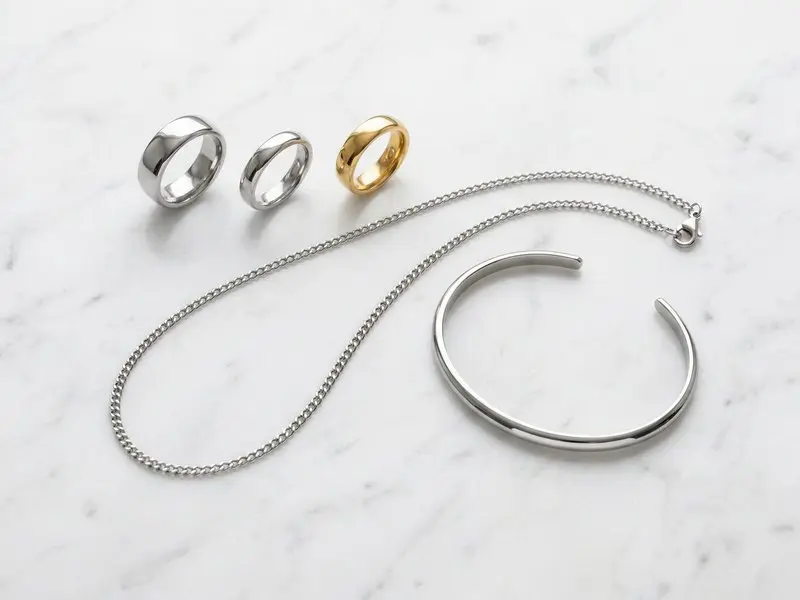
Is stainless steel good for jewelry? Walk into any jewelry store today — or scroll through any jewelry brand’s website — and you will find stainless steel everywhere. It is in men’s rings, women’s necklaces, earrings, bracelets, and even fine-looking pieces that could easily be mistaken for silver or gold at first glance.
The short answer is yes, stainless steel is genuinely good for jewelry — but the quality, safety, and long-term performance depend heavily on which grade you are talking about and how the piece is finished. Not all stainless steel is the same, and the difference between a great stainless steel ring and a mediocre one often comes down to a few key technical details that most buyers never hear about.
This guide covers everything you need to know: what makes stainless steel good for jewelry, the critical difference between 304 and 316L grades, the full list of pros and cons, how it stacks up against silver and gold, the truth about PVD and IP plating, how to care for it, and what brands sourcing wholesale jewelry should look for when manufacturing stainless steel pieces.
At HonHo Jewelry, stainless steel is one of the most requested materials from the brands we work with. We manufacture stainless steel jewelry for wholesale clients worldwide, so this guide reflects both the scientific facts and the practical realities of manufacturing at scale.
Stainless steel is an alloy — a combination of metals — low in carbon (less than 1% or 2% by volume) and mostly based on iron, to which at least 10.5% chromium has been incorporated. That chromium content is what bestows stainless steel its signature characteristic: a thin, invisible layer of chromium oxide forms on the surface, forming a self-repairing barrier against rust, corrosion and staining.
In jewelry — the alloy is further refined. The grades most commonly used for jewelry are:
You may also see “titanium steel” — 钛钢 in Chinese markets, which is essentially just a marketing name for 316L stainless steel1. It is not titanium.
That is, grade matters very much: the single most important thing to know about buying or sourcing stainless steel jewelry. A 304 stainless steel ring and a 316L stainless steel ring appear the same — but they act very differently in long-term wear and when in contact with skin.
| Property | 304 Stainless Steel | 316L Stainless Steel |
|---|---|---|
| Chromium content | 18% | 16–18% |
| Nickel content | 8–10.5% | 10–14% |
| Molybdenum content | None | 2–3% |
| Carbon content | ≤0.08% | ≤0.03% |
| Corrosion resistance | Good | Excellent (especially vs. chlorides) |
| Biocompatibility | Moderate | High (used in surgical implants) |
| Nickel leaching risk | Higher | Very low |
| Suitable for piercings? | Not recommended | Yes (implant-grade when implant-grade certified) |
| Best use | Decorative items, fashion jewelry | All skin-contact jewelry, everyday wear |
Why molybdenum matters: Molybdenum tightens the grain boundaries of the steel’s crystal structure, which prevents chloride ions — found in sweat, pool water, and saltwater — from penetrating the chromium oxide layer and causing pitting corrosion. This is why 316L is often called “marine grade.”
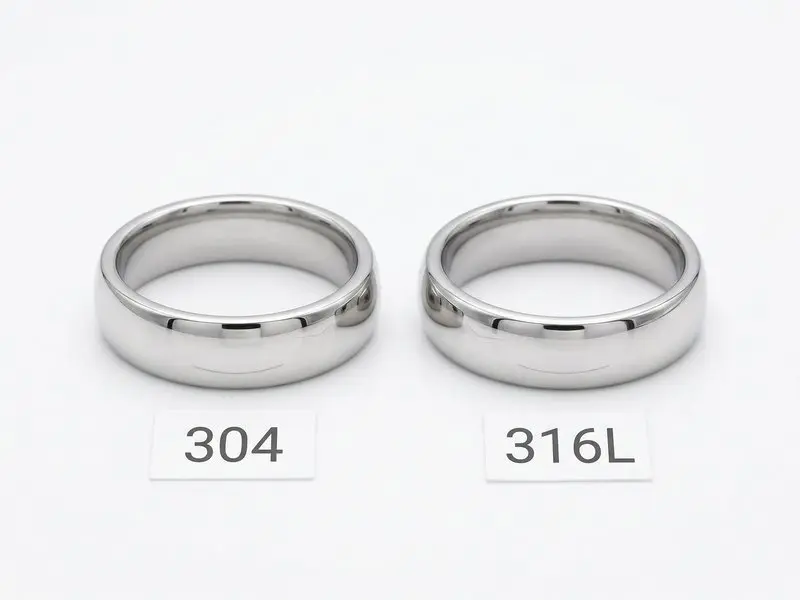
When evaluating jewelry from a supplier, always ask: Is this 316L or 304? Reputable manufacturers — including HonHo Jewelry — use 316L as standard for all skin-contact pieces.
This is a frank look at what stainless steel really does well — and it draws not just on user experience but also manufacturing knowledge.
Stainless steel is among the hardest metals used in the jewelry industry, coming out to about 5.5–6.3 on the Mohs scale of hardness. For comparison: Silver is 2.5–3, and gold—2.5–3 This meant that stainless steel is considerably more scratch-proof than precious metals. One Redditor in r/jewelry who wears a stainless steel necklace “24/7 for months at a time” said: “They stand up to constant wear and rough use. They’re always the best.” It is a common theme in hundreds of real user reviews.
316L stainless steel does not tarnish or oxidize under normal conditions unlike sterling silver, brass, or copper. The chromium oxide layer naturally heals itself: when scratched, it regenerates on its own in the presence of oxygen. There are no polishing, dipping or treating methods required to keep your stainless steel jewelry looking good.
316L stainless steel is great at combating moisture. It is resistant to fresh water, sweat and runs in pool or ocean saltwater exposure. Which makes it the most sensible metal for your average gym rat, swimmers, manual laborers or anyone who favors “set it and forget it” jewelry.
316L stainless steels are well known to be hypoallergenic and are used for surgical instruments and orthopedic implants. Due to its low carbon content, as well as the addition of molybdenum, nickel does not leach out of the alloy in typical climates and is safe for those with mild metal sensitivities.
Stainless steel jewelry usually retails for a small percentage of the price of sterling silver or gold jewellery with the same visual quality. 5052 aluminum’s hardness and finish properties enable manufacturers to produce a mirror-polished or brushed appearance that reads as high-end — without the high-endedness.
Stainless steel is one of the metals that accepts more types of surface treatment than others: mirror polish, brushed/satin finish, sandblasted, hammered, matte — and more. It is also very compatible with PVD and IP plating (see Section 6) allowing for gold, rose-gold and black finishes that last much longer than traditional electroplating.
When recycled, stainless steel has almost a 100% recovery rate and does not leach dangerous compounds back into the environment. For brands creating sustainable jewelry lines, this is a legitimate selling point.
No material is perfect. “Here’s the real limitations of stainless steel for jewelry — the ones that really matter in practice.
This is the biggest practical downside. Stainless steel is so hard, in fact, that traditional ring-resizing techniques — cutting, stretching, adding a segment — are either extremely difficult or impossible using standard jeweler’s tools. A jeweler with specialized equipment may be able to size up a stainless steel ring by half a size, but big resizes aren’t realistic. So, make sure that you have your ring size confirmed before buying or ordering any stainless steel rings.
In a lot of markets, jewelry is classified for hallmarking purposes as precious (gold, silver, platinum) or non-precious. Stainless steel is considered non-precious, which influences the value some consumers attach to it — particularly in gifts and heirloom pieces where the material’s inherent worth plays a role.
The resale value of stainless steel jewelry is basically none. Stainless steel has no commodity market prices whatsoever, unlike precious metals gold or silver, and its raw material value is negligible. If you care about the value of your investment or it holds long-term resale potential, stainless steel is not for you.
The hardness that gives stainless steel its durability also makes it more difficult to work with in a jewelry workshop. Hand engraving, hand-setting stones and custom modification are all more challenging than with silver or gold. Because of this, stainless steel jewelry is always made using CNC machining, laser engraving and casting rather than hand-fabrication techniques.
Although PVD plating is highly resistant to wear (see Sect. 6), it is not a permanent solution. Areas of high contact, such as ring shanks and clasp mechanisms, will eventually wear. When the plating wears through, exposed silver-toned steel remains.
Though 316L stainless steel withstands most common chemicals, exposure over time to bleach, strong acid cleaners and other aggressive industrial agents can damage the chromium oxide layer leading to surface staining or pitting.
Stainless steel does not exist in a vacuum: It’s always selected or rejected relative to alternatives. Here is how it compares on the key criteria.
| Property | 316L Stainless Steel | 925 Sterling Silver | 14K Gold | Brass |
|---|---|---|---|---|
| Mohs hardness | 5.5–6.3 | 2.5–3 | 2.5–3 | 3–4 |
| Tarnishes? | No | Yes | No | Yes (quickly) |
| Hypoallergenic? | Yes (316L) | Generally yes | Depends on alloy | Often not |
| Water resistance | Excellent | Poor (tarnishes) | Good | Poor |
| Resizable? | Very difficult | Yes (easy) | Yes (easy) | Yes |
| Hallmarkable? | No | Yes (.925) | Yes (karat) | No |
| Resale value | None | Some | Strong | None |
| Cost (relative) | Very low | Moderate | High | Low |
| Plating longevity | Excellent (PVD) | Moderate (rhodium) | N/A (is gold) | Short (flakes) |
| Best for | Everyday wear, durability | Hallmark, fine look | Fine jewelry, heirlooms | Fashion, budget |
When you think about how something can handle daily life stainless steel is the best. It does better than all the materials.. If you want something that will still be worth a lot of money and look fancy, gold and sterling silver are the way to go. They are also easier to work with. On the hand brass is cheaper but it has some big problems. It gets dirty. Discolored really fast and can even cause skin problems.
For companies that make jewelry that people wear every day 316L stainless steel is a choice. It is strong and reliable. Can handle being worn all the time. This makes it a great option for brands that want their jewelry to be durable and practical. Stainless steel is really good, for this.
HonHo Jewelry manufactures in all of these materials, including 925 sterling silver and brass jewelry — so brands can mix materials across their collection based on price point and positioning.
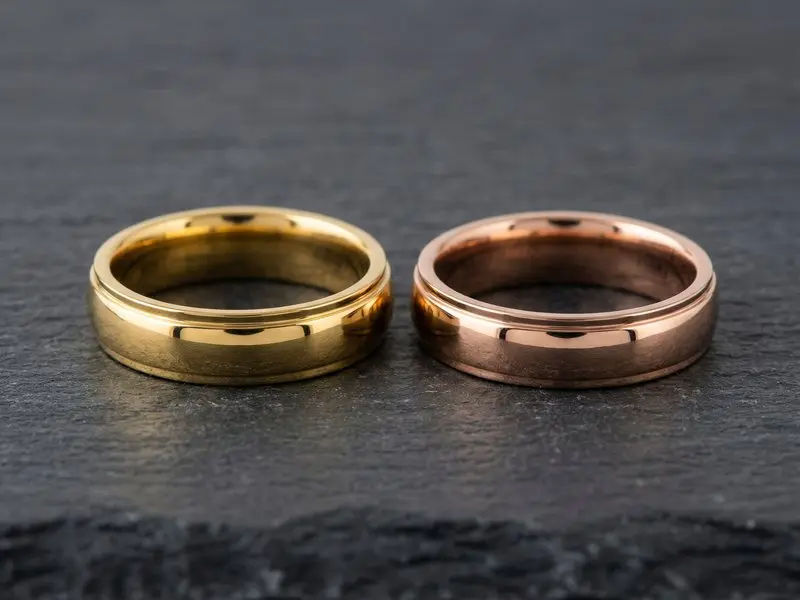
One of the improvements in stainless steel jewelry has been the use of PVD and IP coatings. These coatings help stainless steel look like gold rose gold or black and last longer than old electroplating methods.
When it comes to PVD coating, the process starts with putting a stainless steel piece in a special vacuum chamber. Then, a target material – this could be something like titanium nitride to give it a gold color, or zirconium for a black finish – is bombarded with high energy, turning it into a vapor. This vapor then condenses onto the surface of the stainless steel, bonding with it at a really deep, molecular level. The result is a coating that’s way more durable and sticks better than what you’d get with traditional electroplating methods. This makes for a really strong and long-lasting finish.
| Feature | PVD / IP Coating | Standard Electroplating (Gold) |
|---|---|---|
| Bond type | Molecular / atomic | Electrolytic (sits on surface) |
| Typical thickness | 0.5–5 microns | 0.1–0.5 microns (gold flash) to 2.5 microns (vermeil) |
| Wear life (daily) | 2–4 years | 3 months–2 years (varies widely) |
| Wear life (occasional) | 5–8 years | 2–5 years |
| Scratch resistance | Very high | Moderate |
| Safe for skin? | Yes | Depends on base metal |
| Can it be re-plated? | Yes, but requires factory equipment | Yes, by most jewelers |
For Brand Owners: PVD-coated stainless steel is currently one of the most popular choices for affordable “gold” jewelry that holds its color. Customers who would normally see a gold-plated piece fade in months will find their PVD stainless steel piece still looking great years later. This is a significant driver of positive reviews and repeat purchasing.
This question comes up constantly on Reddit, Quora, and TikTok — and the answer is more nuanced than a simple yes or no.
316L stainless steel itself is highly water-resistant. It handles:
However, there are important caveats:
For a more comprehensive look at this topic, see our detailed post on Is Stainless Steel Waterproof on the HonHo Blog.
Metal allergies are a problem for a lot of people. Being sensitive to nickel is the most common issue. Lets look at what we know about steel and how it can affect our skin.
Stainless steel, like 304 and 316L has nickel in it.. There is a layer of chromium oxide on the surface that stops the nickel from coming out when things are normal. Whether or not you have a reaction depends on a things:
If you have a piercing you should use implant-grade 316L or titanium. This is the choice. If your piercing is already healed you can use 316L stainless steel jewelry.. You should not use 304 stainless steel for new piercings.
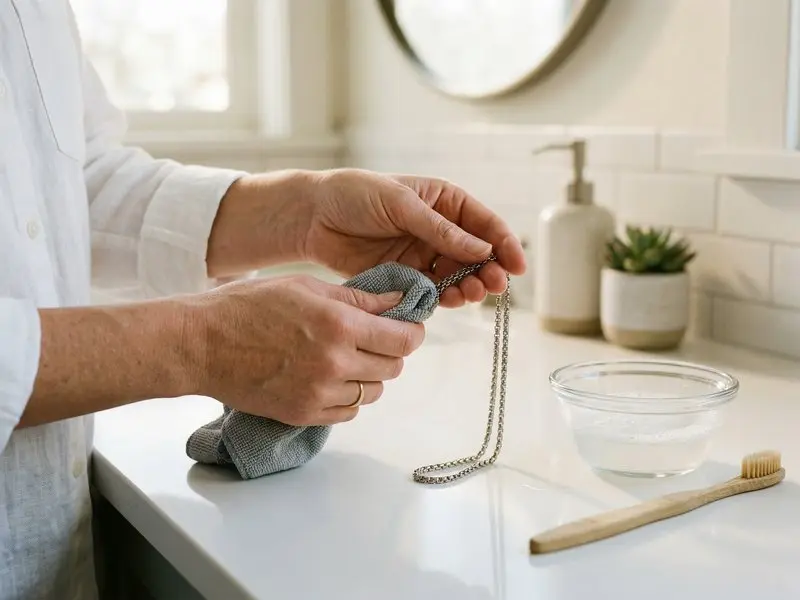
One of stainless steel’s greatest advantages is how little care it requires. But “low maintenance” does not mean “no maintenance.” Here is how to keep your stainless steel jewelry looking its best.
Wipe down with a dry microfiber cloth after wearing. This removes skin oils, sweat residue, and dust before they build up. Takes 10 seconds and significantly extends the time between deeper cleanings.
Store stainless steel pieces separately from each other and away from harder stones (like diamonds) that can scratch the surface. A soft pouch or individual compartments in a jewelry box work perfectly.
When you are creating a jewelry brand or adding to a brand that already exists you should think about using steel as a material. This is especially true for jewelry that’s not too expensive and not too cheap, where people like to buy things that will last a long time and leave good reviews.
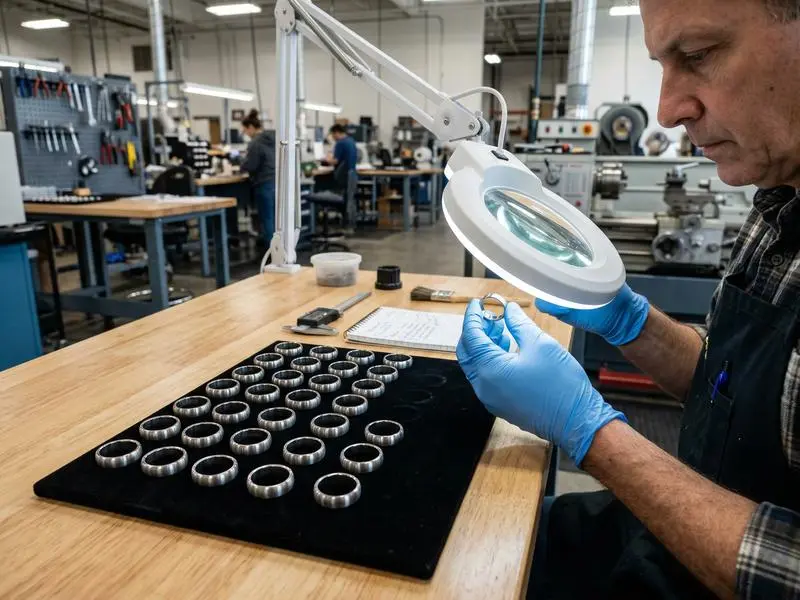
Here are the things that are important when you work with a company that makes stainless steel jewelry:
Sourcing stainless steel jewelry for your brand?
HonHo Jewelry manufactures 316L stainless steel jewelry with PVD and IP plating, laser engraving, and custom packaging for wholesale clients worldwide. Minimum orders start at 100 pieces per design.Explore Our Stainless Steel Manufacturing
Yes. 316L stainless steel makes jewelry. It’s strong doesn’t tarnish, is water-resistant, gentle on skin affordable and comes in many styles. It’s one of the metals for everyday wear.
316L is the grade for jewelry. It has 2-3% molybdenum for protection against damage and low carbon content, which reduces the risk of skin reactions. Its also used in tools.
316L stainless steel is good for people with skin. Its special layer prevents nickel from touching the skin. People with nickel allergies usually do fine with it. Those with allergies should choose titanium instead.
No. Quality 316L stainless steel stays shiny. Its protective layer fixes itself if scratched. You don’t need to polish or treat it to keep it looking good.
Yes,. Be careful. 316L stainless steel handles water, sweat and brief pool time well. Avoid soaking in chlorinated water or hot springs which can damage the layer.. Dry after swimming.
Stainless steel is harder more scratch-resistant and less expensive. Sterling silver has a value is easier to resize and engrave and is standard in high-end jewelry. For wear stainless steel is a better choice. For luxury and workability silver is better.
PVD coating typically lasts 2-4 years with daily wear and 5-8 years with occasional use. It bonds strongly with the metal making it more durable than electroplating.
Resizing is tricky. The metal is too hard for tools. Small adjustments might be possible with equipment but large changes are not practical. Always confirm your ring size before buying.
304 doesn’t have molybdenum and has more carbon. It’s good for items that don’t touch skin. 316L has 2-3% molybdenum for protection and lower carbon content reducing the risk of skin reactions. For jewelry that touches skin 316L is the choice.
Yes. It’s a material, for making wholesale jewelry. It’s cost-effective strong works with PVD and laser engraving and resists the shipping and retail environment. Contact HonHo Jewelry to discuss making options for your collection.
Is stainless steel good for jewelry? For the vast majority of everyday use cases, yes — it is excellent. The key is choosing 316L grade, understanding that PVD plating is a major quality differentiator, and being realistic about the limitations (resizing, resale value, hallmark status).
For individual buyers, stainless steel offers a level of practical durability that no other affordable metal can match. For brands, it offers the best foundation for affordable everyday jewelry that holds up in real customer hands.
At HonHo Jewelry, we work with brands at every stage — from initial design through to finished, packaged stainless steel jewelry. If you are sourcing for a jewelry line and want a manufacturing partner who uses 316L as standard and offers PVD plating, custom engraving, and rigorous quality control, we would love to hear from you.
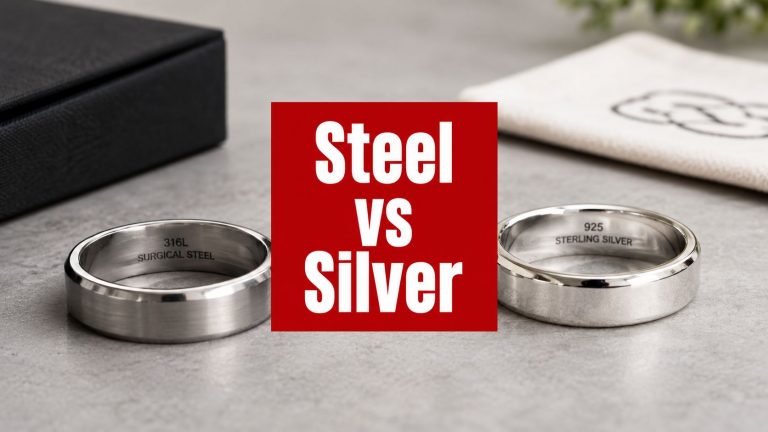
You’re pricing a new collection, and the sample tray is already split down the middle. The 316L surgical steel pieces look cleaner on cost and daily wear, the
You probably have a launch already in motion, a supplier sample on your desk, and one uncomfortable question underneath it all, will this gold color still look clean
If you are developing the ring itself, compare ring fabrication, casting and CAD methods before approving the shank dimensions and manufacturing route. You’re refining a ring design, the