
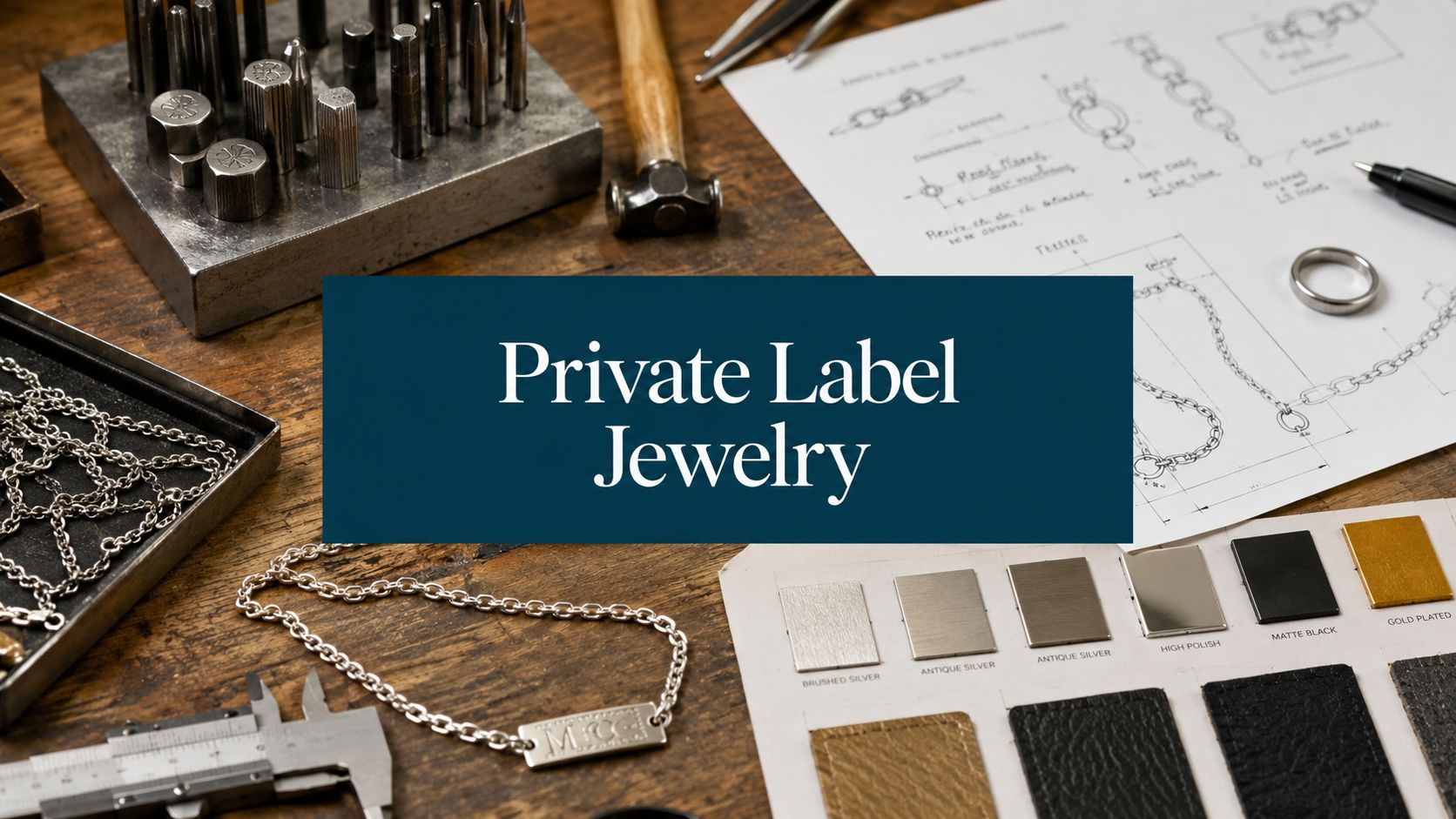
You’re probably at the point where the design looks good on screen, the supplier inbox is getting busy, and the key question is no longer “Can this be made?” but “Can this be made without turning into a return problem, a cash-flow mess, or a brand risk?” That’s the right moment to slow down and treat sourcing like a technical process, not a mood board exercise. A strong private label jewelry manufacturer relationship starts with clean specs, documented quality expectations, and a realistic budget.

A useful manufacturing brief identifies the design files, dimensions, body material, stones, chain or clasp, finish and branding. Mark undecided details clearly so the factory can explain their effect on cost and sampling.
Choose the material strategy early, because it changes cost, wear life, and positioning. Stainless steel, 925 sterling silver, and brass all behave differently in production, plating, and final pricing, and those differences matter long before the first sample is cast. A good technical package reduces back-and-forth, gives the factory enough detail to quote accurately, and signals that you’re treating the order like a real launch, not a casual inquiry.
Practical rule: If a supplier keeps asking basic questions after you’ve sent a full brief, the brief was incomplete or the supplier wasn’t reading it carefully.
Private label jewelry is attractive because it lets brands launch custom collections without in-house manufacturing, but the budget has to be real. Industry guidance says serious launches often start around $5,000 and can exceed $25,000, because design development, sampling, mold fees, and minimum-order commitments all sit inside the launch cost structure. The same guidance notes that MOQs commonly land in the 200 to 500 piece range per design, even though some factories report starting ranges from about 50 to 1,000 units depending on scale and product complexity Find My Manufacturer.
That matters because jewelry doesn’t behave like simple merch. A low initial quote can hide tooling, sampling revisions, or finish upgrades that show up later and distort your margin. If you’re comparing suppliers, ask them to separate design work, mold fees, sample charges, and production pricing so you can see where the money goes.
A manufacturer needs to know what can change and what can’t. If the collection depends on a specific silhouette, finish, or closure feel, spell that out before quoting begins. If the piece can tolerate slight adaptation for better manufacturability, say that too. That kind of clarity helps a factory engineer for cost without flattening the design.
For brands that want custom jewelry production without vertical integration, this groundwork is what makes OEM and ODM discussions productive. It’s also the difference between getting a clean quote and receiving a number that looks cheap until the revisions start.

A brand looking for a private label jewelry manufacturer usually starts in three places, curated B2B platforms, referrals from adjacent brands, and direct outreach to factories that already make similar product types. The first filter is category fit. A factory that makes fashion accessories may not understand plating durability, nickel-release concerns, or the repeat-wear standards a DTC jewelry brand has to meet.
Ask for the business license, quality certifications, and compliance documents before you get attached to sample photos. Serious sourcing teams should verify ISO or RJC certification, metal assay reports, and factory audits, because jewelry sourcing across borders depends on documented controls rather than trust alone. Use the Accio supplier overview for private label jewelry manufacturers as a starting point for the kinds of credentials factories should be able to produce, then confirm those materials directly with the supplier.
That does not mean every supplier needs the same exact packet. It does mean a factory should be able to show how it controls risk, from raw metal checks to final inspection records. If it cannot produce basic verification without delay, it is usually not ready for a brand that needs audit-ready sourcing.
A useful vetting conversation moves past price quickly. Ask who handles CAD conversion, whether plating is done in-house or outsourced, what inspection stages happen before shipping, and how non-conforming goods are handled. Those answers show whether the factory owns the process or only brokers it.
Use this filter set:
A factory that cannot explain its own process usually cannot protect yours. For a tighter screening framework, the jewelry manufacturer vetting guide is a useful reference for the questions worth asking before you commit.
A responsive salesperson can still represent the wrong factory. You want a partner whose production scale matches your order pattern, whose team understands private label expectations, and whose documentation habits support your compliance needs. If the factory’s answers stay vague around base metals, plating, or quality verification, keep looking.
eco-friendly packaging samples can also reveal whether a supplier understands how presentation, protection, and shipping costs affect the final product experience.
The best short list usually comes from 3 to 5 suppliers that can demonstrate capability, not just claim it. That keeps sampling manageable and avoids wasting time on partners that will never clear your quality bar.

Sampling is where a concept stops being theoretical. It’s also where hidden manufacturing weaknesses show up, especially in finish quality, stone setting consistency, and clasp performance. If a supplier rushes this stage, the finished product usually pays for it later.
A pretty sample isn’t enough. Check the piece against the drawing, verify dimensions, inspect edges, test movement on hinges or clasps, and look at how light behaves on the finish. The weight should feel intentional, not accidental, because weight often reveals whether the factory hit the intended metal balance or overcompensated somewhere else.
For brands that need a cleaner workflow from concept to prototype, the jewelry CAD design guide is a practical next reference. CAD files should make sampling easier, but they don’t eliminate the need to inspect the physical object in hand.
Watch the finish first. If plating looks strong in photos but weak under close inspection, that piece is not ready for scale.
For plated fashion jewelry, the primary trade-off is durability. Sourcing guidance now pushes buyers to ask not just whether they can order a small run, but whether the product has the right plating thickness in microns, protective layers, and compliance testing to survive wear and returns in DTC markets Sourcify China. That question matters more than the MOQ headline because a short run that fails early can cost more than a larger run that holds up.
Ask for the sample stage to include the same finish engineering you expect in production. If the factory uses PVD, electroplating, or protective base layers, ask how those choices affect wear life. If it can’t explain the relationship between finish build and repeat wear, it’s not giving you the due diligence you need.
A product doesn’t end at the jewelry piece. Packaging affects unboxing, shipping protection, and perceived quality, so it deserves its own sample review. If you’re evaluating presentation materials, eco-friendly packaging samples can help you compare tactile options before locking the final spec.
Sampling should end with a clear decision, approve, revise, or reject. Anything else usually means the supplier is asking you to absorb engineering risk that should have been resolved before production.
A quote only helps if you can build from it. When you negotiate with a private label jewelry manufacturer, the aim is a deal that supports repeat production, stable margin, and fewer surprises after launch. That starts with knowing what sits inside the number and what will change later.
Per-unit pricing is only one part of the picture. Tooling or mold costs often sit outside the piece price, and they can reshape the economics of a line if you do not ask where they apply. If you expect future colorways, size variants, or small design edits, get clear on whether those changes trigger new tooling or only a production adjustment.
MOQ negotiation works best when it follows real demand planning. Splitting an order across colorways, phasing in a second production run, or grouping closely related SKUs can sometimes make the factory more open to your order without pushing you into excess inventory. That does not mean every supplier will agree, but it does mean you should negotiate with a volume plan rather than a wish list.
A common sourcing workflow uses 30% deposit and 70% after inspection Simple China Sourcing. The same source also describes brands requesting 3 to 5 samples, paying about $30 to $80 for the set, and waiting 7 to 10 days for turnaround instead of paying 100% upfront Simple China Sourcing.
That structure protects both sides. The factory gets commitment, and the brand keeps bargaining power until the goods pass inspection. If a supplier insists on full prepayment without a strong reason, ask why the risk sits entirely on your side.
A practical quote review checklist:
Low pricing can become expensive if it creates defects, missed timelines, or production chaos. If a factory is transparent about how it prices labor, finishing, and setup, that is usually a better sign than a quote that looks artificially simple. The right deal gives the manufacturer enough margin to prioritize your run and gives you enough structure to protect your brand.
For a cleaner breakdown of how factory pricing and margin logic work in jewelry, wholesale jewelry pricing is worth reviewing before you sign anything.
You also need to align the quote with how the finished product will move after production. If your plan includes direct-to-consumer shipping, review Fulfillment strategies for Shopify stores early, because packaging size, carton weight, and handoff rules can change your landed cost and delay your launch if they are left vague.

Mass production is where margin can disappear fast if the factory doesn’t control quality tightly. The best manufacturers don’t just promise inspection, they document it. You want checkpoints, accepted defect thresholds, and a clear handling process for anything that fails.
Technical QC guidance emphasizes agreeing on acceptable defect rates, return or remake rules, and documented checks such as salt-spray testing, nickel-release protocols, and pre-production sample validation Branvas. Those controls matter because they catch issues before they become customer complaints, refunds, or brand damage.
A reliable factory should be able to show you its QA reports and explain what happens when a batch misses the target. If you’re working with HonHo Jewelry or any comparable OEM partner, ask how inspection records are stored, who signs off on each stage, and whether the factory does full inspection or sample-based checks. The more visible the process, the easier it is to scale without guessing.
Practical rule: If a supplier can’t show you how it tests finish durability, you’re not buying quality control, you’re buying hope.
Packaging affects cost, damage rates, and retail presentation. Ask whether the factory can supply branded boxes, pouches, care cards, and assembled sets, because kitting adds labor and schedule complexity that should be priced before launch. If you run Shopify or a similar DTC channel, Fulfillment strategies for Shopify stores can help you think through shipping flow, handoff timing, and how packaging choices affect delivery performance.
Logistics should be discussed alongside production, not after it. Clarify shipping terms, pack-out standards, carton labeling, and who owns the export handoff. That avoids the common failure where a good product leaves the factory in a weak shipping configuration.
Wholesale, DTC, and retail packaging all need slightly different structures. A white-box bulk order may work for a distributor, while a DTC brand usually needs retail-ready presentation and tighter fulfillment coordination. If the manufacturer supports global shipping through carriers like DHL or FedEx, that can simplify export, but only if the pack-out standard is aligned with the route.
For a factory-side view of how audits reduce fulfillment risk, the jewelry factory audit reference is a useful internal complement to your supplier QA checklist. Quality control only works when the inspection, packing, and shipment steps are linked together.
A manufacturer becomes valuable when the relationship holds up after the first order. That happens when both sides protect the design, communicate clearly, and keep solving problems instead of resetting every detail each time. The strongest private label programs stop behaving like one-off transactions and start operating like repeatable systems.
Your designs need protection. A trustworthy factory should sign an NDA, handle files securely, and keep client data separated so one brand’s work does not leak into another’s production line. Secure file handling matters as much as the contract, because a loose process makes copying easier and raises the risk of disputes later.
Relationship management matters too. If the supplier tells you early when a design is hard to manufacture, proposes a finish improvement, or flags a packaging issue before shipping, that supplier is acting like a partner. If it only surfaces problems after you have paid the balance, the relationship is still transactional.
Good long-term partners share a few traits. They answer technical questions without hiding behind sales language, they document changes, and they stay consistent on finish, fit, and timing across repeat orders. Those habits matter more than a polished sample room.
They also treat quality evidence as part of the discussion, not as an afterthought. Ask how they verify plating thickness, what their salt spray test reports show, and how they record pass or fail results from each production lot. Ask how tooling costs are quoted, what happens if a mold needs revision, and whether that cost is fixed before sampling moves forward. For a practical view of how suppliers reduce sourcing risk, the jewelry sourcing risks in China mitigation guide is a useful reference point.
The strongest brands do not chase the cheapest order. They build a production relationship that protects quality, supports reorders, and gives them room to launch new collections without starting from scratch each time. That means OEM and ODM capability, clear QA standards, and commercial terms that account for real production trade-offs, not just a sample that looks good under ideal conditions.
If you are ready to qualify a private label jewelry manufacturer, compare technical documents, sample quality, inspection discipline, and the way the factory handles tooling and rework before you discuss volume. Building this kind of system requires a partner who works with the same rigor. At HonHo Jewelry, we build private label programs around documented quality and transparent communication. If you are ready to move forward with a manufacturer that can make your collection consistently, not just once, let’s discuss your technical package.
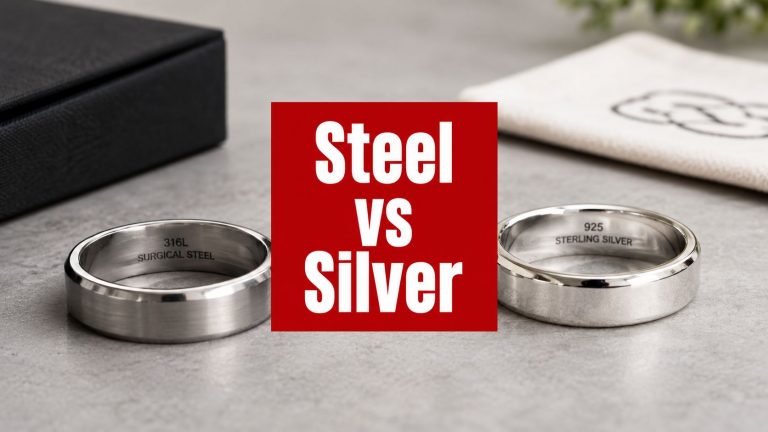
You’re pricing a new collection, and the sample tray is already split down the middle. The 316L surgical steel pieces look cleaner on cost and daily wear, the
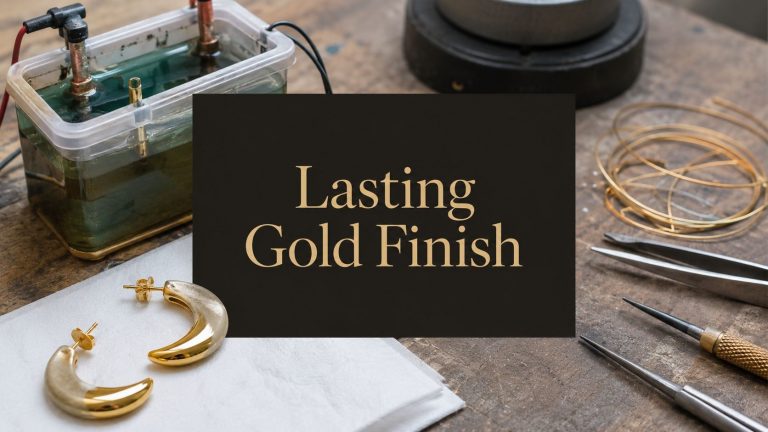
You probably have a launch already in motion, a supplier sample on your desk, and one uncomfortable question underneath it all, will this gold color still look clean
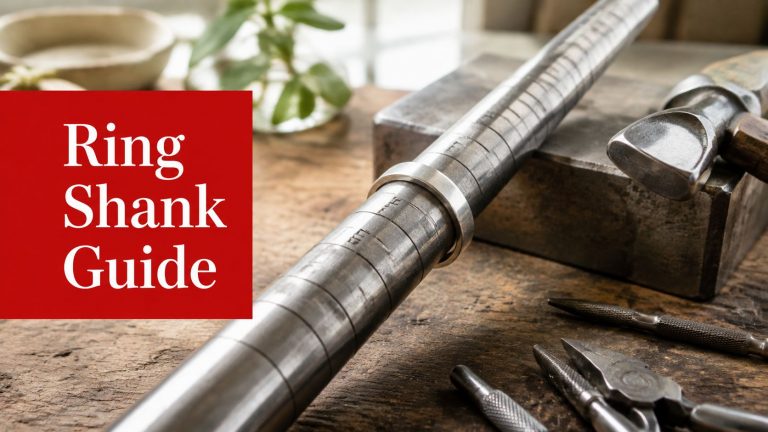
If you are developing the ring itself, compare ring fabrication, casting and CAD methods before approving the shank dimensions and manufacturing route. You’re refining a ring design, the