
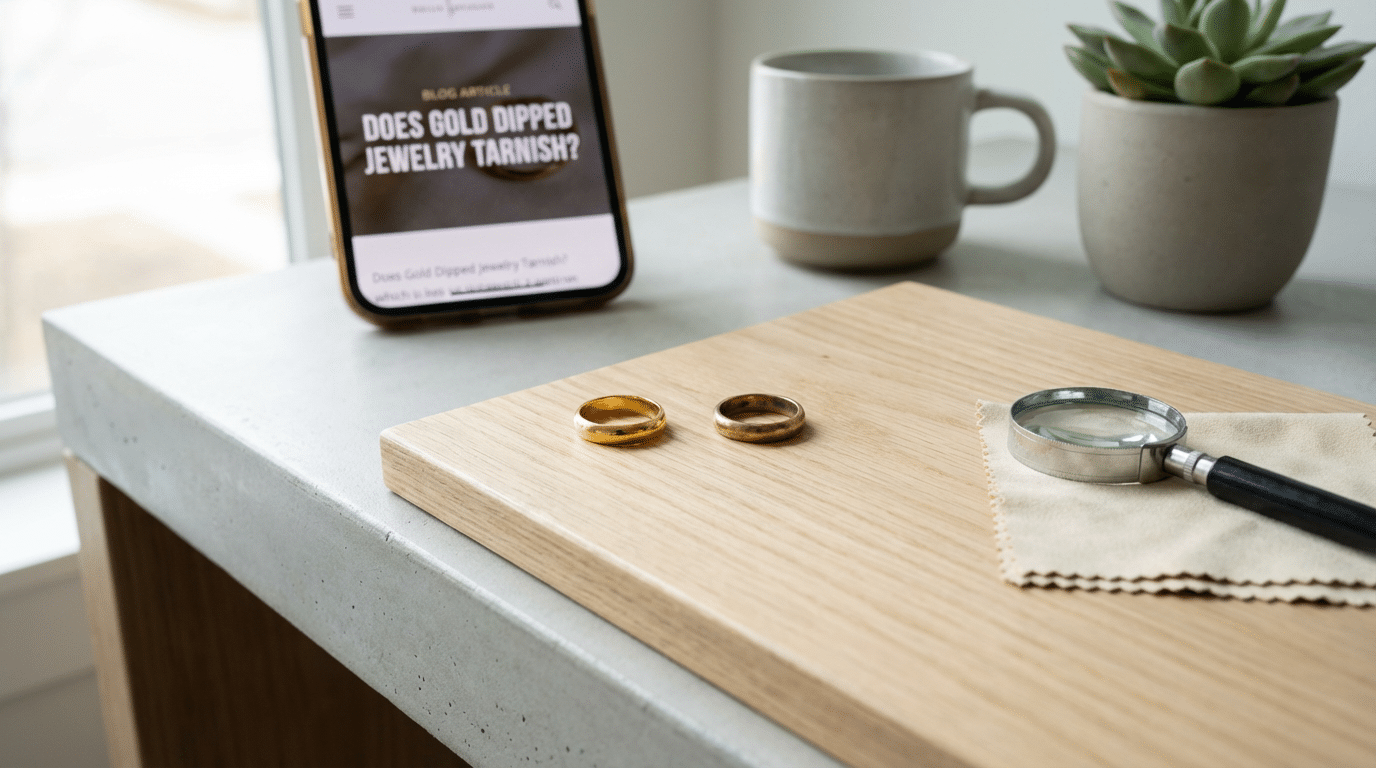
Wondering “does gold dipped jewelry tarnish?” You’re not alone.
If you love the look of gold but don’t want to pay solid-gold prices, gold dipped (gold plated) jewelry is incredibly tempting. But here’s the truth most product pages skip: yes, gold dipped jewelry can tarnish or fade—and how fast it happens depends on the gold thickness, base metal, plating method, and how you wear it.
The good news? With modern techniques like heavy gold plating, PVD coating, and anti-tarnish e-coating, high-quality pieces from serious manufacturers (like Dongguan HonHo Jewelry) can keep their color for years, not weeks.
In this guide, you’ll see exactly:
- When and why gold dipped jewelry tarnishes
- How to tell cheap flash plating from durable heavy plating
- Simple care habits that can double (or triple) your jewelry’s lifespan
- How gold dipped compares to gold filled, vermeil, and solid gold so you don’t overpay
If you’re tired of necklaces turning dull or your skin turning green, and you want affordable, tarnish-resistant gold jewelry that actually lasts, keep reading.
What “Gold Dipped” Jewelry Actually Is in 2026
What does gold dipped mean today?
In 2026, “gold dipped” is just marketing language for gold plated jewelry.
It means a thin layer of real gold has been bonded to a cheaper base metal (usually brass, copper, or stainless steel). It is not solid gold, and it’s usually not thick enough to be called gold filled or high-end vermeil.
When I label a piece as gold dipped, I’m saying:
- It’s real gold on the surface
- Over a non-gold core
- With a specific plating method and thickness that I can actually back up
If a brand doesn’t give you details (karat, thickness, base metal)? Assume it’s on the thinner, more delicate side.
Gold dipped vs gold plated vs gold electroplated
These terms are often used like they’re different — but in practice, they’re usually the same thing:
- Gold dipped – Trendy, vague term. Means gold plated. No guarantee of thickness.
- Gold plated – General term: gold layer applied over a base metal.
- Gold electroplated – The technical method most brands use: electric current bonds gold to the metal.
Most “gold dipped” jewelry you see online is actually gold electroplated, just dressed up with nicer wording.
Flash plating vs heavy gold plated vs PVD gold plating
Not all gold plating is created equal. The thickness and technology matter more than the name.
1. Flash plating (very thin)
- Gold layer: usually under 0.1 microns
- Looks great at first, wears off quickly with daily use
- Common in very cheap fashion jewelry
2. Heavy gold plated (thicker layer)
- Gold layer: around 0.5 – 2.5 microns
- Much more durable than flash plating
- What I aim for in pieces meant for regular wear
- Still not forever, but far better value for the price
3. PVD gold plating (high-tech coating)
- Physical Vapor Deposition: gold-colored layer is bonded in a vacuum
- Often used over stainless steel (316L)
- Harder, more scratch-resistant, and more tarnish-resistant than standard plating
- Frequently marketed as “waterproof” or “sweatproof”, but it still deserves basic care
When I say PVD gold plating, I’m talking about jewelry that’s built to handle more real life than typical fast-fashion gold dipped pieces.
18k gold dipped and typical micron thickness
Most quality 18k gold dipped jewelry today falls into these ranges:
- 18k flash plated:
- 0.05 – 0.1 microns
- High shine, short lifespan with daily wear
- 18k heavy gold plated:
- Around 0.5 – 2 microns
- Better for frequent wear when you take decent care
- 18k PVD coated:
- Often 0.3 – 1+ microns but with far superior hardness
- Feels like “more permanent” plating, especially on stainless steel
Any brand serious about quality (including mine) should clearly list:
- Karat (e.g., 18k gold dipped)
- Micron thickness
- Base metal
If they don’t? You’re probably looking at very thin plating.
Why there’s so much confusion in gold dipped marketing terms
The confusion is not an accident. A lot of brands lean on vague words to make plated jewelry sound closer to solid gold:
- “Gold dipped” sounds luxe, but doesn’t guarantee anything about thickness
- “Waterproof” or “tarnish-resistant” often just means “it won’t die on day one”
- “Premium plating” is meaningless without microns and base metal listed
- “18k gold” in big letters… with “plated” buried in the fine print
Here’s how I keep it honest in my own line:
- I always name the base metal (brass, copper, or 316L stainless steel)
- I state plating thickness in microns where possible
- I explain the coating method (standard electroplating vs PVD vs e-coating)
Bottom line: yes, gold dipped jewelry can be great — but only when you know what’s actually under that “gold dipped” label.
Does Gold Dipped Jewelry Tarnish?
Can gold dipped jewelry tarnish or fade?
Yes, gold dipped jewelry can tarnish and fade. “Gold dipped” almost always means a thin layer of gold over a cheaper metal like brass, copper, or stainless steel. Once that thin gold layer wears down, the base metal reacts with air, sweat, and moisture, and you see:
- Color fading from rich gold to dull yellow
- Dark spots or patchy areas
- Exposed base metal that looks orange, brown, or grey
Why does gold dipped jewelry tarnish over time?
Gold itself doesn’t tarnish easily, but the combination of a thin gold layer and reactive base metals does. The main reasons:
- Thin plating: Many “gold dipped” pieces are under 0.5 microns – that wears off fast.
- Reactive base metals: Brass and copper oxidize quickly once exposed.
- Daily exposure: Sweat, oils, perfume, sunscreen, and soap break down the plating.
- Friction: Rings, bracelets, and watch bands rub against skin, clothes, keyboards, and bags, thinning the gold layer faster.
If you’re working with a serious manufacturer instead of cheap mass dropshippers, you can specify thicker gold and better bases like 316L stainless steel (popular with many custom jewelry manufacturers) to reduce tarnish problems.
How long does gold dipped jewelry last in daily wear?
Very roughly (assuming normal daily use):
- Ultra-thin / “flash” gold dipped: A few weeks to a couple of months before obvious fading.
- Standard budget gold dipped: 3–6 months of decent color with careful wear.
- Heavier dipped pieces (1–2 microns on good base metal): 6–18 months or more, depending on care and body chemistry.
If you wear it every day, sleep, shower, and work out in it, expect the lower end of those ranges.
When gold dipped jewelry is more likely to tarnish
Gold dipped jewelry will tarnish much faster if:
- You sweat a lot in it (gym, hot climates, outdoor work)
- You shower, swim, or sleep in it regularly
- You spray perfume, hairspray, or body mist directly on it
- You use lotions, oils, or sunscreen under it
- You store pieces in open air, in a bathroom, or tossed together where they scratch each other
If you want gold dipped pieces that realistically survive daily wear, prioritize:
- Thicker gold (ask for micron thickness in the description)
- 316L stainless steel base instead of raw brass or copper
- Extra protective coatings like clear e-coating or PVD finishes
That’s the difference between gold dipped jewelry that looks great for a season and pieces that can actually hold up long term.
Key Factors That Decide If Your Gold Dipped Jewelry Will Tarnish
If you want to know does gold dipped jewelry tarnish, you have to look at what’s under the surface and how you wear it. These are the main things that decide how long it stays shiny.
Gold layer thickness (microns = durability)
For gold dipped / gold plated jewelry, thickness is everything:
- Under 0.1 micron (“flash” plating): looks great at first, but can fade in weeks with daily wear.
- 0.3–0.5 micron: light plating, okay for occasional wear (earrings, pendants).
- 1–2 microns (heavy gold plated): much better for daily wear if you still avoid water, sweat, and chemicals.
- 3+ microns or PVD: premium level, noticeably more resistant to fading and scratching.
Rule of thumb: more microns = more time before you see base metal and tarnish.
Base metal: brass vs copper vs stainless steel
The metal under the gold matters just as much:
- Copper: cheapest, but oxidizes fast; when the gold wears off, it can turn skin green or dark.
- Brass: slightly better than copper but still prone to tarnish and discoloration.
- 316L stainless steel: far more stable, doesn’t really tarnish on its own, so even when the gold thins, it won’t turn your skin green as quickly.
If you have sensitive skin or wear jewelry all day, look for 316L stainless steel gold plated pieces.
Plating methods: electroplating vs e-coating vs PVD
Not all “gold dipped” is done the same way:
- Standard electroplating: classic method; fine for fashion jewelry, but will slowly wear with friction and moisture.
- Electro-coating (e-coating / clear coat): adds a transparent protective layer on top of the gold to slow down color change.
- PVD gold plating: a vacuum coating method used on watches; bonds better to the metal, is thicker and more abrasion‑resistant, and is far more tarnish-resistant than basic plating.
If a brand clearly states PVD coating and micron thickness, you’re usually looking at a more durable, waterproof-style finish.
Sweat, water, perfume, lotions = faster tarnish
Everyday products and your own skin chemistry speed up wear:
- Sweat & salt water: eat through thin plating quickly, especially on rings and bracelets.
- Showers & pools: constant water + soap + chlorine = color fading and patchy spots.
- Perfume, body spray, lotion, sunscreen: chemicals and oils stick to the surface and slowly break down the coating.
If you want your gold dipped necklace or gold dipped ring to last, keep a strict “no shower, no gym, no perfume on jewelry” rule.
Storage, cleaning & handling habits
Your habits will decide if your “tarnish-resistant” gold jewelry actually stays that way:
- Bad habits that speed up wear:
- Tossing jewelry in a pile so pieces scratch each other
- Leaving it in humid bathrooms
- Scrubbing with toothbrushes or harsh cleaners
- Sleeping and working out in your jewelry
- Better habits:
- Wipe with a soft dry cloth after wearing
- Store in individual pouches or boxes, ideally with anti-tarnish strips or silica packs
- Keep away from steam, humidity, and direct sunlight
If you’re already investing in better gold dipped pieces, it’s worth pairing them with simple storage and care — the same way you’d store a 14k gold ring or a fine gold necklace to keep it looking fresh.
Real-World Lifespan of Gold Dipped Jewelry
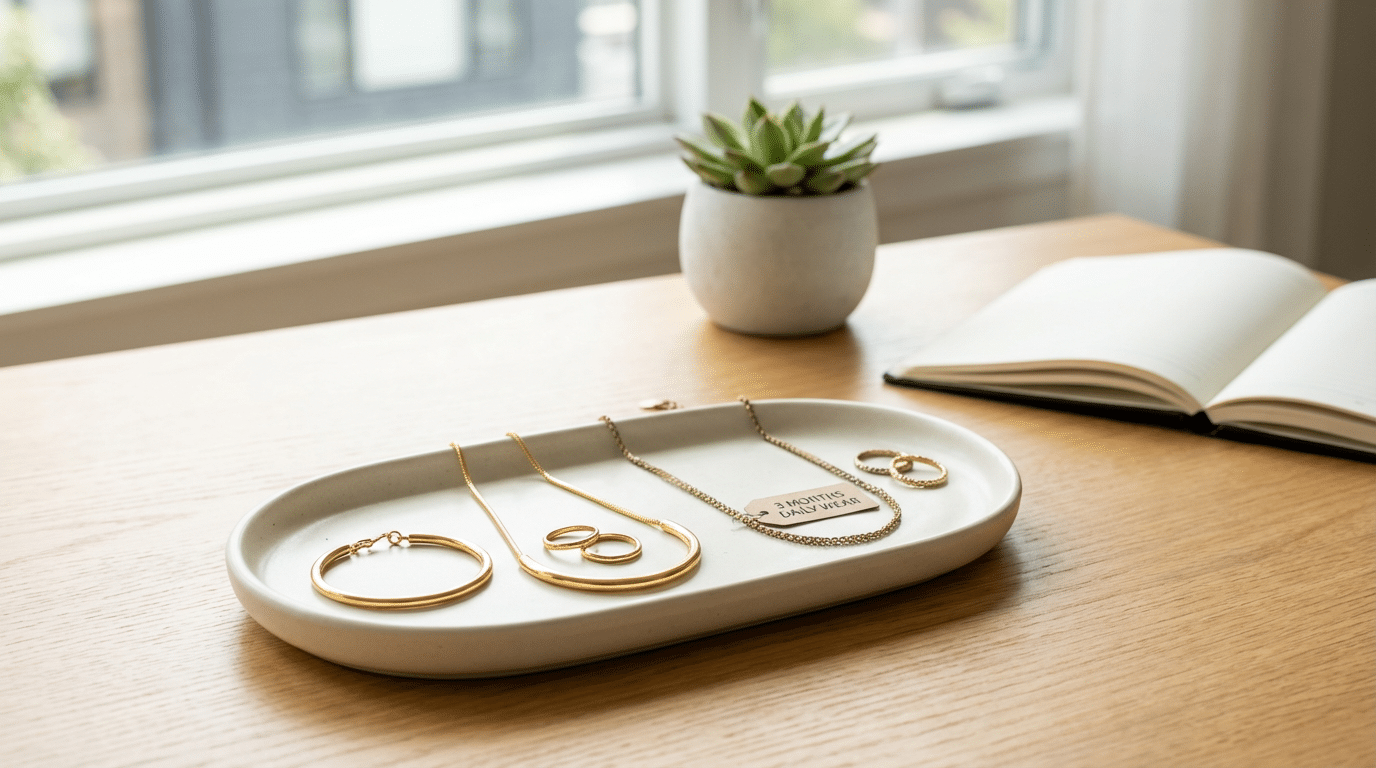
Typical lifespan of budget gold dipped jewelry
For cheap, thin “gold dipped” or flash-plated pieces (usually under 0.1 micron on brass or copper):
- Lifespan: a few weeks to 3–6 months with regular wear
- Common issues: fast color fade, patchy spots, green skin, and dullness
- Best for occasional use, not everyday shower / gym / sleep wear
How long heavy gold plated jewelry usually lasts
When the brand clearly states 1–3 microns of gold over a better base metal (often brass or 316L stainless steel):
- Lifespan: 1–3 years with normal, careful wear
- Less prone to obvious peeling; instead it slowly softens in color on high-friction areas (ring bands, bracelet clasps)
- With basic care and dry storage, these can be your go‑to everyday gold dipped jewelry
18k gold dipped durability in real use
18k describes the gold color and purity, not thickness. Durability depends on microns:
- Thin 18k gold dipped (under 0.3 micron): roughly the same as budget plating – months, not years
- Heavy 18k plating (1+ micron): 1–2+ years for daily necklaces/earrings, a bit less for rings and bracelets that rub more
- Warmer 18k tone hides minor wear better than very bright 24k tones
PVD gold plating tarnish resistance
PVD (Physical Vapor Deposition) over 316L stainless steel is one of the best combos if you want “set it and forget it” jewelry:
- Lifespan: easily 2–5+ years of daily wear with minimal fading
- Much more resistant to sweat, water, and friction than basic electroplating
- Often marketed as “waterproof” or “tarnish-resistant”; still, I avoid chlorine pools and harsh cleaners to stretch the life even more
- Similar to how quality stainless steel bracelets hold up for years, PVD gold on steel is built for long-term use
Lifespan comparison: cheap vs mid-range vs premium pieces
| Type | Typical Specs | Real-World Lifespan* | Best For |
|---|---|---|---|
| Cheap gold dipped | Flash plating, <0.1 micron, brass/copper | Weeks – 6 months | Trend pieces, occasional wear |
| Mid-range heavy plated | 1–3 microns, brass or stainless | 1 – 3 years | Everyday but with basic care |
| Premium PVD on 316L steel | PVD coating + optional e-coating | 2 – 5+ years | Low-maintenance daily jewelry |
| Gold filled / solid gold | Thick bonded layer / full gold | 10+ years / lifetime | Heirloom, sensitive-skin customers |
*Assumes normal use and basic gold dipped jewelry care (no constant water, perfume, or heavy friction).
How to Tell If Your Gold Dipped Jewelry Is Tarnishing
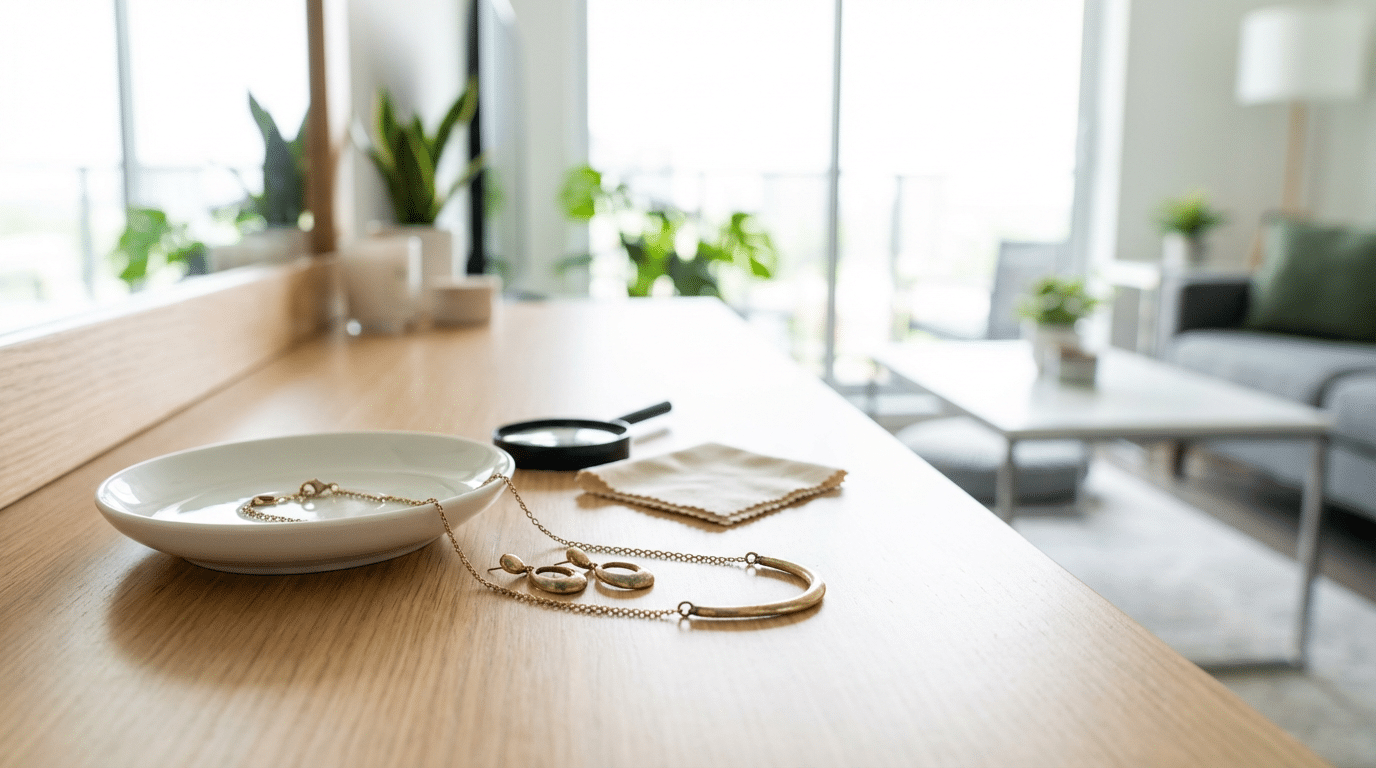
Knowing when your gold dipped jewelry is actually tarnishing (not just dirty) helps you decide whether to clean it, baby it, or replace it.
Early color changes and dullness
You’re seeing early wear if:
- The gold looks less bright and more flat even after a gentle wipe
- The tone shifts from warm yellow to slightly grayish or brassy
- Edges, clasps, and ring bands look duller than the rest
This usually starts on high-friction areas (ring bottoms, bracelet edges, necklace clasp).
Green or black spots on the surface
Clear tarnish signs:
- Green or dark spots around joints, clasps, and underside of rings
- Blackish shadows on chains or where the piece touches skin most
- Color that doesn’t wipe off fully with a soft cloth
Green often means a copper or brass base is starting to react under thinning gold.
Flaking, peeling, and exposed base metal
Your gold dipped layer is wearing through if you notice:
- Patchy areas where the color looks more orange, brown, or silver
- Tiny flakes or rough texture when you run a finger over it
- Obvious two-tone look – gold in some areas, different metal color showing in others
Once it’s peeling or flaking, you’re past “light wear” and into re-plating territory.
Skin turning green or black from gold dipped jewelry
Skin reactions tell you a lot:
- Green marks = base metal (often copper or brass) reacting with sweat, lotion, or water
- Dark gray/black marks = metal rubbing off and oxidizing on your skin
- It happens faster in hot climates, heavy sweating, or daily wear
Premium pieces that use 316L stainless steel as the base metal are far less likely to do this and are closer to what I’d use in long-wear lines or when working with a reliable custom jewelry manufacturer.
When it’s just dirty vs actually tarnished
Before you panic, rule out simple buildup:
Probably just dirty if:
- There’s lotions, sunscreen, makeup, or soap film visible
- The color returns after a gentle clean with mild soap and water, then a soft dry
- No green/black spots remain on the metal itself
Probably tarnishing if:
- Color stays dull or patchy after cleaning
- You see exposed base metal (more orange, brown, or silver tone)
- Skin staining keeps coming back in the same spots
If you’re buying in bulk or for a brand, consistent color, smooth finish, and clear plating specs (micron thickness, base metal, and coating method) are non‑negotiable signs of tarnish-resistant quality.
How to Keep Gold Dipped Jewelry from Tarnishing
Daily gold dipped jewelry care rules
If you want your gold dipped jewelry to actually last, you need simple but consistent habits:
- Avoid 24/7 wear – take pieces off to sleep, shower, or work out.
- Wipe after wear with a soft, dry cloth to remove sweat, oil, and product buildup.
- Rotate pieces instead of wearing the same necklace or ring every single day.
“Last on, first off” routine
Treat your gold dipped necklace, ring, or bracelet like a final step, not an accessory you throw on anytime:
- Last on:
- Do skincare, sunscreen, makeup, then hair products and perfume.
- Put jewelry on after everything is dry.
- First off:
- Remove rings, bracelets, and chains before washing your face, showering, or going to bed.
This one habit alone dramatically slows down tarnish and fading.
What to avoid: water, sweat, perfume, chemicals
Gold dipped and gold electroplated jewelry react badly to daily “invisible” damage:
- Avoid wearing in:
- Shower, swimming pools, hot tubs, ocean
- Gyms, saunas, heavy workouts
- Keep away from:
- Perfume, body spray, hair spray
- Lotions, self-tanner, oils
- Cleaning products, bleach, detergents, hand sanitizer
If it can strip oil off your skin, it can strip the gold layer too.
Safe cleaning routine for gold dipped jewelry
You don’t need harsh cleaners; those actually speed up fading:
- Do:
- Use lukewarm water, a tiny drop of mild dish soap, and a soft cloth.
- Gently wipe, then rinse quickly in clean water.
- Pat dry fully with a lint-free cloth.
- Don’t:
- Soak gold dipped jewelry for long periods.
- Use jewelry dips, ultrasonic cleaners, toothpaste, or polishing cloths meant for solid metals (too abrasive).
For stainless steel–based pieces (like many stainless jewelry wholesale collections), this gentle routine is more than enough.
Best way to store gold dipped jewelry at home
Storage is where most people ruin “tarnish-resistant” gold jewelry without realizing it:
- Store pieces individually in soft pouches or separate compartments to avoid scratching.
- Keep them dry and dark – drawer, jewelry box, or closed organizer is ideal.
- Never leave jewelry on bathroom counters or in damp places.
Anti-tarnish strips, bags, and silica packs
If your climate is humid, upgrade your storage a bit:
- Add anti-tarnish strips or tabs to your jewelry box.
- Use zip bags or anti-tarnish pouches for daily-wear gold dipped necklaces and rings.
- Drop a silica gel pack in the drawer or box to keep moisture down.
This is especially helpful for brass- or copper-based pieces that tarnish faster.
When to get jewelry professionally cleaned or re-plated
At some point, cleaning won’t fix fading—that’s a plating issue, not dirt:
- Consider professional cleaning or re-plating when:
- The color looks dull or patchy even after cleaning.
- Base metal is peeking through on edges or ring bands.
- You love the design and wear it often (cheaper than replacing solid gold).
- Skip re-plating when:
- The piece was very cheap and already peeling or flaking.
- The base metal is corroded or turning your skin green badly.
For brands or buyers sourcing in volume, working with a reliable manufacturer that offers consistent plating thickness and re-plating support is key—this is exactly what I focus on when vetting partners, similar to the standards shared in many professional jewelry manufacturer vetting guides.
Gold Dipped vs Other Types of Gold Jewelry
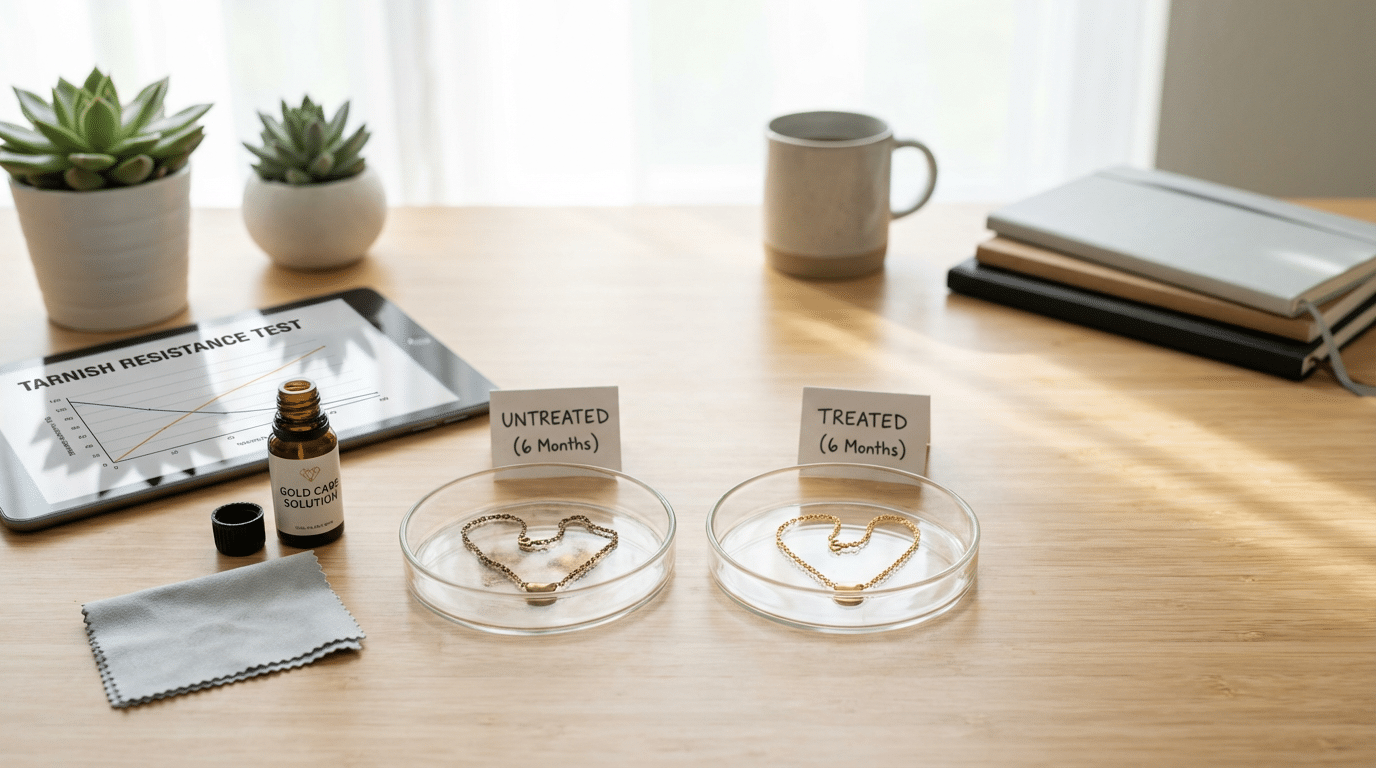
Gold dipped vs gold plated – what’s the real difference?
In 2026, “gold dipped” is basically marketing talk for gold plated. Both mean a thin layer of gold over a base metal (like brass, copper, or stainless steel). The only real difference is:
- Gold dipped – vague term, usually doesn’t tell you thickness or method
- Gold plated – should list karat (e.g., 14k/18k) and ideally micron thickness (e.g., 0.5–2.5 microns)
If a brand says “gold dipped” but won’t tell you microns, base metal, or plating method, expect a thin, fashion-level coating.
Gold dipped vs gold filled – durability and value
Gold filled wins, every time.
- Gold dipped / gold plated
- Very thin gold layer (often under 0.5 microns on cheap pieces)
- Wears off faster with daily friction (rings, bracelets)
- Lower cost, lower resale value
- Gold filled
- Thick, mechanically bonded gold layer (at least 5% of total weight)
- Much more durable, can last years of daily wear with care
- Better long-term value and usually more skin-friendly
If you want affordable jewelry that actually holds up, gold filled is a big step up from basic gold dipped.
Gold dipped vs gold vermeil – tarnish resistance
Gold vermeil is a specific standard, not a buzzword:
- Base metal: Sterling silver (925)
- Gold layer: Usually 2.5 microns+, often 18k
- Benefits: Thicker gold + noble base metal = better tarnish resistance and safer for sensitive skin
Gold dipped pieces:
- Might be on brass or copper (these tarnish and can cause green skin)
- Gold layer can be very thin and wear off quickly
If you see “gold dipped over sterling silver” with at least 2.5 microns, that’s basically vermeil quality even if they don’t use the word.
Gold dipped vs solid gold – everyday wear
For everyday, no-stress wear, solid gold is in its own league:
- Solid gold (10k, 14k, 18k)
- Won’t peel or flake (it’s gold all the way through)
- Can scratch, but you’re not exposing a base metal
- Best for wedding bands, daily rings, staple necklaces
- Gold dipped
- Fine for occasional use or low-friction pieces (earrings, pendants)
- High-wear spots (rings, bracelets) will eventually show base metal
If you never want to think about tarnish, solid gold is the “buy once, wear forever” option. Gold dipped is for style rotation, not heirlooms.
Best type for sensitive skin and allergies
If your skin is sensitive or you react easily:
- Best options:
- Solid gold (14k–18k, nickel-free)
- Gold vermeil (thick gold on sterling silver)
- Gold plated on 316L stainless steel (hypoallergenic steel base)
- Riskier options:
- Gold dipped on brass or copper (common triggers for irritation and green skin)
- Very thin plating where base metal can expose quickly
Look for labels like “nickel-free”, “hypoallergenic”, and clearly stated base metals. A lot of reputable fashion brands and manufacturers feature these standards in their collections and case studies inside their own fashion jewelry blogs and insights.
Best affordable option for tarnish‑resistant gold jewelry
If you’re on a budget but want minimal tarnish and decent lifespan, here’s the ranking:
- PVD gold plating on 316L stainless steel
- Very hard-wearing, water‑resistant, and great for daily wear
- Gold filled (on brass core)
- Thick gold layer, solid choice for frequent wear
- Gold vermeil (2.5+ microns on sterling silver)
- Especially good for earrings and necklaces
- Standard gold dipped / gold plated
- Okay for occasional use or trendy pieces, but check:
- Micron thickness (aim for 1+ microns if possible)
- Base metal (stainless or silver is better than cheap brass)
- Okay for occasional use or trendy pieces, but check:
If a brand is transparent about micron thickness, base metal, and plating method, you’re usually looking at better, more tarnish‑resistant gold dipped jewelry instead of disposable pieces.
Why Some Gold Dipped Jewelry Lasts Longer Than Others
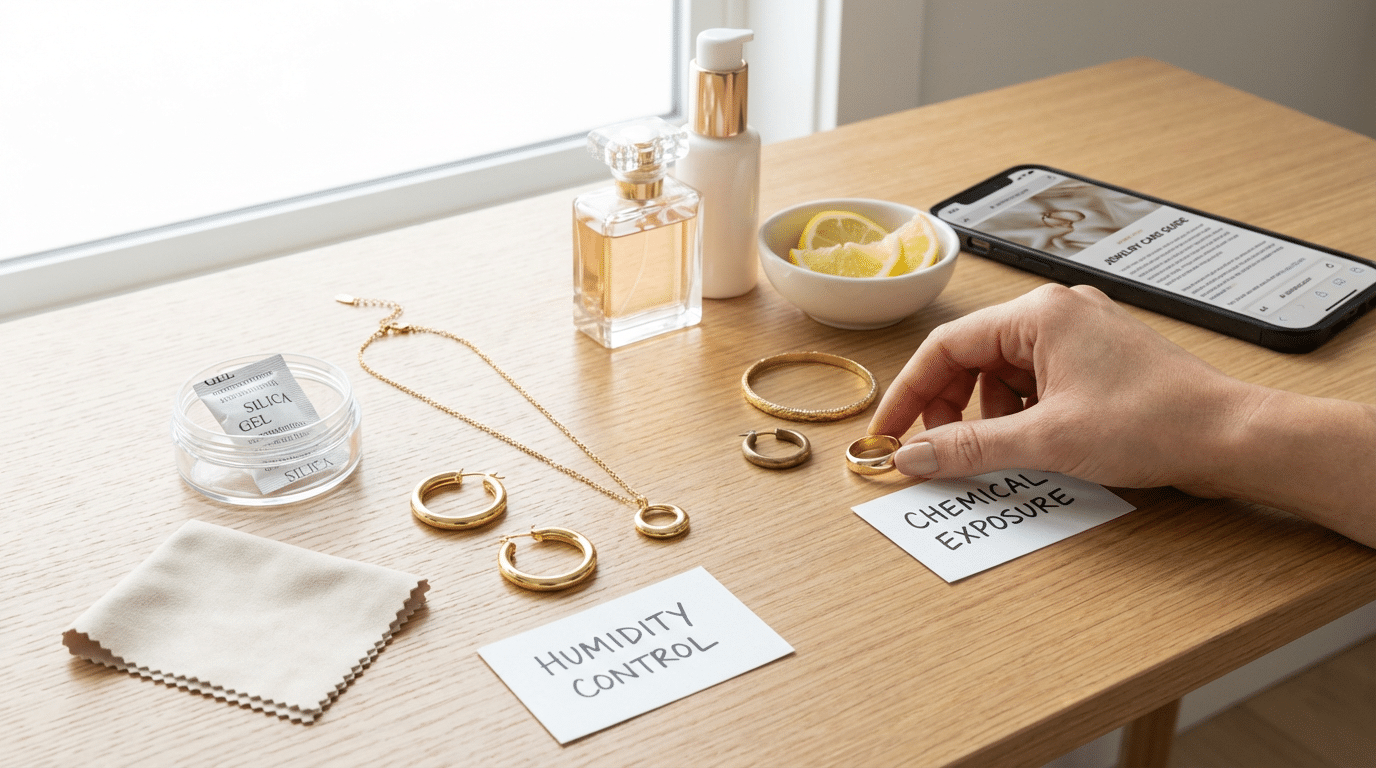
Not all “gold dipped” pieces are built the same. A lot comes down to thickness, base metal, and the coating tech behind the shine.
Micron thickness = lifespan
For gold dipped / gold plated jewelry, micron thickness is everything:
- Under 0.1 micron (flash plating)
Super thin, meant for looks only. Often fades in weeks with daily wear. - 0.3–0.5 micron
Entry-level “fashion jewelry.” Fine for occasional wear, not great for everyday. - 1–2 microns (heavy gold plated / better “18k gold dipped”)
Solid for daily wear if you treat it well. - 2.5+ microns (vermeil-level / premium plating)
Noticeably more durable, especially on earrings and necklaces.
If a brand won’t state the micron gold plating thickness, assume it’s very thin.
Base metal: brass vs copper vs stainless steel
The metal under the gold controls how it ages:
- Copper – Tarnishes and turns skin green fastest when exposed. Very common in cheap pieces.
- Brass – A bit better, but still prone to tarnish and color change.
- 316L stainless steel – Strong, corrosion-resistant, and hypoallergenic for most people. When gold dipped on 316L stainless steel, you get a much more stable, everyday option.
If I’m making or sourcing plated jewelry, I’ll almost always choose stainless steel over brass or copper for long-term color and less tarnish.
PVD and e-coating: next-level protection
Newer coating methods can make a big difference:
- PVD gold plating (Physical Vapor Deposition)
- Very hard, dense coating
- Stronger adhesion than basic electroplating
- Much more resistant to sweat, water, and friction
Premium titanium nitride PVD jewelry on stainless steel can stay bright for years with normal wear because of this combo.
- E-coating / clear protective topcoat
- Transparent layer over gold
- Acts like a shield from sweat, oils, and air
- Slows down tarnish, especially on brass-based pieces
The best tarnish-resistant gold jewelry usually combines stainless steel + PVD + e-coating.
You can see how brands use PVD on pieces like titanium nitride PVD jewelry to lock in color and shine longer than regular plating.
Signs of quality in tarnish-resistant gold dipped jewelry
When I’m evaluating if a piece will hold up, I look for:
- Clear specs:
- Gold color (14k / 18k tone)
- Micron thickness stated
- Base metal listed (ideally 316L stainless steel)
- Real process terms:
- “PVD coating,” “vacuum plating,” “e-coating,” “IP plating,” “heavy gold plated”
- Consistent finishing:
- No rough edges
- Even color, no patchy spots
- Honest claims:
- “Water-resistant with care,” “tarnish-resistant,” not “never ever tarnishes forever”
Red flags when buying cheap gold dipped jewelry online
I skip or treat with caution anything that:
- Uses only vague terms:
- “High quality gold dipped,” “premium luxury finish” with zero details
- Hides materials:
- No mention of base metal or micron thickness anywhere
- Overpromises:
- “100% waterproof, sweat-proof, will never fade” for $5–$10
- Has lots of reviews mentioning:
- Green skin
- Black marks
- Color changing within days
If you want affordable gold dipped jewelry that doesn’t tarnish fast, focus harder on materials + plating details than on influencer photos or buzzwords in the product title.
Common Problems with Gold Dipped Jewelry (and Real Fixes)
Why gold dipped / gold plated jewelry turns green
If your “gold dipped” necklace or ring is turning your skin green or the metal looks dull, it’s usually because:
- The gold layer is very thin (flash plating under 0.5 microns), so it wears off fast.
- Base metal is brass or copper, which naturally oxidizes and reacts with sweat, lotion, or perfume.
- pH of your skin is more acidic, which speeds up corrosion.
That green color isn’t the gold; it’s the base metal bleeding through once the gold wears off.
What to do when your gold dipped ring starts to fade
If the color is patchy or looks more yellow/brown than gold, you’ve started to wear through the plating. You can:
- Stop wearing it in water and while sweating (gym, shower, pool).
- Clean gently with mild soap, lukewarm water, and a soft cloth.
- Use a clear barrier (clear nail polish on the inside band only as a short-term hack).
- For rings you wear daily, consider upgrading to thicker plating over 316L stainless steel or sterling silver, similar to how we treat long-wear pieces in our stainless steel lines you’ll see in many wholesale stainless steel jewelry collections.
Can you restore tarnished gold dipped jewelry?
You can’t “polish gold back on.” If the gold layer is gone or very thin:
- Cleaning will only help if it’s dirt or oils, not real metal loss.
- Once the base metal shows, the only real fix is re-plating.
- Strong jewelry cleaners or abrasives will usually make it worse by stripping more plating.
DIY fixes vs professional re-plating
DIY options (short-term, budget-friendly):
- Mild soap + water + soft cloth to remove sweat and oils.
- Clear coating (like jewelry-safe lacquer) on skin-contact areas to slow tarnish.
- Use only for fashion pieces you’re okay replacing.
Professional re-plating (long-term, higher quality):
- Jewelers can add thicker gold layers (1–3 microns or more).
- Best for: favorite rings, chains, or sentimental pieces.
- Cost can approach the original price of the jewelry, so weigh it carefully.
When it’s better to replace than repair
It’s usually smarter to replace instead of repair when:
- The piece was cheap to begin with and has ultra-thin plating.
- The base metal is already corroding or pitted.
- Re-plating cost is close to or more than buying a new, better-quality plated piece.
If you want gold dipped jewelry that won’t be a constant repair project, look for:
- Stainless steel or sterling silver base (not unknown alloys).
- Micron thickness listed (aim for 1–3 microns for everyday wear).
- Extra PVD or e-coating if you want more tarnish resistance and lower maintenance.
Buying Guide for Tarnish-Resistant Gold Dipped Jewelry
How to read product descriptions + micron thickness
When you’re shopping gold dipped jewelry, read the specs like you’d read a contract:
- Look for microns (µm):
- 0.1–0.3 µm = flash plating → looks good but fades fast.
- 0.5–1 µm = basic everyday wear if you’re careful.
- 1–2.5 µm = heavy gold plated → much better for daily use.
- PVD on stainless steel (often 0.3–1 µm but very dense) can outperform thicker basic plating.
- If there’s no gold thickness listed and just “gold dipped” or “gold plated” → assume it’s thin and more likely to tarnish.
- Check base metal in the description:
- 316L stainless steel = best for tarnish resistance and sensitive skin.
- Brass / copper = can turn green or dark once the gold wears off.
Good manufacturers and serious jewelry manufacturers in China will always list metal type and thickness. If they don’t, that’s a flag.
What “tarnish-resistant” and “waterproof” really mean
These words are overused, so I treat them as marketing until proven otherwise:
- “Tarnish-resistant”
Usually means:- Thicker plating, better base metal, maybe an e-coating top layer.
- Slower to fade, not “never tarnishes.”
- “Waterproof” / “shower-safe” / “sweat-proof”
Only trust this if:- The piece is PVD gold plated on 316L stainless steel.
- Or the brand clearly states tested for water exposure.
- If a cheap piece promises “never fades” with no specs, they’re selling hype, not reality.
Questions to ask before you buy gold dipped pieces
Ask these straight up if the listing isn’t clear:
- What is the gold thickness in microns?
- What is the base metal (316L stainless, brass, copper, alloy)?
- Is the gold PVD coated, electroplated, or flash plated?
- Is there any nickel in the mix? (Important for sensitive skin.)
- Do you offer replating or a color-fade warranty?
If a brand can’t or won’t answer these, I move on.
Best practices when buying affordable gold jewelry online
To avoid junk and get actual value:
- Read real reviews, filter by:
- “3–4 stars” (these are usually the most honest)
- Keywords like “turns green”, “faded”, “still shiny after months”
- Compare photos:
- Look for buyer pics after 1–6 months of wear.
- Don’t be fooled by only studio shots and influencers; I want normal, unedited photos.
- Check if the brand talks about production methods or quality control (for example, brands that explain how they work with dedicated jewelry manufacturers in China usually care more about specs).
How to spot honest brands vs overhyped marketing
You can usually tell in under a minute:
Honest brands:
- List metal, gold karat, micron thickness, and plating method clearly.
- Don’t promise “never tarnishes” on cheap plated jewelry.
- Offer clear care instructions and realistic lifespan expectations.
- Have consistent product photos and detailed FAQs.
Overhyped brands:
- Only say “gold dipped” / “waterproof” / “tarnish-free forever” with zero detail.
- No mention of base metal or microns.
- Tons of lifestyle photos but almost no customer feedback.
- Vague language like “premium material” instead of exact
Gold Dipped Jewelry FAQs
Does gold electroplated jewelry tarnish?
Yes. Gold electroplated (gold dipped / gold plated) jewelry will eventually tarnish or fade as the thin gold layer wears off and the base metal reacts with air, sweat, and products. Thicker plating (1–3 microns or more) and stainless steel bases last much longer than ultra-thin “flash” plating.
Can you shower with gold dipped jewelry?
You can, but you really shouldn’t if you want it to last.
Hot water, soaps, shampoos, and chlorine speed up fading and tarnish. For better lifespan:
- Take jewelry off before showering, swimming, or sauna
- Dry it fully if it accidentally gets wet
If you need “wear in the shower” pieces, look for PVD gold over 316L stainless steel and brands that clearly state water-resistance in their specs.
Is gold dipped jewelry considered fake?
It’s not “fake” jewelry, but it is real gold over a non-gold core metal. You’re paying for:
- A thin layer of gold (usually 14k–18k color)
- A more affordable base (brass, copper, stainless steel)
It’s not the same as solid gold, but for fashion use and wholesale buyers, it’s a smart cost-effective option when the plating quality is honest and well-made, like what we focus on in our own lines and in our factory-direct jewelry wholesale guide.
Does 14k or 18k gold dipped last longer?
Durability mainly depends on thickness, not karat. But:
- 14k gold dipped – slightly harder, often holds up a bit better against scratches
- 18k gold dipped – richer color, a bit softer, can show wear a touch faster
If both use the same micron thickness, 14k usually edges out in wear-resistance, while 18k wins on color.
Is PVD gold plating really tarnish-proof?
PVD gold plating is much more tarnish-resistant than standard electroplating, but not 100% “forever-proof.” Done right over 316L stainless steel, it can:
- Resist sweat and daily wear for years
- Hold color far longer than normal plating
- Handle occasional water contact better
Still avoid harsh chemicals, constant friction, and rough storage if you want it looking new.
Is gold dipped jewelry good for everyday wear?
Yes, if you:
- Choose thicker plating (1–3 microns or more)
- Prefer stainless steel or quality brass over cheap mixed alloys
- Take it off for workouts, shower, swimming, and sleep
For heavy daily use, I push customers toward PVD gold over 316L stainless or high-quality vermeil rather than ultra-cheap thinly plated pieces.
How often should I clean gold dipped jewelry?
Keep it simple:
- Light clean: once a week for daily-wear pieces
- Wipe with a soft, dry or slightly damp microfiber cloth
- Deeper clean: every 1–2 months
- Mild soap + lukewarm water, quick rinse, pat dry
- No harsh chemicals, polishing creams, or abrasive cloths
Always store dry in a pouch or box, ideally with anti-tarnish strips, especially if you’re stocking or reselling gold dipped jewelry at scale or working with trusted jewelry suppliers in China.
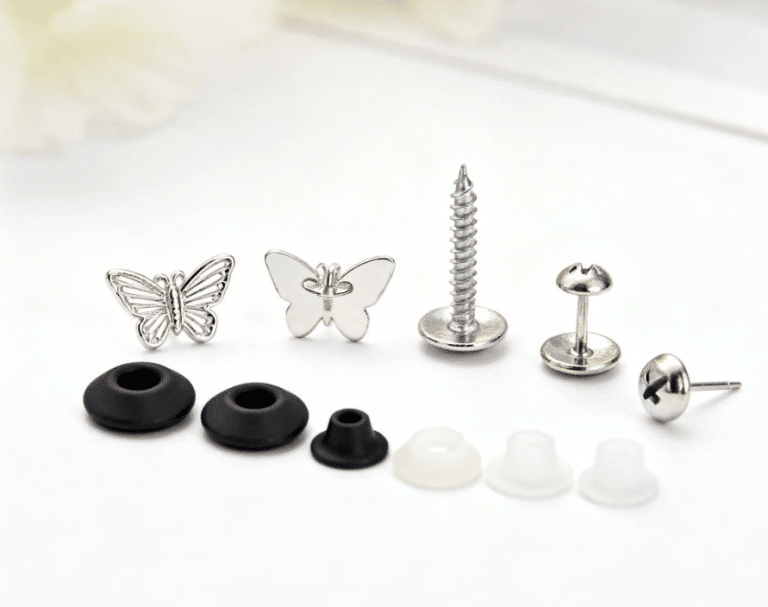
The Unseen Hero: Why Earring Backings Define Quality Jewelry
Every jewelry brand owner knows the sinking feeling. A customer calls, distraught. They’ve lost one
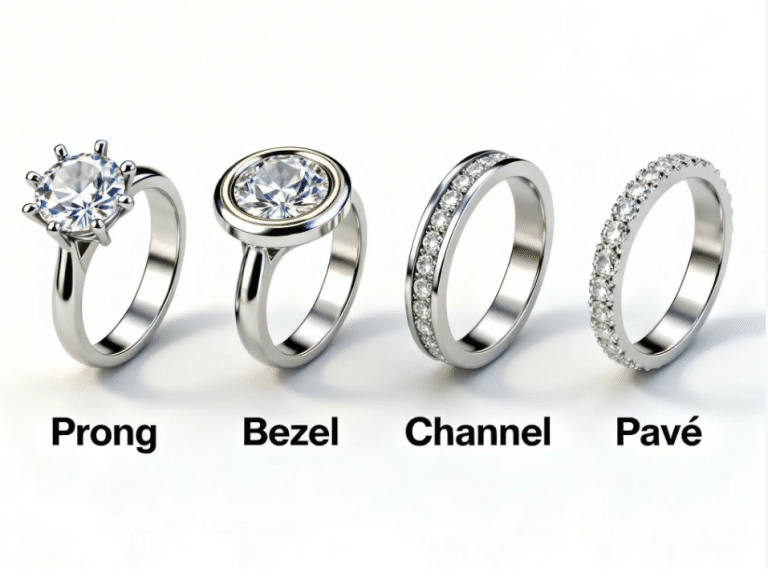
Choosing the Best Jewelry Stone Setting for Mass Production
Selecting the right jewelry stone setting is one of the most pivotal decisions for any
Best Jewelry Stone Setting for Mass Production | HonHo
Choosing the best jewelry stone setting Choosing the best jewelry stone setting is one of