

A customer emails your support team with a familiar complaint. Their rhodium-plated ring looked bright and premium when it arrived, but now it shows dark spots, dull patches, or a yellow cast. From their perspective, the piece “tarnished.” From a manufacturing perspective, that wording points to a more useful question.
Does rhodium plated tarnish? No, but the full answer matters much more than the short one.
Rhodium itself doesn’t tarnish under normal conditions. The visible problem usually comes from wear, not from rhodium chemically failing. The plating is thin, daily friction is real, and the base metal underneath determines what the customer sees once that surface layer is compromised. That distinction affects returns, warranty conversations, material selection, and product positioning.
For brand owners, distributors, and OEM/ODM buyers, this isn’t a technical side note. It’s a product development decision. If you choose the wrong base metal, the wrong plating spec, or the wrong supplier controls, you don’t just get a finish issue. You get customer dissatisfaction attached to your brand name.
Most brands ask the question too late. They ask it after the first batch ships, after customer photos start coming in, or after marketplace reviews mention discoloration.
The common assumption is simple. Rhodium-plated jewelry should stay white and bright, so if it darkens, the plating must have tarnished. That assumption is inaccurate, and it often leads buyers to solve the wrong problem.
Rhodium is a non-reactive platinum-family metal. Under normal conditions, it doesn’t oxidize or tarnish. What fails practically is the plated system. The outer rhodium layer wears, the base metal becomes exposed, and that underlying metal changes appearance based on its own chemistry and the wear environment.
That means two pieces with the same “rhodium plated” label can perform very differently in the market.
One may age acceptably and need maintenance. Another may discolor quickly, trigger complaints, and create skin-staining issues. The label alone doesn’t tell you which outcome you’re buying.
Practical rule: Treat “rhodium plated” as a finish specification, not as a complete quality promise.
For a sourcing manager, the question isn’t only whether a piece can resist tarnish. It’s whether the material stack, plating method, thickness target, and wear profile all match the intended retail positioning.
A low-cost fashion ring for occasional wear can tolerate a different finish strategy than an everyday bridal-style band. Earrings, bracelets, and necklaces also wear differently. If your supplier doesn’t push that discussion early, you’re being left to discover failure modes through customer service.
Good manufacturing decisions reduce that risk. They start with the right base metal, realistic finish expectations, and quality control that verifies the plating you specified is what went onto the part.
Rhodium plating is a thin outer layer of rhodium applied to jewelry to improve appearance and surface performance. In product terms, it’s the final finish that gives many silver-tone and white gold pieces their crisp, reflective, premium look.
A simple way to think about it is the clear coat on a car. It isn’t the whole vehicle. It sits on top, improves the visual result, and helps protect what’s underneath. Rhodium works similarly in jewelry manufacturing, except the layer is metallic rather than transparent.

The appeal is straightforward. Rhodium creates a bright, mirror-like white finish that many customers associate with clean, modern fine jewelry. It’s especially useful when the goal is a cooler white appearance than untreated silver or some white gold alloys naturally show.
It also brings functional advantages. According to Clean Origin’s rhodium plating overview, rhodium plating is hypoallergenic, nickel-free, and does not cause skin allergies, making it ideal for sensitive skin; it also increases the hardness of the jewelry base, improving resistance to scratches and corrosion.
For brands developing white-metal collections, that combination is commercially useful:
Rhodium plating is often used on sterling silver and white gold. If you’re comparing finishes for white gold assortments, this guide on what white gold is gives useful background on why plating is often part of the final look.
From a product development standpoint, rhodium is best treated as a performance finish with a maintenance cycle. It improves the initial product impression and helps delay visible change, but it doesn’t remove the importance of base metal quality, surface preparation, or wear expectations.
A well-plated piece feels premium at launch. A well-engineered piece still looks acceptable after real customer use.
The confusion starts because customers describe what they see, not what failed. If a ring develops dark spots or yellowing, “tarnish” is the natural word. In manufacturing terms, the more accurate diagnosis is usually plating wear with base metal exposure.
This visual explains the sequence clearly.

Rhodium itself is chemically stable under normal conditions. But the plated layer on jewelry is thin. As parts rub against skin, clothing, counters, tools, packaging, or other jewelry, that surface gradually wears.
Exposure speeds up when the customer uses perfumes, cleaning chemicals, or chlorinated water. Once enough of the finish is lost in high-contact areas, the underlying metal becomes visible.
According to J.M. Scully Jewelers’ explanation of rhodium plating, the key cause-effect relationship is that tarnish appears not on the rhodium itself, but on the exposed base metal once the plating degrades, with dark spots or yellowing serving as direct evidence of plating wear rather than rhodium oxidation.
That point matters because it changes the corrective action. If the issue is plating wear, polishing won’t solve the root cause. You need replating, a better substrate choice, a stronger finish spec, or all three.
For a quick customer-facing explanation of silver behavior once plating wears through, this overview of whether silver tarnishes is a useful reference.
A short visual demo can also help teams explain the issue internally or to retail partners.
Not every area on a piece wears evenly. Rings usually show failure at the palm side of the shank, prongs, side rails, and edges. Bracelets lose finish where they rub against desks or wrist bones. Clasps and jump rings often fade before decorative elements.
That uneven wear pattern is a clue. Chemical tarnish tends to read as an overall surface issue. Plating loss often shows up in localized friction points first.
When teams understand that pattern, complaint analysis gets easier. You can separate normal wear exposure from actual process defects such as poor adhesion, contamination before plating, or inconsistent surface coverage.
A lot of buyer frustration comes from treating plating as the hero and the substrate as a detail. In practice, the opposite is often true. The base metal dictates what happens after the finish starts to wear.
This is the Base Metal Trap. Two products can share the same rhodium-plated look at launch, yet create completely different customer experiences later because one is built on sterling silver and the other on brass.
Brass is attractive to cost-driven programs because it casts well, supports many fashion styles, and helps hit lower target pricing. The problem starts when a brand sells that piece with a durability story closer to fine jewelry than fast fashion.
According to Exotic Diamonds’ comparison of rhodium-plated brass and sterling silver, while rhodium itself does not tarnish, rhodium-plated brass is “fast fashion” where, once the plating rubs off, the exposed brass “tarnishes” and causes “green skin,” a chemical reaction from copper-zinc alloy oxidation.
That last part is what many consumer-facing guides skip. A customer who expects a silver-look piece may accept that occasional replating is part of ownership. The same customer is much less forgiving if the piece turns their skin green.
If your product story says “premium everyday wear,” brass under thin rhodium is often the wrong foundation.
| Attribute | Sterling Silver Base | Brass Base |
|---|---|---|
| Visible change after plating wear | Can dull or tarnish once exposed | Can tarnish and create stronger discoloration |
| Skin-contact risk after wear-through | Generally more acceptable to customers | Higher risk of green skin once exposed |
| Brand positioning fit | Better aligned with premium and repeat-wear collections | Better suited to trend-led, price-sensitive programs |
| Customer service outcome | Usually maintenance conversation | Often complaint and return conversation |
| Long-term aesthetic control | More predictable | More volatile once the finish breaks |
For daily-wear rings, bracelets, and core assortment pieces, sterling silver or stainless steel usually gives buyers a more stable long-term result than brass when the finish eventually thins. Brass can still have a place in fashion collections, but only if the retail promise matches the material reality.
In practical sourcing terms:
A capable manufacturing partner should challenge the spec when the base metal conflicts with the intended use case. That’s not upselling. That’s preventing an avoidable quality problem.
Once the base metal is set, plating durability comes down to execution. Two variables drive most of the difference. One is the thickness of the rhodium layer. The other is how well the coating is applied and bonded to the surface.
Both affect whether customers see an elegant finish that ages gradually or a product that starts failing at the edges too soon.

Rhodium plating in jewelry is thin by design. According to Trails on Falls’ guide to rhodium plating lifespan, the most common rhodium plating thickness applied in jewelry manufacturing ranges from 0.75 to 1.0 microns, though specialized electroplating processes can apply layers up to 2.0 microns.
That range matters because it shapes wear expectations. A necklace with limited abrasion can perform well with a lighter spec that still looks excellent. A ring worn daily needs more caution because the contact profile is harsher.
The same source notes that this thin layer is susceptible to wear from frequent hand washing, excessive sweat, chlorine, and strong household cleaners. So the plating spec has to be considered alongside the product category and the intended customer use.
A thick coating applied poorly can still fail. Surface cleaning, polishing consistency, pre-plating preparation, and process control all influence adhesion and evenness.
From a manufacturing perspective, common failure points include:
Better plating isn’t only “more microns.” It’s cleaner prep, better coverage, and tighter process control.
Rhodium itself is typically discussed in the context of electroplated finishing. In broader jewelry coating strategy, however, buyers also compare vacuum coatings such as PVD for other colors and performance needs. The useful lesson is that application method shapes durability expectations, and buyers should understand which process the supplier uses for which finish.
If you’re evaluating coating methods across a wider product line, this guide to PVD vs electroplating jewelry coating is worth reviewing.
In practice, durable collections come from a combination of realistic finish choice, correct thickness target, disciplined pre-treatment, and category-specific engineering. No single variable can rescue a weak total specification.
Many plating problems start in the RFQ stage. Buyers ask for “rhodium plated” and assume the factory will fill in the technical details correctly. Strong suppliers will ask follow-up questions. Weak ones will quote the lowest acceptable interpretation.
A better approach is to specify what you need and verify what was delivered.

Start with the operating life you want the product to support. According to Jennifer Fisher’s explanation of rhodium-plated jewelry, the lifespan of quality rhodium plating typically ranges between 12 to 18 months with regular daily wear, which gives buyers a realistic benchmark for quality discussions.
Use that benchmark to pressure-test supplier claims. If a factory implies a thin, low-cost finish will behave like a maintenance-free permanent coating, the conversation is already off track.
Ask direct questions such as:
In wholesale jewelry and custom jewelry production, documentation quality often predicts production quality.
Look for partners that can support the process with:
A serious supplier doesn’t avoid technical questions. They answer them with process details, test methods, and measurable specs.
Treat plating as part of product engineering, not as decoration added at the end. For OEM/ODM buyers, that means evaluating the whole system: design geometry, base metal, wear points, finish stack, inspection method, and after-sales expectation.
That approach usually reduces surprises. It also leads to better pricing decisions because you understand where extra cost improves customer satisfaction and where it doesn’t.
The answer to “does rhodium plated tarnish” is simple at the chemistry level and more nuanced at the manufacturing level. Rhodium itself doesn’t tarnish. Customer-visible discoloration usually points to plating wear and whatever base metal sits underneath.
That’s why durable collections aren’t built by chasing a single finish claim. They come from choosing the right substrate, setting a realistic plating spec, matching the process to the product category, and enforcing quality control before goods leave the factory.
For buyers, the biggest mistake is overvaluing the words “rhodium plated” and undervaluing the engineering beneath them. The biggest win is specifying the product as a system. Material, finish, adhesion, wear profile, and customer use all have to line up.
If you’re sourcing for private label, wholesale jewelry, or custom jewelry development, the right manufacturing partner should help you make those trade-offs clearly. That includes advising against poor material combinations, documenting plating specs, and building collections that support your brand promise over time.
For brands that want more durable anti-tarnish strategies across categories, this overview of anti-tarnish jewelry manufacturers is a practical next read.
If you’re developing a new collection and want an OEM/ODM partner that can support custom jewelry production, plating process selection, quality control, private label packaging, and dependable lead times, HonHo Jewelry is built for that work. The team supports stainless steel, brass, gold filled, and 925 sterling silver programs with CAD, sampling, in-house finishing, and documented QC for brands that need scalable wholesale jewelry manufacturing without losing control of product quality.
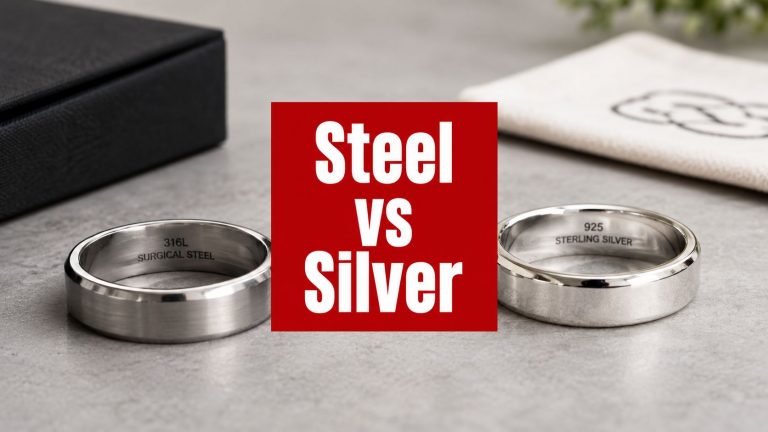
You’re pricing a new collection, and the sample tray is already split down the middle. The 316L surgical steel pieces look cleaner on cost and daily wear, the
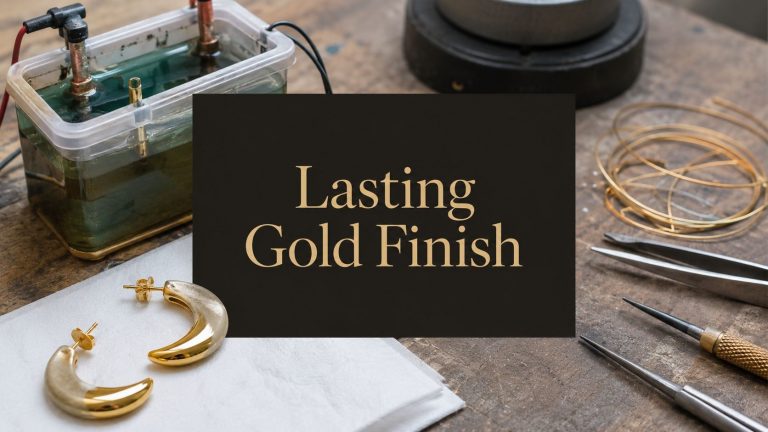
You probably have a launch already in motion, a supplier sample on your desk, and one uncomfortable question underneath it all, will this gold color still look clean
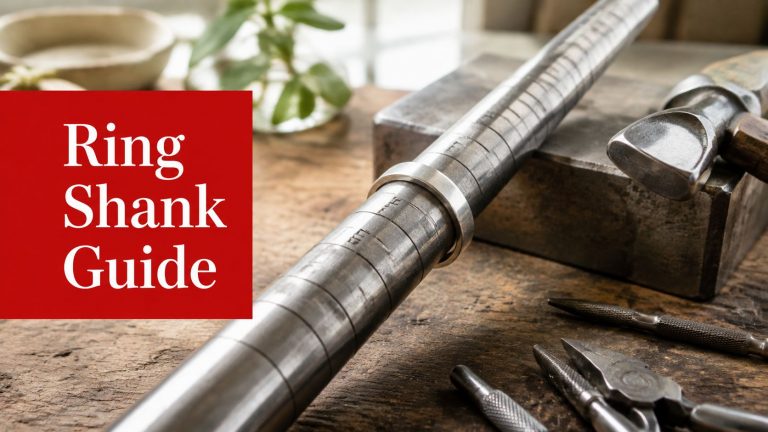
You’re refining a ring design, the stone looks right, the setting is approved, and the band still feels like a detail you can solve later. That’s where many