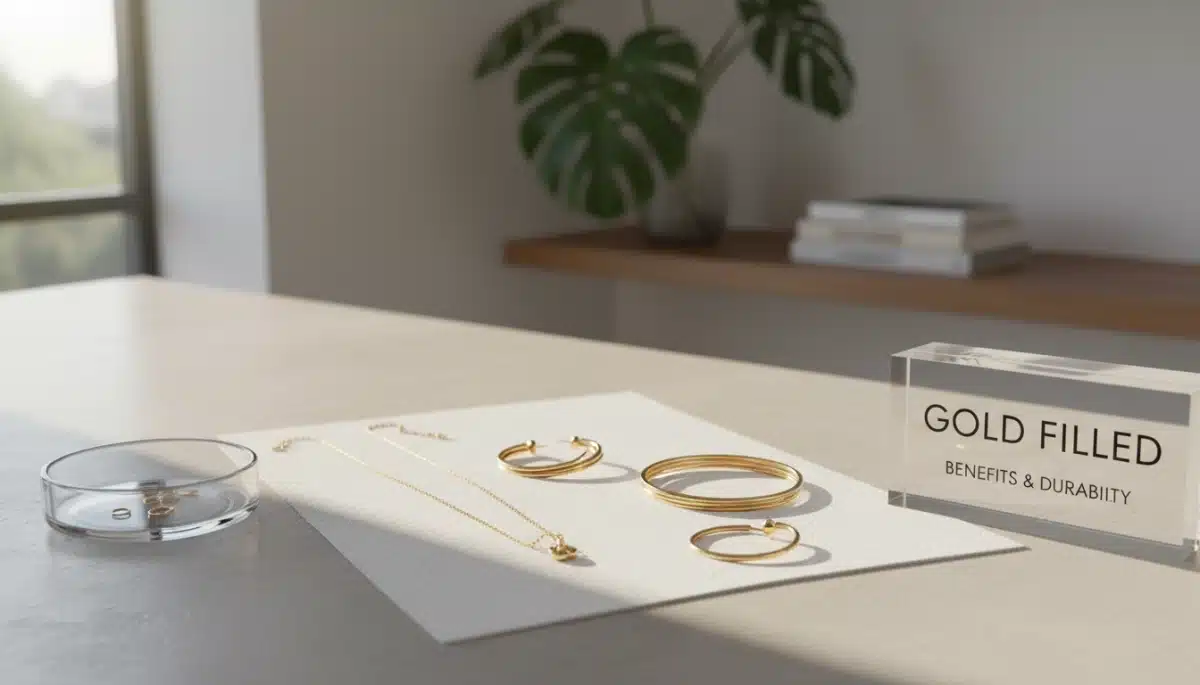
What Is Gold-Filled Jewelry?
Gold Filled Jewelry Meaning (Simple Definition)
Gold filled jewelry is real gold mechanically bonded to a base metal core (usually brass).
It is not the same as cheap gold plated jewelry.
Think of it like this:
- Solid gold = 100% gold (all the way through)
- Gold filled = thick outer layer of real gold over a strong metal core
- Gold plated = ultra-thin “paint” of gold on top
With gold filled, you’re wearing a thick layer of real 14k gold on the surface, so what touches your skin is real gold.
How Gold Filled Jewelry Is Made
Gold filled jewelry is created using heat and pressure:
- A solid sheet of karat gold (often 14k) is layered over a base metal (usually brass).
- These layers are permanently bonded together, not just dipped or sprayed.
- The result: a durable, long-lasting gold surface that won’t rub off quickly like standard plating.
Because the gold layer is mechanically fused, it’s much thicker and stronger than gold plating.
Gold Content and Legal Standards (1/20 14k)
In the US and many global markets, “gold filled” is a regulated term:
- Must contain at least 5% real gold by total weight
- Often marked as 1/20 14k, which means:
- The gold layer = 1/20 (5%) of the total weight
- The gold used is 14 karat (58.5% pure gold)
So when you see 14k gold filled, it means:
- The surface is real 14k gold
- There is a legally required thickness of gold, not just a trace amount
This is why gold filled lasts years with normal wear, while plated jewelry can fade in months.
Common Gold Filled Markings and Stamps
Look for these typical gold filled markings on chains, clasps, and findings:
- “14K GF” – 14 karat gold filled
- “1/20 14K GF” – 1/20 of the total weight is 14k gold
- Sometimes: “12K GF”, “1/20 12K”, or similar
If a piece only says “gold tone,” “gold plated,” or has no clear stamp, it’s not gold filled.
Rolled Gold vs Gold Filled
You might also see the term “rolled gold” or “rolled gold plate”:
- Historically, rolled gold was an older term for a similar bonding process.
- Rolled gold can have less gold content than legally defined gold filled.
- Gold filled in modern standards is stricter and usually means:
- At least 5% gold by weight
- Clear stamps like 1/20 14k GF
In short:
Gold filled = more regulated, higher minimum gold content.
Rolled gold = similar idea, but may not meet today’s gold filled standards.
When you want reliable, long-lasting, demi-fine gold jewelry, always look for proper gold filled markings like 14k GF or 1/20 14k GF.
Gold Filled vs Gold Plated vs Solid Gold
Core differences & gold layer thickness
Here’s the simple breakdown of gold filled jewelry vs gold plated vs solid gold:
- Solid gold
- Gold all the way through (e.g., 14k = 58.5% pure gold).
- No “layer”; the entire piece is a gold alloy.
- Gold filled
- A thick layer of real gold mechanically bonded to a base metal core (usually brass).
- Legally, the gold must be at least 5% of the total weight (often marked 1/20 14k GF).
- Much thicker than standard plating – we’re talking many times more gold.
- Gold plated
- A very thin layer of gold (often 0.05% or less of the total weight) over base metal, applied by electroplating.
- Wears off fastest, especially on high-friction areas.
Gold content & lifespan
- Solid gold – Highest gold content, essentially lifetime jewelry if well cared for.
- Gold filled – Medium gold content (by weight), usually years to over a decade of wear depending on thickness and how you treat it.
- Gold plated – Very low gold content; often months to a couple of years before the base metal starts showing.
If you’re sourcing pieces for a brand or store and want long-lasting color, I always prioritize high-quality demi-fine gold filled jewelry over cheap plating, ideally from a trusted jewelry supplier with clear specs on thickness and base metal. If you’re building a line, start by checking a high quality gold jewelry manufacturer that focuses on anti-tarnish, like an experienced anti-tarnish fashion jewelry producer.
Durability in everyday wear
- Solid gold – Best for 24/7 wear (water, sweat, sleep, daily friction).
- Gold filled – Very strong for daily wear:
- Handles normal water, sweat, and friction well.
- Great for everyday gold filled necklaces, hoop earrings, and bracelets.
- Gold plated – Fine for occasional wear, but:
- Fades quickly with showers, perfume, gym, and constant rubbing.
Price vs value for money
- Solid gold – Highest price, highest resale and heirloom value.
- Gold filled – Best value for money if you want:
- Real gold on the surface
- Long wear life
- Lower cost than solid gold
- Gold plated – Cheapest upfront, but worst cost-per-wear because it needs replacing more often.
Myths about tarnish & green skin
Common myths about gold filled jewelry meaning:
- “Gold filled tarnishes fast” – False. Quality 14k gold filled chains are highly tarnish resistant. They can dull a bit over years or with chemicals, but they don’t behave like cheap plating.
- “Gold filled always turns skin green” – Usually false.
- If it’s true 1/20 14k GF, most people never see green or black.
- Green fingers come more from acids, sweat + exposed base metal, or low-quality/incorrectly labeled products.
When to choose each: gold filled vs solid gold vs plated
Use this as a quick guide:
- Choose solid gold if:
- You want heirloom pieces, wedding rings, or luxury investment jewelry.
- You need maximum hypoallergenic safety and long-term value.
- Choose gold filled if:
- You want long lasting gold jewelry for everyday wear without solid gold prices.
- You have sensitive skin and want hypoallergenic gold filled earrings or daily necklaces.
- You’re building a budget friendly gold jewelry collection that still looks luxe.
- Choose gold plated if:
- You’re buying very trendy pieces you’ll only wear for a short time.
- You need the lowest price point for short-term fashion looks.
For most global customers who want non tarnish-looking, water resistant gold jewelry without paying full solid gold prices, gold filled jewelry is the sweet spot for everyday wear.
Benefits of Gold Filled Jewelry

Why Gold Filled Jewelry Is Worth It
Gold filled jewelry gives you the look and feel of real gold without the full solid-gold price tag. For everyday customers globally, it’s one of the best “demi-fine” jewelry options if you want style, durability, and value in one piece.
Long-Term Durability & Wear Resistance
Gold filled has a thick, pressure-bonded layer of real gold over a base metal core, so it’s built for daily use.
What this means in real life:
- Handles daily wear better than standard gold plated
- Less likely to chip, flake, or expose base metal quickly
- Ideal for everyday pieces like chains, hoops, and bangles
| Type | Gold Layer Thickness | Typical Lifespan* |
|---|---|---|
| Gold Plated | Very thin (microns) | Months to 1–2 years |
| Gold Filled | Much thicker | Years to over a decade |
| Solid Gold | 100% gold alloy | Lifetime |
*With normal care and wear.
Tarnish Resistance & Water Friendliness
Gold filled is highly tarnish resistant and generally water friendly, as long as you’re realistic:
- Fine for: daily handwashing, light sweat, short showers
- Be careful with: saltwater, chlorine pools, hot tubs, harsh soaps
- Gold layer protects the base metal, so it doesn’t dull as fast as cheap fashion jewelry
For pieces like necklaces and bracelets you wear every day, gold filled is a strong, low-maintenance option. If you’re buying in bulk for daily-wear styles, check out fashion-forward designs in gold filled from specialized suppliers offering wholesale fashion necklaces.
Hypoallergenic for Sensitive Skin
Most quality 14k gold filled jewelry is a good choice for sensitive or reactive skin:
- The outer layer is real gold, which is typically skin-friendly
- Far less likely to cause itching, rash, or green marks than basic plated brass
- Great option for hypoallergenic gold filled earrings and everyday chains
If you have very sensitive skin, stick to 14k gold filled over unknown alloys and avoid super cheap, unlabeled pieces.
Affordable Luxury Look
You get a solid gold look without paying solid-gold prices:
- Real gold layer = authentic color and shine
- Perfect if you want affordable gold jewelry alternatives that still feel premium
- Great value if you like to follow trends and refresh your jewelry often
Think of gold filled as the sweet spot between fast fashion plated and fine solid gold.
Style Versatility: Layering, Stacking, Daily Wear
Gold filled jewelry is ideal for building a versatile, everyday collection:
- Layered gold filled necklaces that won’t fade quickly
- Gold filled hoop earrings and huggies you can keep in all week
- Gold filled stacking rings that still look polished after months of wear
- Easy to mix with solid gold and even stainless steel without obvious color clash
Best Types of Gold Filled Pieces to Buy
If you’re starting a small capsule collection, I recommend these gold filled essentials:
- Necklaces
- Simple chains (cable, figaro, box, rope)
- Everyday pendants and nameplates
- Earrings
- Hoops, huggies, studs for long-term wear
- Bracelets & Anklets
- Chain bracelets for stacking, daily wear
- Rings
- Best for stacking and occasional wear (rings get more friction than necklaces)
Gold filled is especially strong for everyday gold filled necklaces and hoop earrings, where you want that non-tarnish, long-lasting gold look without the solid-gold bill.
Is Gold Filled Jewelry Worth It?
For most people, yes – gold filled jewelry hits the sweet spot between price, durability, and look.
Who gold filled jewelry is best for
Gold filled is ideal if you:
- Want the look of solid gold without paying solid gold prices
- Wear jewelry every day (work, travel, gym, errands)
- Have sensitive skin and react to cheap plated or mystery alloys
- Need tarnish resistant gold jewelry that won’t look worn out in a few months
- Like building a demi-fine jewelry collection on a real-world budget
How long does gold filled jewelry last?
With normal use and basic care:
- Necklaces, earrings, and low-friction pieces can easily last 5–10+ years
- Many people wear 14k gold filled chains and hoops daily for years with minimal change
- It’s far more long-lasting than standard gold plated jewelry
High friction pieces: rings & bracelets
Gold filled is tough, but it’s still a surface layer of gold:
- Rings & bracelets take the most abuse (keyboards, bags, weights, steering wheels)
- Expect faster wear on corners and undersides over several years
- If you’re extremely hard on your hands, consider solid gold for wedding bands or forever pieces
Cost per wear vs plated & solid gold
If you break it down:
- Gold plated: Cheap upfront, often looks bad after a few months of daily wear – high cost per wear
- Gold filled: Mid-range price, lasts years – excellent cost per wear
- Solid gold: Highest investment, but can last a lifetime and hold resale value
For everyday use, gold filled usually gives the best value for money.
When you might still want solid gold
Go for solid gold instead if:
- You’re buying heirloom pieces (engagement rings, wedding bands, milestone gifts)
- You want jewelry that can be resized, polished hard, and passed down
- You care about resale value or investment
- You wear a ring 24/7 and never take it off (sleep, shower, gym, ocean)
Why many buyers choose gold filled for everyday jewelry
Most of our global customers use gold filled jewelry for:
- Everyday gold filled necklaces they don’t baby
- Gold filled hoop earrings and huggies that are hypoallergenic
- Gold filled stacking rings and bracelets for a quiet luxury look
- Building a small, versatile capsule of long lasting gold jewelry that feels premium but stays affordable
If you’re looking to stock or create consistent-quality pieces, working with a high quality gold filled supplier like our team at Honho Jewelry makes it easy to offer customers durable, budget friendly gold jewelry that actually holds up in real life.
How to Care for Gold Filled Jewelry
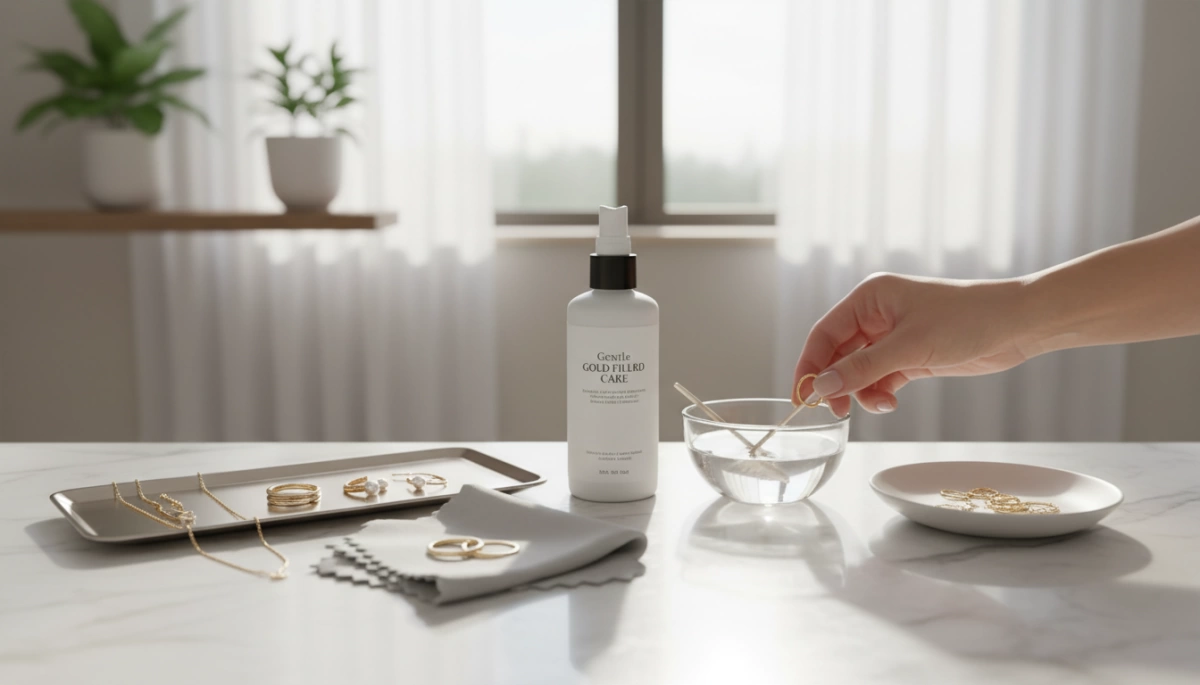
Taking care of gold filled jewelry is simple, and if you do it right, it stays beautiful for years. Here’s exactly what I recommend for everyday wear.
Simple Daily Care Habits
- Wipe pieces after wear with a soft, dry cloth to remove sweat, oil, and lotion.
- Put jewelry on after skincare, perfume, and hair products.
- Avoid sleeping in very delicate chains to prevent kinks and breakage.
These small habits dramatically extend the life of any 14k gold filled chains, bracelets, and earrings.
When to Remove Gold Filled Jewelry
Gold filled is durable and more water friendly than plated, but it’s not indestructible. Take it off when:
- Swimming in pools or hot tubs (chlorine is harsh on all gold).
- Using strong cleaners, bleach, or other harsh chemicals.
- Applying self-tanner, strong acids (AHA/BHA), or retinol on your body.
- Doing heavy workouts where jewelry will rub hard against equipment.
If you’re buying in bulk or for resale, I always suggest telling customers this upfront. It massively reduces complaints and returns with any demi fine gold jewelry.
How to Clean Gold Filled Jewelry at Home
Safe, simple cleaning routine:
- Mix a few drops of mild dish soap with lukewarm water.
- Soak the gold filled jewelry for 5–10 minutes.
- Gently clean with a soft cloth or very soft toothbrush (no scrubbing hard).
- Rinse with clean water.
- Pat completely dry with a non-abrasive cloth.
Avoid ultrasonic cleaners if your piece has stones, glue, or delicate settings.
Best Storage Practices
Good storage = longer life for non tarnish gold jewelry looks:
- Store pieces separately in soft pouches or individual compartments.
- Keep chains closed and lay them flat or hung to avoid tangling.
- Don’t toss gold filled jewelry into a bag with keys, coins, or other metals.
- Use anti-tarnish strips if you live in a humid climate.
If you’re working with a high quality gold filled supplier, good packaging and storage guides are a must for your customers.
Products and Chemicals to Avoid
Keep gold filled away from:
- Chlorine, bleach, and strong cleaning agents
- Perfume and strong body sprays directly on the metal
- Sunscreen, self-tanner, and thick body oils sitting on the piece for hours
- Jewelry cleaners with harsh acids or abrasives
Mild soap + water is always safer than aggressive “miracle” cleaners for tarnish resistant gold jewelry.
How to Refresh Dull or Slightly Tarnished Gold Filled
If your gold filled jewelry looks a bit dull:
- Clean it with the mild soap routine above.
- Dry fully, then buff gently with a soft jewelry polishing cloth (no rough cloths).
- For deeper buildup (lotion, sunscreen, sweat), repeat cleaning and buff again.
If you’re sourcing or designing pieces, partner with an experienced fashion jewelry manufacturer in China that understands proper gold filled thickness and finishing—this is what makes care and long-term wear so much easier for your customers. A good starting point is working with a specialized best OEM jewelry manufacturer that already produces long lasting gold filled lines for global markets:
How to Choose High Quality Gold Filled Jewelry

Read Gold Filled Markings the Right Way
When I source or design gold filled jewelry, stamps are the first thing I check:
Common gold filled markings:
| Marking / Stamp | Meaning |
|---|---|
| 14K GF | 14 karat gold filled |
| 1/20 14K GF | At least 1/20 (5%) of total weight is 14K gold |
| 12K GF | 12 karat gold filled |
| 1/20 12K GF | At least 5% 12K gold by weight |
If a piece only says “14K” with no GF or 1/20, it’s usually not gold filled – it may be plated or just “gold color”.
Signs of Authentic 14K Gold Filled Jewelry
High quality, real 14k gold filled jewelry usually has:
- Clear, deep stamp: Clean “14K GF” or “1/20 14K GF” mark
- Consistent color: No obvious color changes between clasp, chain, and findings
- Solid feel: Not ultra-light or “tinny” for its size
- Clean finishing: Smooth edges, no peeling, no flaking on corners
- Stable supplier: Serious brands or established jewelry production companies rarely fake GF markings
If the stamp is barely visible, smudged, or missing on anything above micro pieces, I walk away.
Red Flags When Shopping Gold Filled (Online or In‑Store)
I’ve seen a lot of low-quality “gold filled” being sold. Watch for:
- Price looks too good: “14K GF” necklaces for a few dollars are almost always plated
- No clear metal details: Vague terms like “gold tone” or “gold color” = red flag
- No karat or fraction: Descriptions say “gold filled” but no 14K / 18K or 1/20 listed
- No close-up photos: Sellers hiding clasps, stamps, and connection points
- Confusing wording: “Gold filled style”, “gold filled look”, “rolled gold plated”
If you can’t see the stamp and can’t get a clear answer on karat + 1/20, I don’t buy.
Thickness, Base Metal & Finish = Durability
Three things decide how long gold filled jewelry really lasts:
| Factor | What to Look For | Why It Matters |
|---|---|---|
| Gold layer | Real 1/20 14K GF (not just “thick plated”) | Thicker gold = longer wear |
| Base metal | Jeweler’s brass or copper base | Strong, good bond, less cracking |
| Finish | Smooth polish, no rough edges or pits | Reduces friction + early wear |
If you’re buying custom or wholesale, detail the base metal and finish quality like you would for custom brass rings.
Best Gold Filled Styles for Everyday Wear & Layering
Gold filled really shines in everyday pieces:
- 14k gold filled chains: 1.2–2.0 mm for daily wear, 2.0–3.0 mm for statement
- Gold filled hoop earrings / huggies: Lightweight, great for sensitive ears
- Layered gold filled necklaces: 14–16″ choker + 18″ + 20–22″ for a stack
- Gold filled bracelet for daily wear: Cable, paperclip, or box chains
- Gold filled stacking rings: Go for slightly thicker bands to handle friction
For high-friction pieces (rings, bracelets), choose thicker chains and sturdier bands.
Questions to Ask Before You Buy Gold Filled
I always ask these when I’m testing a new supplier or brand:
- Is this real gold filled or just thick gold plated?
- What is the exact stamp? (e.g., “1/20 14K GF”)
- What base metal do you use? (brass or copper is ideal, nickel-free if possible)
- Is it lead-free and nickel-safe? (key for sensitive skin)
- What is your warranty or return policy if the gold layer wears off quickly?
- Can you show close-up photos of the clasp and stamp?
If a seller can’t answer these clearly, I don’t consider them a high quality gold filled supplier.
Styling Gold Filled Jewelry for Everyday Wear
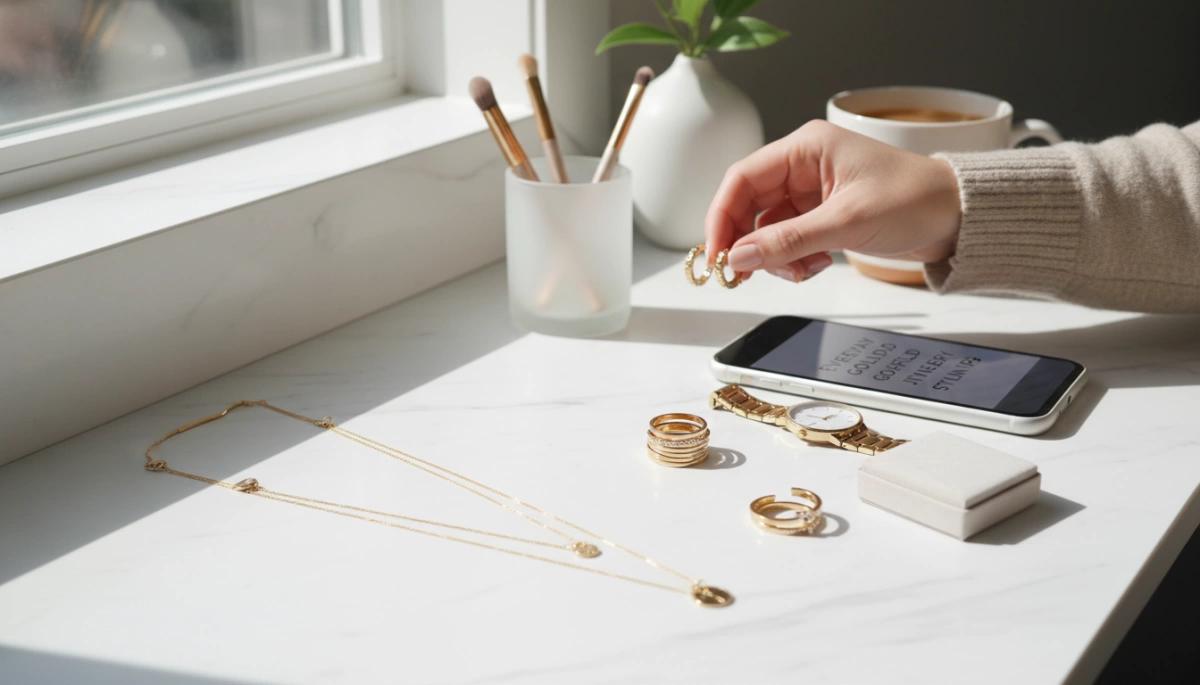
Layering Gold Filled Necklaces Without Tangling
When I layer gold filled necklaces, I stick to 3 simple rules:
- Vary the lengths: e.g. 14″–16″ choker, 18″ everyday gold filled necklace, 20″+ pendant.
- Mix chain types: one flat chain, one cable chain, one pendant chain – different textures tangle less.
- Lock them in place: use a layering clasp or clip multiple clasps together at the back so they move as one.
Choosing Chain Thickness & Length
For daily wear, I like:
- Thin (1–1.5 mm): subtle, best for minimal looks or small pendants.
- Medium (1.7–2.5 mm): ideal for 14k gold filled chains you never take off.
- Bold (3+ mm): one statement chain per stack.
Match length to neckline: - Crew neck: 16–18″
- V-neck: 18–20″ pendant
- Button-down: 18–22″ layered
If you’re unsure what to pick, look for a supplier that shows real-life length photos and explains gold filled vs gold plated structure clearly, like in this gold filled vs gold plated comparison guide.
Mixing Gold Filled With Solid Gold & Other Metals
Gold filled sits in that demi fine gold jewelry sweet spot, so it mixes well with:
- Solid gold: same color tone when you choose 14k gold filled.
- Sterling silver: go for intentional mixed-metal stacks (gold chains + silver ring).
- Stainless steel: great for chunky, low-maintenance pieces next to delicate gold filled.
Keep the closest-to-skin pieces (earrings, nose, new piercings) in hypoallergenic gold filled or solid gold.
Gold Filled for Work, Gym & Travel
For a busy schedule, I reach for:
- Work: small hoops, simple chain, thin gold filled bracelet – polished but not loud.
- Gym: short, flat chains and snug huggies; avoid long dangling pieces that can snag.
- Travel: gold filled is perfect – looks luxe, but you’re not risking solid gold prices.
Trendy Gold Filled Styles
Some non tarnish gold jewelry styles that actually last in daily wear:
- Gold filled hoop earrings & huggies (everyday essential for most people)
- Nameplates & initials for a personal touch
- Charms & pendants you can swap between chains
- Gold filled stacking rings for a minimal, modern stack
Building a Small Gold Filled Jewelry Capsule
To keep it simple, I recommend starting with:
- 1–2 layered gold filled necklaces (one short, one mid-length)
- 1 pair of hypoallergenic gold filled earrings (hoops or huggies)
- 1 everyday bracelet or chain anklet
- 2–3 stacking rings for rotation
From there, you can add statement pieces as your style and budget grow.
Gold Filled Jewelry for Sensitive Skin
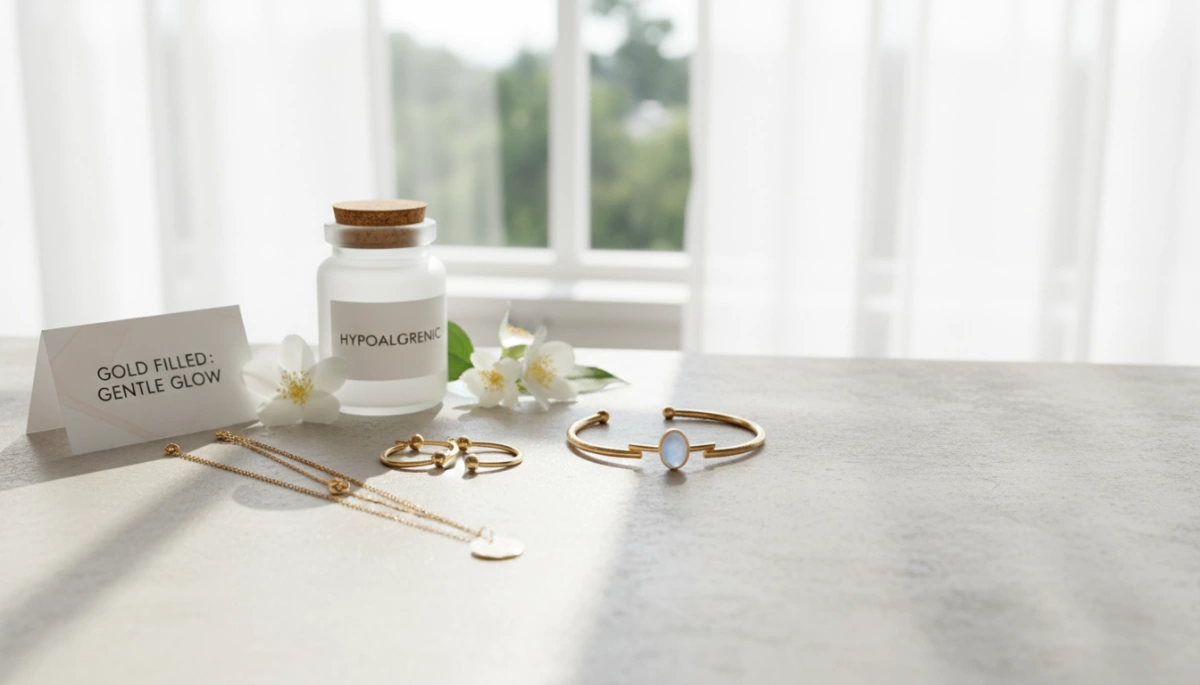
If your skin reacts easily, gold filled jewelry is one of the safest, most realistic options that still feels premium.
Why Gold Filled Is Usually Safer
Gold filled has a thick layer of real gold permanently bonded to a base metal. That means:
- Your skin mostly touches 14k gold, not the base metal
- The gold layer is much thicker than normal plating, so it doesn’t wear through as fast
- Less exposure to nickel = fewer rashes, bumps, or itchiness
For most people with sensitive or reactive skin, 14k gold filled earrings, necklaces, and bracelets are comfortable for daily wear.
Base Metals, Karat, and Skin Friendliness
What’s underneath still matters, but mainly over the long term:
- Base metals are usually brass or copper. If the gold layer stays intact, they rarely touch your skin.
- Karat level:
- 14k gold filled is ideal – good balance of purity and hardness
- Higher karat (18k) can be softer and may scratch faster, exposing the base sooner
- If you’re extremely sensitive or allergic to copper/brass, watch for any signs of the gold layer thinning over time.
Best Gold Filled Pieces for Piercings & New Earrings
If you’re buying for piercings or sensitive lobes, go for:
- 14k gold filled stud earrings (simple shapes, smooth edges)
- Small gold filled hoop earrings / huggies with secure closures
- Gold filled ear wires for dangles if you already know your ears tolerate gold well
For very fresh or problematic piercings, many piercers still prefer medical-grade stainless steel or titanium. If you need alternatives, check high-quality options like stainless steel earrings for wholesale and sensitive ears.
If You Still Get Irritation or Discoloration
If your skin reacts even to gold filled:
- Check your skincare – perfume, sunscreen, and hair products can react with metal and cause redness or dark marks.
- Keep the area clean and dry, especially around piercings.
- Switch to shorter wear times at first, then slowly increase.
- Try different karats or metals (e.g., stainless steel, solid gold, or titanium) if irritation continues.
Green or dark marks don’t always mean an allergy – sometimes it’s copper reacting with sweat or products, especially on rings and bracelets.
Gold Filled vs Stainless Steel vs Vermeil vs Plated (for Allergies)
Here’s the quick allergy comparison:
- Gold Filled
- Thick gold layer, less base metal contact
- Usually great for sensitive skin
- Ideal for everyday earrings, necklaces, and chains
- Stainless Steel (especially 316L or titanium steel)
- Very hypoallergenic, tough, and sweat-resistant
- Great for gym, travel, and long wear
- A solid option if you’re highly reactive – see this breakdown of stainless steel vs titanium jewelry for deeper comparison
- Gold Vermeil
- Sterling silver base with a decent gold layer
- Better than cheap plating, but usually thinner than gold filled
- Good if you tolerate silver well
- Gold Plated
- Very thin gold layer, wears off fastest
- More likely to expose nickel/brass and cause reactions
- Best for short-term or trend pieces, not for very sensitive skin
If you want a luxury look, long wear, and skin-friendly pieces without going full solid gold, 14k gold filled jewelry hits the sweet spot for most global customers with sensitive skin.
Gold Filled Jewelry FAQs
Can you shower or swim with gold filled jewelry?
Gold filled jewelry is more water resistant than plated, and fine for quick showers or daily handwashing.
But for long-term life, I recommend you:
- Remove it for swimming pools, hot tubs, and the sea (chlorine and salt are harsh).
- Take it off for saunas, steam rooms, and long hot baths.
Water itself isn’t the issue – it’s chemicals, salt, and constant friction. If you want your 14k gold filled chains and bracelets to last for years, treat them like demi-fine jewelry, not disposable.
Does gold filled tarnish or fade over time?
Gold filled is tarnish resistant, not tarnish proof. The thick layer of real gold means:
- It usually stays bright for years with normal wear.
- Slight dullness can show up from soap, sweat, and product buildup, and is easy to clean.
- Heavy wear, harsh chemicals, or rough storage can slowly wear the gold layer over many years.
If you clean it gently and store it right, gold filled is one of the best long lasting gold jewelry options at its price point.
Will gold filled turn my skin green or black?
In normal cases, no – especially with quality 14k gold filled over a good base metal like brass.
Skin reactions or discoloration usually come from:
- Low-quality base metals (like nickel-heavy alloys)
- Fake or mislabeled “gold filled” that’s really thin plated
- Personal chemistry (medications, very acidic sweat, heavy lotions)
If you have very reactive skin, start with hypoallergenic gold filled earrings or a simple everyday gold filled necklace and test slowly.
Can gold filled jewelry be resized or repaired?
Yes, but only by someone who understands gold filled:
- Simple repairs (reattaching a clasp, shortening a chain) are usually safe.
- Resizing rings is tricky because stretching or filing can break through the gold layer.
If you’re doing custom work, it’s best to work with a professional jewellery manufacturer for custom designs who knows how to handle gold filled structure and heat properly: custom jewelry manufacturing.
Is gold filled jewelry a good gift option?
Yes – gold filled is a smart budget friendly gold jewelry gift:
- Looks like solid 14k on the body
- Lasts far longer than plated
- Great for everyday wear and sensitive skin
- Ideal for hoops, huggies, name necklaces, chains, and bracelets
For birthdays, bridesmaid gifts, or “everyday pieces,” gold filled hits that sweet spot of luxury look without solid-gold pricing.
How to tell if your gold filled jewelry is wearing out
Watch for these signs:
- High-friction areas (ring bottoms, bracelet edges, clasp area) start showing a slightly different color metal underneath
- The piece looks patchy instead of evenly golden
- You see clear base metal exposure on corners or edges
If you only see light dullness, it’s often just buildup. Clean gently first using simple gold filled jewelry care tips (mild soap, soft cloth). When you see the underlying metal clearly, that spot is past the gold layer, and it’s time to retire or replace the piece.
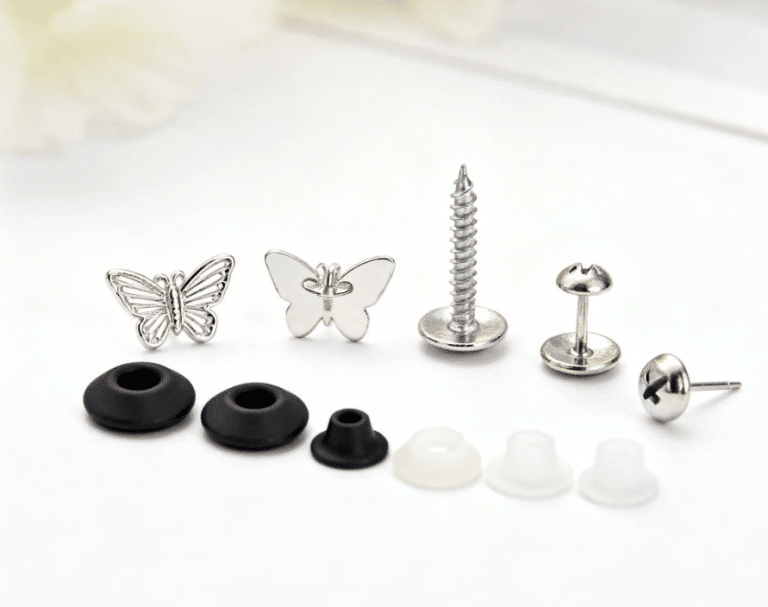
The Unseen Hero: Why Earring Backings Define Quality Jewelry
Every jewelry brand owner knows the sinking feeling. A customer calls, distraught. They’ve lost one
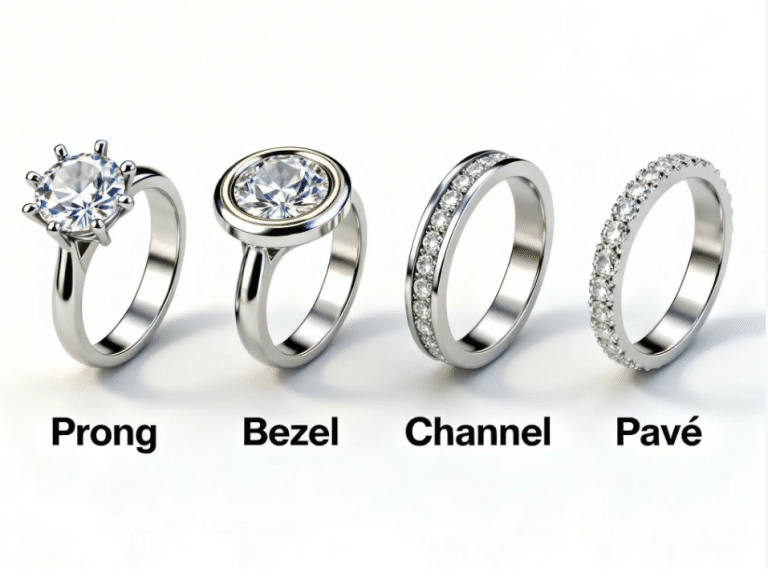
Choosing the Best Jewelry Stone Setting for Mass Production
Selecting the right jewelry stone setting is one of the most pivotal decisions for any
Best Jewelry Stone Setting for Mass Production | HonHo
Choosing the best jewelry stone setting Choosing the best jewelry stone setting is one of