
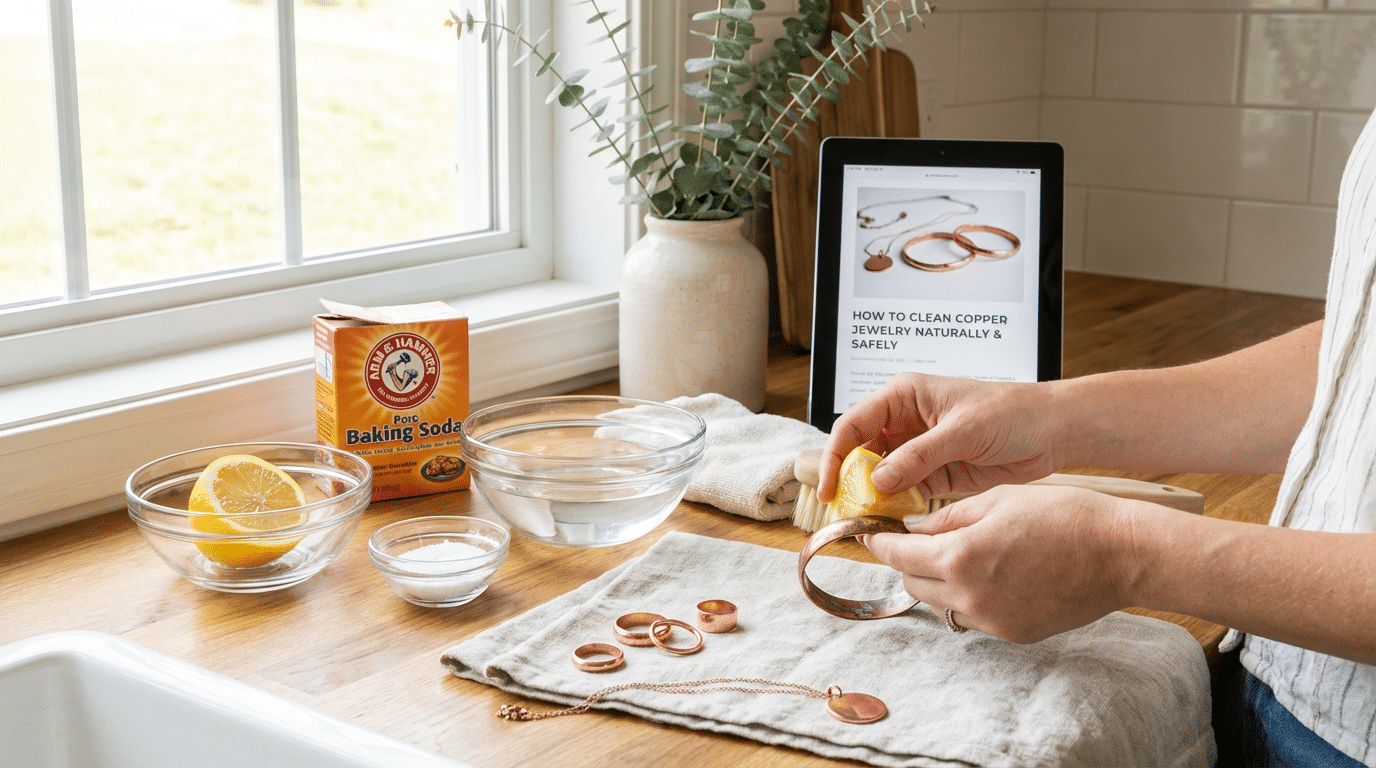
Understanding Copper Tarnish on Jewelry
Copper jewelry has a beautiful, warm glow—but it also loves to tarnish. If your favorite copper ring or bracelet has turned dull or green, you’re not alone, and it’s not a disaster.
What Is Copper Tarnish and Patina?
- Tarnish is a thin, dark or dull layer that forms when copper reacts with oxygen, moisture, and oils.
- Patina is a more developed surface change—often brown or green—that can look artistic and intentional.
Both are natural results of copper oxidation, but how far they go (and how they look) is what really matters.
Why Copper Jewelry Turns Dull or Green
Copper reacts easily with:
- Oxygen in the air → dull, brownish tone
- Moisture and sweat → deeper brown or almost black tarnish
- Acids and salts from your skin or products → greenish film on the jewelry and sometimes on your skin
That green residue on your skin isn’t usually dangerous; it’s just copper salts transferring to the surface. It washes off with soap and water.
Natural Patina vs Stubborn Tarnish Buildup
Not all color change is bad:
- Natural patina
- Soft, even change in tone (warm brown or subtle antique look)
- Many people love this aged, vintage style
- Stubborn tarnish buildup
- Patchy, dirty-looking, very dark or almost black
- Green crust in crevices
- Hides details and kills the shine
Natural patina can be part of the charm. Heavy oxidation and grime, on the other hand, mean it’s time to clean tarnished copper jewelry.
Common Everyday Causes of Copper Tarnish
Your copper jewelry reacts to everyday life:
- Sweat and body oils
- Lotions, sunscreen, and perfumes
- Cosmetics and hair products
- Humidity, air pollution, and water
- Wearing copper jewelry 24/7 (including showers, workouts, and swimming)
The more contact with moisture, salt, and chemicals, the faster copper will tarnish.
When Tarnish Is Normal vs When It’s a Problem
Normal and expected:
- Slight darkening over time
- Soft, even patina that doesn’t flake
- Occasional green tint on your skin that rinses off easily
A problem for your jewelry:
- Thick, crusty green or black buildup
- Tarnish hiding engraving or design details
- Rough, pitted texture on the metal
- Irritation on your skin when wearing the piece
When you see these signs, you don’t just want to “live with it”—you’ll want to remove copper tarnish naturally to protect both the metal and your skin, and restore the original luster.
Tools and Materials to Clean Copper Jewelry at Home

If you want to know how to clean copper jewelry at home safely, you don’t need a lab. You just need the right basic tools and a few non‑toxic ingredients.
Basic tools you actually need
Keep a small “copper care kit” ready with:
- Soft microfiber or cotton cloths – for wiping, drying, and polishing
- Small glass or ceramic bowls – for mixing DIY copper jewelry cleaner solutions
- Soft toothbrush or very soft nail brush – for detailed cleaning in crevices
- Cotton swabs – for tight spots around settings and textures
- Nitrile or latex gloves – to keep oils and sweat off your copper pieces
These basics also work well if you sell or buy in bulk from a fashion jewelry wholesale supplier like Honho’s wholesale jewelry platform, where consistent care matters.
Safe household ingredients for natural copper cleaners
For non toxic copper cleaner options, stock:
- Mild dish soap (no bleach, no strong fragrance)
- Lemon or lime – fresh juice for lemon and salt copper cleaner
- White vinegar – great base for vinegar for copper jewelry solutions
- Fine salt – combines with acid to remove copper tarnish naturally
- Baking soda – gentle baking soda copper polish or paste
- Ketchup or tomato sauce – quick ketchup clean copper trick for light tarnish
All of these are safe when used correctly and are perfect if you want to clean copper bracelet without chemicals.
If your copper jewelry has gemstones
For copper pieces with stones (natural or synthetic), be more careful:
- Stick to mild soap and water first
- Avoid soaking if stones are porous:
- Opal, turquoise, pearl, coral, lapis, malachite, howlite
- Use a damp cloth or cotton swab around the stone instead of dipping the whole piece in lemon, vinegar, or ketchup
- No harsh scrubbing on prongs or settings to avoid loosening stones
If you work with mixed pieces (copper + stainless, copper + crystals), use gemstone-safe methods first and only use stronger DIY copper jewelry cleaner on areas away from the stone.
Prep your space before you start
Set yourself up before cleaning copper jewelry:
- Work on a flat, well-lit surface
- Lay down a soft towel so jewelry won’t scratch or roll away
- Have two bowls ready: one for cleaner, one for clean rinse water
- Keep a dry, clean cloth on standby for fast drying (prevents new water spots)
- Make sure there’s good airflow, especially if you’re using vinegar
Once this setup is in place, you can clean tarnished copper bracelets, rings, and necklaces quickly without making a mess or risking damage.
Simple Daily Cleaning for Copper Jewelry
Daily cleaning is the easiest way to keep copper jewelry from heavy tarnish and cuts down on deep scrubbing later. Here’s the simple routine I recommend.
Gentle soap and warm water method
For everyday dirt, sweat, and light oils, a mild soap + warm water clean is enough:
- Fill a small bowl with warm (not hot) water.
- Add a drop of gentle dish soap or hand soap (no bleach, no harsh chemicals).
- Swirl to create light suds.
This method is safe for most solid copper bracelets, rings, and necklaces and is my go-to when people ask how to clean copper jewelry at home without chemicals.
Step-by-step routine clean for lightly tarnished copper
Use this quick routine once a week (or whenever your piece looks a bit dull):
- Place your copper jewelry in the soapy water for 1–2 minutes.
- Use your fingers or a very soft toothbrush to gently rub the surface, especially around creases and texture.
- Rinse well under lukewarm running water to remove all soap.
- Check the piece under good light. If tarnish is still light, repeat once more instead of scrubbing harder.
If your copper has gemstones, avoid soaking them too long and keep water away from any obvious glue joints. For green stains on your skin from copper, this guide on why some jewelry turns skin green breaks down what’s normal and what to avoid.
How to dry copper jewelry (no water spots)
Water spots can dull copper fast, so drying right matters:
- Pat dry immediately with a soft, lint-free cloth (microfiber is ideal).
- Don’t air-dry; that’s when water spots and new oxidation form.
- For chains or detailed pieces, press the cloth gently into crevices to remove trapped moisture.
Make sure the piece is completely dry before you store or wear it again.
Quick polishing tricks to refresh shine after cleaning
After drying, a light polish keeps your copper glowing:
- Use a clean, dry jewelry cloth or soft cotton cloth.
- Buff the copper using small circular motions, focusing on flat surfaces first.
- For a fast “mirror pop,” pinch the piece in the cloth and gently pull it through a few times (great for a copper necklace or bracelet).
- Stop once the surface looks bright and even—over-polishing daily can wear down plating on copper-plated jewelry.
Done right, this whole daily clean takes under 5 minutes and works as a simple, non toxic copper cleaner routine you can keep up at home without any special products.
Best Natural Methods to Remove Copper Tarnish

When to use natural copper tarnish removers
I always start with natural cleaners before reaching for anything harsh. Use a natural copper jewelry cleaner when:
- You want to avoid chemicals on your skin.
- Your piece has light to medium tarnish, not deep corrosion.
- You’re cleaning copper jewelry at home regularly and want something safe and low-cost.
- You want to preserve patina but remove dirt and dullness.
If you work with mixed metals or custom designs, these gentle methods also pair well with the kind of fashion pieces we talk about on our jewelry care and styling blog.
Lemon and salt copper cleaner (light–moderate tarnish)
This is one of the best ways to clean tarnished copper bracelets, rings, and necklaces naturally.
How to do it:
- Cut a fresh lemon in half.
- Sprinkle fine salt on the cut side.
- Rub the lemon directly on the copper jewelry, focusing on tarnished spots.
- For tight areas, dip a cotton swab in lemon juice + salt and dab gently.
This combo works well when you want to restore shine to a copper ring without over-stripping the surface.
Vinegar and salt soak (stubborn tarnish)
Use vinegar for copper jewelry when lemon isn’t strong enough.
How to do it:
- Mix:
- 1 cup white vinegar
- 1 tbsp salt
- Stir until the salt dissolves.
- Place your solid copper (no delicate stones) into the solution.
- Gently move the piece around so all areas contact the liquid.
This method helps remove oxidation from copper jewelry that’s very dull or dark.
Baking soda copper polish (controlled cleaning)
Baking soda is good when you want more control and a milder scrub.
How to do it:
- Mix baking soda + a few drops of water into a thick paste.
- Apply with your fingers or a soft toothbrush.
- Work in small circles over tarnished areas.
- Avoid scrubbing too hard to keep fine details sharp.
This is ideal when you want to clean a copper bracelet without chemicals and avoid liquid soaks.
Ketchup to clean copper (for detailed designs)
It sounds odd, but ketchup clean copper tricks work because of the mild acids.
How to do it:
- Apply a thin layer of ketchup or tomato sauce over the copper.
- Use a soft brush or cloth to work it into engraved or textured details.
- Let it sit briefly, then rinse thoroughly.
This is great for detailed copper designs where powders or big scrubs can’t reach.
How long to leave natural tarnish removers on copper
Keep timing tight so you remove tarnish, not damage:
- Lemon + Salt: 1–3 minutes, checking often.
- Vinegar + Salt Soak: 5–10 minutes max for jewelry, less for plated copper.
- Baking Soda Paste: 2–5 minutes, then rinse.
- Ketchup/Tomato Sauce: 3–7 minutes, depending on tarnish level.
If you see the copper turning pinkish or uneven, rinse immediately. That’s a sign you’re going too strong.
Rinsing and drying after each natural treatment
Every DIY copper jewelry cleaner must be fully rinsed off:
- Rinse in lukewarm water
- Flush all crevices so no salt, acid, or paste stays behind.
- Gently clean once with mild soap (optional)
- A drop of gentle dish soap removes leftover residue.
- Blot dry with a soft cloth
- Pat, don’t rub aggressively.
- Air dry completely
- Lay flat on a clean towel so no moisture is trapped, especially in clasps or under stone settings.
- Optional quick polish
- Once dry, buff with a soft microfiber cloth to maintain copper luster and avoid new water marks.
Use these methods regularly and you’ll have a simple, non-toxic routine for how to clean copper jewelry naturally and keep copper jewelry from tarnishing as fast.
Cleaning Different Types of Copper Jewelry Safely

Not all copper jewelry is the same. If you clean it the wrong way, you can strip plating, loosen stones, or dull other metals. Here’s how I handle each type safely at home.
Solid Copper vs Copper-Plated Jewelry Care
Solid copper can handle more cleaning. Copper-plated needs extra care so you don’t rub the thin layer off.
| Type | What It Is | Safe Cleaning Method | Avoid |
|---|---|---|---|
| Solid copper | Copper all the way through | Natural cleaners (lemon, vinegar, baking soda) in short sessions | Steel wool, hard scrubbing, long soaks |
| Copper-plated | Thin copper over base metal | Mild soap + water, soft cloth only | Any abrasive, acid, or long soaking |
Rule: If you’re not sure it’s solid, treat it like it’s plated.
How to Clean Copper Jewelry with Gemstones
Gemstones (natural or synthetic) can be sensitive to acids, heat, and soaking.
- Use mild dish soap + lukewarm water only.
- Dip a soft cloth or soft toothbrush in soapy water and clean around the stones.
- Keep lemon, vinegar, baking soda paste, and ketchup away from:
- Porous stones (turquoise, opal, pearl, coral, malachite)
- Glued stones (they can loosen)
- Rinse quickly, pat dry, and polish only the copper with a separate dry cloth.
If you’re ordering new gemstone pieces, I always suggest confirming stone type and setting style first, just like we do for our custom jewelry manufacturing orders.
Special Care for Mixed Metal Copper Pieces
Many copper designs are mixed with silver, brass, or stainless.
- Stick to mild soap + water and a soft cloth.
- Clean in sections:
- Wipe the copper area gently.
- Avoid heavy rubbing where metals meet (that’s where plating wears first).
- If one metal is heavily tarnished, don’t “over-fix” it at home—this is where a pro is safer.
Lacquered vs Unlacquered Copper
Some copper jewelry has a clear protective coating; others are raw.
| Finish Type | How It Looks | How to Clean |
|---|---|---|
| Lacquered copper | Stays bright, doesn’t tarnish fast | Wipe with damp cloth, mild soap only |
| Unlacquered copper | Darkens, gets patina over time | Natural cleaners in short contact, then dry fast |
If your piece is shiny and never seems to tarnish, assume it’s lacquered and avoid vinegar, lemon, or any abrasive polish that could strip the coating.
Extra Care for Bracelets, Rings, Necklaces, and Earrings
Different types of jewelry get different kinds of wear:
- Bracelets & rings
- Get the most sweat, soap, and friction.
- Clean more often with mild soap.
- Always rinse and dry thoroughly between links and under settings.
- Necklaces
- Focus on clasp and chain links (they trap dirt).
- Lay flat to dry to avoid kinks.
- Earrings
- Clean posts and backs with mild soap and water.
- Avoid soaking if they have glue-set stones or mixed metals.
If you wear a lot of statement pieces or layered looks, especially fashion or wholesale copper necklaces, light and frequent cleaning is safer than waiting until they’re heavily tarnished.
Polishing Copper Jewelry and Restoring Shine

Polishing copper jewelry is where the magic happens. Cleaning removes tarnish; polishing brings the glow back. Here’s how I handle it at home without scratching or thinning the metal.
How to Buff Copper Jewelry with a Soft Cloth
I always start with plain buffing before any polish:
- Use a soft, lint‑free cloth (microfiber, old T‑shirt, or jewelry polishing cloth).
- Make sure the piece is completely dry first.
- Hold the jewelry firmly and buff in small, circular motions.
- Focus on one section at a time: front, back, and then edges.
- For chains and detailed pieces (like rope, box, or curb styles similar to what you’ll see in different types of chains), run the cloth gently along the length and around each link.
This step alone can restore a lot of luster to lightly tarnished copper rings, bracelets, and necklaces.
Using Natural Polishes After Cleaning Copper
If a dry cloth isn’t enough, I switch to simple, natural polishes:
- Olive oil & lemon juice:
- Mix 2–3 drops of olive oil with a bit of lemon juice.
- Lightly dampen a corner of your cloth (don’t soak it).
- Rub gently over the copper surface, then buff with a clean, dry part of the cloth.
- Baking soda polish:
- Make a thin paste (more water, less grit) with baking soda and water.
- Use your fingertip or a soft cloth to apply in circles.
- Rinse quickly, dry fully, then buff.
- Natural commercial polish (labeled safe for copper and jewelry):
- Use a tiny amount, follow instructions, and always finish with a dry buff.
Keep polish away from gemstones, pearls, or coated parts—stick to the copper sections only.
Tips to Get a Mirror-Like Shine Without Scratching
To get that “mirror” shine on a copper bracelet or necklace at home, I follow a few rules:
- Always use very soft cloths only—no paper towels, no rough fabrics.
- Avoid strong abrasives: if it feels gritty, it can scratch.
- Work lightly and patiently; more pressure doesn’t mean more shine.
- For tiny crevices:
- Wrap your cloth around a cotton swab or toothpick (no bare wood on metal).
- Polish gently inside patterns or engraved details.
- Finish every session with a dry, clean cloth buff to remove any residue and bring out that final gloss.
When to Stop Polishing to Avoid Wearing Down Copper
Over‑polishing can thin copper, remove a desired patina, or strip plating on copper-plated pieces. I stop polishing when:
- The color looks even and bright—don’t chase “perfect” or you’ll overdo it.
- The cloth stays mostly clean (less tarnish is coming off).
- Edges or details start to look softer or less sharp—that’s a warning sign.
As a rule, I aim for:
- Quick, light polishing after routine cleanings.
- Deep polishing only occasionally, not every week.
Done right, polishing is the best way to restore shine to a copper ring or necklace at home, keep that warm glow, and still protect the life of the piece for years.
Protecting Copper Jewelry from Tarnish
Keeping copper bright is all about slowing oxidation and staying consistent with simple care.
Smart storage to slow copper oxidation
Store your copper pieces like you’d store good tools:
- Dry, airtight space – use zip bags or small airtight boxes to reduce air and humidity.
- Anti-tarnish strips or cloth – add one in each box to absorb moisture and sulfur.
- Separate compartments – don’t let copper rub against harder metals or stones.
If you’re building or buying collections in bulk, organizing storage right from the start matters as much as picking the right sustainable jewelry manufacturers.
Daily habits that keep copper bright longer
A few small habits make a big difference:
- Put copper jewelry on after lotion, sunscreen, and perfume.
- Wipe pieces with a soft dry cloth after wearing to remove sweat and oil.
- Avoid wearing copper in very humid or sweaty conditions when you don’t have to.
When to remove copper jewelry
Take copper off when:
- Showering, swimming, or in hot tubs (water + chlorine = faster tarnish).
- Doing housework with chemicals or heavy cleaning.
- Working out or doing anything that makes you sweat hard.
Using clear coatings or barriers
If you want to slow tarnish and avoid green skin:
- Brush on a thin layer of clear jewelry lacquer, clear nail polish, or a skin-safe barrier coat on the inside of rings or bracelets.
- Reapply when the coating starts to wear off or look patchy.
This doesn’t stop oxidation forever, but it buys you time and protects your skin.
How regular light cleaning prevents deep tarnish
The best “natural tarnish remover” is not letting heavy tarnish form in the first place:
- Do a quick, gentle clean (mild soap + water, then dry well) every few wears.
- Polish lightly with a soft cloth instead of waiting until the piece goes very dark.
Consistent light care means less scrubbing, less risk of damage, and copper jewelry that keeps its luster for years.
Common Mistakes to Avoid When Cleaning Copper Jewelry
1. Harsh Chemicals That Damage Copper or Stones
Skip anything labeled industrial, drain, or toilet cleaner, and avoid:
- Bleach, ammonia, acetone, or alcohol-heavy cleaners
- Silver dips or strong acidic jewelry solutions
- Household cleaners with added perfumes or colorants
These can:
- Strip copper’s natural patina
- Pit or discolor the metal
- Damage soft stones, pearls, opals, or glued settings
If you’re working with custom-made or small-batch jewelry (like pieces from a specialized jewelry factory partner), harsh chemicals can undo a lot of the craftsmanship in one go.
2. Why Strong Abrasives Are Risky
Avoid rough tools and gritty products, including:
- Steel wool, scouring pads, hard toothbrushes
- Baking soda used dry and aggressively
- Abrasive pastes or powders “for metals”
Problems they cause:
- Fine scratches that dull the shine
- Wearing down thin copper plating
- Removing design details and engravings
Always stick to soft cloths and gentle pastes only.
3. Ultrasonic or Steam Cleaners: Hidden Dangers
Ultrasonic and steam cleaners feel “pro,” but for copper jewelry they can be risky:
- They can loosen glued stones and inlays
- Heat and vibration can stress solder joints
- Coatings or lacquers can peel or crack
If you didn’t buy the jewelry from a brand that specifically says “ultrasonic-safe,” assume it’s not safe for copper.
4. Signs You’re Over-Cleaning or Stripping Copper
You’re going too far if:
- The color looks too bright pink-orange and unnatural
- Details or edges look softened or worn
- The piece feels thinner or more fragile
- You’re cleaning aggressively every few days
Copper is meant to develop a soft, natural patina over time. Your goal is to remove dirt and heavy tarnish, not erase the character of the piece.
5. What to Do If You Damage a Copper Piece
If you’ve scratched, stripped, or warped a copper ring, bracelet, or necklace:
- Stop all cleaning immediately.
- Rinse with clean water and pat fully dry with a soft cloth.
- For light surface scratches, try:
- Very gentle buffing with a soft microfiber cloth only.
- For:
- Deep scratchesBent or misshapen piecesLifted stones or broken solder
When in doubt, under-clean rather than over-clean—copper can be refreshed again, but metal you’ve stripped away is gone for good.
Copper Jewelry Care FAQ
How often should I clean copper jewelry at home?
For most people, this routine works well:
- Daily wear (rings, bracelets): quick wipe with a soft cloth after you take it off
- Weekly: light clean with mild soap and warm water if it looks dull
- Monthly: deeper clean with a natural copper jewelry cleaner (lemon + salt, vinegar + salt, or baking soda) if tarnish shows up
If you live somewhere humid or sweat a lot, you’ll need to clean more often and store better to prevent copper oxidation.
Is green skin from copper jewelry dangerous?
The green mark on your skin is usually not dangerous. It’s just:
- Copper reacting with sweat, lotions, and air
- Forming a greenish compound that transfers to your skin
It can be annoying, but it’s not toxic for most people. Watch out for:
- Red, itchy, or blistered skin: this can be an allergy or irritation
- Pain or swelling: stop wearing it and talk to a doctor
To cut down on green residue from copper on skin, you can:
- Add a thin clear barrier (clear nail polish or jewelry sealant) to the parts touching skin
- Keep your skin dry and avoid lotions/perfume under the jewelry
Can you completely stop copper from tarnishing?
No, you can’t fully stop tarnish, because copper naturally reacts with air and moisture. But you can slow it down a lot:
- Store in airtight bags or boxes with anti-tarnish strips
- Keep it dry and remove it before showers, swimming, or working out
- Wipe it after wearing to remove sweat and oils
- Use a clear protective coating on areas you don’t want to patina
Some people actually like a natural patina; others want their copper bright. If you’re in the second group, light, regular cleaning is the best way to maintain copper luster.
Best options for heavily tarnished copper jewelry
For copper that’s really dark, dull, or uneven:
- Start with vinegar and salt soak (short, controlled time)
- Follow with a baking soda copper polish paste to even it out
- Use a soft toothbrush for details and textured areas
- Rinse very well and dry completely with a soft cloth
If the piece is copper-plated, be extra careful. Aggressive polishing can strip the thin layer. If it’s valuable or sentimental, I’d rather send it to a pro than risk over-cleaning.
When should you get professional help for copper cleaning?
Bring in a professional cleaner or jeweler when:
- The copper jewelry has gemstones, enamel, pearls, or delicate inlays
- You can’t tell if it’s solid copper or copper-plated
- The piece has serious damage: deep scratches, flaking, or peeling metal
- The tarnish is black, patchy, or doesn’t lift with normal DIY methods
- The item is high-value, custom, or heirloom
If you’re working with a trusted custom jewelry manufacturer or supplier (like those you’d find through vetted jewelry production companies in China), they can often guide you on safe cleaning options for your specific copper alloy and finish.
When in doubt, stop experimenting at home and let a pro handle it. That’s still cheaper than ruining a favorite copper ring or bracelet.
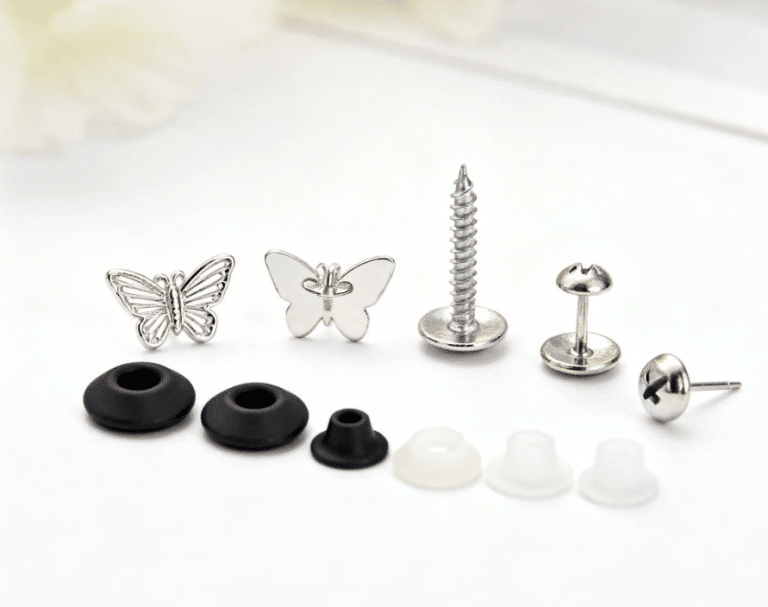
The Unseen Hero: Why Earring Backings Define Quality Jewelry
Every jewelry brand owner knows the sinking feeling. A customer calls, distraught. They’ve lost one
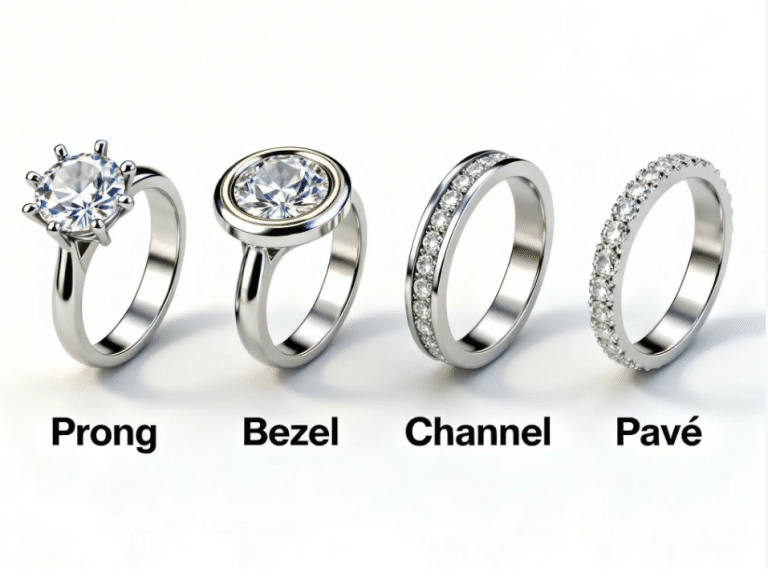
Choosing the Best Jewelry Stone Setting for Mass Production
Selecting the right jewelry stone setting is one of the most pivotal decisions for any
Best Jewelry Stone Setting for Mass Production | HonHo
Choosing the best jewelry stone setting Choosing the best jewelry stone setting is one of