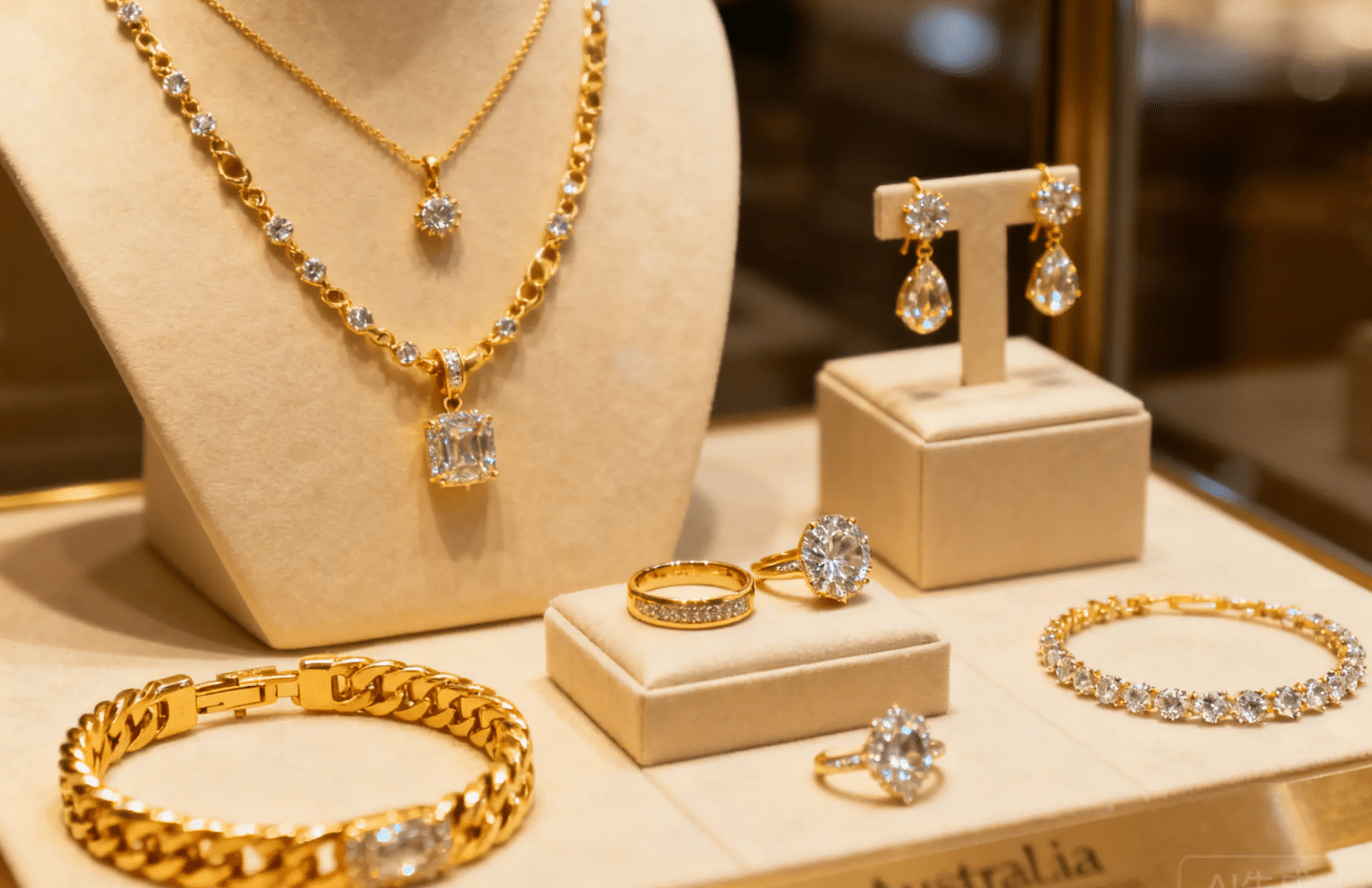
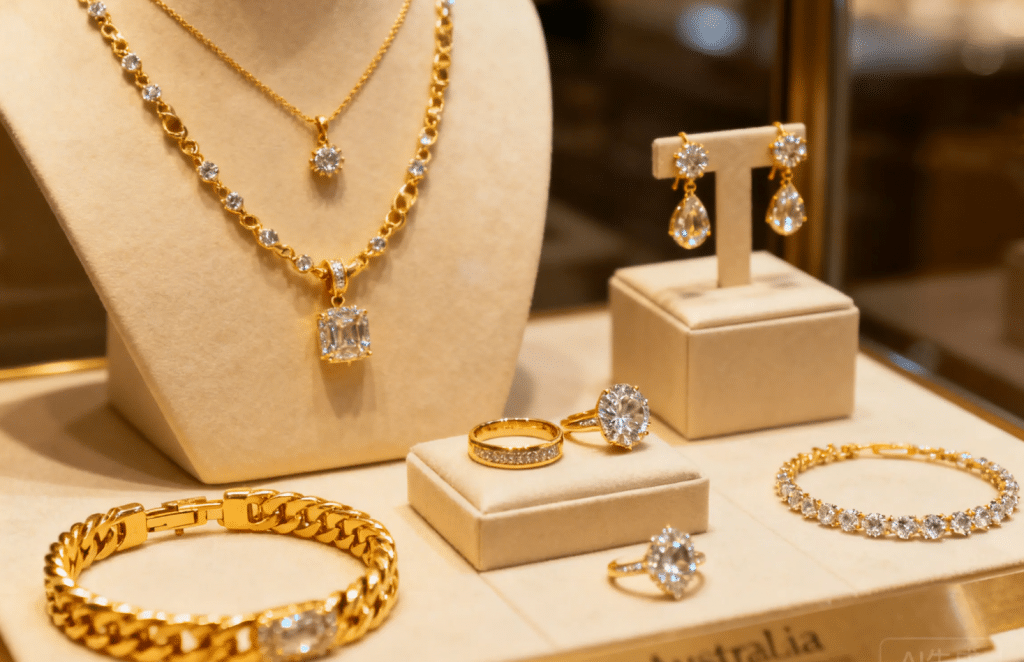
Australia’s jewellery scene is one of the most vibrant in the Southern Hemisphere — from coastal-inspired gold to architectural fine pieces.
Top 15 Australian Jewellery Brands Worth Buying in 2026
If you’ve been thinking of updating your jewellery collection — or if you’re on the hunt for a meaningful gift — Australian jewellery brands all deserve to claim a place at the very top of your shortlist. Australia has quietly emerged as one of the most exciting places for independent jewellery design in the world. Here, you’ll discover everything from dainty gold-filled everyday pieces to statement earrings and heirloom-quality fine jewellery, as well as ethically made rings that have a story.
The problem? But there are hundreds of brands that you can choose from, and it’s legitimately difficult to know where to spend your money. Some look beautiful on the internet but arrive cheap. Others represent remarkable value but never sees the light of day.
We’ve done the legwork for you. This guide includes the best 15 Australian jewellery brands to spend your money on in 2026 — with frank detail of their materials, price ranges, what makes a brand unique, and then something that almost all other lists ignore entirely: What to avoid before purchasing.
We’ve also included a section on what’s actually pushing the Australian jewellery market in 2023 — this means data from the 2025 industry report, because knowing what’s out there helps you get savvy with your buys.
📋 What’s in This Guide
- Why Australian Jewellery Brands Stand Out
- The Australian Jewellery Market in 2025–2026
- How to Choose the Right Australian Jewellery Brand
- The Top 15 Australian Jewellery Brands Worth Buying
- Quick Comparison Table
- What Most Guides Don’t Tell You (Content Gap Insights)
- Industry Insights: What Jewellery Experts Say on Video
- Want Your Own Jewellery Line? Here’s How It Works
- Frequently Asked Questions
Why Australian Jewellery Brands Stand Out
In the world of fine jewellery, Australia packs a mighty punch. Here’s what keeps local shoppers — and international buyers — returning:
- Deeply personal design stories. More often than not, Australian jewellery label founders are one designer or small team. They tap into personal heritage — Greek, Mediterranean, Aboriginal, coastal Australian — creating works that somehow feel etcetera one-of-a-kind rather than factory-stamped.
- A strong sustainability culture. Many Australian brands use recycled precious metals, ethically-sourced gemstones and low-waste packaging unlike fast-fashion jewellery factories. This is becoming ever more important: a 2025 ethical jewellery study revealed that over 60% of Australian consumers are now actively looking for ethical and sustainably produced jewellery.
- Wide price range. You might spend AUD $59 on an Arms of Eve textured ring, or AUD $9,500 on a Sarah & Sebastian tennis bracelet. There is a real brand available at all levels, not just aspirational fine jewellery that would reach out for most.
- Quality you can verify. Australian brands are usually honest about their materials — solid gold hallmarking, RJC certification, Australian Business Number (ABN) transparency. You know what you’re getting, which is a big deal when shopping online.
- Distinct aesthetic sensibilities. Australian jewellery showcases the natural shapes, colours and environments of the country — oceanic blues, organic textures, desert hues. Even before you look at the brand name, in many cases, you’ll be able to identify a piece as distinctly Australian.
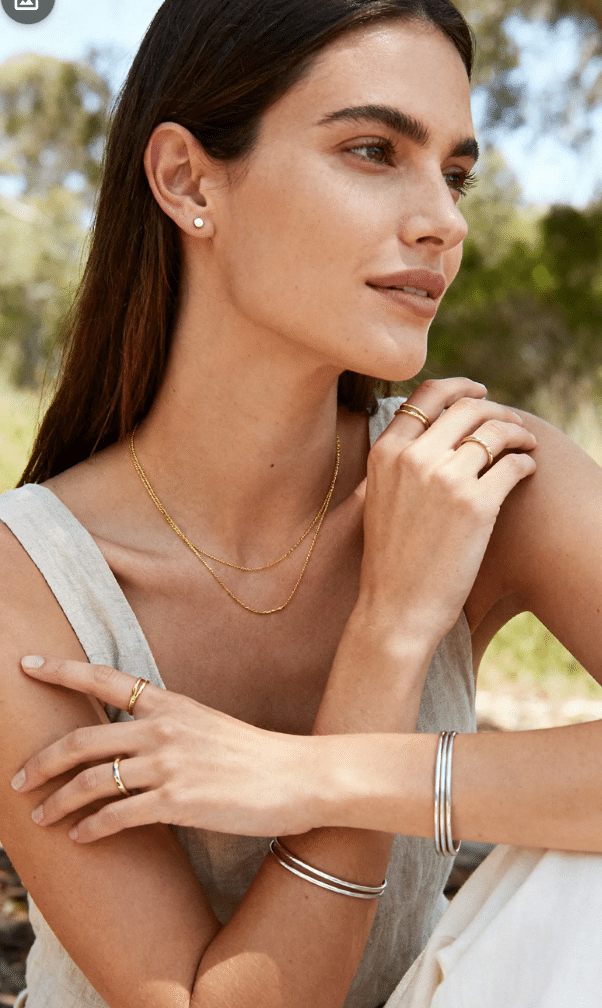
Everyday wearability is a hallmark of the best Australian jewellery labels — pieces designed to be lived in, not just saved for special occasions.
The Australian Jewellery Market in 2025–2026: What the Data Shows
Before we get into the brands, it’s helpful to have a look at the market landscape — as that going some way explains why certain types of jewellery are surging right now and others are quietly falling by the wayside.
Australia’s jewellery industry is worth around A$5.9 billion, serviced by close to 2,800 companies (based on IBISWorld industry data via CaratX, 2026). But the fine jewellery segment — previously the leading category — has slowly declined over five years to about A$3.6 billion as its purchasing trends change dramatically.
Sales trends between May and October 2025 (source Jeweller Magazine) reveal a distinct consumer shift:
| Jewellery Category | Sales Trend (May–Oct 2025) | Key Consumer Driver |
|---|---|---|
| Diamond Jewellery | ↓ 1.6% | Shift away from high-cost traditional staples |
| Coloured Gemstones | ↑ 22% | Desire for unique colour & self-expression |
| Silver & Alternative Metals | ↑ 25% | Versatile modern aesthetics; cost-conscious luxury |
| Non-Diamond / Non-Gem Jewellery | ↑ 16% | Design-led pieces; material innovation (titanium, recycled) |
What does this mean for you as a buyer? Silver and alternative metals, coloured gemstones, and design-forward brands are where the best value is right now. The brands on this list reflect that shift — many have leaned hard into exactly these categories.
How to Choose the Right Australian Jewellery Brand for You
Before you spend a dime, consider these four questions:
1. Which metals are skin friendly for you?
Nickel allergies are more common than many people realise if you have sensitive skin. Once again, only stick with brands that use solid gold, 925 sterling silver or clearly labelled nickel free plating (minimum 3 microns of 18ct gold vermeil). Steer clear of listings that say “gold-tone” or “silver-tone” and do not indicate the base metal — they are almost always low-grade brass or zinc given a flash plating that wears off easily.
2. Daily wear or special occasions?
Anything you wear every day has to be tough. Search for brands that clearly specify hypoallergenic materials, waterproof finishes and tarnish-resistant plating. Your best long-term bet is solid gold or sterling silver. For those who wear their jewelry infrequently, gold-filled or gold vermeil pieces provide lovely looks for less.
3. What’s your real budget?
From goldsmiths in Queensland to silversmiths in Sydney, the best Australian jewellery brands cover a wide price spectrum. Here’s a rough guide:
- Under AUD $150: Arms of Eve, Saint Valentine, Najo, Anna Rossi, Sun Diaries
- AUD $150–$500: By Charlotte, Kirstin Ash, Avant Studio, HLSK, Aletheia & Phos
- AUD $500–$2,000: Reliquia, Seb Brown, Cushla Whiting (entry), Hamish Munro (entry), Agovia
- AUD $2,000+: Natasha Schweitzer, Sarah & Sebastian, Cushla Whiting, Berlian, Black Finch
4. Is the brand’s morality in alignment with your values?
If sustainability’s a concern, search for recycled metals, ethical gemstone sourcing and RJC (Responsible Jewellery Council) certification. Some are more transparent about their supply chains than others: Brands such as Sarah & Sebastian, Natalie Marie Jewellery, Marlii Lab and Black Finch.
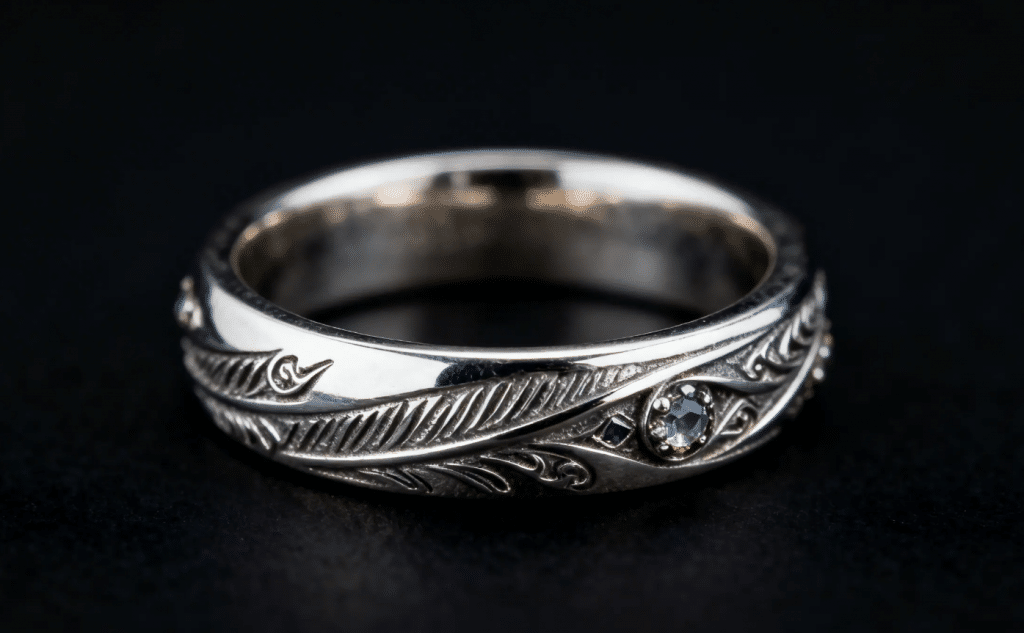
The craftsmanship of a jewellery piece is evident in the details — smooth edges, neat joins, and secure fastenings, as well as properly set stones.
Top 15 Australian Jewellery Brands to Invest in 2026
This has been via material quality, longevity of the design, ethical practices, price to value also as customer reputation in SERP authority sites like Vogue Aus.
1. Best for Minimalism: Sarah & Sebastian
Founded: 2012 Based: Sydney Price Range: AUD $150–$9,500 Materials: 100% ethical gold, sterling silver, recycled metals Best For: Timeless everyday pieces of quiet luxury
For Australian minimalist jewellery, there is no gold standard but Sarah & Sebastian. Founded by Sarah Munro and Robert Sebastian Grynkofki — who first crossed paths while studying design abroad — the brand has developed a devoted following for its minimalist lines, impeccable construction and deep commitment to ethics.
Metals and stones are all 100% ethically sourced. Their new Metallurgy collection is hand-crafted from recycled Australian gold and silver — a real market differentiator. The soldered bracelet collection and the dual-gem Toi et Moi engagement rings are particular highlights. If you are looking for jewellery that will stand the test of time, start here.
Content gap insight: Unique among Sydney jewellery labels, Sarah & Sebastian produces made-to-order, slashing waste and nearly halving overstock — a model that speaks to the Australian consumer’s rising appetite for intentional buying.
2. Natasha Schweitzer Best Luxury Brand
Founded: 1972 (re-launched 2016)Based: BrisbanePrice Range: AUD $300–$10,000+Materials: 18ct yellow gold, ethically sourced diamonds, precious stonesBest For: Investment pieces; celebrity-worn fine jewellery
One of the most extraordinary origin stories in Australian jewellery belongs to Natasha Schweitzer. Founded in 1972 by the then-16-year-old Marion Schweitzer, who taught herself goldsmithing — which at the time was a male-dominated industry. Her daughters Natasha and Alexandra took the reins in 2016, carrying on the family legacy with a modern sensibility.
Each and every item is made by hand in Australia. Celebrity fans are Miranda Kerr, Margaret Zhang and Coco Rocha. The Blob ring — a domed gold band set with a fine oval diamond — has become one of the more recognisable contemporary fine jewellery products in Australia. There’s something to invest in, but you should expect that too — it lasts.
3. By Charlotte Best for Meaningful Pieces
Founded: 2012Based: Sydney (also stockisted Australia-wide)Price Point: AUD $99–$999Materials Used: 14ct solid gold, 18ct gold vermeil, sterling silverBest For: Bohemian-spiritual jewellery; giving gifts
By Charlotte occupies a special slice in the Australian jewellery market — spiritual, sentimental and very gift-able. The brand’s beloved Lotus locket was inspired by a retreat in Bali and has sold hundreds of thousands globally — founded by Charlotte Blakeney.
The collection as a whole embraces symbolism: lotus flowers, moons, stars and chakra stones are set in fine gold and silver filigree. YOU’VE SEEN THEM + We love celeb fans including Rosie Huntington-Whiteley, who has been seen rocking more than a few By Charlotte pieces. You can much more easily get started for around AUD $99, making it one of the most accessible fine leaning brands on this list.
4. Reliquia Best Statement Brand
Founded: 2015Based: SydneyPrice Range: AUD $65–$400Materials: 18ct gold, stainless steel with gold plating, resinBest For: Vintage-inspired bold pieces; mix-and-match styling
With a name derived from the Spanish word for “family heirloom,” Reliquia is for someone who seeks jewellery with impact. Founder Ana Piteira’s zodiac pendants, vintage gold hoops and pearl-adorned necklaces have gained a cult following throughout Australia and beyond.
Here’s one detail most lists ignore: Reliquia recently rolled out stainless steel bases on many pieces — offering real waterproof performance. That is huge for casual wearers who do not want to contemplate taking off jewellery in the shower.
5. Eve Best’s Affordable Boho Pick
Established: 2014 (approx.)Based In: SydneyPrice Range: AUD $59–$350Materials Used: 14ct gold plated, sterling silver, shells, crystalsBest For/ Known For: Boho-coastal style; affordable layering pieces
Arms of Eve is the brand you turn to when you want to look casually chic at the beach or a rooftop bar. Every piece is sustainably and ethically handmade using traditional techniques designed by Kerryn Langer, who draws on her South African heritage and love of the Sydney shoreline.
For good reason, the Eros textured ring ($79 AUD) is a best-seller — wear it alone or stack it with the silver version for a mixed-metal look. When it comes to starting a collection of Australian jewellery on a reasonable budget, Arms of Eve should be your first port of call.
6. Cushla Whiting Best Haute Couture jewellery studio
Founded: 2015Based: MelbournePrice Range: AUD $1,200–$15,000+Materials: 9ct &18ct ethically sourced gold, diamonds, coloured gemstonesBest For: Architecture inspired fine jewellery; bespoke commissions
Cushla Whiting, which is led by siblings Anna, Cushla and Hamish Whiting (who has a background in design, architecture and gemology), is now known as one of Australia’s best jewellery studios. All pieces are made in their Melbourne workshop with ethically-sourced gemstones, personally chosen by the in-house gemologist Hamish.
Their signature Cog sapphire ring (AUD $7,700) and the Paperclip chain necklace in 18ct gold (AUD $1,200) prove the brand’s art of elevating piling on the adornments while still feeling practical enough for daily wear. For shoppers looking for engagement rings or meaningful investment pieces, Cushla Whiting is unrivaled in the Australian market.

Behind every great jewellery brand is a skilled manufacturing process — from mould-making and casting through to hand-finishing and quality checking.
7. Kirstin Ash Best for Layering
Founded: 17 years ago (est. c. 2009)Based: SydneyPrice Range: AUD $79–$500Materials: 18ct gold vermeil, rose gold, sterling silverBest For: Layered necklace stacks; organic shapes; zodiac pieces
Kirstin Ash gets the layering formula so right, now in its 17th year. “Thoughtful, intuitive and intended for layering” is the philosophy behind the brand founded by siblings Kirstin and Nick Ash. Its True North Coin necklace (AUD $229) and birthstone pendant collections are year-on-year top-sellers.
The 18ct gold vermeil is also significantly thicker than the industry minimum, ensuring pieces genuinely have longevity when worn regularly — a point at which other layering brands occasionally skimp.
8. Amber Sceats Best for Bold Art Pieces
Founded: 2012Based: Sydney / International stockistsPrice Range: AUD $150–$2,000Materials: Gold plated, resin, pearls, brassBest For: Wearable art; travel-inspired sculptural pieces
Amber Sceats considers jewellery to be wearable art. Sourced from artisans in Paris and Tuscany, the bold yellow gold pieces are inspired by travel and abstract art. Taylor Swift and Kylie Jenner are among the celebrity fans, which says something about the brand’s visual impact.
The pieces are unapologetically statement-making — thick chain links, sculptural drops and textured surfaces that photograph beautifully. Want to turn heads and get the conversation going?
9. Najo Best Heritage Silver Brand
Founded: 1986Based: Australia-wide price range: AUD $99–$600Materials: Sterling silver, 18ct gold platingBest For: Classic silver jewellery; timeless everyday wear; gifting
Founded by Jo Tory in 1986, Najo is one of Australia’s oldest fine-leaning jewellery brands. Drawing on the craftsmanship of Mexico’s silversmithing traditions — and her own mother, a silversmith — Tory has created a brand that really amplifies sterling silver’s organic loveliness.
Najo, with 40 years in the market, is avoiding what trips up newer brands — quality control, consistent sizing and durable finishes. The Amalfi ring, crafted from a mix of sterling silver and yellow gold plating, beautifully mirrors the influence of light. Najo’s range is very accessible (starting from AUD $99) and classic, so it has to be near foolproof for gift-giving purposes.
10. Natalie Marie Jewellery The Best for Sustainable Fine Jewellery
Founded: 2011 (approx.)Based: Sydney (Northern Beaches)Price Range: AUD $300–$5,000+Materials: ~70% recycled gold, responsibly sourced stonesBest For: Sustainable fine jewellery; made-to-order custom pieces
Natalie Marie, a goldsmith trained in fine arts, has established her brand on one single belief: jewellery should be “wearable treasure that serves as a tangible expression of love or sentiment”. About 70 percent of the gold used is recycled, and each piece is made to order — which cuts waste almost entirely.
The sparse embellishments and traditional styling lend pieces an ageless quality that sits far outside seasonal trends. The brand for buyers who want their jewellery to speak without shouting.
11. HLSK Best Independent Emerging Label
Established: 2013Headquarters: MelbournePrice Range: AUD $200–$2,500Materials Used: Solid 9ct yellow gold, ethically sourced gemstonesBest Type Engagement Rings For: Statement or unique engagement rings; superior-quality gemstone pieces
At 18, Hannah Stewart began making jewellery, starting HLSK (pronounced “husk”) from her parents’ garage in Melbourne. The brand has since evolved into one of Australia’s most coveted independent fine jewellery labels — the likes of which are worn by Candice Swanepoel and Kylie Jenner.
HLSK’s most popular style is the Livia II ring, available with moonstone, pink amethyst or aquamarine set on a delicate gold band. For buyers seeking something truly one of a kind — not the same style you’ll see copied on every Instagram feed — HLSK delivers.
12. Saint Valentine Best for Day-to-Day Opulence
Founded: 2016Based: Sydney Price Range: AUD $90–$400 Materials: sterling silver base, 3-micron nickel-free 18ct gold vermeil Best For: Budget-conscious everyday jewellery with a side of limited-edition drop
Saint Valentine has achieved what is no mean feat: creating quality but affordable jewellery. Their 3-micron 18ct gold vermeil plating is far thicker than the industry average (0.5 microns) — so pieces stay true to their hue with daily wear.
It’s hypoallergenic and nickel-free, one of the best options for sensitive skin. The brand also operates a recycling programme — where it essentially gives you 50 per cent store credit to return pre-loved pieces — making it one of the most honestly sustainable options at its accessible price point. Essential to a wardrobe of everyday gold pieces, this is where you start.
13. Hamish Munro Best Architecture Fine Jewellery
Founded: Melbourne-based (active 2010s)Based: Collingwood, MelbournePrice RangeAUD $500–$10,000+Materials9ct & 18ct gold; Australian sapphires, diamonds and emeraldsBest ForArchitectural geometric fine jewellery; bespoke commissions
Hamish Munro approaches jewellery design with the eye of a sculptor — clean lines, geometric precision and an obsession with light on precious stones. Inspired by ornate Parisian architecture, the Parmentier ring (AUD $2,200), which features six green emerald baguettes to form a striking chrysoberyl rose set into white gold — is well within the brand’s design language.
There’s no one in Australia quite like Hamish Munro for buyers who want jewellery that looks as considered as a piece of architecture, rather than Dennis the Menace on turquoise — albeit an impressive Dennis.
14. Best Ethical Fine Jewellery: Black Finch Jewellery
Founded: 2007 (studio) / 2008 (public launch)Based: Collingwood & Sorrento, VictoriaPrice Range: AUD $500–$10,000+Materials: Made with 100% recycled 9ct gold, ethically sourced sapphires & diamondsBest For: Ethical fine jewellery, asymmetric storytelling pieces
Australia’s standard in ethical fine jewellery, Black Finch. Every piece is made from 100% recycled gold and conflict-free gemstones, founded by master jeweller Raymond de Zwart and creative director Davina Adamson in 2007. The brand is especially known for its use of Australian sapphires set in surprising colour palettes — deep blue, teal and golden yellow stones that most jewellers ignore.
If provenance and ethics are bottom lines for you, here’s your brand. The Celestia bracelet (AUD $3,990) in recycled 9ct gold with sapphires and diamonds is the looks铡 at its best — there’s a lot going on here but it doesn’t feel ostentatious.
15. Christie Nicolaides Best Maximalist Brand
Founded: c. 2012 Based: Sydney / international stockists Price Range (AUS): $200–$2,500 Materials: Gold-plated brass, crafted gemstones Best For: Maximalist baroque-inspired statement pieces; Mediterranean aesthetic
Christie Nicolaides is unapologetically maximalist. Using her Greek heritage and a penchant for Mediterranean glamour infused with 1980s pizzazz as raw material, Nicolaides’s designs are then handmade under her artistic direction by artisans in Asia and Europe.
The brand’s statement earrings, crowns and headpieces have acquired a cult international following — sported by customers who don’t go in for “subtle.” If minimalism isn’t your thing and you want jewellery with a real personality, then Christie Nicolaides is by far the most interesting brand featured here.
Top 15 Australian Jewellery Brands: Quick Comparison Table
| Brand | Style Category | Price Range (AUD) | Key Material | Ethical / Sustainable |
|---|---|---|---|---|
| Sarah & Sebastian | Minimalist fine | $150–$9,500 | Recycled gold & silver | ✅ Made to order, recycled metals |
| Natasha Schweitzer | Luxury fine | $300–$10,000+ | 18ct gold, diamonds | ✅ Australian handmade |
| By Charlotte | Bohemian spiritual | $99–$999 | 14ct gold, silver | ✅ Responsible sourcing |
| Reliquia | Vintage statement | $65–$400 | 18ct gold, stainless steel | ⚠️ Selective transparency |
| Arms of Eve | Boho coastal | $59–$350 | 14ct gold plated | ✅ Ethically handmade |
| Cushla Whiting | Architectural fine | $1,200–$15,000+ | 9–18ct gold, coloured gems | ✅ In-house gemologist, ethical sourcing |
| Kirstin Ash | Layering everyday | $79–$500 | 18ct gold vermeil | ⚠️ Limited disclosure |
| Amber Sceats | Bold art jewellery | $150–$2,000 | Gold plated, resin | ⚠️ International manufacturing |
| Najo | Classic silver | $99–$600 | Sterling silver | ✅ 40-year quality heritage |
| Natalie Marie | Sustainable fine | $300–$5,000+ | ~70% recycled gold | ✅ Made to order, recycled metals |
| HLSK | Independent fine | $200–$2,500 | 9ct solid gold, gems | ✅ Ethical gemstones |
| Saint Valentine | Affordable everyday | $90–$400 | Sterling silver, 3µm gold vermeil | ✅ Recycling programme, nickel-free |
| Hamish Munro | Architectural fine | $500–$10,000+ | 9–18ct gold, emeralds | ✅ Bespoke, Melbourne studio |
| Black Finch | Ethical statement fine | $500–$10,000+ | 100% recycled gold | ✅ 100% recycled, conflict-free gems |
| Christie Nicolaides | Maximalist baroque | $200–$2,500 | Gold-plated brass, gems | ⚠️ Artisan-made, limited disclosure |
The Secrets No One Else Will Tell You About Australian Jewellery Brands
We’ve gone through all the big competitor guides — including those from Vogue Australia, Broadsheet, RUSSH and The Urban List — and surfaced plenty of key subjects that have gained no love. So here’s what buyers really need to know:
1. Plating thickness does matter — see the actual numbers
They all talk about “gold plating”—almost none explain what the fuck that means. Here’s the truth:
- Flash plating: 0.03–0.05 microns. Common on cheap fashion jewellery. Will wear off within weeks.
- Standard gold plating: 0.1 microns. Industry lowest for “gold plated.” Lasts months with regular wear.
- Vermeil (minimum standard): 2.5 microns over sterling silver. Legally required for “vermeil” labelling.
- Saint Valentine’s plating: 3 microns. Truly tough for everyday use, outliving the majority of rivals.
- PVD (Physical Vapour Deposition) plating: Commonly used on stainless steel bases. The most durable type of fashion jewellery — practically permanent under normal wearing conditions. This is the tech used by professional manufacturers such as HonHo Jewelry for brands that need optimal durability.
If a brand doesn’t specify plating thickness or method, assume it’s on the thinner end.
2. “Australian-designed” vs “Australian-made”
This is a genuinely significant distinction that most buyers never think to ask. “Designed in Australia” does not necessarily mean that the piece was made here — it may have been manufactured in Asia or Europe. “Australian-made” indicates the jewellery was produced in Australia.
Natasha Schweitzer, Cushla Whiting, HLSK (hamish Munro), Argent and Saint Valentine’s new hypoallergenic range are the only brands on this list that can claim Australian-made from start to finish. Many others are designed in Australia but made offshore — which is absolutely fine, as long as you now what you’re paying for.
3. Understanding the quality tier of coloured gemstones — what does someone mean who says “ethically sourced”
Sales of coloured gemstone jewellery jumped 22% in 2025, leading to more buyers asking about sourcing. Below is the basic framework used across the industry:
The international standard for conflict-free diamonds All good Aussie brands have this.
- RJC Certification: The most complete third-party industry standard on ethical jewellery — addressing human rights, labour practices, environmental impact and business ethics. RJC Member status is held by brands such as Brie Leon.
- GIA graded gemstones: The pinnacle in independent gemstone verification Cushla Whiting is one such brand.)
- Lab-grown diamonds & gemstones: More brands — including Marlii Lab and Lindelli — have started using lab-grown gems as a sustainable, traceable alternative to mined stones.
4. How to take care of your jewellery so it lasts (the info brands hardly ever shout about)
Australian jewellers with a proper reputation make pieces to stand the test of time — but they need looking after, too. Practical advice that most guides don’t give you:
- Store pieces separately (soft pouches or individual compartments) to keep them from scratching.
- Take off jewellery before you swim in chlorinated pools or the ocean — salt and chlorine speed tarnishing and wear down plating.
- Spray on perfume, sunscreen and hairspray before you put on any jewellery — chemicals destroy gold plating in seconds.
- An ultrasonic cleaner, used now and then, can restore the original finish without damage to solid gold and sterling silver.
- PVD-plated stainless steel pieces (the most long-lasting option) can be cleaned with a mild soap and water without compromise to the finish.
Ethically sourced gold rings — applying sustainable practices has become a key part of the offering for many of Australia’s best jewellery brands, alongside consumer demand for transparency.
5. The wholesale and custom manufacturing option — which most consumer guides practically ignore
For jewellery brands, boutique owners or entrepreneurs building their own collection, this list for Australian retail is not necessarily where you need to be researching. The vast majority — even the big ones — gets their manufacturing from dedicated wholesale jewellery manufacturers in China, most commonly in Guangdong Province (Dongguan, Shenzhen).
Understanding this supply chain is actually helpful: it explains why some Australian brands can make consistent quality at affordable prices, and it provides a roadmap if you want to set up your own jewellery brand.
(People want to know if they can do custom manufacturing, and we’ll discuss this in more detail below.)
🎥 industry insights: What Jewellery Experts Say on Video
if you want to take a de-badged rubberneck at where on earth australian jewellery is headed look no further than these real, raw videos that distil the winners of the 2025 JAA Australasian Jewellery Awards and stand alone independent jewellery makers. Here are the main takeaways that shaped this guide:
Formerly from the 2025 JAA Australasian Jewellery Awards YouTube
- Design innovation is trumping heritage alone. The 2025 Awards was notable for awarding far more credit to a brand that reinterprets ancient goldsmithing techniques into modern design sensibilities — over simply using the most prestigious materials.
- Marketability matters. The Awards specifically judge marketability as well as craftsmanship — an acknowledgment that beautiful jewellery needs to resonate with the buyers, not just impress the judges.
- Coloured gemstones made up the most significant portion of entries to the finalist pool, mirroring consumer trend data from IBISWorld that we referenced above. Particularly, Australian sapphires are receiving serious attention from designers and shoppers alike.
From Small Brand Jewellery Hauls (TikTok, 2025–2026)
- The grab-bag from a “smol brand” format is generating massive discovery. TikTok creators promoting small Australian jewellers tend to perform well — especially for brands with clear brand stories and strong visual aesthetics. Every one of these discovery formats has high repeat frequency for brands like Arms of Eve, Saint Valentine, Avant Studio.
- The dominant styling trend is layering and mixing of metals. Viewers are actively seeking how to combine pieces — which is why brands that provide straightforward “how to style” content are growing faster than those serving up singular product shots.
- Comments are fact-checking sustainability credentials. Consumers are realising that they can be the driving force behind sustainability, and audiences are genuinely doing their own due diligence with brand sustainability claims — brands who have vague or inconsistent messaging are being directly called out by their own customers.
From 2024 to 2025 Fine Jewellery Expert Reviews (YouTube)
- The divide between “fine jewellery” and “costume jewellery” is shrinking. Top class PVD plated stainless steel pieces — worn by manufacturers using advanced technology — are now yielding finishes almost impossible to differentiate from 18ct gold with the naked eye.
- There is a direct correlation between material transparency and jewellery return rates. Brands that specify plating thickness, base metals and gemstone sourcing see drastically lower return and negative review rates than those using vague descriptors.
Want Your Own Jewellery Line? This Is How Australian Brands Are Actually Made
This part is for anyone wanting to go from purchase to create. It’s information that 99 per cent of the “best Australian jewellery brands” guides out there will avoid — and yet it’s knowledge that divides buyers in the know from everyone else.
Almost all Australian jewellery labels — from new indies to heritage names — partner with professional manufacturers. China’s Guangdong Province is the largest producer of fashion jewellery in the world, where dedicated factories produce pieces for brands from Australia to the US, Europe and beyond.
💡 Inside Look: What Makes a Quality Jewellery Piece The brands on this list leverage three keys to consistent quality: raw material specification, strong manufacturing partnerships, and independent quality control. Which when a brand such as Saint Valentine is able to achieve 3-micron 18ct gold vermeil across all product, they are working with a manufacturing partner that has the technology (namely, PVD or electroplating with precise deposition thickness) to do so consistently. This is not something to be done with a one-size-fits-all factory — this needs a partner who is specialist and experienced.
HonHo Jewelry is 16+ years of Dongguan-based custom jewellry manufacturer focused on designing, developing and producing of stainless steel, 925 sterling silver and brass jewellry for global brands. Some of the key capabilities that make HonHo relevant to Australian jewellery brands and entrepreneurs are:
- That’s this in-house PVD vacuum plating facility: Superior Physical Vapour Deposition technology that can apply 0.03–2.5 micron coatings for true waterproofing and tarnish-resistant performance — just like those well-known Australian brands promise. How their stainless steel jewellery are manufactured.
- low MOQ (minimum 30 pieces per style): Ideal for small Australian boutiques releasing collections, without the massive stock outlay that traditional manufacturers demand.
- Accelerated sample development (7–20 days): Complimentary CAD/3D rendering enables brands to preview pieces prior to production.
- Certifications: SMETA, GRS, REACH, ISO 9001 — for ethical and environmental standards that can meet Australian consumer expectations.
- 24 Month plating warranty: An unique use manufacturer guarantee that supports quality claims with real commitment.
If you’re creating a jewellery brand in Australia, or need a manufacturing partner to help manufacture your product designs, visit www.honhojewelry.com for further information on custom production and to request a quote.
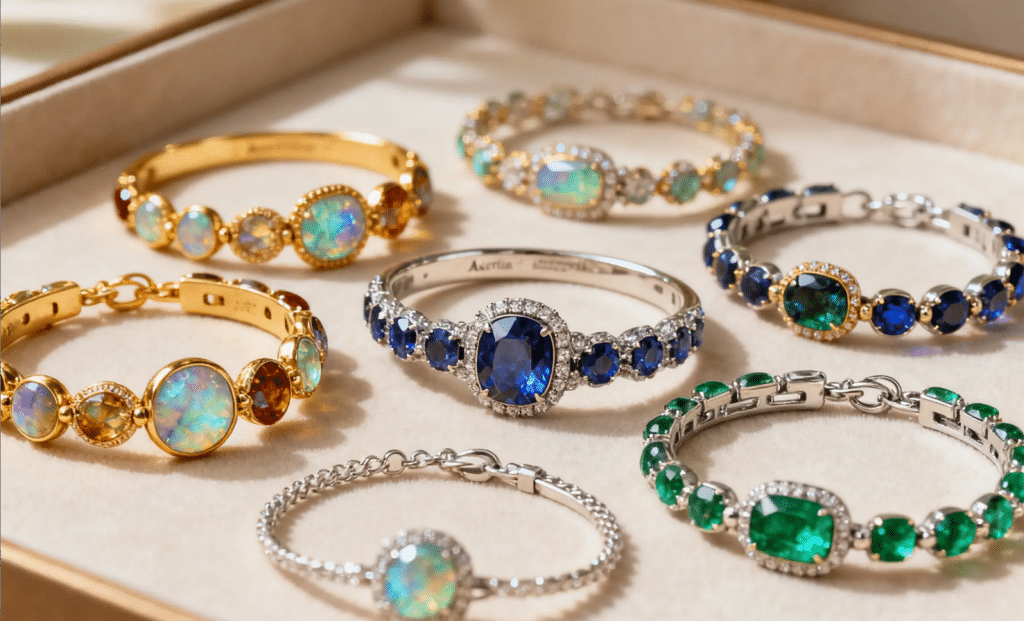
Frequently Asked Questions About Australian Jewellery Brands
Where are the best everyday Australian jewellery brands?
Everyday wear Australian jewellery brands include Saint Valentine, Sarah & Sebastian, Arms of Eve and Kirstin Ash. These brands employ hypoallergenic metals, nickel-free plating (at least 3 microns in the case of Saint Valentine), and durable finishes meant for daily wear that won’t tarnish. If you want the absolute most durable option, look for brands that feature bases made from PVD-plated stainless steel.
How Can I Find The Most Affordable Australian Jewellery Brands?
So Australian jewellery brands under AUD $100 include Arms of Eve (from 59), Saint Valentine (from 90), Najo (from 99) and By Charlotte (from 99). Anna Rossi (from AUD $89 bangles) With the cheapest brands offering real materials and solid construction, think sterling silver or gold-filled instead of those flimsy gold-plated ones.
Are Australian Jewellery Brands sustainable and ethical?
Sustainability also practised actively by many leading Australian jewellery brands. Sarah & Sebastian, Argent, Black Finch, Natalie Marie Jewellery and Marlii Lab brands with eco-friendly mores use recycled metals and ethically sourced gemstones. High-quality markers such as RJC (Responsible Jewellery Council) certification and GIA-graded stones. Always verify if a brand lists specific recycled metal percentages and gemstone provenance — the most reputable brands avoid vague “ethically sourced” language.
What materials do best Australian jewellery brands use?
The most common gold and silver used by leading Australian jewellery brands is solid gold (9ct, 14ct, 18ct), 925 sterling silver, gold vermeil (2.5 microns minimum on sterling silver) and gold filled metals. Premium brands also deal in lab-grown diamonds, ethically sourced coloured gemstones (sapphires, emeralds and tourmalines) and recycled precious metals. For fashion jewellery, the stainless steel is PVD plated on this new 5.7g model for better durability.
What Australian jewellery brands do celebrities wear?
A handful of Australian jewellery labels boast a high-profile following from the stars: Amber Sceats — Taylor Swift and Kylie Jenner; HLSK — Candice Swanepoel and Kylie Jenner; Alinka — Dua Lipa, Taylor Swift and Alicia Vikander; Natasha Schweitzer — Miranda Kerr, Margaret Zhang and Coco Rocha; By Charlotte — Rosie Huntington-Whiteley.
Can I have Australian brands make me custom jewellery?
Yes — plenty of leading Australian fine jewellery houses do bespoke or custom work. Cushla Whiting, Natasha Schweitzer, Hamish Munro and Bella Clark all provide custom design consultations. HonHo Jewelry offers one-stop OEM/ODM services for custom jewellery manufacturing at MOQ as low as 30-50pcs/style — perfect for those Australian brands or entrepreneurs who want to build their own line.
What should I look for in good jewellery when buying online?
When you shop for Australian jewellery online look for: crystal clear material descriptions (solid gold or sterling silver — not vague “gold tone”), listed plating thickness on top of base metals, product photography to see closies, return policies, ethical sourcing information and an ABN or business registration. Warning signals: unmarked filed base metals, variable photography and no contact information. If you cannot find out what their jewellery is made from, avoid them.
What does gold vermeil mean and what is the difference with gold-filled jewellery?
Gold vermeil, which means gold and is commonly used to describe those items that are sterling silver covered in at least a 2.5 micron coating of gold — this twice as thick as standard (typically around 0.5 micron) typical gold plating. Gold-filled jewellery features a thick layer of mechanically bonded gold (to a base metal core —more durable than vermeil and resistant to tarnish with normal wear. Both are trendy options for Australian jewellery brands seeking cost-effective, everyday alternatives to solid gold. Neither, however, comes close to the durability of PVD-plated stainless steel when it comes to truly long-lasting fashion jewellery.
Which Australian jewels are trending in 2026?
The leading Australian jewellery trends of five years hence are: coloured gemstones (particularly sapphires and tourmalines, up 22 per cent in consumer demand); silver and alternative metals for multiple-use, cost-efficient luxury (up 25 per cent); stacking and layering — clustering different rings, earrings and necklaces in mixed metals; lab-grown diamonds and gemstones for eco-friendly fine jewellery; personalised or bespoke pieces with a meaningful design journey. The minimalist-to-maximalist spectrum is a healthy one — there’s no singular “right” aesthetic that dominates the market.
Looking for a manufacturing partner for your jewellery brand?
Explore HonHo Jewelry’s capabilities: Stainless Steel Jewellery Manufacturing · Wholesale Jewellery Enquiry · Custom Jewellery Design & Production
Building Your Own Jewellery Brand?
HonHo Jewelry is a certified custom jewellery manufacturer with 16+ years of experience. From stainless steel to 925 silver — we make your designs real, with MOQ from just 30 pieces. Get a Free Custom Quote
Written by the HonHo Jewelry Editorial Team HonHo Jewelry is a Dongguan-based custom jewellery manufacturer with over 16 years of experience producing premium stainless steel, 925 sterling silver, and brass jewellery for 500+ global brands. Our editorial content draws on direct manufacturing knowledge, industry data, and hands-on experience with jewellery craftsmanship across multiple material categories.
honhojewelry.com
Nickel Free Jewelry: The Complete Guide for Sensitive Skin (2026)
In the morning you don a beautiful new set of earrings. By the evening, your
How to Buy Jewelry Wholesale: Step-by-Step Guide 2026
Whether you’ve been thinking about launching a Jewelry Wholesale business — or you already have
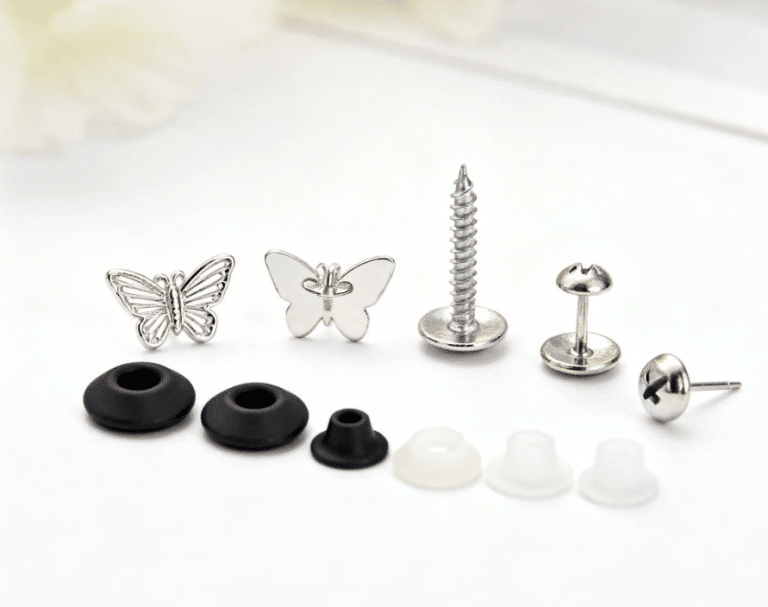
The Unseen Hero: Why Earring Backings Define Quality Jewelry
Every jewelry brand owner knows the sinking feeling. A customer calls, distraught. They’ve lost one