

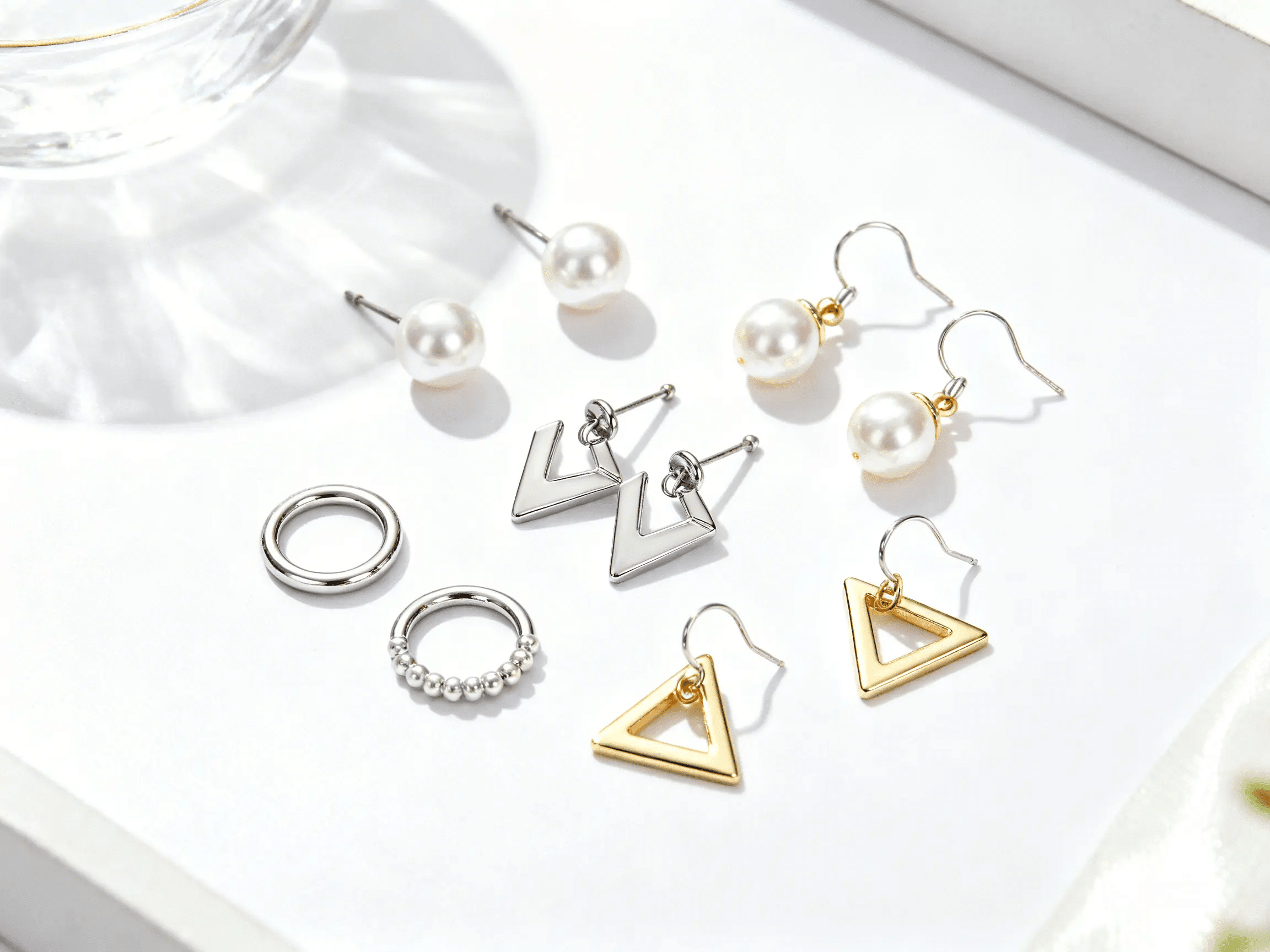
Nickel-free jewelry, low nickel release and hypoallergenic jewelry describe different things. A nickel-free claim concerns composition; a nickel-release result describes what a tested item releases under a stated method; and hypoallergenic language should never be treated as a guarantee that nobody will react. Buyers need evidence for the specific claim on the specific product.
A bulk composition result identifies elements in a material. A release test assesses migration from the surface under defined conditions. A material can contain nickel and still have a low measured release rate. That does not make it nickel free.
This distinction matters when comparing alloys and coatings. The alloy, surface condition, coating and wear can all affect the exposed surface. A composition certificate for the body of a pendant does not establish the release performance of its clasp or chain.
| Claim or description | Ask for | Do not infer |
|---|---|---|
| Nickel free | The supplier’s precise definition, component scope and supporting material evidence | That every finding or underlayer has the same composition. |
| Tested for nickel release | Method, report, tested parts, finish and measured results | That the item contains no nickel. |
| Hypoallergenic | Specific materials and evidence supporting the stated claim | That reactions are impossible. |
| Surgical steel | Exact grade and relevant finished-product documentation | That a trade term alone verifies composition or suitability. |
No. 316L stainless steel contains nickel. The grade information published by Outokumpu documents the alloy family. Describing all 316L earrings as nickel free would confuse alloy content with surface performance.
When sourcing stainless steel earrings, request the grade of the decorative body, post and backing separately, plus the relevant finished-item test evidence. A necklace’s chain and clasp need the same attention. These collection categories describe product options, not a blanket nickel-free certification.
Titanium, sterling silver, gold alloys and brass each require a precise specification. A material family is not a complete bill of materials. Gold fineness identifies the gold proportion but does not identify every other alloying element. “925” describes silver fineness, not the composition of every finding attached to it.
For layered jewelry, ask about the core, underlayers, outer alloy and separate hardware. A gold-colored surface cannot establish the identity of the metal underneath. The gold-filled jewelry guide and gold-plated jewelry guide explain those constructions.
The consolidated REACH regulation, Annex XVII entry 27 distinguishes pierced-body post assemblies from articles in direct and prolonged skin contact. The entry specifies a release rate below 0.2 μg/cm²/week for pierced-body post assemblies; for the listed prolonged-contact articles, release above 0.5 μg/cm²/week is restricted.
These are release rates, not permitted nickel percentages in an alloy. Coated articles also have durability-related requirements under the entry. Confirm the current applicable test method, wear preparation and interpretation with a qualified laboratory for the actual product and destination market. A passing report does not establish medical suitability for every wearer.
A generic “REACH certificate” with no matching sample information is not enough. Nor does an unrelated test for another substance prove nickel-release performance. Tell the lab and supplier what claim and market requirement the evidence must support.
A handheld composition reading, a spot-test result and a laboratory release test answer different questions. Surface layers can affect an elemental reading, and a simple negative screening result should not be treated as proof that a complete product meets every relevant requirement. Use screening to inform a documented investigation, not to replace the agreed finished-product assessment.
Describe verified materials component by component and identify the coating where known. If making a testing claim, define the tested product and scope accurately. Avoid phrases such as “100% allergy proof” or describing nickel-containing steel as nickel free.
A customer with a known allergy needs clear material information. The American Academy of Dermatology’s nickel-allergy guidance explains why jewelry can be a source of exposure. Persistent or recurring irritation belongs with a dermatologist, not a trial-and-error coating recommendation from a seller.
No. The core, underlayers and attached findings still need to be identified. A coating description cannot establish the composition of the full piece.
Do not assume so. Different colors may use different coating systems or components. Ask the laboratory and supplier which variants the report actually covers.
Provide documented material information, record the SKU and batch, and investigate the returned item without diagnosing the customer. Our jewelry-reaction guide provides a practical investigation checklist.
For a new collection, send HonHo the component specification and target market so material and test requirements can be discussed before sampling.
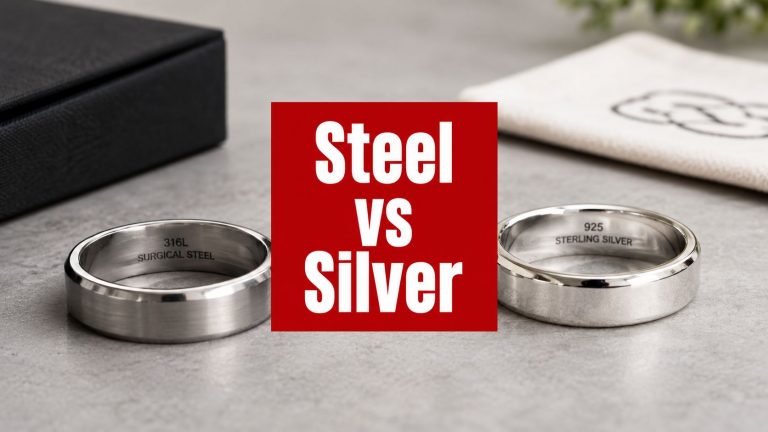
You’re pricing a new collection, and the sample tray is already split down the middle. The 316L surgical steel pieces look cleaner on cost and daily wear, the
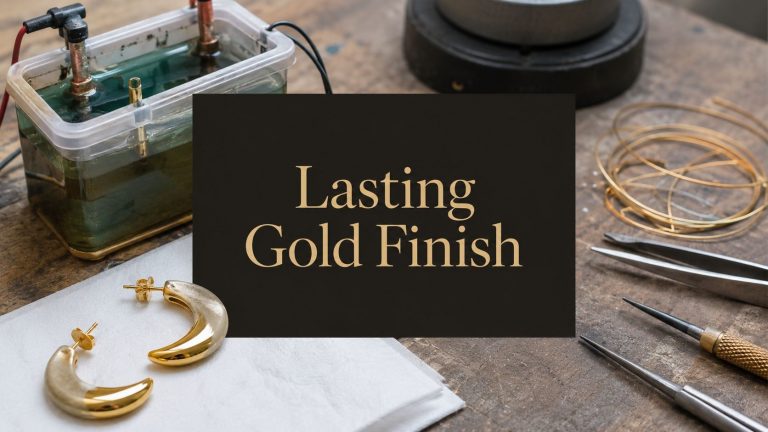
You probably have a launch already in motion, a supplier sample on your desk, and one uncomfortable question underneath it all, will this gold color still look clean
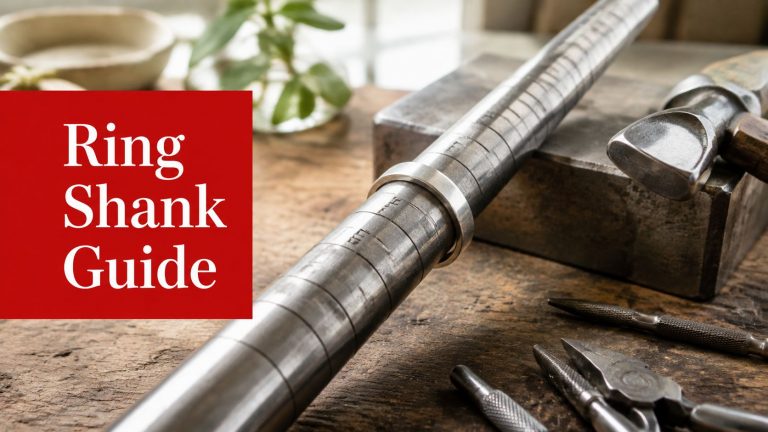
You’re refining a ring design, the stone looks right, the setting is approved, and the band still feels like a detail you can solve later. That’s where many