Why China Is Still the #1 Place for Jewelry in 2026
If you’re serious about margins, China is still the best place to buy jewelry wholesale online in 2026. The ecosystem is massive, fast-moving, and built for global buyers who want both low MOQ and brand-level quality.
Massive, Mature Jewelry Ecosystem
China’s jewelry manufacturing base covers every segment you can think of:
- Fashion / costume jewelry – alloy, acrylic, resin, rhinestones for TikTok/IG trends.
- 925 sterling silver jewelry – chains, rings, ear studs, charms, all compliant with global 92.5% standards.
- Gold-plated & gold vermeil – thick 14K/18K/24K plating on brass or 925 silver, ideal for mid-tier brands.
- Stainless steel & titanium – 304/316L steel, hypoallergenic, sweat-proof, perfect for men’s and unisex lines.
- Lab-grown diamond & moissanite jewelry – VS/VVS clarity, G–D color stones in silver or 14K/18K settings.
Because factories produce for Amazon, Shopify, Etsy, and offline chains at the same time, you get access to proven designs and up-to-date trends without paying “brand” markups.
Real Price Advantage: 40–80% Cheaper
When you import jewelry from China instead of buying from local wholesalers, this is what we consistently see:
- Costume jewelry:
- Local wholesale: $3–$6 per piece
- China factory: $0.80–$2.50 per piece
- 925 silver jewelry wholesale from China:
- Local: $15–$25 per ring/necklace
- China: $5–$12 for similar weight and plating
- Moissanite jewelry wholesale China:
- Local: $120–$200 per piece
- China: $55–$110 with certification
After adding shipping and import duties, most serious buyers still land 40–80% cheaper than domestic wholesale, and that’s before negotiating volume discounts.
Quick Buyer Results We’ve Seen
We’ve watched small retailers and new brands scale fast by buying from China jewelry suppliers 2026 instead of local middlemen:
- A US boutique ordered $3,000 of 925 silver + stainless steel from a Dongguan factory, landed cost around $4.50 per piece, retailing at $29–$49. The first batch sold out in 6 weeks, clearing over $10,000 revenue.
- A UK online brand started with low MOQ jewelry suppliers for moissanite engagement rings. Their first $2,500 order turned into a repeat monthly order once they hit steady 3x–4x markup.
- A European dropshipper using Alibaba jewelry wholesale and 1688 jewelry translations tested 30+ SKUs with small trial quantities and scaled only the 10 winning designs, cutting dead inventory to nearly zero.
If you know how to buy jewelry from China the right way—choosing the right category, verifying materials, and using safe payment and logistics—you can build a profitable jewelry line without massive upfront capital.
Types of Jewelry You Can Source from China in 2026
When people ask me how to buy jewelry from China, I always start with this: you can source almost any type of jewelry you see on Instagram, Etsy, or Amazon—at wholesale prices.
1. Fashion / Costume Jewelry (Mass Market)
If you sell trend pieces, TikTok styles, or impulse-buy items, China is still the best source.
- Materials: alloy, acrylic, resin, glass, faux pearls, rhinestones
- Pros: ultra-low cost, fast trend turnaround, huge design variety
- Good for: boutiques, impulse packs, upsells, subscription boxes
Typical wholesale range: $0.30–$3 per piece depending on complexity and plating.
2. 925 Sterling Silver & Gold Vermeil
If your customers care about quality and skin safety, 925 silver jewelry wholesale from China is a strong play.
- Materials: 925 sterling silver base, thick gold plating (gold vermeil), sometimes with CZ or gemstones
- Selling points: hypoallergenic, tarnish-resistant if plated well, works great for premium but affordable brands
- Use cases: minimalist brands, Etsy-style stores, permanent collections
You can pair silver bases with 14K/18K gold plating and build a mid- to high-end line without crazy costs.
3. Stainless Steel & Titanium Jewelry
For durability and everyday wear, I lean heavily on stainless steel jewelry factories in China.
- Benefits:
- Waterproof and sweat-resistant
- Won’t rust easily
- Great for men’s, unisex, and “wear-every-day” jewelry
- Types: chains, rings, cuffs, earrings, initials, religious pieces
If you’re unsure which material fits your market, compare the pros and cons of stainless steel vs. gold jewelry using guides like this stainless steel vs. gold jewelry breakdown.
4. Lab-Grown Diamond & Moissanite
China is now a major hub for moissanite jewelry wholesale and lab-grown diamond settings.
- Highlights:
- High brilliance, “diamond look” at a fraction of the price
- Certificates available for higher ticket items
- Good for: engagement-style rings, tennis chains, iced-out pieces, luxury-look collections
Average resellers use these for high-margin hero products in their store.
5. Custom / OEM Jewelry (Build Your Own Brand)
If you want your own brand, not just generic pieces, you’ll want custom jewelry manufacturers in China.
You can get:
- Custom logos, tags, and stamps
- Fully custom shapes and molds (rings, pendants, earrings)
- Your own color plating, stone sizes, and packaging
Many factories will take your sketch or reference image and turn it into product; some even support full custom design, like dedicated custom-designed earrings services similar to this custom earring development process.
This is where the real brand building (and higher pricing power) happens.
5 Proven Ways to Buy Jewelry from China (2026 Updated)
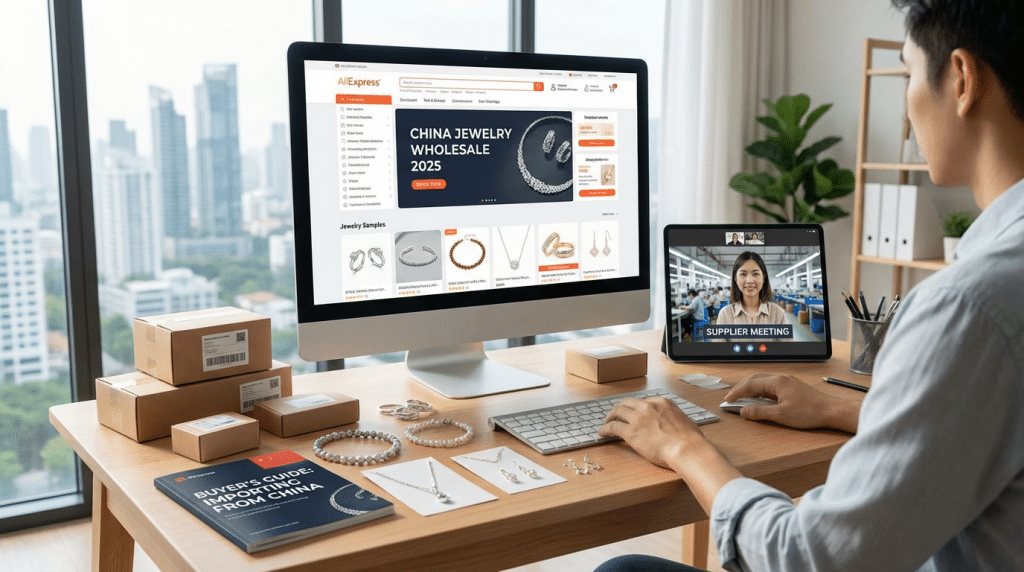
If you want to know how to buy jewelry from China in 2026 without burning time or money, these are the only five channels I’d seriously use.
1. Online B2B Marketplaces (Alibaba, Made‑in‑China, Global Sources)
For most buyers, this is where I’d start.
Best for: New brands, small retailers, testing products, dropshippers.
What works well here:
- Alibaba jewelry wholesale: thousands of China jewelry suppliers 2026 with filters for MOQ, material (925 silver, stainless steel, moissanite), certifications.
- Use Trade Assurance and secure payment to reduce risk.
- Compare 10–20 suppliers fast, then narrow to 3–5 for samples.
Tips:
- Filter for verified manufacturers, not just trading companies.
- Always compare price vs. specs (material purity, plating thickness, stone grade).
2. Direct from Factory Websites & Catalogs
Once you know what you want, buying direct from a jewelry manufacturer is usually cheaper and more stable.
Best for: Brands that care about quality control, long‑term supply, and OEM jewelry manufacturer China services.
What I like here:
- More flexible with custom jewelry and low MOQ jewelry suppliers if you’re serious.
- Clearer control over plating, stones, and packaging.
- Faster communication once you build a relationship.
For example, we use our own site to handle custom design requests and OEM projects; you can see how a proper factory positions this on a page like a jewellery manufacturer for custom designs style setup (similar in structure to: https://www.honhojewelry.com/jewellery-manufacturer-for-custom-designs/). That’s how you know the factory is actually set up for branding work, not just random wholesale.
3. Chinese Wholesale Apps & Platforms (1688, Taobao Wholesale, DHgate)
If you’re chasing bottom‑line cost, this is where most Chinese domestic buyers go.
Best for: Experienced importers, people who can handle Chinese interfaces, aggressive price hunters.
Channels:
- 1688 jewelry (English via browser translation) – closest to Chinese factory pricing.
- Taobao wholesale – good for testing trendy fashion jewelry in small batches.
- DHgate – easier for global buyers, but mixed quality and more middlemen.
Key point:
- Expect cheaper prices but more work: language, payment, logistics, and quality control are on you.
4. Yiwu International Trade Market (Offline + Online Agents)
Yiwu is still the world’s big box of wholesale jewelry from China.
Best for: Variety stores, gift shops, fashion retailers, and anyone needing a huge SKU range at low price.
How to use Yiwu smartly:
- Visit in person if you can: touch the quality, negotiate on the spot.
- If you can’t, work with a Chinese jewelry sourcing agent who lives in Yiwu.
- Many agents now offer Yiwu jewelry market online video calls and do live showroom walks.
You win here on:
- Massive variety
- Very low prices
You lose if you don’t control quality or packaging specs properly.
5. Sourcing Agents & Trade Shows (Hong Kong, Shenzhen, etc.)
If you’re building a real brand and planning repeat orders, this is worth it.
Best for: Established brands, e‑commerce stores doing steady volume, distributors.
Options:
- Hong Kong Jewellery & Gem Fair, Shenzhen shows: meet custom jewelry manufacturers China, 925 silver jewelry wholesale China factories, and stainless steel jewelry factory China suppliers face‑to‑face.
- Sourcing agents: they find suppliers, negotiate, follow production, and arrange shipping for you.
Why it works:
- Better prices once you hit volume.
- Faster problem solving when something goes wrong.
- Easier to develop OEM / private label lines, custom molds, and brand packaging.
If you prefer a more guided approach, follow a clear buying flow like the one laid out in specialized guides on how to buy jewelry from China safely and step by step (structured similar to: https://www.honhojewelry.com/how-to-buy-jewelry/). This kind of framework keeps you from overpaying or picking the wrong supplier channel.
How to Find Legitimate & Verified Jewelry Suppliers in China
When you buy jewelry from China in 2026, your profit depends on one thing: picking the right supplier. Here’s exactly what I check before sending a single dollar.
1. Use Platform Badges the Right Way
On Alibaba / Global Sources / Made-in-China, I only take suppliers seriously if they have:
- Gold Supplier (or Verified Supplier)
Shows they’re paying members and have passed basic company verification. Not a guarantee, but a minimum filter. - Trade Assurance (Alibaba)
Lets you pay through the platform with order protection for quality and delivery time. For first orders, I strongly prefer this. - On-site Check / Verified Factory
Third-party has physically checked their office/factory and licenses. This dramatically lowers scam risk.
These badges don’t replace due diligence, but they help you quickly weed out the worst players.
2. How to Read Factory Audit Reports (SGS, BV, TUV)
If a jewelry supplier shares an audit report from SGS, Bureau Veritas (BV), TUV, or similar, focus on:
- Business license & legal name – must match the company on the contract and bank account.
- Factory type & capacity – in-house production vs. trading, monthly output, number of workers.
- Main products & processes – make sure jewelry is their core category, not a side-line.
- Quality systems – look for ISO9001, plating thickness checks, lead/nickel/cadmium testing.
- Photos & equipment – casting, polishing, plating lines, QC stations.
If you’re new to jewelry, it helps to review a broader jewelry manufacturer overview like this guide on working with a jewelry manufacturer in China so you know what a real factory setup looks like.
3. 7 Red Flags of Scam or Risky Suppliers
I walk away fast if I see any of these:
- Prices far below market (e.g., “925 silver” priced like cheap alloy).
- No company email or website, only WhatsApp/WeChat, and they refuse video calls.
- Bank account in a different personal name or different country than the Chinese company.
- They avoid Trade Assurance / PayPal, push only 100% T/T upfront.
- Inconsistent product details – 925 silver in title, but brass in description or invoice.
- Refuse to show business license, factory photos, or live video around the workshop.
- Bad communication – vague answers, no clear MOQ, no clear lead time, pushy to close fast.
If 2–3 of these show up together, I don’t risk it.
4. Recommended Supplier Spotlight: Dongguan HonHo Jewelry
One supplier that consistently ticks the boxes for me is Dongguan HonHo Jewelry:
- 10+ years OEM/ODM jewelry experience exporting to US/EU markets.
- Own plating factory, which is a big deal for stable color, thicker plating, and better allergy control.
- Low MOQ options for 925 silver and stainless steel, suitable for new brands testing designs.
- Strong customization capability – spinning rings, fidget styles, pavé settings, and branded details.
- Clear quality explanations on stones and materials, like this essential guide to cubic zirconia in jewelry.
I treat them as a benchmark: if another supplier can’t match their clarity on materials, plating specs, and MOQ, I move on.
Step-by-step: How to buy jewelry from China in 2026
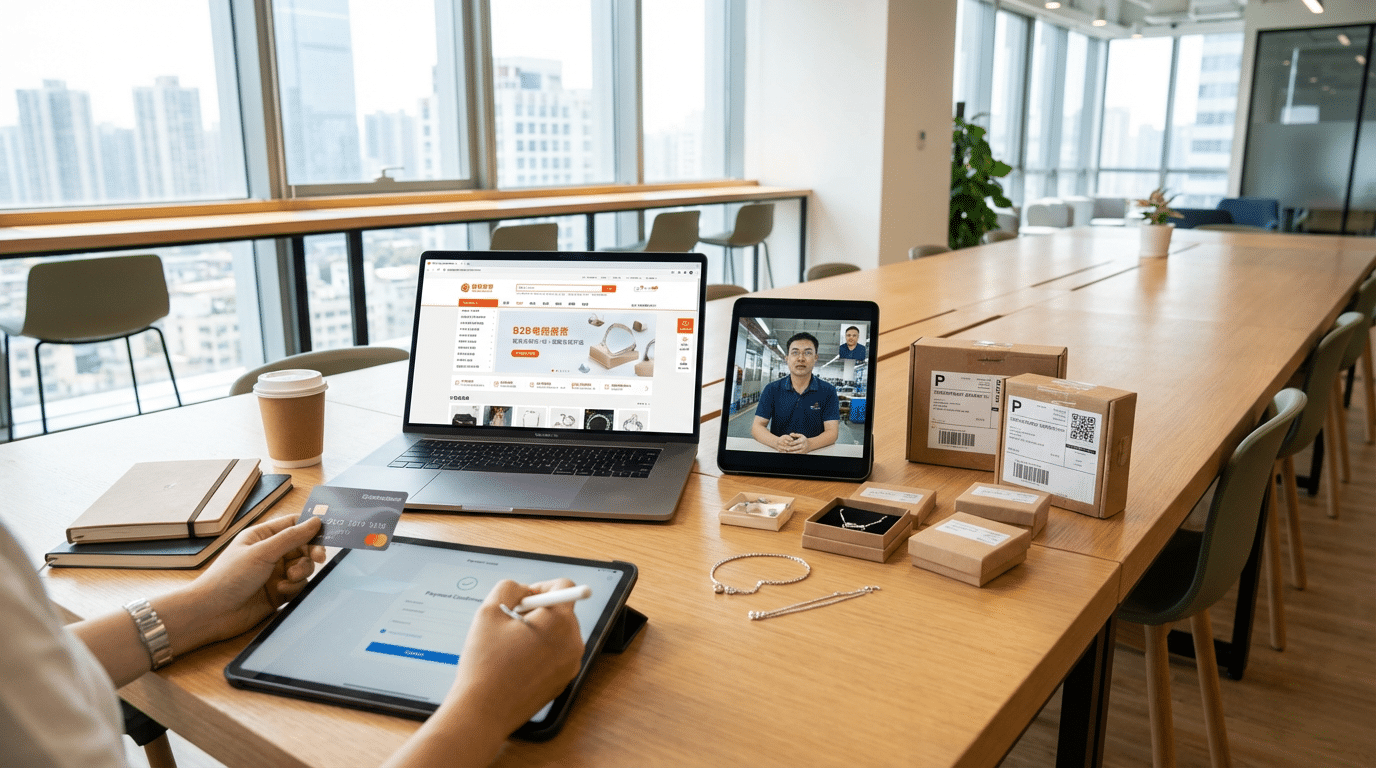
1. Define your product specs and target price
Before you message any China jewelry suppliers, lock in your basics:
- Type: costume, 925 silver, stainless steel, moissanite, gold plated, etc.
- Category: chains, rings, earrings, bracelets, anklets, sets.
- Material & plating: 925 silver, 316L stainless steel, brass + 18K/14K/24K gold plating, rhodium, PVD, etc.
- Color & finish: gold/silver/rose gold, shiny, matte, brushed, hammered.
- Sizes: ring sizes, chain lengths, thickness (e.g. 3mm–8mm; see typical options in this breakdown of types of chains and sizes).
- Logo & branding: logo stamp, custom tag, packaging.
- Target price:
- Set a landed target price (product + shipping + duty) and a target retail price.
- Reverse-calc what you can pay the supplier (usually 20–30% of retail for wholesale).
Write this down in a simple 1–2 page PDF or Google Doc to send to suppliers.
2. Shortlist 10–15 jewelry suppliers
Use platforms like Alibaba, 1688 (through an agent), Global Sources, or direct factory sites:
- Filter by:
- Years in business (5+ years is safer)
- Main products: e.g. 925 silver jewelry wholesale China, stainless steel jewelry factory China
- Certifications & audits
- Build a shortlist of 10–15 suppliers that can make exactly what you want.
- Aim for a mix: 2–3 “top pick” factories, 3–5 backups, a couple of wildcards with very strong pricing.
3. Request quotes and samples (what they really cost in 2026)
Send the same RFQ (request for quotation) to every supplier:
- Include your spec sheet, rough photos, and your target price range.
- Ask for:
- Unit price at different MOQs (e.g. 50/100/300 pcs)
- Sample price + shipping
- Lead time for samples and mass production.
Sample cost in 2026 (typical):
- Costume / stainless steel: $10–$30 per design
- 925 silver / vermeil: $20–$60 per design
- Moissanite / lab-grown: often $50–$150+ per piece
- Many factories will refund sample cost on bulk order if you ask.
Always send sample payments via secure methods (PayPal, Alibaba Trade Assurance, or platform escrow).
4. Verify samples in hand
Once samples arrive, check them like a customer would:
- Look & feel: weight, shine, polishing, clasp smoothness.
- Plating quality: no obvious discoloration, pinholes, or rough spots.
- Stone setting: are stones straight, tight, no glue visible?
- Logo & engraving: correct spelling, depth, clarity.
- Allergy / wear test: wear for a few days; watch for fading or irritation on skin.
Compare all suppliers side by side and rank them on:
- Quality
- Communication speed / clarity
- Flexibility on MOQ and customization
- Final cost vs. perceived value
5. Negotiate MOQ, pricing, and payment terms
Once you know your top 2–3 suppliers:
- MOQ (minimum order quantity):
- Ask for test MOQs (e.g. 30–50 pcs per design) especially for new collections.
- You can often negotiate a lower MOQ with a slightly higher unit price for the first order.
- Pricing:
- Negotiate based on total order amount, not just per piece.
- Use volume breaks: “If I order 300 pcs instead of 100, what’s the best price?”
- Payment terms (for first orders):
- Standard is 30% deposit, 70% before shipment via T/T.
- Some allow PayPal or Trade Assurance for small trial orders.
Keep everything confirmed in one clear PI (proforma invoice): specs, quantity, unit price, payment term, lead time.
6. Place a small trial order with safe payment
Never start with a huge order from a new China jewelry supplier. For your first run:
- Place a trial order around $1,000–$5,000 depending on budget.
- Use safe payment methods in this order:
- Alibaba Trade Assurance (escrow, order protection)
- PayPal (Goods & Services) for small orders
- T/T bank transfer 30/70 to the company account (not personal)
- Avoid: Western Union, MoneyGram, crypto for first-time suppliers.
Only pay the final 70% after you confirm QC / inspection results.
7. Quality control & inspection options
For jewelry, small defects kill your brand. Use at least one of these:
- Photo & video confirmation:
- Ask factory to send HD videos and close-up photos of bulk goods.
- Third-party inspection (recommended over $2,000 orders):
- Companies like QIMA, SGS, etc. can do during-production (DPI) and pre-shipment inspection (PSI).
- Inspection cost is usually $120–$300 per man-day in China.
- AQL standard:
- Agree on AQL 2.5 / 4.0 for visual defects and function.
Make it clear what counts as critical / major / minor defects (e.g. stones missing = critical, small scratch inside clasp = minor).
8. Shipping and customs clearance
Once quality is approved, confirm shipping:
Shipping options:
- Express (DHL / FedEx / UPS):
- Best for small, urgent jewelry shipments (5–100 kg).
- Typical transit: 3–7 days worldwide.
- Air cargo via forwarder:
- Cheaper per kg than express for larger shipments.
- Sea or rail:
- Best for big restock orders; slow but lowest cost.
Ask your supplier or freight forwarder:
- Best HS code for your products (e.g. 7117 for fashion jewelry, 7113 / 7114 for precious metals – varies by exact item).
- Estimated duty and tax in your country (US, EU, UK, Canada, Australia all have different rates).
- If you’re new, use DDP (Delivered Duty Paid) options where the forwarder handles customs for you.
Get the tracking number, packing list, and commercial invoice, and keep all documents for your importer records.
Follow this exact process every time you buy jewelry wholesale online from China. Once you find 1–2 reliable OEM jewelry manufacturers, the whole thing becomes faster, cheaper, and way more predictable.
Understanding MOQ, Pricing & Payment in 2026
When you buy jewelry from China in 2026, you need to fully understand MOQ, real pricing structure, and safe payment methods. That’s where most new buyers lose money.
Typical MOQ Ranges by Jewelry Material
Different materials = different MOQs (minimum order quantities):
- Fashion / costume jewelry (zinc alloy, brass)
- MOQ: 100–300 pcs per design/color
- Best for: Trendy collections, low-price items, impulse buys
- 925 sterling silver jewelry
- MOQ: 30–100 pcs per design
- Some serious OEM factories (like ours) may offer low MOQ for tests, especially on best-seller shapes
- Stainless steel / titanium jewelry
- MOQ: 50–200 pcs per design
- Great for custom logo, permanent collections, men’s jewelry
- Gold-plated / gold vermeil
- MOQ: 30–100 pcs, but higher price per piece
- Often tied to plating color (18k, 14k, rose, etc.)
- Moissanite / lab-grown diamond
- MOQ: 1–10 pcs per style for rings, pendants, tennis chains
- More flexible MOQs, but higher sample cost and tighter QC
Real Price Breakdown: What You’re Actually Paying For
When you see a quote like “$3.50/pc for 925 silver ring,” it usually includes:
- Material cost
- Silver, stainless steel, brass, moissanite, CZ stones, etc.
- Labor
- Design, CAD, mold, casting, stone setting, polishing, assembly
- Plating & surface treatment
- 14k/18k gold plating thickness (e.g., 0.03–2.5 microns), PVD plating for stainless steel, e-coating
- Factory margin
- Normally 10–30% for regular wholesale jewelry from China
- Hidden extras (ask clearly!)
- Packaging (OPP bag vs. custom box)
- Logo stamp & laser engraving
- Mold fee (one-time) for custom jewelry manufacturers in China
Always ask suppliers to split the quote so you know:
- Base metal price
- Plating upgrade cost (e.g., normal vs. thick vermeil)
- Stone upgrade cost (CZ vs. moissanite)
This is how I control cost when I work with any OEM jewelry manufacturer in China or in Thailand, especially for higher-end pieces like those covered in this guide to personalized jewelry manufacturers.
Safe Payment Methods (Best → Worst in 2026)
Ranked by buyer protection when you buy jewelry wholesale online:
- Alibaba Trade Assurance
- Strong dispute system, ideal for first orders with new China jewelry suppliers 2026
- PayPal (Goods & Services)
- High fees, but good chargeback protection for samples and small trial orders
- Credit Card via Secure Gateway
- Good for small orders, some platforms support it natively
- Letter of Credit (L/C)
- Safe for big orders ($20k+), but more complex and bank-heavy
- Bank Transfer T/T with deposit (30% deposit, 70% before shipment)
- Standard for serious long-term buyers
- Safe only if supplier is verified and you’ve done samples + inspections
- Western Union / MoneyGram / crypto to personal account
- Avoid for bulk orders; almost no protection if something goes wrong
My usual setup when I import jewelry from China to USA or EU:
- Samples: PayPal or Trade Assurance
- First small bulk order: Alibaba Trade Assurance or PayPal (part)
- Repeat orders: 30% T/T deposit, 70% balance after inspection, using a trusted factory account
If you negotiate MOQ, pricing, and payment terms clearly from the start, your cost per piece stays predictable and your risk stays low—even when you scale your Alibaba jewelry wholesale or 1688 jewelry sourcing to the next level.
Shipping, Duties & Taxes Explained (2026)
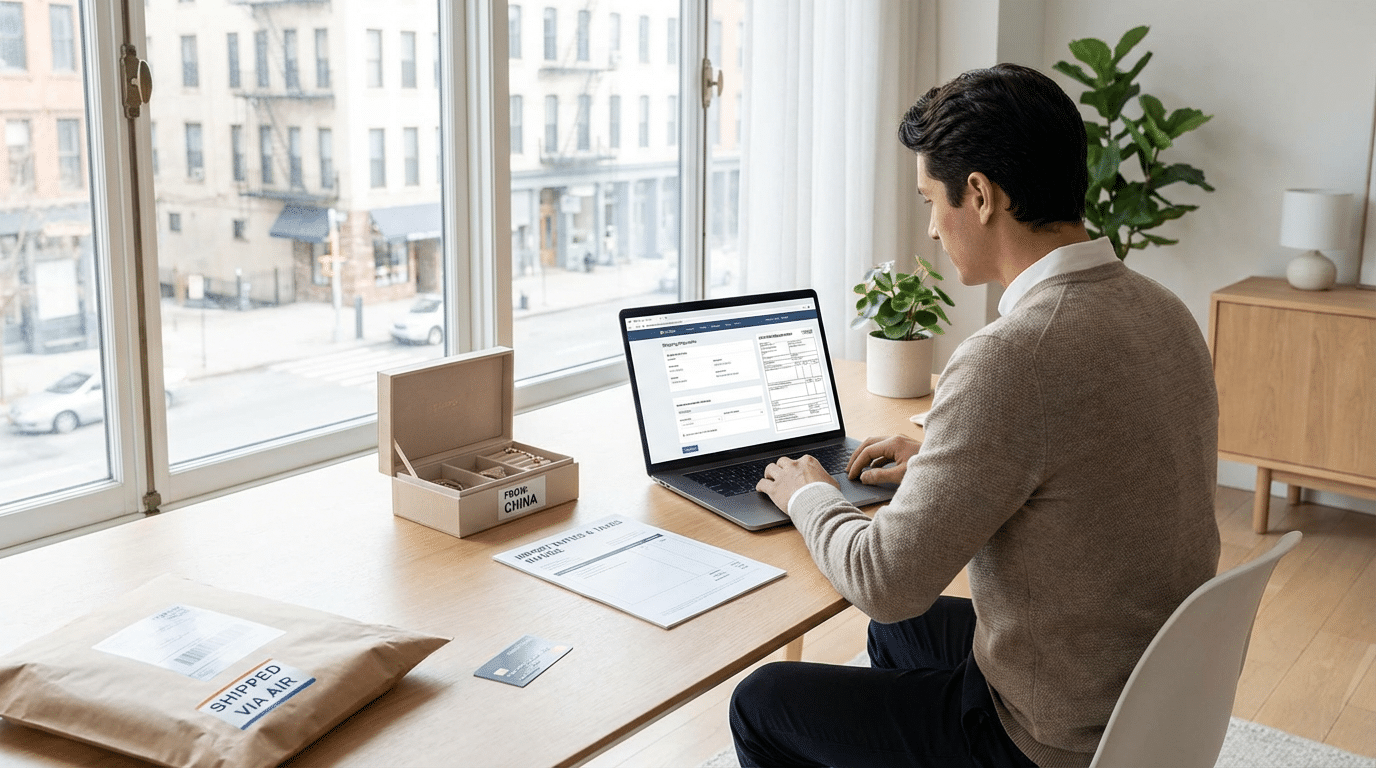
When you buy jewelry from China, your real cost is product + shipping + duty + tax. If you don’t run these numbers up front, your profit can vanish fast.
Express vs. Sea vs. Rail (what to use when)
Express (DHL / FedEx / UPS)
- Best for: small jewelry orders, samples, urgent launches
- Transit time: 3–7 days to US/EU/UK/Canada/Australia
- Pros: Fast, door-to-door, customs handled by carrier
- Cons: Highest cost per kg, big jumps once box is >20–30 kg
Sea freight (LCL / FCL)
- Best for: bulk wholesale jewelry from China, restocks, stable sellers
- Transit time: 25–45 days (port to port)
- Pros: Cheapest per unit once shipment is >1–2 m³
- Cons: Slower, more paperwork, need a freight forwarder
Rail (mainly China → EU/UK)
- Best for: Mid-volume orders where air is too expensive, sea is too slow
- Transit time: 15–25 days
- Pros: Middle ground on speed and cost
- Cons: Route-limited, usually through a forwarder (not for tiny orders)
New e‑commerce shipping lines (YunExpress, 4PX, Cainiao)
For cross‑border jewelry dropshipping or small DTC brands, I often use special e‑commerce lines:
- YunExpress, 4PX, Cainiao, UBI, etc.
- 7–15 days to major countries
- Lower rates than express, better tracking than regular post
- Often DDP (Delivered Duty Paid): tax & duty prepaid and rolled into the shipping fee
Ask your supplier or freight forwarder:
“Can you quote DDP to my country for jewelry? Final cost to my doorstep?”
HS codes for jewelry (you must get these right)
Your HS code decides your import duty rate. Common ones I use:
- Costume / fashion jewelry (imitation):
- HS 7117.19 / 7117.90 (exact sub‑code varies by country)
- 925 silver jewelry:
- HS 7113.11 (articles of silver, whether or not plated)
- Gold‑plated base metal:
- HS 7117.x or sometimes 7113.x depending on value and base
- Stainless steel / base metal jewelry:
- Mostly 7117.19 / 7117.90
- Lab‑grown diamond / moissanite jewelry:
- Finished jewelry: 7113.x
- Loose stones: 7104.x / 7105.x (check with broker)
Always confirm the exact code with a local customs broker. One wrong digit can double your duty.
How to calculate import duty (US, EU, UK, Canada, Australia)
The logic is similar everywhere:
Landed cost = Product value + Shipping + Insurance (if declared)
Duty = Landed cost × duty rate
Tax (VAT/GST) = (Landed cost + duty) × VAT/GST rate
United States
- Duty for most fashion jewelry: around 5–13% (HS 7117)
- 925 silver / gold jewelry: often free–5.5% depending on HS code
- No federal VAT, but some states charge sales tax on arrival (if using a US partner/3PL)
European Union
- Duty: usually 2–4% for most jewelry
- VAT: ~17–27% depending on the country (e.g., 19% DE, 20% FR)
- For DTC: I often ship DDP so the customer pays nothing on delivery
United Kingdom
- Duty: typically 2–4%
- VAT: 20%
- For low‑value parcels, some lines collect VAT at checkout and remit to HMRC
Canada
- Duty: often 0–8.5% depending on material and HS code
- GST/HST: 5–15% depending on the province
Australia
- Duty: many jewelry items are around 0–5%
- GST: 10% (applied on CIF + duty)
- For B2C, marketplaces often collect GST on checkout if turnover > AUD 75k
Practical tips so you don’t lose money on shipping & tax
- Always ask suppliers for 2 quotes:
- EXW/FOB (product only)
- DDP all‑in price to your address
- For higher‑value items like gold vermeil or moissanite, a few grams per piece can justify paying more for faster, safer shipping. If you’re doing this type of line, consider using a specialized gold vermeil jewelry manufacturer that already understands HS codes and plating standards.
- Build a simple spreadsheet: plug in FOB price + shipping + duty + tax, and make sure your profit per piece still works at your planned retail price.
Once you know your true landed cost, scaling is way less stressful—you can push volume, negotiate better rates, and protect your margins from surprise charges.
How to Avoid Scams & Bad Quality When You Buy Jewelry from China
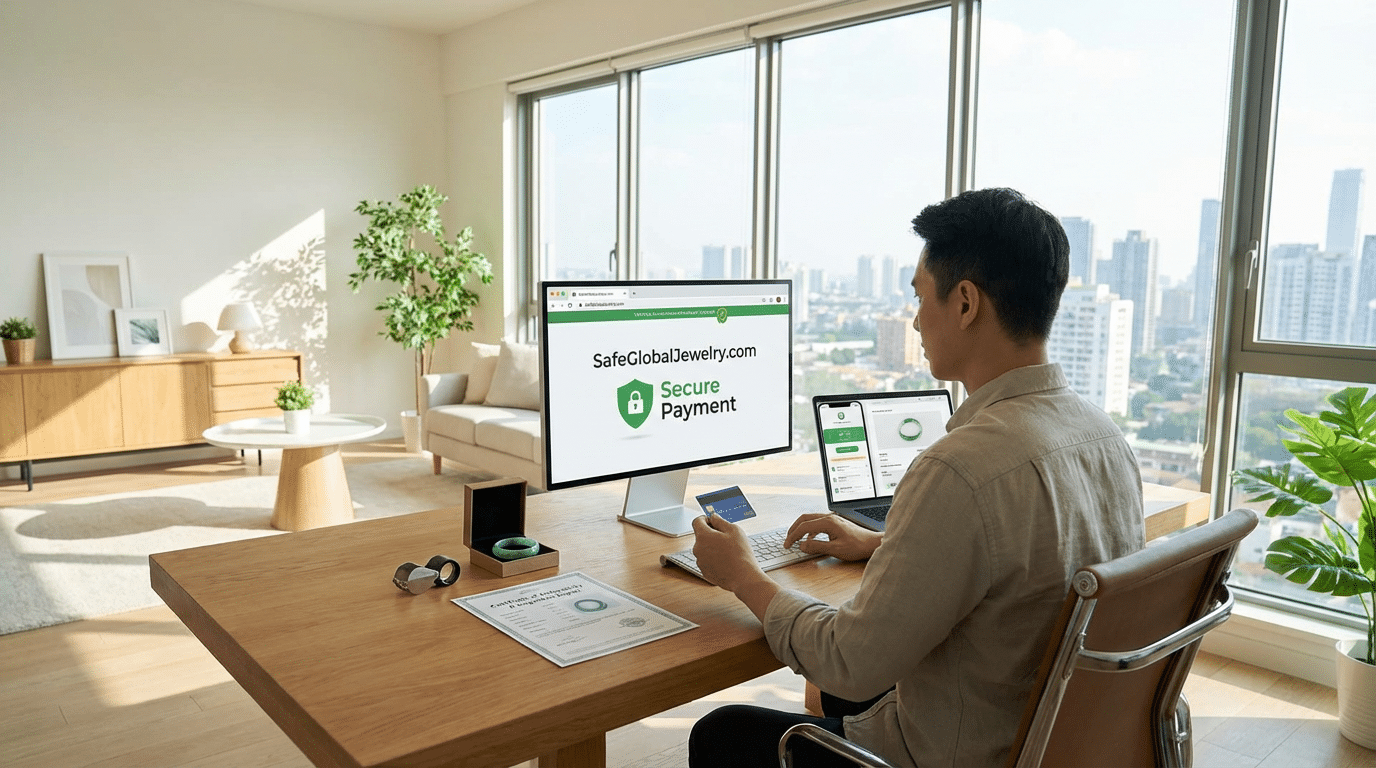
If you’re asking how to buy jewelry from China safely in 2026, this is the part you can’t skip. Good profit means nothing if the supplier scams you or ships junk.
Most common jewelry scams in 2026
Watch out for these when buying wholesale jewelry from China:
- Fake material claims
- “925 silver” that’s just plated brass
- “Stainless steel” that rusts in weeks
- “Moissanite” that’s actually CZ or glass
- Bait‑and‑switch
- Perfect samples → mass order with thinner plating, lighter weight, weaker stones
- Different clasp, lower grade stones, cheaper chain used in bulk
- No real company / stolen photos
- Only WhatsApp/WeChat, no business email or website
- Factory photos and certificates clearly copied from other sites
- Hidden fees after deposit
- Extra “mold fee”, “packaging fee”, “plating upgrade” suddenly added
- Holding your goods until you pay more
- Bad plating and color fading
- 18K gold color turns yellow or fades in 1–2 months
- Nickel irritation because they used the cheapest base
If a price is 50–70% cheaper than other serious China jewelry suppliers, assume corners are being cut.
Use third‑party inspection companies (AsiaInspection, QIMA, etc.)
I don’t place serious orders without an independent check. For most importers, this is the cheapest insurance you’ll ever buy.
Trusted inspection providers for jewelry:
- QIMA (ex-AsiaInspection) – very strong on fashion and 925 silver jewelry inspection
- SGS / BV / TUV – more corporate, but also do product checks
- Many local China QC firms – cheaper, but vet them carefully
What they can do for your order:
- Check materials & markings (925 stamp, stainless steel grade, plating thickness claim)
- Measure product specs (weight, size, stone size/clarity vs. spec)
- Functional check (clasps, chains, earrings backs, stones not loose)
- AQL sampling – test a random batch, not just the “good ones” factory shows you
- Packaging & label check – make sure branding and barcodes are correct
Cost: usually $120–$300 per inspection for most jewelry orders, depending on location and scope. If you’re selling sterling silver, this is nothing compared to one bad batch. For deeper insight into how real production works, you can look at a full breakdown of the jewelry manufacturing process we use in-house.
Pre‑shipment vs. during‑production inspection
Use both if your order value is high or your brand reputation matters.
During‑production (DUPRO) inspection – 20–60% finished
Best for:
- Catching problems early (wrong color, wrong stones, wrong stamp)
- Stopping the factory from mass‑producing defects
- Checking if plating, setting, polishing match your approved samples
When to use:
- Large orders (e.g., $3,000–$50,000+)
- New supplier or new design
- Complex custom/OEM jewelry
Pre‑shipment inspection – 80–100% finished, before final payment
Non‑negotiable for:
- Verifying quantity, quality, packing
- Making sure bulk goods match your approved samples
- Confirming barcodes, logos, and gift boxes are correct
How I usually set it up:
- Put this in your PI/contract:
- “Balance payment only after passed pre-shipment inspection by [QIMA/SGS/etc.].”
- Give the inspector:
- Your approved samples
- Your spec sheet (material, plating µm, colors, stones, packaging)
- Your AQL standard (e.g., AQL 2.5 / 4.0)
If a factory refuses any inspection or tries to rush you to skip it, that’s a red flag. With good suppliers, inspection is standard practice and they’re confident to pass.
Case study: how to buy jewelry from China – my $3,000 first order with Dongguan HonHo Jewelry
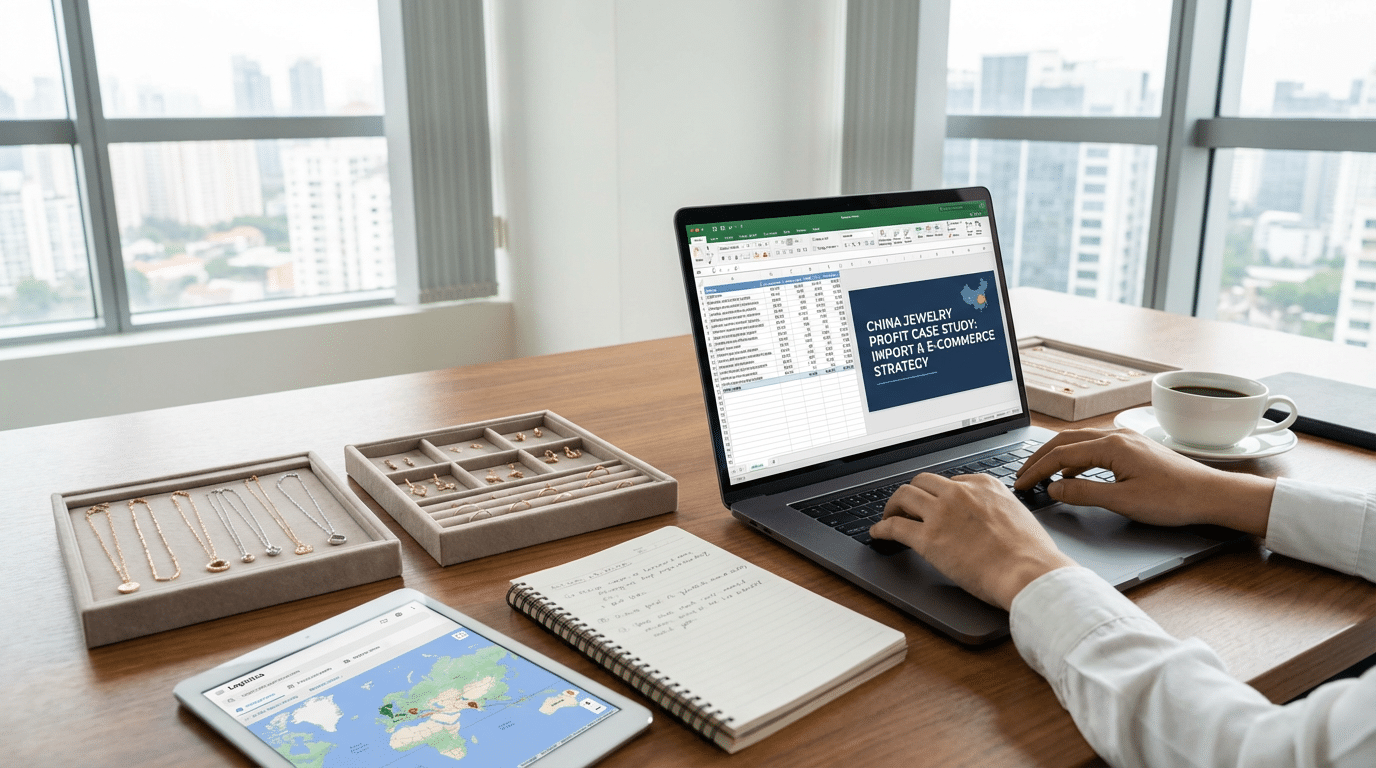
Here’s exactly how my first test order with Dongguan HonHo Jewelry played out and why I still work with them.
Order setup (week 1)
- Product mix:
- 120 pcs 925 sterling silver rings
- 80 pcs gold vermeil necklaces
- 150 pcs stainless steel earrings
- Target market: US & UK boutique online stores
- Budget: $3,000 landed (products + shipping)
I shared clear specs, plating thickness, logo engraving, and packaging requirements. HonHo sent their catalog, plus a few custom tweaks based on my brand moodboard. Their background as a long-term custom jewelry manufacturer in China made it easy to lock in details fast.
Numbers that actually matter
Factory quote (EXW):
| Item | Qty | Unit Price (USD) | Total |
|---|---|---|---|
| 925 silver rings | 120 | $7.20 | $864 |
| Gold vermeil necklaces | 80 | $11.50 | $920 |
| Stainless steel earrings | 150 | $3.10 | $465 |
| Mold & logo setup (one-time) | – | – | $180 |
| Branded boxes & cards | – | – | $210 |
| Product subtotal | – | – | $2,639 |
- Shipping (DHL express to USA + UK): $310
- Import duty & taxes (blended): ~$180
- Total landed cost: $3,129
(Slightly over my target, but the branding add-ons were worth it.)
Timeline from idea to inventory
- Day 1–3: Supplier vetting, catalog review, quote negotiation
- Day 4–7: Sample production + photos, then express shipping of 8 master samples
- Day 8–11: I checked quality, confirmed sizes, plating color, and logos
- Day 12: Placed bulk order (30% deposit via T/T)
- Day 12–26: Production + internal QC + packaging
- Day 27–31: Final payment + DHL shipping + customs clearance
- Day 32: Stock live and ready to sell
From first message to inventory on hand: about 1 month.
Selling price & profit margin
I used a simple, realistic formula based on my total landed cost, in line with standard wholesale jewelry pricing:
- Average landed cost per piece:
350 pcs / $3,129 ≈ $8.94 each - Average retail price:
- 925 silver rings: $39–$45
- Gold vermeil necklaces: $55–$69
- Stainless steel earrings: $22–$29
- Blended average selling price: ≈ $38 per piece
Sell-through of first batch:
- Sold 290 out of 350 pcs in the first 60 days
- Revenue: 290 × $38 ≈ $11,020
- Cost of goods (for 290 pcs): 290 × $8.94 ≈ $2,593
- Ad spend, fees, misc: ≈ $2,100
- Net profit from the first 290 pcs: ≈ $6,327
Even after holding 60 pcs as slow movers, the first order returned just over 200% ROI on product cost.
Why I kept scaling with this China jewelry supplier
- Stable quality: Plating thickness and color matching were consistent across SKUs.
- Low, flexible MOQ: I started most designs at 30–50 pcs per style, not 200+.
- Fast reorders: Once molds and packaging were done, reorders shipped in about 15–18 days.
- Smooth communication: Same contact for OEM customization, pricing, and logistics.
If you’re learning how to buy jewelry wholesale online and want to test China suppliers with limited risk, a $2,000–$3,000 mixed-material trial order with a factory like Dongguan HonHo Jewelry is more than enough to validate designs, pricing, and demand without overstocking.
Bonus Tips for Scaling Your Jewelry Business
1. Create Your Own Brand Packaging in China
If you want real margins and repeat customers, your branding has to show up before the box is even opened.
When you talk to China jewelry suppliers, ask them about:
- Custom boxes & pouches
- Branded jewelry boxes (logo embossing, foil stamping)
- Velvet / suede / PU leather pouches
- Earring cards, necklace cards, care cards
- Low MOQ packaging
- Many packaging factories now offer 100–500 pcs MOQ
- Bundle packaging with your jewelry orders to save on shipping
- Cost ranges (rough global average)
- Simple logo boxes: $0.20–$0.60/pc
- Premium magnetic boxes with insert: $0.70–$1.50/pc
- Pouches / cards: $0.05–$0.30/pc
If your supplier is a full-service OEM jewelry manufacturer, they can often handle factory-direct jewelry manufacturing and packaging together so you don’t have to coordinate multiple vendors. For example, I work with partners who offer custom metal and packaging under one roof to keep branding consistent and logistics simple.
2. Use Trend Forecasting to Pick Winning Styles
To keep selling, you must stay 3–6 months ahead of local trends. Here’s what actually works in 2026:
- Global platforms
- Pinterest, Instagram, TikTok: search “jewelry trends 2026”, “ear stack”, “minimalist jewelry”
- Etsy & Amazon: bestsellers by category (925 silver, moissanite, stainless steel)
- Professional trend sources
- WGSN / Trendstop (paid, but worth it for bigger brands)
- Fashion weeks and KOLs in US/EU/Korea
- From your China jewelry suppliers
- Ask factories to send monthly new-arrival catalogs
- Good OEM jewelry manufacturers in China watch 1688, Taobao, and Korean/Japanese markets daily and know what’s moving in volume
I always shortlist 10–20 “test styles” per month, launch small, and double down on the ones that convert within 30 days.
3. Negotiate Repeat Order Discounts & VIP Terms
Your first order proves you’re serious. Your second and third orders are where you start getting real leverage.
When you reorder from wholesale jewelry suppliers in China, push for:
- Price breaks based on volume
- Example:
- 50 pcs/sku – base price
- 100 pcs/sku – 3–5% discount
- 300+ pcs/sku – 5–10% discount
- Example:
- VIP terms you should ask for by name
- Priority production slot for peak seasons
- Free logo stamping or free mold fee after X orders
- Better plating (e.g., upgrade from 0.03 to 0.05 micron) at same price
- Free or discounted samples for new collections
- Payment flexibility over time
- Start: 30% deposit / 70% before shipment
- After 3–5 smooth orders: ask for 20% deposit, 80% after inspection, or small open-credit terms
Suppliers want stable, long-term buyers. If you order consistently, communicate clearly, and pay on time, you’ll quickly move into their VIP client list, which means better prices, faster deliveries, and access to new designs before everyone else.
Surgical Steel vs Sterling Silver: Buyer Guide
You’re pricing a new collection, and the sample tray is already split down the middle.
How to Gold Plated Jewelry the Right Way for Lasting Color
You probably have a launch already in motion, a supplier sample on your desk, and
What Is a Shank on a Ring: Guide to Design & Durability
You’re refining a ring design, the stone looks right, the setting is approved, and the