How to Start a Jewelry Business Step by Step Guide
Last updated: October 17, 2026
Admin
Table of Contents
Define Your Jewelry Niche & Brand Vision
If you’re asking “Where do I even start with a jewelry brand?” — you start here. Before logos, websites, or manufacturers, you need a clear niche and vision.
Pick Your Main Jewelry Niche
Don’t try to sell everything to everyone. Choose one core lane first:
Trendy minimal 925 silver jewelry
Thin bands, tiny hoops, stacking rings
Perfect if your audience loves everyday, under-$100 pieces
Bold statement jewelry
Chunky chains, oversized earrings, unique shapes
Great for fashion-forward, social media–driven buyers
“My brand sells minimal 925 sterling silver jewelry to 22–32-year-old women in the US and EU who want timeless, affordable pieces they can wear daily to work and on weekends.”
The clearer this is, the easier it is to design and market pieces they’ll actually buy.
Clarify Your USP and Brand Story
Ask yourself: Why should someone choose my jewelry brand over hundreds of others?
Your USP (unique selling proposition) can be based on:
Material focus: 925 sterling silver, hypoallergenic, nickel-free
Make sure your designs, photos, packaging, and pricing all align with this position. If you look luxury but price like budget, or vice versa, you’ll confuse buyers.
Your next step: Write a one-page brand snapshot: niche, ideal customer, USP, short story, and price level. This becomes your filter for every decision you make next.
Market Research & Validation for Your Jewelry Business
If you want to start a jewelry business from home and actually make sales, you can’t skip market research. I keep this stage lean and data-driven so I don’t waste money on styles nobody wants.
Spot Jewelry Trends Fast
Use these platforms as real-time trend radars:
Google Trends – Search terms like “925 sterling silver jewelry”, “minimalist necklace”, “chunky gold hoops”, “childrens jewelry”.
Check: rising keywords, seasonality, top countries.
Branding – Logo, colors, tone of voice, brand story, packaging.
Reviews – What customers love, what they complain about (tarnish, allergies, quality, shipping, packaging).
Use this to spot gaps: maybe everyone sells minimal 925 silver but nobody is doing ethical kids jewelry or bold statement pieces with hypoallergenic stainless steel.
If you’re planning to work with manufacturers, it’s worth checking lists of top Chinese jewelry factories such as the ones in Dongguan that specialize in 925 silver and custom work; start by reviewing a curated guide to top jewelry manufacturers in China.
Validate Jewelry Ideas Before You Buy Inventory
Don’t guess. Validate.
Low-risk ways to test demand:
Simple landing page
Show mockups or sample photos of your first mini collection.
Add clear “Join the waitlist” / “Get launch discount” signup.
Pre-orders
Offer a small collection (10–15 SKUs) on pre-order with a delivery date.
Cap quantities so you don’t over-commit.
Waitlists on social
Post designs on TikTok/Instagram and ask:
“Comment ‘RING’ and I’ll DM you early-bird pricing.”
Track comments and DMs as demand signals.
Etsy draft listings
Create listings, run small ads ($3–$5/day), and watch clicks, favorites, and messages—even before you fully stock.
Use Free Tools & Cheap Experiments
Keep it lean:
Forms & surveys – Use Google Forms / Typeform to ask your audience what price range, metal (925 silver vs stainless steel vs gold-plated), and styles they prefer.
Ad tests – Run $50 test campaigns on Meta or TikTok with 2–3 designs and see what gets the lowest cost per click and saves.
A/B test concepts – Post two different designs and ask:
“Which one would you actually buy? A or B?”
Factory samples – Order a very small batch or a few samples from a low MOQ jewelry supplier first; if one style sells fast, you double down. Lists of top Chinese jewelry manufacturers can help you find factories that support small test runs.
If you can’t get sign-ups, comments, or pre-orders, the idea isn’t ready. Adjust the style, price point, or audience before locking in production.
Create a Simple Jewelry Business Plan
You don’t need a 40‑page document. For an online jewelry business startup, a clear one‑page plan is enough to start moving.
1. Build a One‑Page Lean Canvas
On a single page, map out:
Customer segments – who you sell to (age, income, style).
Problem – what they struggle with (allergy‑safe, unique designs, affordable luxury).
Solution – your jewelry collections & services.
Unique value proposition – why your jewelry brand is different.
If you start with 925 sterling silver jewelry wholesale from a focused supplier like HonHo’s sterling silver collections, you can control jewelry startup costs and test designs with smaller quantities.
Target profit margin – aim for 15–30% net after everything.
Use these numbers to set your retail prices and decide how much inventory to order at a time.
4. Set Clear, Simple Goals
For the first 12 months, keep goals sharp and trackable:
Sales: e.g. “Hit $5,000/month revenue by month 6.”
Channels: e.g. “Launch on Shopify in month 1, add Etsy in month 3, test TikTok Shop in month 4.”
Product launches: e.g. “Drop 1 core collection at launch, 1 mini drop every quarter.”
Audience growth: e.g. “Reach 1,000 email subscribers and 5,000 Instagram followers by month 6.”
Write this on one page, print it, and review weekly. Adjust fast instead of guessing.
Legal Setup & Brand Protection for Your Jewelry Business
If you’re serious about how to start a jewelry business (or grow a jewelry brand online), protect it from day one. Legal and brand protection isn’t “nice to have” – it’s how you keep others from copying your name, logo, and designs, and how you stay compliant in the US, EU, and other major markets.
Choose the Right Business Structure
Pick a structure that fits how you plan to operate and grow:
Structure
Best For
Pros
Cons
Sole Proprietor
Start a jewelry business from home, low risk
Simple, cheap, easy taxes
No liability protection
LLC
Serious online jewelry business startup
Personal asset protection, flexible
Setup + annual fees
Corporation
Large scale / investors, global markets
Best for raising capital
Complex, higher admin
I usually start with an LLC for jewelry brands selling on Shopify, Etsy, and TikTok – it’s the best balance of protection and simplicity in most countries that allow it.
Register Your Business Name, Brand Name, and Logo
Lock in your identity early:
Register your business name with your local authority.
Check your brand name and domain are available (.com if possible).
Design and consistently use your jewelry logo and packaging across website, social, and labels.
Use the ™ symbol for unregistered trademarks, and ® after registering.
If you’re working with a private label jewelry manufacturer or a custom 925 silver OEM partner, make sure your logo is permanently marked (engraved/laser) on your pieces where possible.
Jewelry Trademark Basics (US, EU, China)
You don’t own a brand globally just because you bought the domain. Focus on your key markets:
Region
Where to File
What to Protect
US
USPTO (United States)
Brand name, logo, sometimes collection names
EU
EUIPO (European Union)
One registration covers all EU member states
China
CNIPA
File early – it’s a first-to-file country
Core tips:
Run a trademark search before you invest in packaging, molds, or bulk inventory.
File early if you plan to manufacture in China or sell into Asia.
Protect at least your brand name and main logo in jewelry classes (usually Class 14; sometimes Class 35 for retail).
Jewelry Safety Regulations & Certifications
If you want to sell globally and avoid returns, bans, or penalties, follow safety rules:
Market / Product Type
Key Rules / Standards
General jewelry (EU)
Nickel release limits, REACH, often RoHS
General jewelry (US)
Lead and cadmium limits by state (e.g. CA Prop 65)
Kids jewelry (US)
CPSIA – strict on lead, small parts, labeling
Kids jewelry (EU)
EN standards, choking risk, chemical limits
Minimum you should demand from your manufacturer:
Nickel-free or low-nickel alloys for sensitive-skin markets.
RoHS / REACH test reports for plated and base metal parts.
CPSIA-compliant materials and tests if you plan kids’ collections.
When I work with a full-service factory, I always ask for test reports and certificates upfront and add testing clauses into our purchase agreement. This applies whether I’m doing simple 925 sterling silver jewelry wholesale or more complex custom necklace designs with stones and plating.
Locking in structure, IP, and safety early saves you from rebranding, takedowns, and legal headaches once your jewelry brand starts to grow.
Product Development & Jewelry Design
Plan Your First Jewelry Collection (10–20 SKUs)
When you start a jewelry business from home or online, don’t launch with 50 products. I stick to 10–20 SKUs for the first collection:
This keeps inventory risk low, makes branding clear, and gives you enough pieces to style full looks for photos and TikTok / Instagram content.
Mood Boards, Sketches & Tech Packs
Good jewelry design starts with clear direction, not guessing.
Mood boards: Collect colors, textures, outfits, and jewelry references on Pinterest/Canva. Build different boards for minimal 925 silver, bold statement, wedding, or kids jewelry.
Sketches: Rough hand sketches are fine. Focus on size, thickness, and how the piece sits on the body.
Tech packs (for manufacturers):
Material (e.g. 925 sterling silver, stainless steel, brass + plating)
Clear jewelry quality control checklist they follow
Why I Like Working With Dongguan HonHo Jewelry
A full-service factory like Dongguan HonHo Jewelry is ideal if you’re launching or scaling a jewelry brand online:
What you typically get:
Design support
Help turning mood boards into custom jewelry design
3D drawings, technical tweaks, and material suggestions
Low MOQ & small batch jewelry production
Good for testing trends (e.g. TikTok-driven pieces, seasonal drops)
Easier cash flow management for new brands
Fast sampling
Quick turnaround on 925 silver and fashion jewelry samples
Lets you validate designs with content, pre-orders, and influencers
Ethical and consistent production
Better working conditions, more stable quality
Easier to build a long-term, repeatable product line
If you’re into beach or trend-driven pieces, you can see how a specialized product page like this puka shell necklace collection is developed and showcased by a manufacturer: puka shell necklace designs by HonHo Jewelry.
Lock in a manufacturer you trust early. It’s the fastest way to go from “idea” to real, sellable inventory without burning cash or time.
Sampling & Jewelry Quality Control for Your Jewelry Business
When you start a jewelry business from home or online, your samples and quality control can make or break your brand. I treat this stage like a non‑negotiable investment, not an optional extra.
How many samples do you really need?
For a first collection (10–20 SKUs), I’d aim for:
1–2 samples per design (color/stone variation = separate sample)
1 “abuse” sample to wear, test in water/sweat/perfume, and see how it ages
1 photography sample kept flawless for photos, influencers, and content
For complex or custom 925 sterling silver jewelry OEM projects, I sometimes do a second round of samples if the first round isn’t 95% right.
Sample & tooling costs in 2026 (ballpark)
Costs vary by factory and country, but as a guide:
Simple cast pieces (rings, basic pendants):
Sample: $20–$60 per piece
Tooling/mold (if needed): $80–$300 per design
Custom 925 silver or vermeil with stones / logos:
Sample: $40–$120+ per piece
Tooling: $150–$500+ per design
Stainless steel, no stones: usually cheaper samples and lower tooling
Good manufacturers often refund part of the sample or tooling cost once you place a full production order. With a full‑service private label jewelry manufacturer like my team at Dongguan HonHo Jewelry, we keep low MOQs and fast sampling so you can validate designs without burning your budget (see how we handle custom and wholesale jewelry production).
Build a simple jewelry quality control checklist
Before you approve mass production, you want a clear pre‑production inspection checklist your factory can follow. At minimum, I include:
Plating
Plating type & thickness (e.g. 18K gold vermeil, 2.5 microns; PVD on steel, etc.)
Color consistency across all units
No visible peeling, spots, or patchiness
Stone setting
Stones secure with no wobble
Even prongs / bezels, no sharp edges
Alignment and symmetry checked in macro photos
Polish & finishing
Surface smoothness (no pits, scratches, or rough edges)
Mirror polish where needed; brushed/matte even and intentional
Soldering points neat and invisible on visible areas
Logos & hallmarks
Correct logo, font, and size in the right position
Legible hallmarks (e.g. 925) that follow market standards
Consistent marks on every unit (you can study more about jewelry hallmarks and their meaning to set your spec clearly: jewelry hallmarks meaning guide)
Functionality
Clasps open/close smoothly and stay shut
Chains don’t kink easily and are the correct length
Earrings are comfortable and balanced, with secure backs
Allergy & safety
Confirm nickel-free or compliant with EU/US standards where needed
For kids’ jewelry, align with CPSIA and any local safety regulations
Set clear quality standards with your manufacturer
To avoid surprises, I always:
Send written specs + reference photos + videos for how “good” looks
Ask the factory to confirm plating thickness, base metal, and tolerance in writing
Require pre‑production samples (PPS) for final approval before full run
Agree on defect thresholds (e.g. max 2% minor defects, 0% major defects)
Request pre‑shipment inspection photos or third‑party QC for bigger orders
If your goal is a long‑term jewelry brand (not just a quick trend), don’t shortcut this stage. Solid sampling and strict quality control are what let you charge real money, reduce returns, and build trust—especially when selling jewelry on Shopify, Etsy, TikTok Shop, or wholesale.
Jewelry Pricing Strategy That Actually Works
If you want to start a jewelry business from home and stay profitable in 2026, your pricing can’t be a guess. It has to be a simple system you can repeat.
Use the 3×–5× markup rule
Start with your true product cost per piece:
Materials (metal, stones, findings, chains)
Labor (your time or factory cost)
Packaging (boxes, pouches, inserts)
Shipping from supplier + import duties
Any tooling or mold cost, spread over expected units
Add it up as “landed cost”. Then:
Wholesale price: 2×–2.5× landed cost
Retail price (DTC): 3×–5× landed cost
Example: If your landed cost for a 925 silver ring is $10:
Wholesale: $20–$25
Retail: $30–$50 (depending on brand positioning)
Higher-end branding, limited drops, and custom design lean closer to 5×.
Price custom vs ready-made differently
You can’t price custom jewelry the same way as generic wholesale styles:
Ready-made / catalog designs from a low MOQ jewelry supplier:
Lower design cost
Faster turnaround
Use the standard 3×–4× markup
Custom designs / OEM 925 silver jewelry:
Extra design time, CAD, sampling, molds
More back-and-forth with the factory
Use 4×–6× markup to cover risk, remake, and support
I treat custom as a premium service, not just another product.
Add these into your pricing model from day one. For most online jewelry brands, marketing + fees easily eat 15–30% of revenue.
Use perceived value to justify higher prices
People don’t just buy metal; they buy the story around it. To increase perceived value and support higher prices:
Branding: Clear niche and consistent logo, colors, and voice
Packaging: Premium or sustainable jewelry packaging that feels “gift-ready”
Storytelling: Meaning behind each piece (protection stone, milestone, self-love, etc.)
Social proof: Reviews, UGC, influencers wearing your pieces
Ethics & sustainability: If you use ethical suppliers or sustainable jewelry manufacturers (like those in this list of top sustainable jewelry manufacturers), highlight it clearly
Done right, customers are happy to pay more because the product feels worth it—on the website, in their hands, and on their social feeds.
Choose the Right Sales Channels for Your Jewelry Brand
Your sales channels decide how fast you grow and how much profit you keep. I always mix 2–3 channels so I’m not dependent on one platform.
Sell Jewelry on Shopify
If you want to build a real jewelry brand (not just a side hustle), Shopify is the base.
Why I use Shopify:
Full control over branding, pricing, data
Easy to plug in themes and apps made for jewelry
Scales from “home business” to global brand
Best Shopify themes for jewelry (2026):
Impulse / Prestige – great for premium or 925 silver brands
Dawn (free) – simple, clean, fast
Flow / Be Yours – minimal, good for lifestyle jewelry
Must‑have apps:
Reviews (Loox, Judge.me)
Upsell / bundles (ReConvert, Bundler)
Back in stock alerts
Currency + language for global buyers
Etsy vs Amazon Handmade vs Your Own Website
Use this simple comparison to decide where to start:
Channel
Best For
Pros
Cons
Etsy
Handmade, boho, niche styles
Built‑in traffic, easy start, low upfront
High fees, intense competition, Etsy owns audience
Amazon Handmade
Mass‑market, giftable, simple designs
Huge reach, Prime trust
Strict rules, fee stack, less brand control
Your Shopify Site
Brand building, higher price points
Own traffic, own data, best margins
You must drive traffic yourself
Most jewelry startups:
Start on Etsy or TikTok Shop for quick cash flow
Build Shopify in parallel as the long‑term home
TikTok Shop, Instagram Shopping & Pop‑Ups
These are powerful “extra streams” that feed your main store.
TikTok Shop (2026):
Great for trendy, affordable 925 silver, charms, and statement pieces
Works best with short product demos, UGC, and live selling
Pair with a strong hook: “tarnish test”, “everyday waterproof jewelry”, “hypoallergenic earrings”
Instagram Shopping:
Best for aesthetic, lifestyle, wedding, and minimal brands
Tag products in Reels, posts, and Stories
Focus on lookbooks, styling ideas, and close‑up details
Pop‑up shops & markets:
Test prices and designs in real life
Collect emails + social follows on the spot
Great for local trust and for higher-ticket custom or wedding jewelry
Wholesale:
Sell to boutiques, salons, concept stores
Lower margin, but bigger orders and stable reorders
Works well once your quality and packaging are dialed in
Simple Channel Strategy Framework
Use this quick framework to choose:
Need fast sales? Start with Etsy + TikTok Shop
Want a real brand? Build Shopify as your main hub
Want stability? Add wholesale once you have proven bestsellers
Mix channels, but keep one clear “home base” where you send all serious customers: your own site.
Branding & Packaging for Your Jewelry Business
Build a Simple, Strong Visual Identity
Lock in a look that’s instantly recognizable:
Element
What to Decide
Tips for Jewelry Brands
Logo
Wordmark, icon, or combo
Keep it clean; must look good tiny on a tag
Color palette
2–3 core colors + 1 accent
Neutral + 1 signature color works great
Fonts
1 heading font + 1 body font
Test on mobile and packaging mockups
Brand voice
How you “sound” in text
Define 3–5 traits: e.g. “minimal, warm, honest”
Use this across everything: website, cards, thank-you notes, social, packaging. Consistency = trust.
Write a Short Brand Story That Actually Lands
Your brand story can be 3–5 sentences. Hit:
Who you are (designer, maker, curator)
Who it’s for (“for women who live in minimal jewelry daily”)
What makes it different (925 silver only, ethical sourcing, custom names, etc.)
Why it matters (confidence, memories, self-expression)
Example structure:
“I started [Brand Name] in 2026 to create everyday 925 silver jewelry that doesn’t turn your skin green. Each piece is designed in [City] for people who want minimal style with real quality, not fast fashion. We work with small, audited factories and use long-lasting materials, so your jewelry can be worn daily and passed on, not thrown away.”
You’ll reuse this on your About page, product pages, pitch emails, and packaging inserts.
Design an Unboxing Experience People Want to Film
Think “small luxury moment,” not “overdesigned box.” Focus on:
Layers
Outer mailer (recyclable)
Branded jewelry box or pouch
Soft insert or card
Thank-you + care card
Sensory details
Soft-touch box, tissue, or ribbon
Simple brand stamp or foil logo
Short handwritten note (or printed but personal-style)
Share triggers
Clear logo placement
A short line inside the box: “Tag us @… to be featured”
A QR code to a styling video or care guide
Make it easy for TikTok and Instagram buyers to film in 10 seconds: clean layout, no mess, clear branding.
Eco-Friendly Jewelry Packaging for 2026 Buyers
Most customers now expect low-waste, sustainable packaging by default. Aim for:
Materials
Recycled cardboard boxes
Reusable pouches (cotton, linen, or microfiber)
Soy-based inks, no plastic fillers
Design choices
Right-sized mailers (no huge boxes for tiny rings)
Minimal print + 1–2 colors to reduce ink
Print care and brand story on the box or card to avoid extra paper
You can still look premium while staying eco-conscious. If your jewelry is enamel-heavy or custom-cast (for example using processes like lost wax casting), mention that you balance craftsmanship with low-impact packaging—this resonates with modern global customers.
Add a simple line on-pack: “100% recyclable packaging. Please reuse or recycle responsibly.” That one sentence signals you’re aligned with 2026 buyer values.
Photography & Content That Sells Jewelry
DIY vs Professional Jewelry Photography (On a Budget)
If you’re starting a jewelry business from home, you don’t need a full studio on day one. You need clean, sharp images that show details and feel on-brand.
Go DIY if:
Your budget is tight and you’re testing product–market fit.
You can use a recent smartphone + natural light.
You’re willing to learn basic editing (Lightroom, VSCO, Snapseed).
Go pro if:
You’re building a premium or luxury jewelry brand.
You need consistent catalog shots for 50+ SKUs.
You‘re ready to scale your online jewelry business and want ad-ready photos.
A lot of small brands start with DIY, then invest in 1–2 pro shoots per year once sales grow. If you’re working with a full-service OEM partner like a private label jewelry manufacturer in Dongguan, ask if they can provide basic product photos of samples to cut your initial costs.
Product, Close-Up & Lifestyle Shots That Convert
Your photos have one job: make it easy for buyers to say “yes” without touching the piece.
You want at least these angles per SKU:
Hero product shot – On a clean background (white, beige, soft gray).
Close-up/macro – Show stone setting, 925 stamp, clasp, plating finish.
Scale shot – Next to a coin, on a hand/neck/ear so size is clear.
Lifestyle shot – On a model, in real outfits and real lighting.
Use indirect daylight near a window; avoid harsh midday sun.
Use a simple reflector (white foam board) to soften shadows.
Keep backgrounds consistent with your brand (minimal, cozy, bold, luxury).
Use UGC & Influencer Seeding to Build Trust
User-generated content is one of the easiest ways to prove your jewelry looks good in real life.
UGC playbook:
Add a small thank-you card asking customers to tag you on Instagram/TikTok.
Repost their photos (with permission) on your feed, product pages, and emails.
Run simple campaigns:
“Post your ear stack with #YourBrandName and win a $50 gift card.”
Influencer seeding (micro > mega):
Focus on micro creators (3K–50K followers) in your niche: minimal style, boho, street, bridal, K-fashion, etc.
Offer free pieces + reposts in exchange for:
1–2 in-feed posts
3–5 story frames
1 short try-on or styling video
Track results with unique coupon codes or landing pages.
Simple Content Ideas for Social, Email & Website
Don’t overthink content. Show the jewelry, show the details, show the story.
Social media (TikTok / Instagram):
“Try-on” videos: different ways to stack or layer your pieces.
“Get ready with me” using your jewelry for work/date/night out.
Behind the scenes: sketching, sampling, unboxing new stock.
ASMR-style unboxing and close-up sparkle shots.
Email ideas:
“New in” drops with lifestyle + close-up photos.
Styling guides: “3 ways to wear chunky hoops” or “Minimal 925 silver everyday set.”
Social proof emails: customer photos + short reviews.
Website content:
Add a “How it looks in real life” gallery with UGC and lifestyle photos.
Use lifestyle jewelry photos on banners and collection pages, and clean product shots on the product detail pages.
Add short styling tips under product descriptions to boost add-to-cart rate.
If your manufacturer supports fast sampling and consistent quality (like the teams behind many small batch 925 silver jewelry productions in China), you’ll always have fresh pieces to shoot and new content angles to keep your brand visible.
Marketing & Launch Strategy for Your Jewelry Brand
Build a pre-launch email list (aim for 1,000)
If you want a strong launch, your email list matters more than your follower count.
Create a simple waitlist page: “Join to get early access + 10% off launch.”
Internal links from blogs to collection pages and key guides, and from those guides to useful resources like curated lists of top Chinese jewelry suppliers and factories or deeper breakdowns of global jewelry production companies.
Stay focused on one thing: build attention, then move people to your email list, then convert them with a clear launch offer.
Operations, Shipping & Customer Service for Your Jewelry Brand
Running a jewelry brand isn’t just about nice designs. Strong operations, smart shipping, and fast customer support are what keep repeat buyers coming back.
Choose the Right Fulfillment Option (2026)
For an online jewelry business startup, you’ve got 3 main options:
Option
Best For
Pros
Cons
Self-fulfillment (from home)
New brands, low order volume
Full control, lowest fixed costs
Time-consuming, harder to scale
3PL / fulfillment center
Growing brands (100+ orders/month)
Faster shipping, better rates, automation
Monthly fees, less hands-on control
Hybrid (mix of both)
Brands testing new markets/collections
Flexibility, risk spread
More systems to manage
When I scale, I usually:
Start from home (to learn packaging, handling, issues).
Move best-sellers to a 3PL once they hit consistent volume.
Keep small-batch / custom items in-house.
Plan International Shipping, Customs & Duties
Jewelry is small but heavily checked in some regions. Plan early:
Key points to lock in:
Shipping services: Use tracked options (e.g., USPS + local handoff, DHL, UPS, Royal Mail, etc.).
Customs codes (HS codes): Common codes for fashion jewelry (e.g., HS 7117) – ask your freight forwarder or manufacturer.
Duties & taxes: Decide if you’ll ship:
DDU (Delivered Duty Unpaid): Customer pays duties on arrival (clearly state this).
DDP (Delivered Duty Paid): You collect taxes at checkout and pay them on their behalf (better experience, more setup).
Add a simple “Shipping & Duties” page explaining:
Countries you ship to
Typical delivery times
How duties/taxes work
Any restricted regions
Returns & Warranty Policy That Protects You
For jewelry (especially 925 sterling silver and earrings), hygiene and wear-and-tear matter.
Use a clear, strict but fair structure:
Returns basics:
Return window: 14–30 days from delivery
Condition: Unworn, with tags/packaging
Non-returnable: Pierced earrings, custom engraved items, final sale items
Warranty basics:
3–12 months against manufacturing defects (stones falling out, plating peeling abnormally fast, broken clasps under normal use).
Exclude:
Damage from water/chemicals
Misuse, drops, heavy impact
Normal plating fade over time
Put this in a short, plain-language Returns & Warranty page and link it on:
Product pages
Checkout
Order confirmation emails
Build Responsive Customer Service & FAQ Systems
Customer service is part of your brand. Even if you start alone, act like a pro.
Use simple macros/templates in your inbox so you answer:
“Where is my order?”
“Can I change my address?”
“Is this jewelry hypoallergenic/nickel-free?” quickly and consistently.
If you’re working with a full-service jewelry manufacturer for stainless steel or custom designs, align your FAQs and policies with their capabilities and lead times. For example, when working with a stainless steel jewelry wholesale and OEM partner, I make sure my shipping times, warranty details, and care tips match the actual production quality, plating tech, and logistics they provide.
Scaling Your Jewelry Business
When you’re figuring out how to start a jewelry business and actually grow it, scaling is about data, timing, and focus—not guessing.
Reorder at the Right Time
Use simple sales data, even from a small Shopify or Etsy store:
Track sell‑through rate (how fast each SKU sells per week/month).
Set a reorder point:
Reorder when you hit: Reorder point = (average weekly sales × production lead time in weeks) + safety stock
Cut slow movers with discounts or bundles, and double down on your top 20% bestsellers.
Launch New Collections Without Killing Cash Flow
New designs are exciting, but they can quietly drain cash:
Start with small test quantities (especially for new trends or risky designs).
Use pre-orders, waitlists, or deposits to fund production.
Keep a stable core collection (classic 925 silver, everyday pieces) that pays the bills, and test new styles in small drops.
Work with a low MOQ jewelry supplier or private label manufacturer so you don’t tie up capital in slow inventory.
Outsource and Build a Small Team
Once sales are steady, your time is more valuable than doing everything yourself:
Hire a VA (virtual assistant) for a few hours per week before hiring full-time.
Keep clear SOPs (simple checklists) for returns, inquiries, and product uploads.
Grow with Wholesale, Collabs, and New Markets
To move from a small online jewelry business to a real brand:
Wholesale: Offer clear line sheets, minimum order quantities, and consistent packaging for boutiques.
Collaborations: Partner with creators, local artists, or micro‑influencers on limited 925 silver or custom designs.
New markets:
Add currencies and language support for key regions.
Check local duties and shipping rules for jewelry before you scale globally.
As you expand collections and new markets, a full‑service OEM partner that understands custom jewelry design and CAD work can speed up development and keep quality stable; for example, using professional jewelry CAD design services helps you launch more complex pieces without chaos.
Common Jewelry Startup Mistakes to Avoid
When you start a jewelry business from home or online, the mistakes usually aren’t about talent – they’re about decisions. Here are the most common ones I see and how to fix them fast.
1. Pricing mistakes that kill profit
Rookie errors:
Pricing based on “what feels fair” instead of costs + margin
Copying competitors’ prices without knowing their costs
Forgetting to include packaging, shipping, duties, platform fees, and ads
How to fix it:
Use a simple formula:
Wholesale: (Total cost per piece) × 2–2.5
Retail: (Total cost per piece) × 3–5
Track real cost per unit: materials, labor, packaging, shipping, platform fees, marketing
Review prices every 3–6 months as costs and ad spend change
Quick example: If your 925 silver ring costs $8 landed (including shipping and packaging), but you sell it for $20, your margin will vanish once you add ads and fees. At $40–$45, you
About HonHo Jewelry
HonHo Jewelry is an OEM/ODM manufacturer in Dongguan, China, developing stainless steel, brass and 925 sterling silver jewelry for brands and wholesalers. Meet our team.
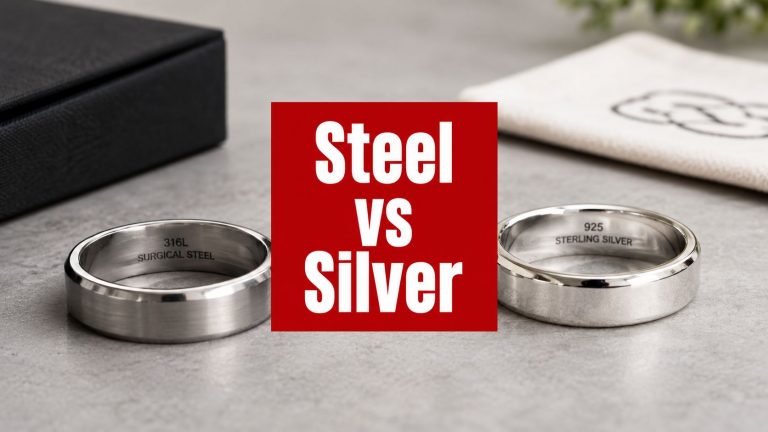
You’re pricing a new collection, and the sample tray is already split down the middle. The 316L surgical steel pieces look cleaner on cost and daily wear, the
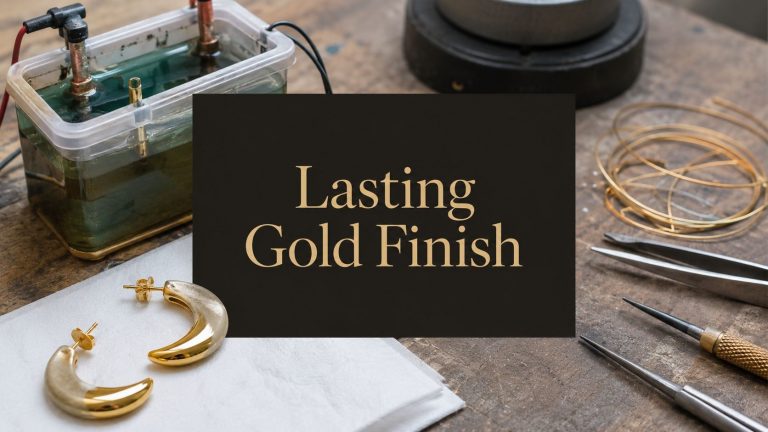
You probably have a launch already in motion, a supplier sample on your desk, and one uncomfortable question underneath it all, will this gold color still look clean
If you are developing the ring itself, compare ring fabrication, casting and CAD methods before approving the shank dimensions and manufacturing route. You’re refining a ring design, the