Whether you’ve been thinking about launching a Jewelry Wholesale business — or you already have one and want better margins — how to buy Jewelry Wholesale is the skill that keeps successful brands afloat, while others sink.
The global Jewelry Wholesale market is projected to go beyond $480 billion by 2028. Wholesale sourcing is how thousands of boutique owners, e-commerce sellers, and private label brands are capitalizing on that growth without breaking the bank on overhead. Get it done right, and you will be able to acquire products at 20–30% of their retail price and build out a healthy, profitable business at sustainable margins.
But there’s a catch: the wholesale jewelry world is riddled with middlemen, difficult terminology and inconsistent quality as well as suppliers who have a great pitch but lack in execution. This guide does away with all of that.
Understanding how to navigate the Jewelry Wholesale landscape is crucial for success. Many suppliers offer various options, so do your research to find the best fit for your Jewelry Wholesale needs.
From talking to importers, reading competitor guides, analyzing YouTube tutorials viewed by hundreds of thousands of aspiring jewelry entrepreneurs and more than 10 years of hands-on manufacturing experience at HonHo Jewelry, we were able to provide you a guide that can actually help — not just some Googled list on tips.
Investing in quality products at Jewelry Wholesale prices can elevate your brand. It’s essential to select pieces that resonate with your target audience.
50–300% Typical retail profit margin on wholesale jewelry
30 pcs Minimum order possible with the right manufacturer
7–20 days from custom design to first sample
In 2026, understanding the nuances of Jewelry Wholesale will set you apart from competitors. Focus on building strong relationships with your suppliers.
Many businesses are turning to Jewelry Wholesale to meet the growing consumer demand for affordable luxury items.
Whether you’re a seasoned entrepreneur or just starting out, the Jewelry Wholesale market offers incredible opportunities.
Jewelry Wholesale can be your ticket to success if you leverage the right strategies and build a solid network.
316L The only stainless steel grade worth buying wholesale
To thrive in the Jewelry Wholesale industry, invest time in understanding market trends and consumer preferences.
Establishing a strong legal foundation is essential for your Jewelry Wholesale business to avoid pitfalls.
When setting up your Jewelry Wholesale business, ensure you fully understand what you need to succeed.
Identifying your niche within the Jewelry Wholesale market is key to targeting your marketing efforts effectively.
Let’s be real: You can buy jewelry just about anywhere. So what is it about wholesale that is the no-brainer for this moment in time, and specifically in 2026?
Three factors have combined to make wholesale jewelry sourcing more appealing than it has ever been:
There is a surge in consumer demand for affordable luxury. Consumers want pieces that appear and feel high-end without the fine jewelry price. Waterproof, jewelry made of non-tarnish stainless steel and 925 silver hits that sweet-spot perfectly.
The quality of manufacturing from China has caught up — and in some ways surpassed — Western production. Factories in Dongguan and Shenzhen now operate PVD vacuum plating gear that yields coatings with lifespans of years instead of months.
Low MOQs are now a reality. Factories used to ask for thousands of pieces, five years back. Today, vetted manufacturers produce test orders of 30–50 pieces a design, opening this up to solo entrepreneurs and small boutiques.
💡 Industry Tip: The most significant change coming in 2026 isn’t where you buy — it’s what you buy. Investing in durable, non-tarnish materials — such as 316L stainless steel with a PVD plate — can yield dramatically less customer returns and higher repeat purchases. That’s the real margin driver.
Make sure you have the legal authority to purchase wholesale before investing a dime in inventory. Missing this step makes you lose access to the best suppliers, and can cause tax headaches down the road.
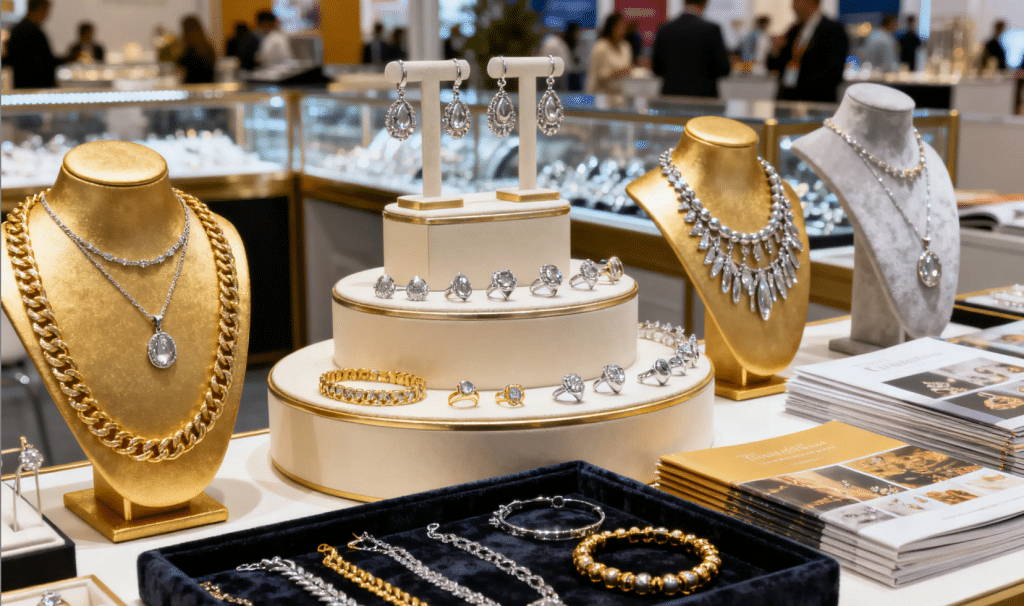
Business Registration: register as an LLC, sole proprietor, corporation — your country/state This usually takes 1–5 days and costs $50–$500+ depending on where you are.
Resale Certificate (Reseller’s License / Sales Tax Permit) — This is what the wholesaler use to let you buy goods tax-free, since you’ll be collecting sales tax from your bottom line customer. Without it, most tier-one suppliers — particularly US ones — will not accept your order.
EIN (Employer Identification Number): A federal tax ID that credible you so you can apply for wholesale accounts. Apply free at IRS. gov in minutes.
FTC Jewelry Compliance: If you’re selling in the United States, the Federal Trade Commission (FTC) has costly requirements for how you describe your jewelry materials. You need to specify the karat because you can’t just say something is “gold.” “Stainless steel” should be stainless steel. Mislabeling is a liability.
Finding reliable Jewelry Wholesale suppliers can take time, but it’s worth the effort for your business’s success.
💡 Note for small starters: Some US-based wholesale suppliers will sell to new businesses without needing these documents upfront. But direct manufacturers — especially in China — will want to know that you’re an actual, functioning business before they give you custom pricing and low MOQs.
Utilizing the right channels to source your Jewelry Wholesale items will enhance your product offerings.
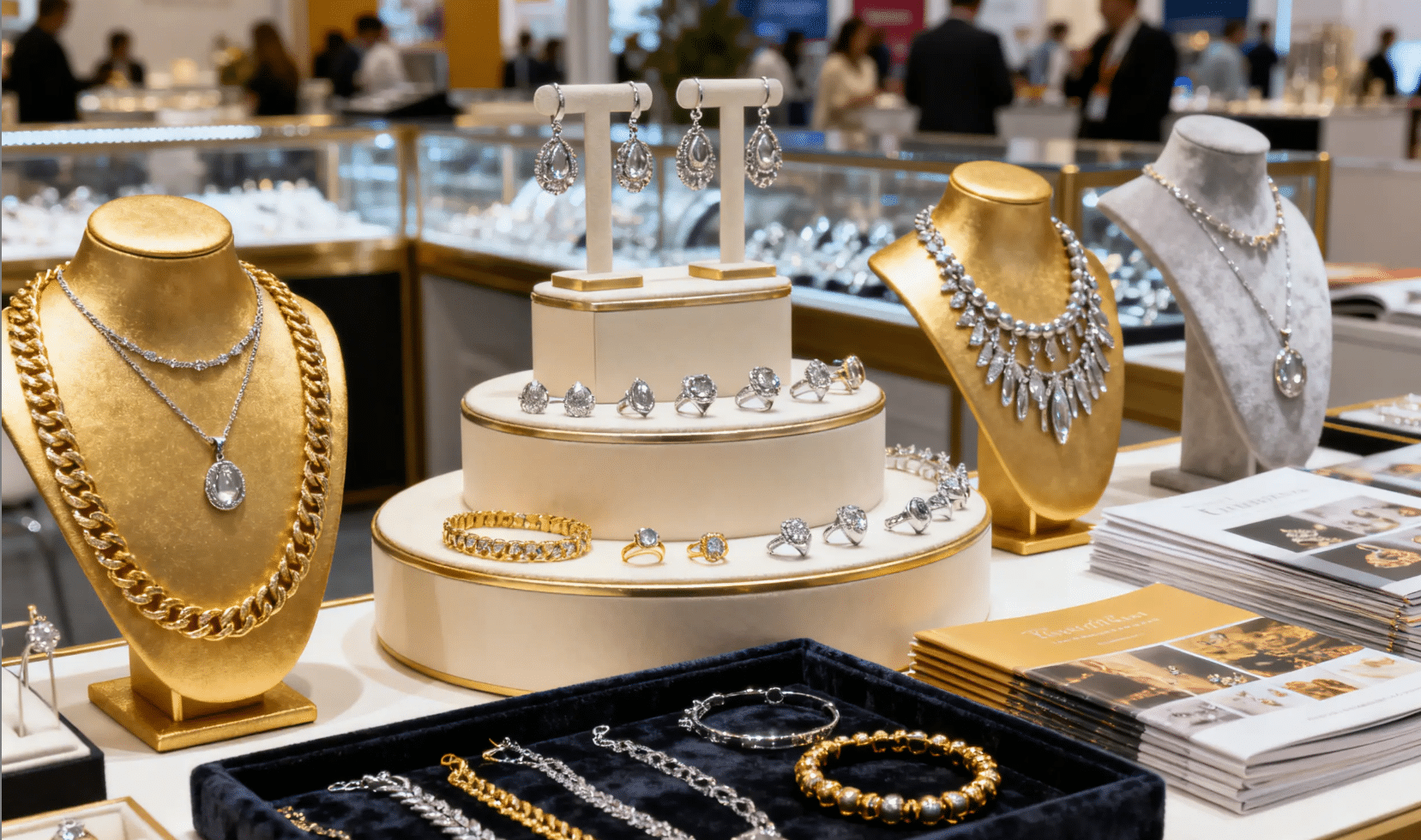
Trade shows are a fantastic way to discover the latest trends in Jewelry Wholesale and meet potential suppliers.
Building a relationship with your Jewelry Wholesale suppliers will ensure better communication and service.
Exploring various sourcing methods for Jewelry Wholesale can yield better deals and quality products.
Understanding how to negotiate pricing in Jewelry Wholesale will enhance your profit margins significantly.
Before you spend a single dollar on inventory, make sure you have the legal right to purchase wholesale. Skipping this step gets you locked out of the best suppliers and can create tax headaches later.
Quality checks are paramount when dealing with Jewelry Wholesale, ensuring you only sell the best products.
“Jewelry” is not a niche. It’s an ocean. Before you contact a single supplier, however, you need to think precisely about what type of jewelry store you will be — because that decision informs every supplier you’ll ask for a quote, every price point you’ll define and every customer segment to which you’ll market your products.
Certifications are essential for Jewelry Wholesale; they indicate the quality and reliability of your suppliers.
| Category | Materials | Margin Range | Best For |
|---|---|---|---|
| Fashion / Costume Jewelry | Zinc alloy, brass, copper | 3x – 5x wholesale cost | High-volume, fast-fashion e-commerce |
| Demi-Fine / Waterproof Jewelry | 316L stainless steel, PVD-plated | 3x – 4x wholesale cost | Everyday wear brands, boutiques, Shopify stores |
| Fine Jewelry | 925 sterling silver, vermeil, 10k–18k gold | 2x – 2.5x wholesale cost | Higher-end boutiques, bridal, gifting |
| Custom / Private Label | Any of the above, your designs | 3x – 6x (brand premium) | Building a recognizable brand, long-term growth |
We are going to be blunt, for brands looking towards their first wholesale jewellery order — consider PVD plating on a 316L base shank. Why? Because they look like fine jewelry, they’re truly waterproof and non-tarnish, and the return rate is drastically lower than brass or zinc alloy alternatives. Happier customers lead to better reviews and repeat business.
One mistaken move early buyers often make is to go all in on trendy items — zodiac pendants, pearl hoops, Cuban chains. Trends are very selling, but also very dying. Grow your offering with 70% evergreen styles (think basic hoops, stud earrings, easy chains, stackable rings) and 30% trending pieces. That way you get reliable sellers and seasonal buzz without getting stuck with useless dead stock.
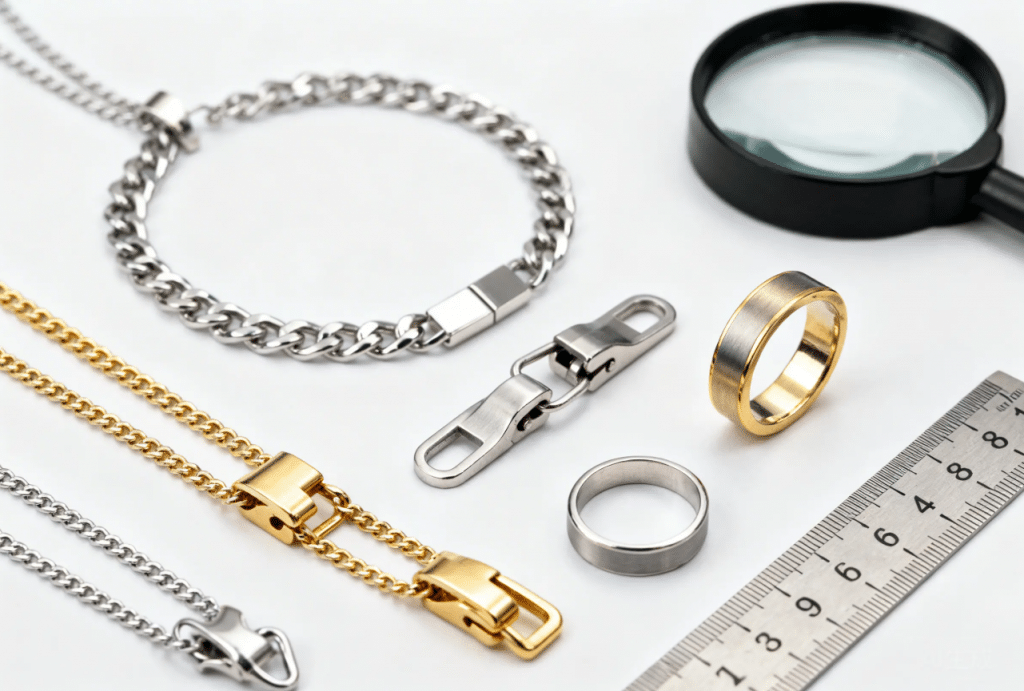
For cross-border sourcing, the buying jewelry from China guide follows the order from supplier screening through samples, payment terms and shipment documents.
When a supplier describes itself as factory direct, use the factory-direct jewelry sourcing checklist to verify manufacturing responsibility and compare the complete order cost.
Working with a reputable Jewelry Wholesale supplier can help you avoid common pitfalls in the industry.
Finding a supplier is easy. Finding a supplier who consistently provides quality on time, every time — that’s the hard part. Where to look, and what to look for.
Industry Trade Shows: Shows such as JCK Las Vegas (the largest US jewelry trade show) allow you to both view physical samples, negotiate face-to-face and build true relationships. You can sense the heft, scrutinise the finish and sniff out a shoddy piece in seconds. A photo or video can not express this.
DOs And DONTs IN B2B MARKETPLACES (Alibaba, Global sources, made in China…etc.) com list thousands of suppliers. These platforms can provide buyer protection and side-by-side comparison — yet many listings are trading companies, not factories. Always ask: “Are you the factory? and request a video tour.
Direct Manufacturer Websites: Highest quality and best offerings for serious buyers. Manufacturers such as HonHo Jewelry espouse professional websites where you can also view their entire process, certifications and product range — and order a custom quote directly without any middlemen increasing your cost.
YouTube & Social Media: A lot of seasoned jewelry sellers make their sourcing strategies available for free as YouTube Live streams. Channels focused on jewelry business basics frequently walk through exactly how to vet suppliers on Alibaba — including how to interpret supplier ratings, delivery percentage scores and transaction volumes. If a supplier has been on Alibaba for more than 5 years, has at least 90% on-time delivery, and you see they’ve completed over 1,000 transactions, that’s a significant green flag.
Industry Facebook Groups: The “Jewelers Helping Jewelers” group and others like it are great resources for true peer recommendations, supplier reviews and warnings about bad actors.
Finding a supplier is easy. Finding a reliable supplier who delivers consistent quality on time, every time — that’s the hard part. Here’s where to look and what to look for.
Sourcing from China has a bad rap — normally from buyers who skipped past Alibaba and went straight to the cheapest supplier, only to be disappointed. The reality is more complex, and understanding the landscape of Chinese jewelry production will spare you sorry months of trial and error.”
| Region | Specialty | Price Point | Best For |
|---|---|---|---|
| Yiwu | Fast fashion accessories, alloy, plastic, acrylic | Very low | Seasonal trend pieces, market stalls, quick resale |
| Shenzhen / Guangzhou (Panyu) | 925 silver, stainless steel, fine jewelry, OEM/ODM | Mid to high | Quality brands, private label, long-term sourcing |
| Dongguan | Stainless steel, PVD plating, waterproof jewelry | Mid | Durable everyday wear, export-focused, branded collections |
Dongguan — the home of HonHo Jewelry, and where many jewelry factories are located — especially offers suitability for well-suited buyers who purchase stainless steel and brass non-tarnish and waterproof jewelry with advanced PVD coating. The concentration of raw materials suppliers, specialist electroplating factories and components makers in the area brings with it shorter lead-times and a tighter quality control than you’d find from a more generalist hub.
Most successful jewelry brands focus ODM in the beginning to have a feel for the market, and shift to OEM when they spot their hot sellers and want to prevent copycats.
💡 Insider Tip: Here are questions to ask any potential Chinese manufacturer before ordering: “What grade of stainless do you use — 316L or 304.
This is the step that most new buyers overlook — and it’s the one that brings the most pain. Never make a bulk order without holding and testing a sample first. Full stop.
⚠️ Red Flags That Should Make You Walk Away: Prices way below market rate (generally means 304 steel or paper thin plating), no capability to provide a test report, slow or vague communication and no physical factory address you can check.
Identifying the right MOQ can be tricky; it’s crucial to ask your Jewelry Wholesale supplier about their policies.
Many small brands achieve success by starting with Jewelry Wholesale items that have low MOQs.
Understanding your pricing strategy is crucial when it comes to selling Jewelry Wholesale effectively.
Markup strategies play a vital role in the Jewelry Wholesale industry; aim for 3x to 4x your landed cost.
In Wholesale jewelry, MOQ — Minimum Order Quantity is the single biggest barrier for new wholesale buyers. But here’s what most articles fail to mention: MOQs are almost always negotiable, and your negotiation strategy is more crucial than the size of your order.
MOQs aren’t arbitrary gatekeeping. They exist because factories require a minimum production run to make the setup of machines, the cost of molds and scheduling labor worthwhile. The reason a factory has its MOQ helps guide you to some intelligent negotiation rather than just “how low can you go?”
One of the most popular starter options for new wholesale jewelry businesses is buying bracelets in bulk.
Most beginner guides will tell you to “double the wholesale cost.” Avoid giving any advice that falls under this. “In the context of ‘keystone pricing’ (2x), it rarely accounts for the actual cost of a modern-day jewelry business — particularly with digital advertising costs, platform fees and packaging.
Your landed cost is the real all-in cost per item before you make a penny of profit:
Landed Cost= Factory Unit Price+ Shipping (pro rata basis per piece)+ Import Duties+ Packaging + Platform/ Transaction Fees
| Jewelry Type | Recommended Markup on Landed Cost | Example |
|---|---|---|
| Fashion / Stainless Steel | 3x – 4x | Landed cost $8 → Retail $24–$32 |
| 925 Sterling Silver | 2.5x – 3x | Landed cost $18 → Retail $45–$54 |
| Private Label / Custom | 4x – 6x | Landed cost $10 → Retail $40–$60 |
| Fine Jewelry | 2x – 2.5x | Landed cost $60 → Retail $120–$150 |
The reason custom/private label commands the highest multiple is simple: your customers can’t price-compare your exclusive designs on Amazon. That’s the most powerful pricing moat in retail.
Dead stock is your enemy. If it is not selling in 6 months, then it’s eating your storage space and capital that could rather be reinvested. Go wide (lots of styles, small amounts per style) and depth reorder only your hits. This widely-pursued “start shallow and wide” approach is continually recommended by seasoned wholesale buyers, and repeatedly corroborated vibrant jewelry entrepreneurs who’ve conducted their journey on YouTube.
Moving your jewelry from a Chinese factory to your doorstep involves more moving parts than most buyers anticipate. Below is a simple breakdown so you’re not surprised.
Jewelry HS code, depends on its material. As a general guide:
| Method | Transit Time | Cost | Best For |
|---|---|---|---|
| Air Express (DHL/FedEx/UPS) | 3–7 days | High ($8–15/kg) | Urgent orders, samples, small batches |
| Air Freight | 7–14 days | Medium | Mid-volume orders where speed matters |
| Sea Freight (LCL) | 25–40 days | Low ($1–3/kg) | Large bulk orders where timing is flexible |
HonHo Jewelry ships globally via DHL, FedEx, and UPS with an average dispatch within 48 hours and a 99% on-time delivery rate. For larger wholesale orders, sea freight coordination is also available.
You’ve sourced a great product. Now what? Below is a quick summary of the optimal sales channels for wholesale jewelry in 2026.
Shopify: Best platform that allows you to build a branded store while having complete control over your customers experience and data.
Best for handmade, personalized, or unique pieces: Etsy The cost to set up is lower, but the platform fees are higher, and there’s significant competition.
Amazon: Huge distribution but very price competitive. This works well if you have the designs exclusive or private label products.
Instagram / TikTok Shop: Social commerce is huge. Jewelry wear short-form video content does very well! Even a 15-second TikTok of a piece being unboxed can generate thousands of visits.
Two things: photography and storytelling. Images with lifestyle photography in particular — jewelry being worn in real-life settings — perform significantly better than product-only shots. Plus, narrating the story of where and how your jewelry is made (the quality control, the materials, the craftsmanship) creates trust that converts browsers into buyers.
These are not hypotheticals — these are the very errors that bleed budgets, kill people. Many are preventable if only you know to look out for them.
You’ve sourced a great product. Now what? Here’s a quick breakdown of the best sales channels for wholesale jewelry in 2026.
Almost no wholesale buyer guide dedicates this much detail to it — and yet it’s arguably one of the most important technical concepts to get your head around if you want to sell jewelry that your customers adore for the long haul.
But when you see jewelry labeled “18K gold plated” or “non-tarnish,” that’s nearly meaningless without knowing how it was plated. The difference in durability is massive: There are two fundamentally different ways.
This is the most common — and least expensive — plating method. The layer of gold (or rose gold, silver, etc.) is electrochemically deposited on the base metal within a liquid bath. This coating is usually between 0.05–0.5 microns thick.
The problem? It fades. Water, sweat, soap and perfume all break down the coating — usually within 3–6 months with regular wear. And so this is why customers complain about jewelry “turning green” or losing its color.
PVD is a vacuum-based process in which metal ions are literally blasted onto the jewelry surface at molecular level inside a heated vacuum chamber. The result is a coating that forms a structural bond with the base metal, instead of resting on top.
PVD coatings can be deposited 0.03–0.1 microns thick and are:
No wholesale buyer guide discusses it in this much detail — and yet, it’s arguably one of the most important technical concepts to wrap your head around if you want to sell jewelry that your customers love for the long haul.
But when you come across jewelry that says “18K gold plated” or “non-tarnish,” that’s almost meaningless unless you know how it was plated. Two different ways, and the difference in how durable they are is enormous.
This is the most popular — and least expensive — plating technique. The layer of gold (or rose gold, silver, etc.) is electrolytically deposited on the base metal in a liquid bath. This layer is typically 0.05 – 0.5 microns in thickness.
The problem? It fades. Water, sweat, soap and perfume all will break down the coating — typically within 3–6 months with normal wear. And this is why customers complain about jewelry “turning green” or losing its color.
HonHo Jewelry is a Dongguan-based manufacturer with 10+ years of experience, in-house PVD plating, flexible MOQs from 30 pieces, and a 24-month plating warranty. We serve 500+ global brands and offer free CAD designs with your first sample request.Get a Free Wholesale Quote →
HonHo Jewelry, based in Dongguan, China is a certified custom jewelry manufacturer with 10+ years of experience supplying fashion brands, boutique owners and e-commerce retailers worldwide. We have in-house designers, quality control and export logistics professionals who work alongside 500+ brands in North America, Europe & Australia. We are ISO 9001, SMETA, REACH and GRS certified and have our own PVD vacuum plating facility. All content in this guide is gathered from real manufacturing experience, not research based on theoretical studies.
Register your business and get a resale certificate (sales tax permit). Instead, define your niche, and research verified suppliers or manufacturers, request physical samples to vet their quality firsthand, and place a small trial order before scaling up. One good supplier is better than five mediocre suppliers, so relationship-building with one of them is smarter. For wholesale jewelry, what is a minimum order quantity (MOQ)?
Typically, Minimum Order Quantities differ by supplier type. Most large generalist factories need 100–500 pieces per style. Luxury factories offer lower MOQs of 30 pieces per style like HonHo Jewelry, making it genuinely accessible for small-sized boutiques and brands without needing any capital outlay. Should you buy wholesale jewelry from China or a local supplier?
It depends on your priorities. Domestic suppliers provide quicker shipping and simpler communication at higher unit costs. Chinese manufacturers — especially those in Dongguan and Shenzhen — provide lower per-unit costs, advanced PVD plating technology, full OEM/ODM customization, if not faster international logistics. For stainless steel and 925 silver jewelry with a custom design, a vetted Chinese factory typically provides better value and higher quality than a domestic distributor who is purchasing from the same factories. How can I check the quality of wholesale jewelry before purchasing?
SAMPLE FIRST, ALWAYS Know the material grade (316L stainless steel is typical), inquire whether PVD or water plating is used, perform an alcohol rub test on the coating, inspect edge finishes and clasp function, request REACH or RoHS compliance certificates. Also request salt spray test records — manufacturers serious about quality make this a standard practice. Markup to Use When Reselling Wholesale Jewelry
Firstly, calculate your landed cost: factory price + shipping + import duties + packaging + platform fees Then add your markup to that number — not just the factory price. Target is 3x–4x the landed cost (for fashion and stainless steel jewelry). 2x–2. 5x is typical. Private label and exclusive custom designs can charge 4x–6x markups because customers can’t price-compare them. Documentation Required for Importing Wholesale Jewelry from China
Commercial Invoice (C.I.), Packing List and Bill of Lading (or Airway Bill). So ensure your factory provides the correct HS Codes for your product category — as stainless steel jewelry and silver jewelry have different codes (and thus duty rates). If a shipment is worth $2,500 or more and will arrive in the US, it must go through formal customs entry by being handled by a licensed broker. When calculating your landed cost, always include duties. Ready to learn about PVD plating and why it’s important for wholesale jewelry?
PVD (Physical Vapor Deposition) is a vacuum-based coating method during which metal ions are molecularly bonded to the surface of the jewelry, resulting in a coating that is 2-5x harder and more durable than conventional electroplating. PVD coatings are actually waterproof, sweat-proof, and can remain colorfast and shiny for 2+ years with regular wear — as opposed to the 3–6 months of colored water plated jewelry. For a retail jewelry brand, the gap between customer satisfaction (and repeat purchase rates) is considerable. We hope you have learned that ordering from a wholesale manufacturer is possible when it comes to custom jewelry design.
Yes — and that is often the best long-term strategy. With custom manufacturing (OEM), you can finally have your own designs that competitors cannot copy or price under. A design brief or CAD file is required by most reputable manufacturers, and you’ll pay a one-time mold charge. Sampling usually takes 7–20 business days, and production takes 25–35 days from there. Free CAD/3D Rendering with all Custom Orders at HonHo Jewelry How can I prevent others from copying my jewelry designs?
Share your designs with manufacturers that have signed Non-Disclosure Agreements (NDAs) In advance. Inquire about design protection protocols — good factories will employ digital file encryption, limit access to design files and housing each client’s specifications on separate secure server. Design registration in your target market (US design patent, EU registered design) gives added legal coverage for original works.
Once you have a framework to work within, buying jewelry wholesale is not too difficult. Here’s the short version:
The winners in 2026 in the jewelry business are not those with the lowest price. They are the ones who know their suppliers best — and they’re the ones with the best relationship with customers. Get those relationships started right, and the margins will be there.
If you’re ready to take the next step, HonHo Jewelry is here to help. With 10+ years of manufacturing experience, our own in-house PVD plating facility, flexible MOQs starting at 30 pieces, and a 24-month non-tarnish warranty, we’ve built our reputation on one thing: making jewelry that makes your customers come back.
For further reading on jewelry business fundamentals, the JCK industry resource hub is an authoritative reference for market trends, trade show schedules, and compliance guidance.
Request your free catalog, get a custom quote, or ask for a sample. Our team responds within 24 hours.Send Your Inquiry Now →
Optimizing your supply chain for Jewelry Wholesale can improve efficiency and reduce costs.
Utilizing effective marketing strategies is essential when promoting your Jewelry Wholesale products.
Building a strong online presence is important for your Jewelry Wholesale business to thrive.
When launching a Jewelry Wholesale brand, focusing on customer experience can lead to success.
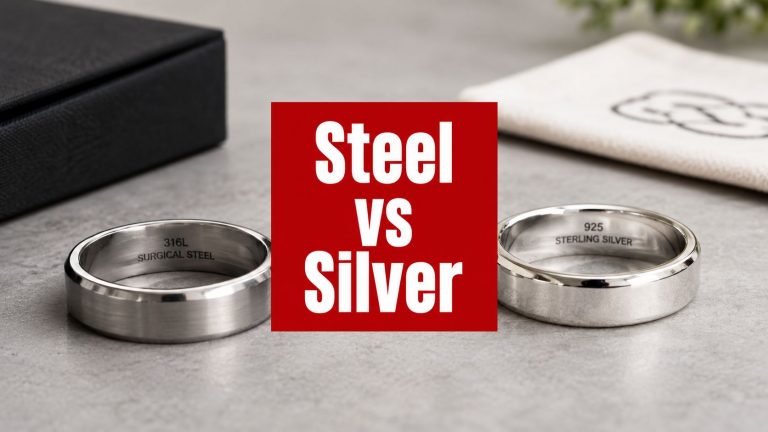
You’re pricing a new collection, and the sample tray is already split down the middle. The 316L surgical steel pieces look cleaner on cost and daily wear, the
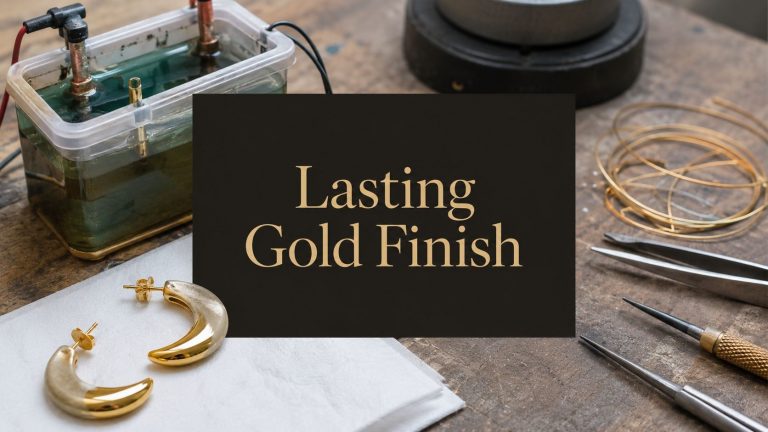
You probably have a launch already in motion, a supplier sample on your desk, and one uncomfortable question underneath it all, will this gold color still look clean
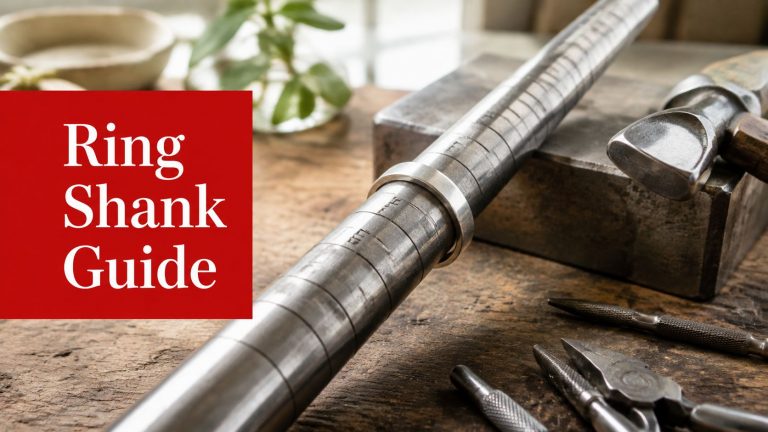
If you are developing the ring itself, compare ring fabrication, casting and CAD methods before approving the shank dimensions and manufacturing route. You’re refining a ring design, the