
To buy jewelry from China for resale, define the product specification, compare suppliers against the same brief, approve a physical sample, and agree how the bulk order will be checked before it ships. Your budget should cover development, testing, packaging and import costs as well as the jewelry itself.
This guide is for brands, retailers and wholesale buyers sourcing fashion jewelry or custom collections. It follows the order from the first inquiry to delivery. For a personal purchase, start with our jewelry buying checklist.
An existing catalog style and a new design require different preparation. Identify which route fits your collection before comparing minimum quantities or delivery dates.
| Route | What you are buying | What to confirm first |
|---|---|---|
| Ready stock | Existing pieces available from a supplier’s inventory. | Current stock by size and color, mixed-order rules, packaging and whether the same style can be reordered. |
| Private label or modified catalog style | An existing design with agreed changes, such as engraving, chain length or packaging. | Which changes require a new sample or tooling, the minimum for each variation, and any limits on exclusivity. |
| Custom development | A piece developed from your drawing, reference or specification. | Design rights, CAD approval, tooling charges, sample revisions and ownership or reuse of the tooling. |
For a first collection, a smaller range can make sample review and inventory planning easier. Ask for quantities per style, color and size. A total of 500 pieces spread over many variations may be a very different production order from 500 identical pieces. Our wholesale buying guide covers assortment planning in more detail.
Factory websites, B2B marketplaces, trade shows and sourcing agents can all help you build a shortlist. A marketplace listing introduces a supplier; the next step is to establish who will make your order and how the work will be controlled.
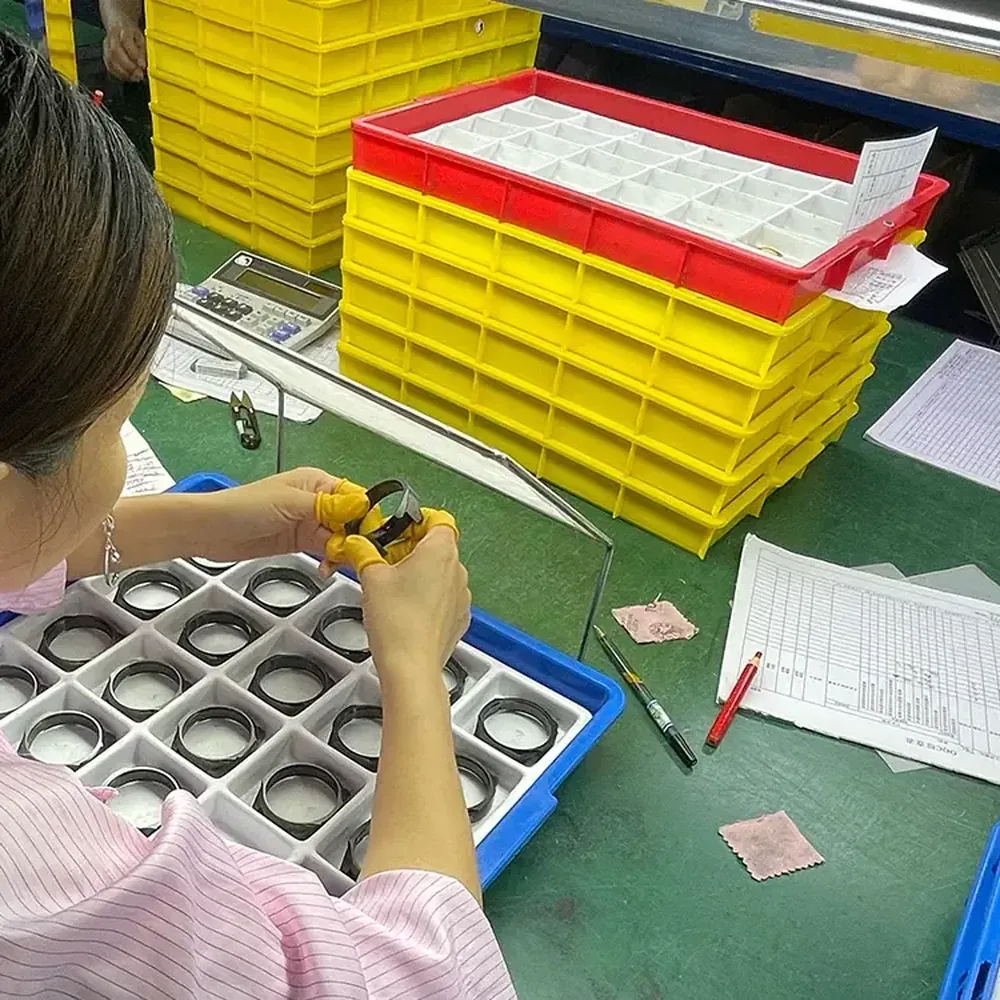
Start with the operations your design needs. A simple chain necklace, an enamel pendant and a pavé ring raise different questions about production. Request examples of comparable construction and ask which steps happen at the quoted factory, which are subcontracted and who handles quality issues.
A trader can coordinate several factories, while a manufacturer may control more of the work directly. Judge either arrangement by its transparency, product fit and ability to meet your written requirements. A supplier’s location alone cannot establish quality.
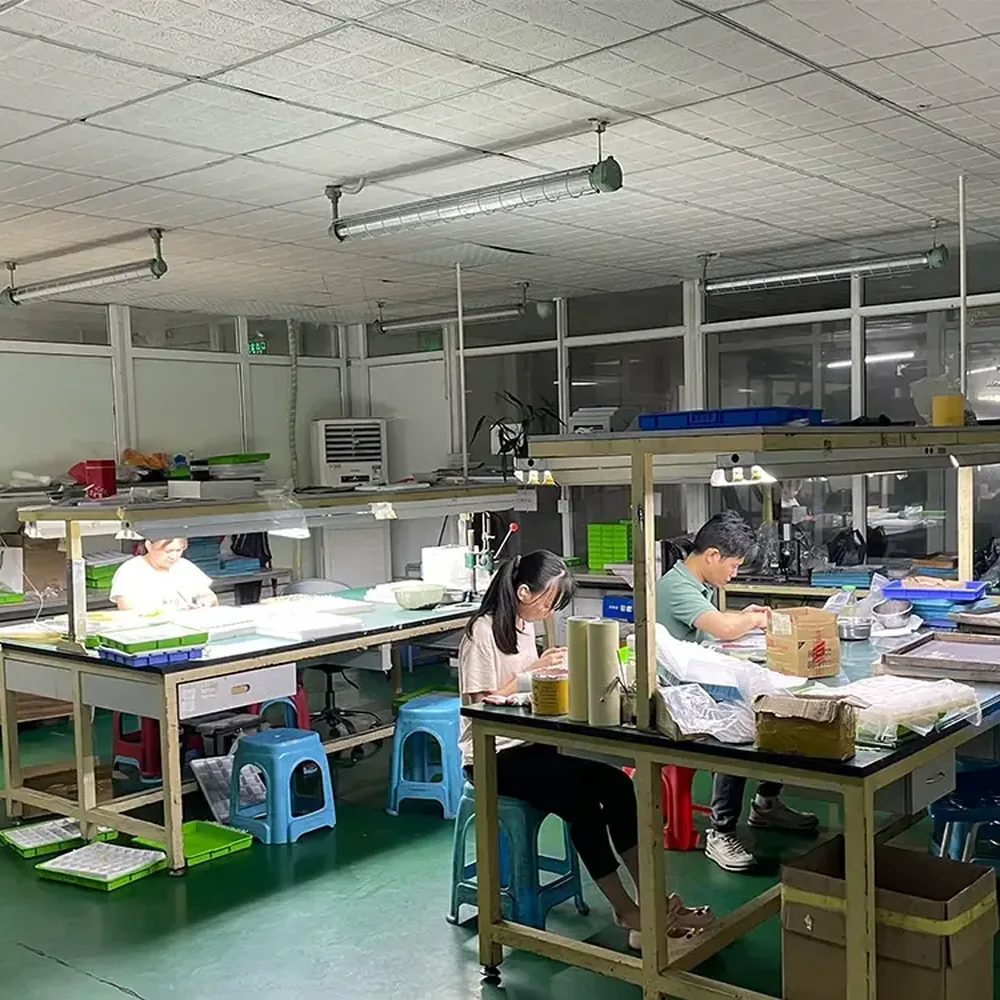
HonHo was founded in Dongguan in 2017 and works with stainless steel, brass and 925 sterling silver. We have in-house PVD and electroplating capabilities. Buyers can discuss a visit to the production and plating areas relevant to their project. The quotation should still identify the material, finish and work required for the specific design.
Two prices are comparable only when they cover the same product and services. Send a request for quotation, or RFQ, with a revision date. Ask each supplier to mark any exception instead of filling gaps with its own assumptions.
| Field | What to send or request |
|---|---|
| Product reference | Your style code, drawing or reference images, dimensions and revision date. Confirm your right to use the design. |
| Material and components | Base metal and grade where relevant; stone identity; chain, clasp, posts and other component requirements. |
| Finish | Color reference, surface texture, coating process and the layer or layers covered by any thickness requirement. |
| Order quantity | Pieces per style, size and color; initial order and possible reorder quantities, kept separate. |
| Sample approval | Sample charge, what the charge includes, revision terms, sample schedule and the reference retained for production. |
| Quality requirements | Dimensions and tolerances to agree, appearance references, functional checks, testing scope and acceptance criteria. |
| Destination and customer | Delivery country, intended wearer, sales channel, required labels and any product-specific compliance requirements. |
| Packaging | Individual protection, presentation packaging, labels, carton requirements and whether each item is included in the price. |
| Commercial terms | Currency, quote validity, tooling ownership, payment milestones, shipping terms with a named place, and included or excluded charges. |
| Schedule | Launch date, requested delivery date and separate allowances for development, approval, production, inspection and transport. |
For example, a necklace brief should identify the chain construction, length, extension and clasp, rather than describe the item only as a “gold necklace.” Our chain types guide can help you name the construction. For quote comparison fields and a fuller cost breakdown, use the custom jewelry RFQ guide.

At HonHo, minimum quantities and sample charges depend on the material, style, finish and customization. We confirm the sample schedule after reviewing the brief and the production schedule after the sample and order details are approved. Include your planned quantity and launch date so we can discuss a workable option.
Review the physical sample against your RFQ. Check the dimensions, weight, edges, surface finish, stone placement and closure. For earrings, compare the pair. For a necklace, review how the pendant hangs and how the clasp connects to the chain.
Photographs help document appearance, but color can change with lighting and screens. Use a retained physical reference where color or texture is important. Agree on any acceptable variation and record it with the approval.
If a sample fails, describe each issue with a photo and a measurable requirement where possible. Ask what will change in the next revision, what it costs and when you can inspect it. Approving a bulk order while leaving an important sample problem unresolved makes the final acceptance decision harder.
| Record | Complete before bulk production |
|---|---|
| Approved reference | Style code: ___; sample identifier: ___; drawing revision: ___; approval date: ___. |
| Agreed specification | Material: ___; dimensions and tolerances: ___; components: ___; finish reference: ___. |
| Changes still required | List each change and say whether a revised physical sample is required. Do not leave “improve quality” as the instruction. |
| Inspection and tests | Checks: ___; methods: ___; sampling plan: ___; acceptance criteria: ___; who pays: ___. |
| Change control | Who can approve substitutions, how approval is recorded, and whether a change requires a new sample. |
| Retained copies | Identify the reference held by the buyer, factory and inspector, with matching photos and specifications. |
Trying on a sample can help assess fit and comfort. It cannot establish chemical compliance or prove that the jewelry is suitable for every person with sensitive skin.
Factory review, product inspection and laboratory testing serve different purposes. QIMA’s jewelry inspection guidance separates workmanship and functional checks from laboratory tests for material and chemical requirements. Specify the evidence you need for your order.
| Question | Evidence to request | Limit to keep in mind |
|---|---|---|
| Can this supplier handle the work? | Relevant process review, facility information and comparable product experience. | A factory review does not release a particular production batch. |
| Does the order match the specification? | Documented checks of sampled production against the approved reference. | Record what was checked and how the sample was selected. |
| Does a coating meet the agreed thickness requirement? | A suitable measurement method and report identifying layers, components and measurement locations. | A reading on one component does not establish every location or the whole batch. |
| Does the product meet an applicable safety requirement? | Testing and documentation suited to the product, intended wearer and sales market. | A photograph, material label or unrelated test report cannot answer this. |
X-ray fluorescence, or XRF, can measure composition and coating thickness under an appropriate setup, as described by Fischer’s XRF guidance. HonHo has an XRF instrument and can discuss coating-thickness checks on customer samples. Confirm the substrate, layer structure, measurement locations and reporting requirements before arranging the check.
On a necklace, a reading from the clasp should be identified as a clasp measurement. It should not be presented as a measurement of the chain. Also distinguish the specified thickness from an individual reading and any average based on defined samples. Thickness alone does not establish a fixed wear life or a nickel-release result.
For the U.S. market, children’s jewelry needs particular attention. The CPSC jewelry guidance explains that children’s products must meet the applicable children’s product requirements. Ask a qualified testing provider which requirements apply to your product and intended age group before production. Keep the relevant reports with the order record.
See HonHo’s quality-control process for the inspection and testing questions to discuss with our team.
A low unit price can exclude items that another quote includes. Separate one-time development costs from recurring production costs, then compare the same quantity and delivery terms.
| Cost line | How to complete it |
|---|---|
| Jewelry | Confirmed unit price × quantity for each style and variation. |
| Development | Samples, CAD or tooling charges, including any agreed credit and its conditions. |
| Quality checks | Testing, inspection and any agreed reinspection costs. |
| Packaging | Individual protection, retail packaging, labels and cartons not already included. |
| Transport | Freight, insurance and handling charges under the agreed shipping terms. |
| Import charges | Broker-confirmed duties, taxes, clearance and destination fees for this shipment. |
| Order total | Add the applicable lines once. Mark estimates, confirmed charges and exclusions separately. |
Divide the relevant total by the units you expect to sell when planning margin. Keep recoverable taxes and your accounting treatment separate from a simple cash budget. The wholesale jewelry pricing guide explains further cost drivers.
Record payment milestones alongside sample approval, production and inspection. There is no deposit split that makes every order safe. Confirm the payee and investigate changes to bank instructions through a previously verified contact channel.
For an eligible Alibaba Trade Assurance order, follow the platform’s current order and payment process. Alibaba’s payment guidance advises buyers to keep payment on the platform. Check the applicable coverage, evidence requirements and dispute deadlines for the order; do not assume every payment arrangement has the same protection.
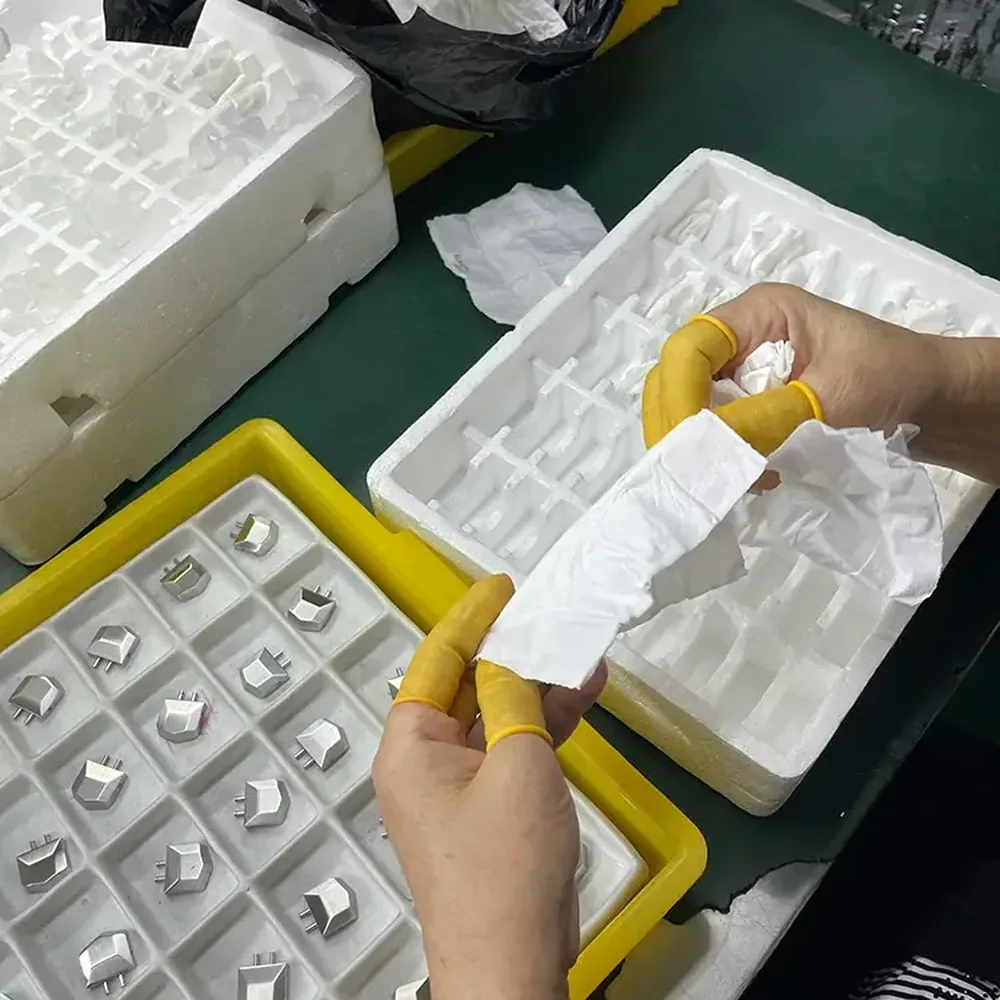
Give the factory and inspector the final specification, approved reference and packing requirements. Agree on the inspection timing, sample selection and defect criteria. A sampling plan should fit the order and its risks; a familiar acceptance-quality-limit number should not replace a discussion of what a defect means.
For example, an incorrect chain length, a loose stone and a surface mark can require different checks and remedies. Define the severity and acceptance rules with the supplier. Keep safety-related requirements separate from cosmetic allowances.
Before choosing a delivery quote, ask which party will handle customs clearance and which charges are included. Have a customs broker or the destination authority confirm classification, valuation, origin documentation and current duties for the actual product. A rate quoted for a different metal or shipment may not apply.
For U.S. imports, review the CBP guidance for new importers. The importer of record remains responsible for correct entry information and applicable charges even when using a broker. Have the commercial invoice, packing list and product description checked before shipment.
On arrival, reconcile the delivery with the order and retain packaging details, photographs and any affected samples if you find a problem. Send a specific discrepancy record within the agreed claim period. A clear order history makes a remedy easier to assess.
Decide how much development and inventory risk your business can carry. A sample stage lets you resolve construction and finish questions before committing to the production quantity. Ask whether a trial order is feasible and how its price and minimums differ from a repeat order.
Confirm exclusivity separately. State the design or tooling covered, the territories or sales channels, the duration and any purchase commitments in the agreement. Logo customization by itself does not tell you what rights the supplier is offering.
Send your design reference, material, finish, quantity per style and color, destination and intended launch date. Include any required testing or packaging. You can use our custom jewelry inquiry form to share the brief and request sample and production terms for your collection.
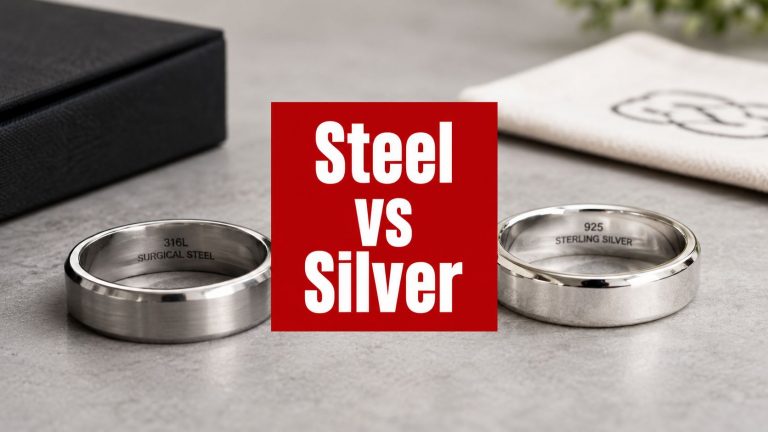
You’re pricing a new collection, and the sample tray is already split down the middle. The 316L surgical steel pieces look cleaner on cost and daily wear, the
You probably have a launch already in motion, a supplier sample on your desk, and one uncomfortable question underneath it all, will this gold color still look clean
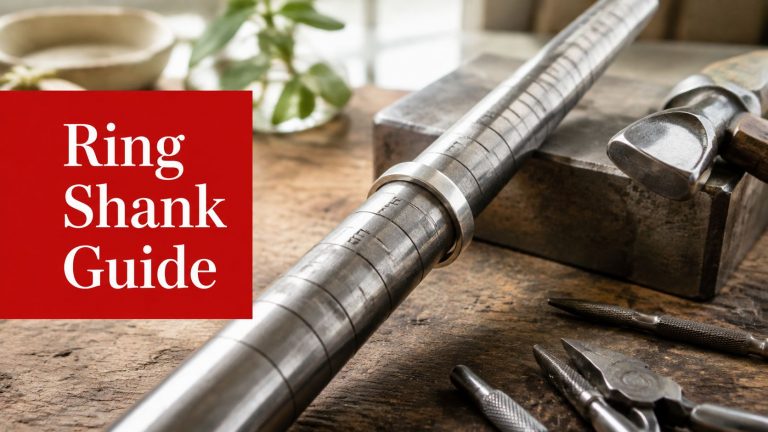
If you are developing the ring itself, compare ring fabrication, casting and CAD methods before approving the shank dimensions and manufacturing route. You’re refining a ring design, the