

What You Need to Know Before Cleaning Copper Jewelry
Before you attack that tarnish, slow down for one minute. Copper is soft, which means the wrong cleaner or tool can scratch, strip, or discolor your necklace for good. The good news? You can safely clean tarnished copper jewelry at home with simple, gentle methods.
Everyday Items vs. Specialty Cleaners
You don’t have to buy a fancy metal polish right away. In fact, most copper pieces respond beautifully to natural copper cleaner DIY recipes such as:
- Lemon and salt – classic for fast tarnish removal
- Baking soda and vinegar – great as a mild, non-scratching paste
- Ketchup – yes, the ketchup copper cleaning hack really works
- Mild dish soap – best for light dirt or lacquered copper
Specialty copper or jewelry polishes and commercial homemade copper tarnish remover products can work well, but:
- They’re often stronger and more abrasive
- Some can strip protective coatings or change the finish
- Always test on a tiny hidden spot first
If you’re caring for a piece with a delicate finish—like our HonHo Jewelry copper necklaces with anti-tarnish coating—start with the mildest, soap-based method before anything stronger.
Must-Have Tools for Safe Cleaning
Set yourself up with a tiny “copper spa kit” so you don’t scratch or damage your necklace:
- Soft cloths
- Use microfiber or very soft cotton (old T‑shirt works).
- Avoid paper towels or rough fabrics that can leave hairline scratches.
- Small non-metal bowl
- Glass or ceramic is ideal.
- Keeps acidic mixes (lemon, vinegar) away from reactive metal containers.
- Soft toothbrush
- Choose a soft- or extra-soft-bristle brush only.
- Perfect for chain links, clasps, and engraved details.
- Use a light hand—let the cleaner do the work, not scrubbing pressure.
With these basics, you can polish copper jewelry without scratching, safely remove green oxidation from a copper necklace, and restore shine like a pro—right at home.
7 Safe & Effective Ways to Clean a Copper Necklace at Home

Below are 7 simple, safe copper jewelry cleaning methods you can do with everyday items. Always test on a small area first and avoid harsh scrubbing to polish copper jewelry without scratching.
1. Lemon Juice + Salt (Fastest: 2–5 Minutes)
Best when you want quick results.
How to do it:
- Mix fresh lemon juice with fine salt (about 2:1 ratio).
- Dip a soft cloth or soft toothbrush in the mix.
- Gently rub your copper necklace for 2–5 minutes.
- Rinse with warm water and dry completely.
Why it works:
The acid in lemon breaks down tarnish fast, while salt boosts cleaning power. Great to restore shine to a copper necklace in minutes.
2. Ketchup Method (For Heavy Tarnish)
Yes, ketchup really works on tarnished copper jewelry.
How to do it:
- Coat the copper necklace lightly with ketchup.
- Let it sit for 5–10 minutes (longer for strong tarnish).
- Rub gently with your fingers or a soft cloth.
- Rinse well and dry.
Why it works:
Tomato acid + vinegar + salt = a mild homemade copper tarnish remover that’s strong on oxidation but gentle on metal.
3. Baking Soda + Vinegar Paste (Deep Clean, No Scratches)
Great for deeper cleaning and removing green oxidation from a copper necklace.
How to do it:
- Add a little white vinegar to baking soda to form a thick paste.
- Apply with a soft cloth or soft toothbrush.
- Gently massage the copper for a few minutes.
- Rinse thoroughly and dry.
Why it works:
The fizz helps lift dirt and tarnish without harsh abrasion, making it a solid natural copper cleaner DIY option.
4. White Vinegar + Salt Soak (Gentle Overnight Option)
Perfect if you want a hands-off eco-friendly copper jewelry cleaner.
How to do it:
- Mix 1 cup white vinegar with 1–2 tablespoons salt in a glass bowl.
- Place the copper necklace in the solution.
- Soak from 30 minutes up to overnight (check every 30–60 minutes).
- Rinse well, then dry and buff.
Tip: Don’t soak pieces with glued stones or mixed-sensitive materials.
5. Lemon + Baking Soda Scrub (Eco-Friendly Favorite)
A green, non-toxic way to clean tarnished copper jewelry.
How to do it:
- Sprinkle baking soda on a plate.
- Cut a lemon in half and dip the cut side into the baking soda.
- Use the lemon as a “scrubber” over the copper necklace.
- Rinse and dry.
Why it works:
You get the brightening power of lemon plus the mild scrub of baking soda—great balance between cleaning and safety.
6. Flour + Salt + Vinegar Dough (Polishing Paste Trick)
This one works like a polishing paste for a nice shine.
How to do it:
- Mix equal parts flour and salt, then add enough vinegar to form a soft dough/paste.
- Spread a thin layer over the necklace.
- Let sit 10–20 minutes.
- Rub gently, rinse, and polish dry.
Best for:
Control freaks who want a slower, controlled natural copper cleaner that won’t run or drip.
7. Mild Dish Soap & Warm Water (For Lacquered or Light Tarnish)
Safest for:
- Lacquered copper
- Copper-plated pieces
- Pieces with stones or mixed materials
How to do it:
- Add a few drops of mild dish soap to warm (not hot) water.
- Soak for 5–10 minutes.
- Use a soft toothbrush to gently clean crevices.
- Rinse and dry fully.
Why it works:
It removes body oils, sweat, and light dirt without stripping coatings or finishes—ideal for coated or PVD-finished jewelry similar to what we use in our durable jewelry lines.
Quick safety notes:
- Always dry completely after any cleaning.
- Avoid hard brushes, steel wool, or rough powders.
- For coated or plated copper, start with dish soap + water only and work your way up if needed.
How to Dry and Polish Your Copper Necklace Properly

Drying and polishing is where you really restore shine to a copper necklace and lock in your cleaning work.
The right cloths: microfiber vs. cotton
Use soft, non‑abrasive cloths only. Anything rough can scratch and dull the metal.
- Microfiber cloth (best choice)
- Grabs leftover moisture and fine dirt
- Gives a quick, high shine with less rubbing
- Ideal if you want to polish copper jewelry without scratching
- Soft cotton cloth (backup option)
- Old 100% cotton T‑shirts or flannel work well
- Avoid towels with texture, seams, or embroidery
After rinsing, pat dry first, then polish. Never air‑dry copper; water spots can turn into new tarnish.
Buffing technique for a mirror shine
To get that “new necklace” glow, follow a simple buffing routine:
- Lay the necklace flat on a soft cloth so it doesn’t tangle
- Fold a clean part of your microfiber cloth around the copper
- Buff in small, tight circles, moving along the chain or pendant
- Apply light to medium pressure—don’t press so hard that you bend links
- Flip to a dry section of the cloth and repeat until you see a clear reflection
If you sell or store multiple pieces, I strongly suggest keeping a dedicated polishing cloth in your jewelry box or display. It speeds up daily maintenance and keeps your copper pieces ready to wear.
Optional natural wax seal (for longer‑lasting shine)
If you want to slow down tarnish and cut down on cleaning time, a thin wax layer helps a lot.
You can use:
- Beeswax (natural option)
- Warm a tiny amount between your fingers
- Rub a very thin layer over the clean, dry necklace
- Let it sit for 5–10 minutes, then gently buff off excess with microfiber
- Renaissance Wax (pro-grade option)
- Apply with a soft cloth or cotton swab in a light film
- Let it haze over, then polish to a clear shine
- Creates a tougher protective barrier than simple oils
Important:
- Always test on a small hidden area first
- Don’t wax over dirt, moisture, or heavy oxidation
- Reapply only when you notice the shine fading
If you keep several copper necklaces or mix copper with other fashion pieces, pairing this routine with a good storage system (like a lined organizer or a dedicated jewelry box setup) will make day‑to‑day care much easier and help your copper stay bright longer.
How to Prevent Copper Necklaces from Tarnishing Again

Keeping a copper necklace bright is mostly about how you wear, store, and seal it.
Daily wear & storage tips
- Put your copper jewelry on last (after perfume, lotion, hair spray).
- Take it off before showering, swimming, sweating hard, or sleeping.
- Wipe it quickly with a soft dry cloth after each wear to remove oils.
- Store each necklace in:
- A zip bag with most of the air pressed out, or
- A closed jewelry box with anti-tarnish support
- Keep it away from bathrooms, windows, and other humid spots.
Anti-tarnish strips & silica packs
To slow down tarnish and green oxidation on copper jewelry:
- Add anti-tarnish strips inside your jewelry box or storage drawer.
- Use silica gel packs to absorb moisture if you live in a humid climate.
- Replace both every few months (they lose effectiveness over time).
These simple add-ons make a big difference if you store multiple copper chains or run a small jewelry business using wholesale necklace supplies.
Clear nail polish or lacquer spray (pros & cons)
Some people seal the metal to prevent skin from turning green and reduce tarnish:
Clear nail polish
- Pros: Cheap, easy to apply on the back of pendants or chain sections.
- Cons: Chips fast, can look uneven, and needs frequent re-coating.
Jewelry lacquer spray
- Pros: Designed for metal, more even coverage, longer-lasting barrier.
- Cons: Needs good ventilation, once applied it’s harder to reverse, and poor-quality sprays can yellow over time.
If you go this route, always test on a small hidden area first.
HonHo Jewelry’s anti-tarnish coating
On our side, I focus on solving this problem at the manufacturing level:
- We use an exclusive anti-tarnish coating on copper-based pieces designed to:
- Slow natural oxidation
- Reduce green skin marks
- Keep the surface smoother and easier to clean
- The coating is:
- Thin and transparent – it doesn’t change color or feel
- Durable for daily wear, as long as you avoid harsh chemicals and abrasives
If you’re designing your own line and want copper necklaces that stay bright longer with less customer maintenance, I usually recommend building this protection into production through a professional anti-tarnish finishing process rather than relying only on DIY sealers.
When NOT to Clean Copper Jewelry at Home (Red Flags)
Even if you know how to clean a copper necklace safely at home, there are moments when DIY is a bad idea. Here’s when I’d tell you to stop and go to a professional.
1. Antique or High‑Value Copper Pieces
Skip home remedies if your necklace is:
- An antique, heirloom, or limited-edition designer piece
- Signed/marked by a known maker
- Plated with gold, silver, or another metal over copper
Home methods like lemon and salt copper cleaning or baking soda + vinegar can:
- Strip original finishes
- Thin or remove plating
- Kill collector value instantly
If you’re not 100% sure what you have, treat it as valuable and let a jeweler assess it first.
2. Necklaces with Turquoise, Pearls, Leather, or Other Sensitive Materials
Never soak or scrub copper jewelry at home if it’s combined with:
- Turquoise, opal, malachite, lapis, coral
- Pearls, shell, mother of pearl
- Leather, fabric cord, wood, bone
Acids (lemon, vinegar), salt, and strong DIY cleaners can:
- Etch or dull stones
- Dry out and crack leather
- Loosen glue or weaken stringing
For mixed-material pieces, only use a soft dry cloth on the copper and let a pro handle the deep clean.
3. Heavy or Artistic Patina That Looks “Intentional”
If the copper has:
- Dark, even patina that looks designed
- Rainbow, blue-green, or artistic color effects
- A rustic or “aged” vibe you actually like
Then don’t hit it with homemade copper tarnish remover. Many jewelry designers create patina on purpose. Aggressive cleaning can:
- Strip that finish in minutes
- Turn a unique look into flat, raw metal
If you’re unsure whether the patina is dirt or design, ask the maker or a jeweler before you try any safe copper jewelry cleaning methods.
If you’re working with custom or wholesale pieces and want finishes that clean easily and resist tarnish long-term, it’s worth looking at how a professional wholesale jewelry manufacturer with OEM/ODM services like HonHo Jewelry builds anti-tarnish protection into the design from the start.
Professional Copper Necklace Cleaning Options & Costs (2026)

If you’re dealing with valuable, antique, or heavily tarnished copper necklaces, professional cleaning is usually the safest move. Here’s what to expect.
Ultrasonic vs. Ionic Cleaners
1. Ultrasonic cleaners (most common at jewelers)
Use high‑frequency sound waves in a cleaning solution.
- Best for: Light–medium tarnish, dirty chains, everyday copper jewelry
- Pros: Fast (5–15 minutes), reaches tiny gaps in chains and pendants
- Cons: Not ideal for soft stones (turquoise, pearls, opal) or glued settings
- Effect on copper: Great for grime and surface tarnish, then usually followed by a quick hand polish
2. Ionic jewelry cleaners (gentler option)
Use a tiny electrical charge to pull tarnish off metal.
- Best for: Heavier tarnish, mixed‑metal pieces, intricate designs
- Pros: Very gentle, removes oxidation without harsh scrubbing
- Cons: Not every jeweler has one, usually slightly more expensive
- Effect on copper: Effective for green oxidation and deep tarnish, while preserving detail
Typical Jeweler Cleaning Prices (2026)
Prices vary by region and whether the piece needs extra polishing or coating, but this is a realistic range:
| Service Type | What’s Included | Approx. Price (USD) |
|---|---|---|
| Basic ultrasonic clean (1 copper chain) | Clean + light hand dry | $10 – $20 |
| Clean + hand polish | Ultrasonic/ionic + polishing cloth/buff | $20 – $40 |
| Heavy tarnish or green oxidation | Ionic clean + deeper hand work | $35 – $60 |
| Add protective anti‑tarnish coating | Clean + polish + clear lacquer/pro coating | $20 – $50 extra |
For higher‑end copper necklaces or custom designs, many brands (including us) bundle professional cleaning and recoating into after‑sales service. If you’re investing in custom copper pieces, it’s worth checking brands that design with waterproof and anti‑tarnish materials in mind, like the approaches covered in this guide to durable, waterproof jewelry materials.
FAQ: How to Clean Copper Jewelry at Home (Quick Answers)
Can I use Brasso or metal polish on copper jewelry?
I don’t recommend it for everyday copper necklaces you wear on skin.
- Many metal polishes are strong, can strip protective coatings, and may leave harsh residues.
- If you must use one, choose a copper-safe polish, test on a hidden spot, use very little, and rinse + dry well.
- For most pieces, a natural copper cleaner DIY (lemon, baking soda, mild soap) is safer and enough to clean tarnished copper jewelry.
Why does my copper necklace leave green marks on my skin?
That green color isn’t dangerous; it’s copper reacting with sweat, oils, and products on your skin.
- The reaction forms green copper salts/oxidation, which rub off on your skin.
- To reduce it:
- Keep skin dry where the necklace sits.
- Avoid lotions/perfume right under the chain.
- Add a clear barrier (transparent nail polish or lacquer) on the back of pendants/chain areas that touch skin.
- Choose pieces with a good anti-tarnish coating, like our HonHo copper-based and brass-style lines that are sealed to help prevent copper jewelry from turning skin green (similar protection we use on our brass jewelry designs).
How often should I clean my copper necklace?
- Everyday wear: light clean every 1–2 weeks (wipe with soft cloth, mild soap if needed).
- Occasional wear: deep clean every 1–3 months, or when you see dullness or dark spots.
- Always follow safe copper jewelry cleaning methods: gentle, non-scratching, and avoid harsh abrasives.
Is it safe to wear copper jewelry every day?
For most people, yes.
- Copper itself isn’t harmful in normal jewelry contact.
- Some people may get skin discoloration or mild irritation if they’re sensitive or very acidic.
- If you notice itching, rash, or strong redness, stop wearing it and switch to stainless steel or gold-plated options (we design a lot of pieces in skin-friendly stainless, see how we style them in our stainless steel jewelry guide).
Best way to store copper necklaces long-term?
To prevent tarnish and keep that mirror shine:
- Store in individual airtight bags (zip bags) with anti-tarnish strips or a silica gel pack.
- Keep away from humidity, perfumes, and bathroom storage.
- Fasten the clasp and lay the chain flat to avoid tangles and friction.
- Wipe with a soft cloth before storing to remove sweat and oils that speed up tarnish.
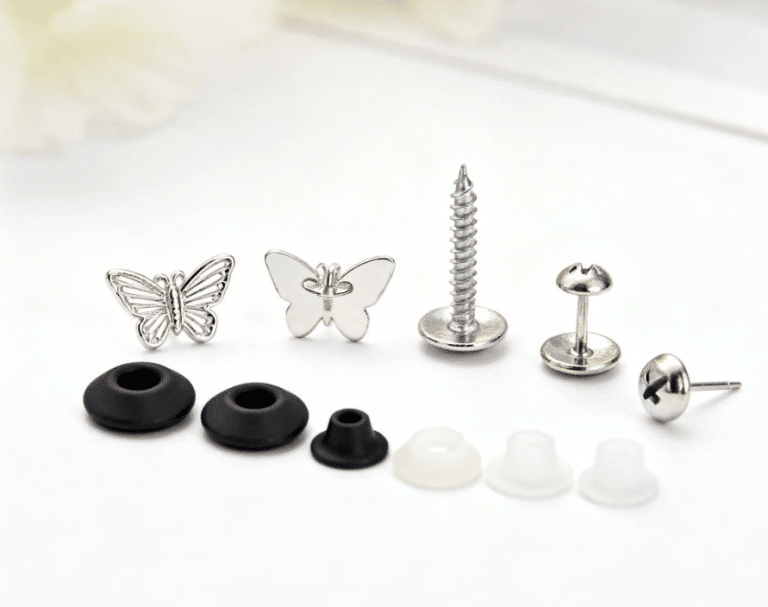
The Unseen Hero: Why Earring Backings Define Quality Jewelry
Every jewelry brand owner knows the sinking feeling. A customer calls, distraught. They’ve lost one

Choosing the Best Jewelry Stone Setting for Mass Production
Selecting the right jewelry stone setting is one of the most pivotal decisions for any
Best Jewelry Stone Setting for Mass Production | HonHo
Choosing the best jewelry stone setting Choosing the best jewelry stone setting is one of