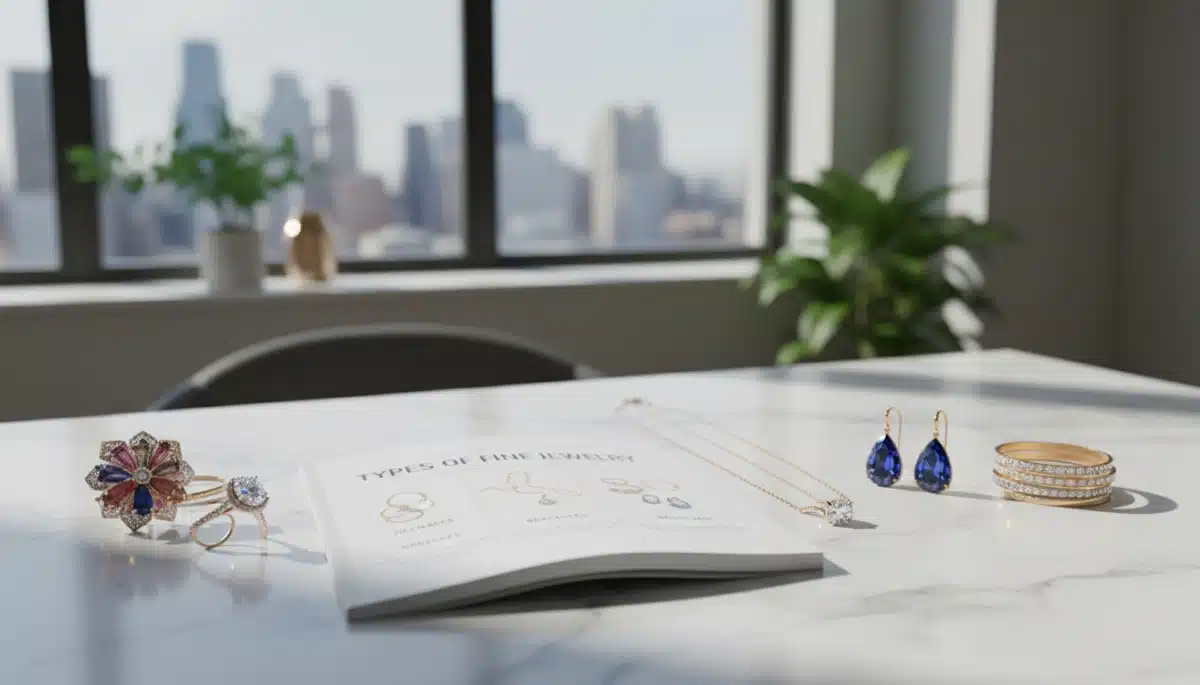

What Truly Defines Fine Jewelry?
When you invest in a piece of jewelry, the first question is usually: “Will this last?” Fine jewelry is defined by its material integrity and intrinsic value. Unlike mass-produced accessories that lose their luster within months, fine jewelry is crafted from high-quality precious metal jewelry and genuine gemstones. It is designed to be a permanent part of your collection, capable of being worn daily and eventually passed down as an heirloom.
Core Characteristics of Quality
To be classified as “fine,” a piece must meet specific standards of composition and construction:
- Noble Metals: Only solid gold (typically 14K or 18k gold jewelry), platinum, and sterling silver jewelry are used as the foundation.
- Genuine Gemstones: High-grade natural diamonds, rubies, sapphires, and emeralds are standard, often accompanied by certifications.
- Expert Craftsmanship: Every setting, prong, and clasp is engineered for security and comfort, ensuring the stones remain intact for decades.
Durability and Material Integrity
The true value of fine jewelry lies in its durability for lifelong wear. We prioritize materials that are chemically stable, meaning they won’t oxidize, turn your skin green, or degrade when exposed to the elements. This structural integrity is what allows these timeless jewelry pieces to maintain their beauty through generations of use.
Solid Gold vs. Base Metals
Understanding the difference between the core materials is essential for any serious collector.
| Feature | Fine Jewelry (Solid Gold/Platinum) | Fashion Jewelry (Base Metals) |
|---|---|---|
| Composition | Solid precious metal throughout | Brass, copper, or nickel with thin plating |
| Longevity | Lasts a lifetime; can be polished and repaired | Limited lifespan; plating eventually wears off |
| Hypoallergenic | Safe for sensitive skin | Often contains allergens like nickel |
| Resale Value | Retains high jewelry investment value | Virtually no resale value |
| Water Resistance | Waterproof and tarnish-resistant | Corrodes and discolors when wet |
By choosing heirloom quality jewelry, you are moving away from the “disposable” culture of fashion accessories and investing in pieces that hold their worth, both emotionally and financially.
Fine vs Fashion Jewelry: Knowing the Difference
When I talk about fine vs fashion jewelry, I’m looking at the difference between a lifetime investment and a temporary accessory. Fine jewelry is defined by its use of solid precious metals and genuine gemstones. Unlike costume jewelry, which relies on base metals like brass or copper that eventually tarnish or turn skin green, fine jewelry maintains its integrity forever.
I’ve broken down the key differences in this quick comparison table:
| Category | Base Materials | Gemstones | Durability |
|---|---|---|---|
| Fine Jewelry | 14K/18K Gold, Platinum | Diamonds, Sapphires, Rubies | Lifetime wear; can be resized/repaired. |
| Demi-Fine | 925 Sterling Silver | Lab-grown gems, Topaz, Quartz | High; great for daily style. |
| Fashion Jewelry | Brass, Zinc, Copper | Plastic, Glass, Cubic Zirconia | Short-term; prone to tarnishing. |
Understanding the Demi-Fine Jewelry Middle Ground
Demi-fine jewelry is the perfect “sweet spot” for shoppers who want quality without the high-end price tag of solid gold. This category usually features 925 sterling silver finished with a thick layer of gold vermeil. It looks and feels expensive but remains accessible. For those interested in the evolving trends of this market, I frequently update our jewelry news section with the latest material innovations.
High Jewelry vs Fine Jewelry: The Luxury Tier
Distinguishing high jewelry vs fine jewelry comes down to rarity and price point. While fine jewelry is meant for everyday elegance—think engagement rings or gold studs—High Jewelry (Haute Joaillerie) represents one-of-a-kind wearable art. These pieces feature exceptional, investment-grade stones and are often handmade by master artisans.
If you are looking to enter the market with your own branded line, I recommend checking out my wholesale custom jewelry manufacturer guide to see how these quality standards are maintained during production. Whether you are choosing everyday staples or “investment grade” pieces, knowing these categories ensures you get the real value you’re paying for.
Key Materials Determining Quality and Value
When I source materials for our collections, I prioritize the foundation of the piece. The intrinsic value of fine jewelry is dictated by the purity of the metals and the grade of the stones used. We focus on materials that offer a balance of luxury and long-term durability.
Precious Metals Breakdown
The metal choice determines the weight, color, and hypoallergenic properties of your jewelry.
| Metal Type | Purity/Stamp | Best Use Case |
|---|---|---|
| 18K Gold Jewelry | 75% Gold (750) | High-end luxury, rich yellow hue |
| 14K Gold Jewelry | 58.5% Gold (585) | Ideal for daily wear; harder than 18K |
| Platinum Jewelry | 90-95% Pure (Plat) | Naturally white, dense, and hypoallergenic |
| Sterling Silver Jewelry | 92.5% Silver (925) | The standard for high-quality silver pieces |
Decoding Karats, Alloys, and Purity Stamps
Gold in its purest form (24K) is too soft for functional jewelry. To ensure your pieces don’t bend or scratch easily, we use alloys—mixing gold with metals like copper, silver, or zinc. Always look for the jewelry hallmarks (the tiny stamps inside a band) to verify the metal’s authenticity and purity.
Natural Gemstones vs. Ethical Alternatives
Value is also driven by stone quality. I utilize the 4Cs of diamonds—Cut, Color, Clarity, and Carat—to evaluate both genuine gemstones and high-grade ethical alternatives. While natural stones hold traditional jewelry investment value, modern lab-grown options and top-tier crystals provide the same visual brilliance with a smaller environmental footprint.
Modern High-Value Options
Innovation in finishing has introduced ways to achieve a luxury look with enhanced resilience. For those seeking the gold aesthetic without the solid gold price tag, understanding the thickness of gold plating is essential, as a thicker layer ensures the piece remains durable everyday jewelry. Additionally, we utilize jewelry polishing techniques that harden the surface and maximize the “fire” and brilliance of the metal.
Quality Indicators and Hallmarks for Fine Jewelry

When you invest in high-end pieces, you need to know exactly what you’re paying for. Authentic fine jewelry carries specific markings and structural details that separate it from mass-produced fashion items.
Reading Purity Stamps and Certification Standards
Before buying, I always check for jewelry hallmarks. These tiny engravings are a legal requirement in the US to verify metal purity.
- Gold: Look for “14K” (58.3% purity) or “18K” (75% purity).
- Silver: High-quality silver must be stamped with “925,” indicating it is sterling silver jewelry.
- Platinum: Usually marked as “PLAT” or “PT950.”
- Maker’s Mark: A signature or logo that identifies the manufacturer, ensuring accountability for the metal quality.
Craftsmanship: Settings, Finishing, and Construction
The difference between a “good” piece and a “great” piece lies in the details. True quality is visible in the finishing:
- Prong Work: Prongs should be smooth, symmetrical, and tight against the stone to prevent snagging.
- Polish: High-value pieces feature a mirror-like finish even in hidden areas, like the inside of a ring gallery.
- Weight: Genuine precious metal jewelry feels substantial. If a gold ring feels light as air, it’s likely hollow or a base metal.
Durability and Hypoallergenic Performance
We prioritize materials that stand up to daily life. For those with sensitive skin, choosing hypoallergenic metals is essential to avoid irritation. I recommend reviewing this nickel-free jewelry guide to understand which alloys are safest for long-term wear.
| Feature | Quality Standard | Benefit |
|---|---|---|
| Metal Density | Solid (not hollow) | Prevents denting and warping |
| Plating | Thick Vermeil or PVD | Ensures waterproof jewelry materials last for years |
| Stone Security | Hand-set stones | Prevents loss compared to glued-in crystals |
Ethical and Sustainable Manufacturing Practices
Today, quality isn’t just about the physical product; it’s about the process. I focus on sustainable sourcing—using recycled metals and conflict-free stones. Durable everyday jewelry should be a purchase you feel good about, knowing it was made under fair labor conditions with minimal environmental impact. This commitment to ethics ensures your collection holds both moral and monetary value for generations.
How to Evaluate True Value in Fine Jewelry
When I look at the jewelry investment value of a piece, I focus on three core pillars: material rarity, construction quality, and historical appreciation. Unlike trend-based accessories, fine jewelry is an asset that maintains its worth long after the initial purchase.
Monetary Value and Resale Potential
The most direct way to measure value is through the scarcity of materials. Precious metal jewelry—specifically 18k gold and platinum—has intrinsic “melt value” that fluctuates with global markets.
- Rarity: High-grade natural gemstones and large carat weights are finite
The most direct way to measure value is through the scarcity of materials. Precious metal jewelry—specifically 18k gold and platinum—has intrinsic “melt value” that fluctuates with global markets.- Rarity: High-grade natural gemstones and large carat weights are finite resources.
- Resale: Solid gold pieces retain significant value, whereas understanding [how gold plated jewelry tarnishes](https://www.honhojewelry.The most direct way to measure value is through the scarcity of materials. Precious metal jewelry—specifically 18k gold and platinum—has intrinsic “melt value” that fluctuates with global markets.
- Rarity: High-grade natural gemstones and large carat weights are finite resources.
- Resale: Solid gold pieces retain significant value, whereas understanding how gold plated jewelry tarnishes over time explains why lower-tier items rarely have any resale potential.
- Authentication: Hallmarks and certifications ensure you are paying for actual purity, not just a brand name.
Heirloom Quality Jewelry for Generations
I believe the emotional value of a piece is tied directly to its durability. Heirloom quality jewelry is built to be worn for decades and eventually passed down. This “generational value” comes from expert craftsmanship—think secure stone settings and thick, durable bands that won’t thin out or snap after a few years of wear.
Long-Term Investment Perspective
Investing in fine jewelry is a smart way to diversify your personal “wealth portfolio.” While fashion jewelry is an expense, fine jewelry is a store of value.
| Value Factor | Impact on Investment |
|---|---|
| Material Purity | High purity (14k/18k) ensures better long-term metal stability. |
| Gemstone Grade | Certified stones (GIA/IGS) appreciate faster than uncertified ones. |
| Craftsmanship | Hand-finished details increase the “collector” value of a piece. |
| Market Hedge | Gold and platinum often act as a hedge against inflation in the US market. |
True value is found where high-grade materials meet timeless design. By choosing pieces with solid construction and certified stones, you ensure your collection remains both beautiful and financially sound for the long haul.
Popular Types and Categories of Fine Jewelry
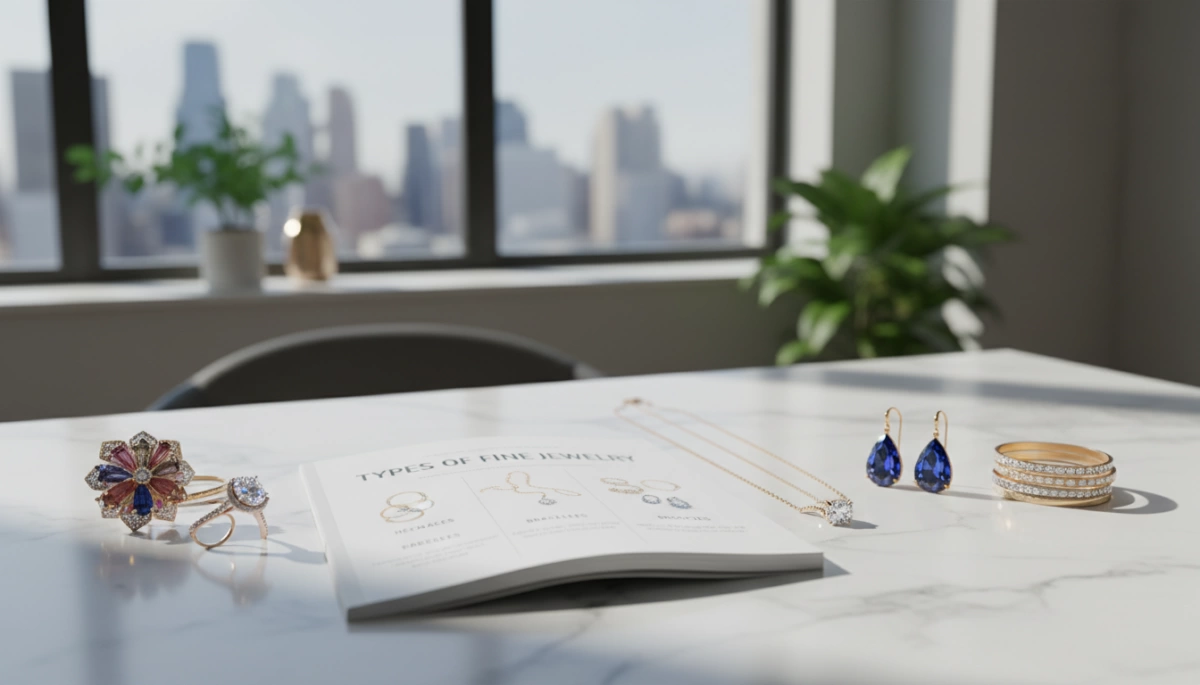
Building a jewelry wardrobe is about balancing durable everyday jewelry with high-value investments. I categorize fine jewelry into three distinct pillars to help you prioritize your purchases based on lifestyle and longevity.
Essential Everyday Pieces
These are the “workhorse” items in your collection. Because they are worn daily, they must be crafted from precious metal jewelry—like 14K gold or platinum—to resist tarnishing and skin irritation.
- Stud Earrings: Classic diamonds or solid gold spheres that transition from the gym to the office.
- Minimalist Rings: Thin bands or signet rings designed for comfort and stacking.
- Simple Chains: Lightweight necklaces that provide a subtle shimmer without overpowering an outfit.
Occasion-Specific Designs
Certain pieces are reserved for life’s biggest milestones. These timeless jewelry pieces carry deep emotional weight and are built to be passed down through generations.
- Engagement & Wedding Bands: The ultimate symbols of commitment, typically using the highest-grade metals and stones.
- Anniversary Staples: Often featuring genuine gemstones or tennis-style diamond settings.
- Statement Necklaces: Intricate designs intended for formal events or celebrations.
Foundation Collection Builders
When starting your high-value wardrobe, focus on heirloom quality jewelry that retains its value over time. I recommend starting with versatile basics from a reputable jewellery manufacturer to ensure the craftsmanship meets professional standards.
| Category | Recommended Materials | Primary Use |
|---|---|---|
| Everyday Essentials | 14K Gold, 925 Sterling Silver | Daily wear, layering, casual style |
| Occasion Staples | Platinum, 18K Gold, Diamonds | Weddings, anniversaries, galas |
| Foundation Pieces | Solid Gold, Natural Gemstones | Long-term investment, heritage gifts |
By selecting pieces across these categories, you create a balanced collection that offers both functional beauty and long-term financial value. Focus on quality over quantity to ensure every item in your jewelry box is built for a lifetime of wear.
Caring for Your Fine Jewelry to Preserve Lasting Brilliance
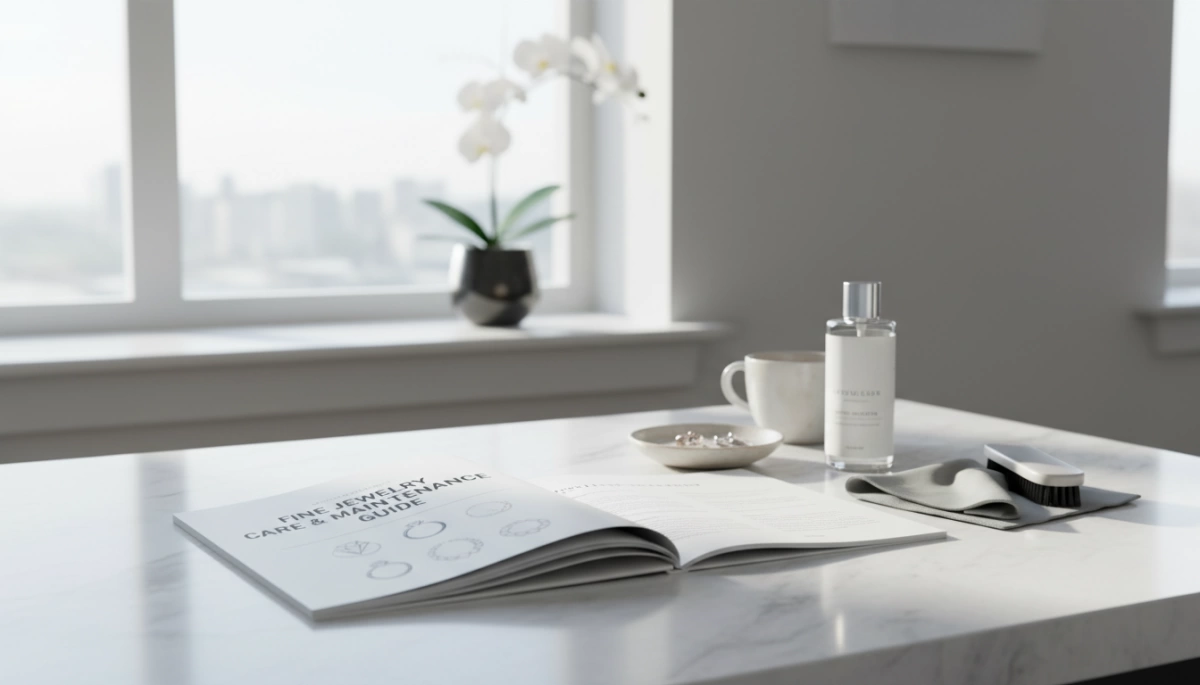
Maintaining fine jewelry isn’t just about keeping up the sparkle; it’s about protecting heirloom quality jewelry so it can be passed down for generations. Because pieces like 18k gold jewelry and platinum jewelry are crafted from high-purity precious metal jewelry, they require specific handling to avoid unnecessary surface wear or structural damage.
Daily Wear Best Practices
Even durable everyday jewelry needs a break to stay in peak condition.
- The “Last On, First Off” Rule: Always apply perfumes, lotions, and hairspray before putting on your jewelry. Chemicals in beauty products can dull the finish of precious metal jewelry.
- Avoid Harsh Environments: Remove rings and bracelets before hitting the gym, swimming in chlorinated pools, or using household cleaning agents.
- Protect the Settings: Take off jewelry during high-impact activities to prevent prongs from snagging or bending.
Professional Cleaning and Safe Storage
While sterling silver jewelry might only need a quick buff with a microfiber cloth to remove tarnish, high-value pieces deserve a more structured maintenance routine.
- Annual Inspections: I recommend having a professional jeweler check your stone settings and prongs at least once a year to ensure nothing is loose.
- Proper Storage: Never toss your timeless jewelry pieces into a cluttered drawer. Store them in individual soft pouches or lined compartments to prevent harder gemstones from scratching softer gold surfaces.
- Gentle Cleaning: For home care, a soft-bristled brush and warm, mild soapy water are usually all you need to restore brilliance to most gold and platinum pieces.
Preserving Long-Term Investment Value
Proper care is
Even durable everyday jewelry needs a break to stay in peak condition.
- The “Last On, First Off” Rule: Always apply perfumes, lotions, and hairspray before putting on your jewelry. Chemicals in beauty products can dull the finish of precious metal jewelry.
- Avoid Harsh Environments: Remove rings and bracelets before hitting the gym, swimming in chlorinated pools, or using household cleaning agents.
- Protect the Settings: Take off jewelry during high-impact activities to prevent prongs from snagging or bending.
Professional Cleaning and Safe Storage
While sterling silver jewelry might only need a quick buff with a microfiber cloth to remove tarnish, high-value pieces deserve a more structured maintenance routine.
- Annual Inspections: I recommend having a professional jeweler check your stone settings and prongs at least once a year to ensure nothing is loose.
- Proper Storage: Never toss your timeless jewelry pieces into a cluttered drawer. Store them in individual soft pouches or lined compartments to prevent harder gemstones from scratching softer gold surfaces.
- Gentle Cleaning: For home care, a soft-bristled brush and warm, mild soapy water are usually all you need to restore brilliance to most gold and platinum pieces.
Preserving Long-Term Investment Value
Proper care is the most effective way to maintain the jewelry investment value of your collection. While some [jewelry buyers focus solely on price](https://www.honhojewelry.Even durable everyday jewelry needs a break to stay in peak condition.
- The “Last On, First Off” Rule: Always apply perfumes, lotions, and hairspray before putting on your jewelry. Chemicals in beauty products can dull the finish of precious metal jewelry.
- Avoid Harsh Environments: Remove rings and bracelets before hitting the gym, swimming in chlorinated pools, or using household cleaning agents.
- Protect the Settings: Take off jewelry during high-impact activities to prevent prongs from snagging or bending.
Professional Cleaning and Safe Storage
While sterling silver jewelry might only need a quick buff with a microfiber cloth to remove tarnish, high-value pieces deserve a more structured maintenance routine.
- Annual Inspections: I recommend having a professional jeweler check your stone settings and prongs at least once a year to ensure nothing is loose.
- Proper Storage: Never toss your timeless jewelry pieces into a cluttered drawer. Store them in individual soft pouches or lined compartments to prevent harder gemstones from scratching softer gold surfaces.
- Gentle Cleaning: For home care, a soft-bristled brush and warm, mild soapy water are usually all you need to restore brilliance to most gold and platinum pieces.
Preserving Long-Term Investment Value
Proper care is the most effective way to maintain the jewelry investment value of your collection. While some jewelry buyers focus solely on price, true collectors know that the condition of the metal and the integrity of the gemstones are what dictate resale and appraisal value over time. Consistent maintenance ensures your pieces remain as stunning as the day they were first worn.
FAQs: Understanding What Is Fine Jewelry? Complete Guide to Quality, Value & Types
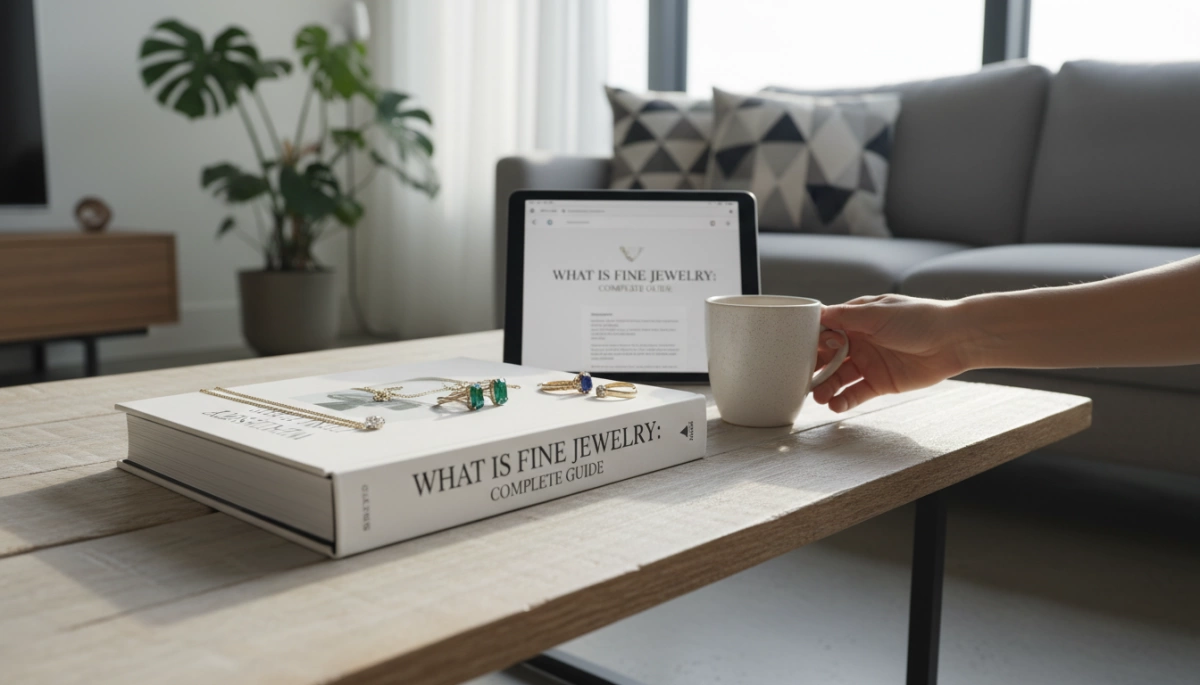
I get these questions from clients every day. When you are moving from trendy pieces to timeless jewelry pieces, you need clear answers on what you are actually paying for. Here is a breakdown of the most common concerns regarding quality and authenticity.
Is 925 Sterling Silver Considered Fine Jewelry?
Yes. Because silver is a precious metal, high-quality silver pieces fall into the fine jewelry category. When you understand the meaning of S925 on your jewelry, you know you are getting a piece composed of 92.5% pure silver. It is the perfect entry point for building a durable everyday jewelry collection without the higher price tag of gold or platinum.
How Can I Tell if a Piece Is Authentic?
You don’t need to be a gemologist to spot quality. I always recommend checking these three things first:
- Jewelry Hallmarks: Look for stamps like “14K,” “18K,” “925,” or “PLAT.”
- Weight: Precious metal jewelry feels heavier and more substantial than hollow or plastic-filled costume pieces.
- Certification: For high-value items, always ask for a lab report (like GIA or IGI) for genuine gemstones.
Can Fine Jewelry Be Well-Worn in Water?
Technically, yes, but with some common sense. Solid gold and platinum are highly resistant to water. However, I advise caution with sterling silver jewelry in chlorinated pools or hot tubs, as chemicals can accelerate tarnishing. If you want durable everyday jewelry that stays bright, stick to solid gold or high-grade platinum for your “never-take-off” pieces.
What Makes a Piece “Investment Grade”?
Not every piece of fine jewelry is an investment, but heirloom quality jewelry holds its value through:
- Material Purity: Higher karat gold (18K+) and platinum.
- Rarity: Natural, untreated gemstones with high-tier diamond quality ratings.
- Craftsmanship: Hand-finished details that ensure the piece lasts for generations.
- Market Demand: Iconic styles that remain relevant regardless of current fashion trends.
Sourcing High-Quality Fine Jewelry
When sourcing for our collections, I prioritize non-tarnish performance and technical precision. We don’t just look for beauty; we focus on waterproof durability and high-grade construction. By utilizing an extensive jewelry findings guide, we ensure that every clasp, jump ring, and setting meets the rigorous demands of durable everyday jewelry.
Customization and Private Label Services
We specialize in turning vision into reality through our private label options. Whether you are scaling a brand or creating a bespoke line, our manufacturing process is designed for exclusivity and excellence.
- Advanced Engineering: We use specialized vacuum plating and solid metal casting to guarantee longevity and a hypoallergenic finish.
- Exclusive Designs: Our team handles the entire lifecycle of a piece, from initial 3D CAD modeling to the final hand-polish.
- Value Optimization: We maintain transparency in our sourcing, understanding wholesale jewelry pricing to ensure every piece offers maximum jewelry investment value for our clients.
Our commitment to superior craftsmanship ensures that every piece of 18k gold jewelry or 925 sterling silver we source remains a lasting staple in any high-value wardrobe.
Related Sources
https://www.bcorporation.net/en-us/find-a-b-corp/company/boma-jewelry
https://www.jewelers.org/education/jewelry-buying-guide
https://www.ritani.com/blogs/news/fine-jewelry-vs-fashion-jewelry-vs-demi-fine-jewelry
https://www.instyle.com/fashion/accessories/jewelry/high-jewelry-vs-fine-jewelry
https://www.royalmint.com/collector-services/hallmarking
https://www.assayofficelondon.co
https://www.thespruce.com/pvd-coating-gold-jewelry-5219213
https://www.monicavinader.com/us/blog/what-is-gold-vermeil
https://www.worthy.com/blog/jewelry/fine-jewelry-vs-fashion-jewelry
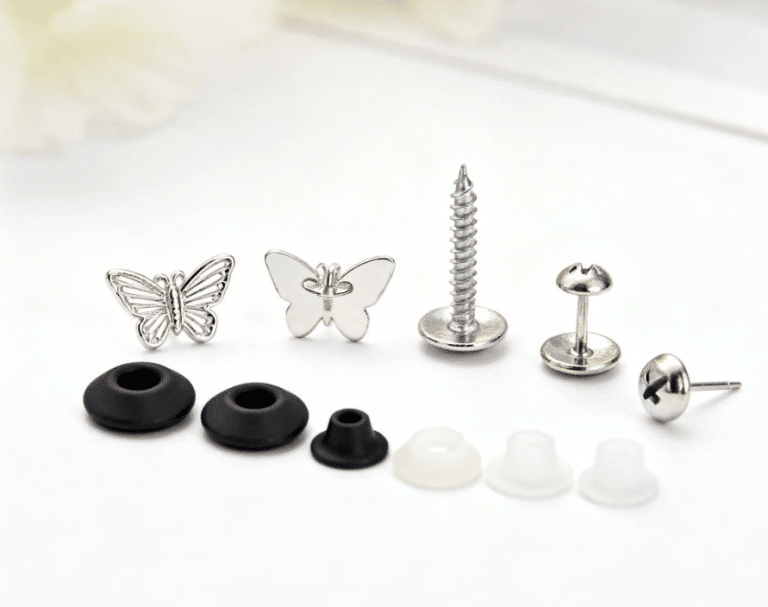
The Unseen Hero: Why Earring Backings Define Quality Jewelry
Every jewelry brand owner knows the sinking feeling. A customer calls, distraught. They’ve lost one
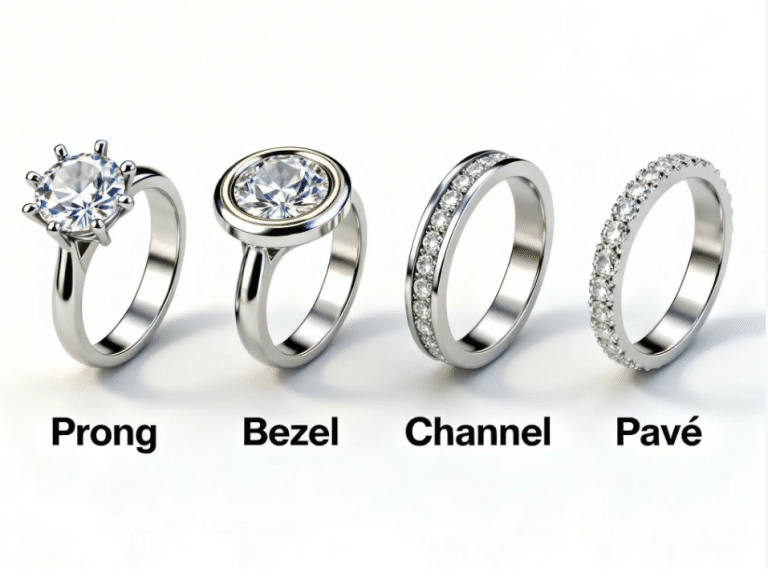
Choosing the Best Jewelry Stone Setting for Mass Production
Selecting the right jewelry stone setting is one of the most pivotal decisions for any
Best Jewelry Stone Setting for Mass Production | HonHo
Choosing the best jewelry stone setting Choosing the best jewelry stone setting is one of