

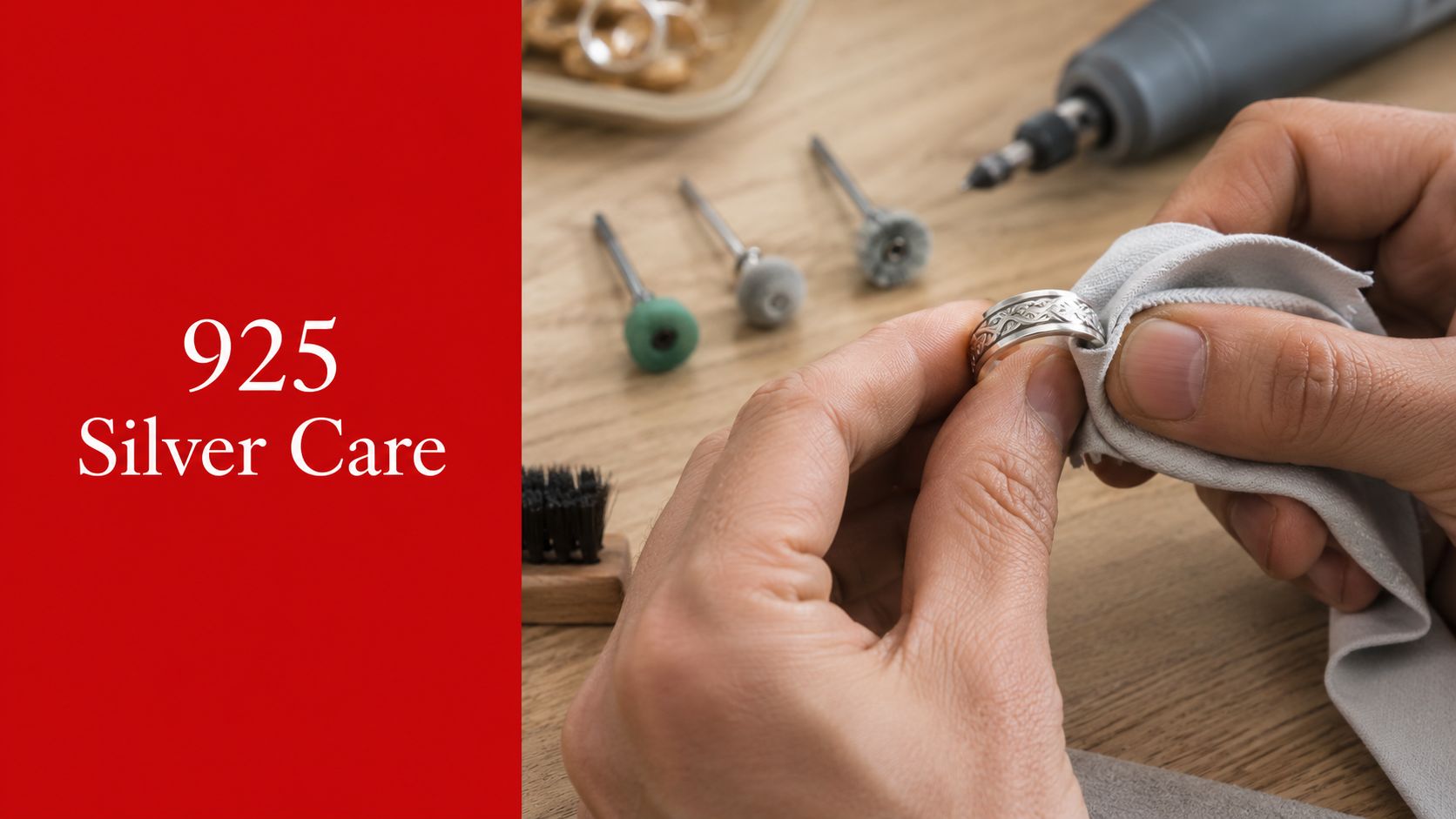
Yes, 925 sterling silver does tarnish. It contains 92.5% pure silver and 7.5% other metals, most commonly copper, and that copper naturally reacts with air and sulfur compounds over time, so the question for jewelry brands isn’t whether tarnish happens, but how well manufacturing choices control it.
Most retail content stops at polishing tips. That’s too late in the process for a brand owner. If you’re building a private label line, sourcing wholesale jewelry, or comparing OEM/ODM suppliers, tarnish resistance starts with alloy behavior, finishing methods, plating quality, packaging decisions, and the care guidance you give customers at launch.
A customer sees darkening on a ring or necklace and often assumes the piece is low quality. In many cases, the opposite is true. 925 sterling silver naturally tarnishes due to oxidation when exposed to air, moisture, and everyday elements like sulfur, a chemical reaction that darkens the surface over time regardless of care (material overview for 925 silver).
For brands, that changes the conversation. Tarnish isn’t just a product care issue. It affects return rates, product reviews, FAQ volume, and how clearly your team explains material behavior.
If you sell custom jewelry or wholesale jewelry, you need product pages and care cards that set the right expectation from day one. A polished finish may look perfect at final inspection, but storage, plating selection, and customer use conditions will decide how that finish performs in the market.
Three business risks show up quickly:
Tarnish is a material property. Customer frustration usually comes from poor explanation, weak finishing choices, or both.
A capable manufacturing partner helps at both levels. In practical terms, that means reviewing the base material, recommending the right finish for the use case, checking plating consistency, and aligning packaging with the metal’s behavior. In custom jewelry production, those decisions matter as much as design.
For newer brands, supplier value becomes visible. A factory shouldn’t only make the piece. It should help you decide whether a sterling silver style needs bare silver, rhodium, electroplating, or a more durable protective process based on your target customer, price point, and expected wear pattern.
Sterling silver works because it balances beauty and strength. The chemistry behind that balance is simple, and every brand owner should understand it before approving samples.
925 sterling silver does tarnish because it is an alloy composed of exactly 92.5% pure silver and 7.5% other metals, most commonly copper. The copper reacts with oxygen and sulfur compounds in the air to form a darkened layer of silver oxide known as patina (sterling silver tarnish explanation).
Pure silver is softer and less practical for everyday jewelry. The copper addition gives the metal the hardness and tensile strength needed for rings, pendants, earrings, and chains that have to survive normal wear, shipping, and handling in retail environments.

If you need a simple way to explain this to customers or junior buyers, use this comparison: silver is the visible surface people want, and copper is the structural support that makes the piece wearable. That support metal also introduces the reactivity that leads to discoloration.
For teams working across multiple metals, a technical reference like this guide to specifying copper blackening helps frame how reactive copper-based surfaces behave under different finishing conditions.
Tarnish changes appearance first. It doesn’t mean the metal has structurally failed. That distinction matters when your customer service team handles complaints. A darkened chain may need cleaning or refinishing, but it isn’t the same as porosity, bad soldering, weak cast structure, or faulty stone setting.
This is also why a stamp such as S925 shouldn’t be treated as a promise that the item will stay bright forever. It identifies the alloy standard, not a no-maintenance finish. Brands that sell sterling silver should explain that clearly, especially in private label programs where customers compare silver against stainless steel or coated brass.
For a buyer reviewing silver specifications, this overview of what S925 means on jewelry is useful because it connects the stamp to composition and expected use in production.
| Material point | What it means in practice |
|---|---|
| 92.5% silver | Bright appearance and strong consumer recognition |
| 7.5% alloy metal | Better durability for wearable jewelry |
| Copper in the alloy | Main reason sterling silver can darken over time |
Some pieces darken slowly. Others come back from customers much sooner than expected. The difference often has less to do with the silver grade and more to do with exposure conditions.

In production and after-sales review, the usual accelerators are easy to spot. Humidity, airborne sulfur, lotions, perfume, and long periods of open-air storage all create a more reactive environment. A silver sample can leave the factory bright, then reach the end user after repeated contact with moisture and cosmetic residue.
That’s why sample approval alone isn’t enough. Brands should test how a piece behaves after packing, shipping, and daily wear. This matters even more for necklaces and bracelets, which sit against skin for long periods and pick up residue from fragrance, sunscreen, and body care products.
Many brands overlook the underlying problem. Data shows that 40% of jewelry returns due to ‘premature tarnishing’ stem from acidic sweat (pH <5.5) reacting with copper, not poor storage (skin chemistry and tarnish behavior).
That has two important implications:
A brand that sells sterling silver should train support staff to ask where and how the piece was worn, not just how it was stored.
For product development teams, this is also a material R&D issue. Work on coatings, alloy behavior, and protective layers increasingly overlaps with broader materials science. Resources on AI for polymer and chemical R&D are useful if your team wants to understand how manufacturers evaluate structure-property relationships more systematically.
If your buyers are still comparing “silver” as one general category, this guide to sterling silver vs silver differences helps clarify why composition changes performance.
Don’t write a care guide that blames the customer or overpromises resistance. Build your post-sale content around realistic conditions:
Good care guidance reduces confusion, avoids unnecessary returns, and protects the finish you worked to produce. For brands, this is product-support content you can adapt for inserts, packaging cards, and post-purchase email flows.

The basics still matter when they’re stated clearly and followed consistently.
Sterling silver also behaves differently when worn versus left untouched. Regular wear can help some pieces stay brighter because light friction removes early surface buildup, while jewelry sitting in a box oxidizes from the air. That doesn’t mean all wear is protective. Harsh exposure still speeds discoloration.
Here’s a useful visual reference for customer education:
A lot of damage comes from over-cleaning, not under-cleaning. Hard rubbing, rough cloths, and delayed cleaning after heavy buildup often make the surface harder to restore neatly.
Practical rule: Tell customers to wipe gently and often, not aggressively and rarely.
For brands building a care insert, a focused resource on jewelry cleaning solutions can help align cleaning methods with different finishes, stone settings, and plating types.
If you’re sourcing for resale, the strongest lever isn’t the cleaning cloth. It’s the finish you choose before production starts.
Standard sterling silver gives customers the authentic silver look many buyers want, but it leaves the reactive alloy more exposed. That can be acceptable for classic silver lines if your brand is clear about care and maintenance.
Electroplating adds another layer, but the trade-off is wear. Traditional plated surfaces can lose their protective effect once friction breaks through the outer layer. Rhodium plating is a common option when brands want a brighter white appearance and reduced tarnish, though that finish also needs maintenance over time.

A useful comparison point comes from plated silver products. When 925 sterling silver is plated with gold using traditional electroplating, it can still tarnish over time as the thin gold layer wears away, typically lasting only 30 seconds to a few months before the base metal shows, especially with daily friction (electroplating wear behavior).
For brands that want stronger long-term resistance, PVD deserves serious attention. PVD (Physical Vapor Deposition) coating on jewelry creates a molecularly bonded layer that is chemically inert and does not tarnish like electroplated or gold-filled jewelry, offering superior tarnish resistance due to its 800–2000 HV hardness versus 100–200 HV for electroplating (PVD hardness and resistance comparison).
That difference matters in real-world sourcing because hardness and bond quality affect how quickly a finish shows wear on high-contact zones like ring shanks, clasp edges, and chain connection points.
Here’s the practical manufacturing view:
| Finish option | Main advantage | Main trade-off |
|---|---|---|
| Bare 925 silver | Authentic silver material and easy refinishing | Natural tarnish must be managed |
| Electroplating | Flexible color options and lower initial cost | Surface wear can expose base metal faster |
| Rhodium plating | Brighter white look and added barrier | Needs periodic reapplication |
| PVD coating | Stronger bond and higher hardness | Best suited when design and production process are matched correctly |
One production route some buyers now prefer is combining sterling silver design with a more protective finishing strategy and tighter QC around wear points. That includes plating thickness checks, surface preparation before coating, and corrosion review after finishing. As one sourcing option among others, HonHo Jewelry’s anti-tarnish manufacturing approach includes in-house PVD and electroplating, adjustable coating thickness, corrosion testing, and a two-year plating color retention warranty under normal wear.
If your sales channel expects low-maintenance jewelry, don’t rely on sterling silver alone to deliver that promise. Specify the finish and test it.
The most common mistake is choosing by appearance at sample stage only. A bright sample doesn’t prove durable wear. Buyers should review:
The question isn’t only “Does 925 sterling silver tarnish.” It does. The better sourcing question is whether your supplier understands how material choice, finishing, testing, and packaging shape that outcome.
A reliable factory should answer technical questions without hiding behind generic phrases like “high quality silver” or “long-lasting plating.” In wholesale jewelry and private label production, vague claims usually lead to expensive follow-up later.
Use a vetting checklist that focuses on process, not just price.
If you’re comparing multiple vendors, it also helps to review broader thinking around sourcing for consumer goods, then narrow your evaluation to jewelry-specific process control.
For teams building a shortlist, this jewelry manufacturer vetting guide is a practical starting point because it frames the questions around capability, quality systems, and communication discipline.
A good supplier won’t promise that sterling silver never tarnishes. They’ll tell you how to reduce the risk, which finish fits the product, and what support materials your brand should send with every order.
If you’re developing a sterling silver line and want clearer guidance on finish selection, OEM/ODM production, sampling, or anti-tarnish options, HonHo Jewelry can support custom jewelry manufacturing from CAD and prototyping through plating, quality control, private label packaging, and global fulfillment.
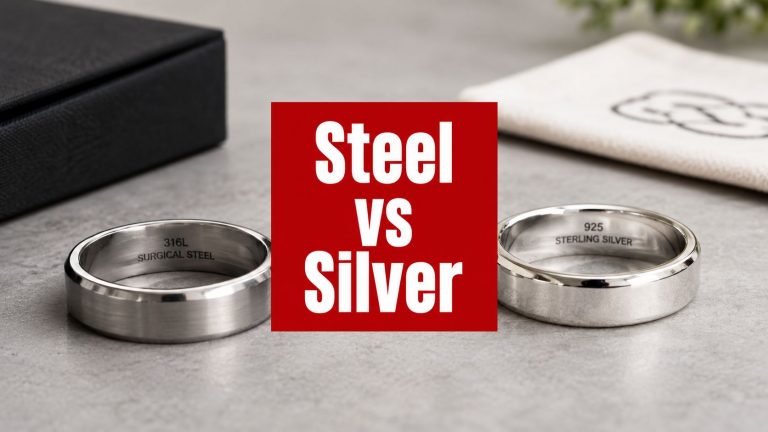
You’re pricing a new collection, and the sample tray is already split down the middle. The 316L surgical steel pieces look cleaner on cost and daily wear, the
You probably have a launch already in motion, a supplier sample on your desk, and one uncomfortable question underneath it all, will this gold color still look clean
You’re refining a ring design, the stone looks right, the setting is approved, and the band still feels like a detail you can solve later. That’s where many