Fine jewelry usually refers to pieces made from precious metals, such as gold alloys, platinum or sterling silver, sometimes set with gemstones. The label alone does not establish durability, authenticity or resale value. Read the actual metal and stone description, then inspect how the piece is made.
| Common retail label | Typical use | What the buyer still needs |
|---|---|---|
| Fine jewelry | Precious-metal pieces, with or without gemstones | Metal fineness, construction, stone identity and relevant evidence |
| Demi-fine jewelry | A variable marketing category, often used for coated silver or other ranges positioned between fashion and fine | The actual substrate, surface layer and findings; the label is not a uniform specification |
| Fashion or costume jewelry | Style-led pieces often using base metals, coatings or imitation stones | Accurate materials, workmanship, fit and care appropriate to the piece |
These are common uses, not certifications or a universal grading scale. Gold-plated sterling silver and gold-plated brass have different substrates even if both are advertised as demi-fine. A jewelers’ discussion about the meaning of demi-fine shows why customers need a plain material description beside the category name. Do not use the label to conceal the base metal or imply that an imitation is a natural gemstone.
These categories are used differently by sellers. A well-made fashion piece can suit its intended use, while a fine-jewelry piece can still have a delicate chain or a vulnerable setting. Compare the product specification rather than assuming one label guarantees quality.
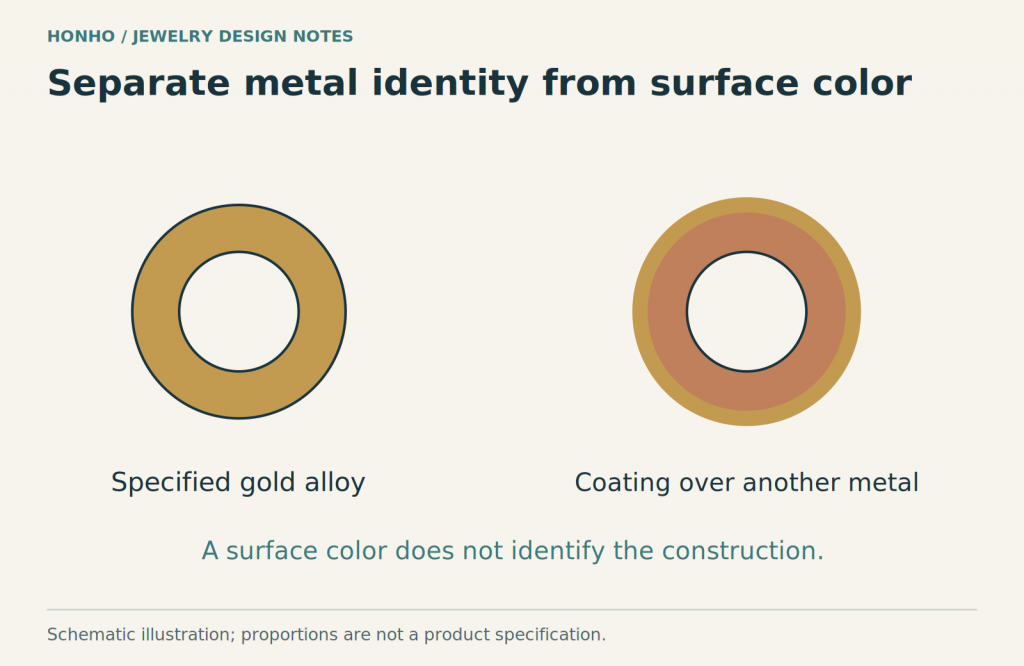
A description such as 18K gold identifies the fineness of a gold alloy. It does not, by itself, tell you whether a piece is hollow. Gold plated describes a coating on another material; it should not be confused with a gold alloy throughout the item. Ask separately about the body, chain, clasp, solder and other findings.
For a silver collection, our sterling silver manufacturing page explains the production route. If you are comparing coated products, use the gold-plated jewelry guide and gold-filled jewelry guide to separate their constructions. For U.S. product descriptions, consult the FTC Jewelry Guides rather than treating marketing labels as interchangeable.
No. Precious-metal fineness and physical construction answer different questions. A piece can use a stated gold alloy yet contain hollow sections. In a buyer discussion about solid and hollow fine jewelry, the practical concern is everyday use. A light feel or a brand name cannot settle how an individual piece is built.
Ask which sections are hollow, how they are joined and what repair or resizing is possible. Compare weight only alongside dimensions and construction; it is not a stand-alone quality grade. For U.S. descriptions, the FTC explains that “solid gold” describes a non-hollow item. Use a clear alloy description and disclose hollow construction rather than relying on ambiguous shorthand.
Ask what the stone is, whether it is natural or laboratory-grown, and whether treatments are disclosed. A natural gemstone is not automatically better suited to every design, and a laboratory-grown stone should be described accurately. Imitations are a separate category and should not be presented as the gemstone they resemble.
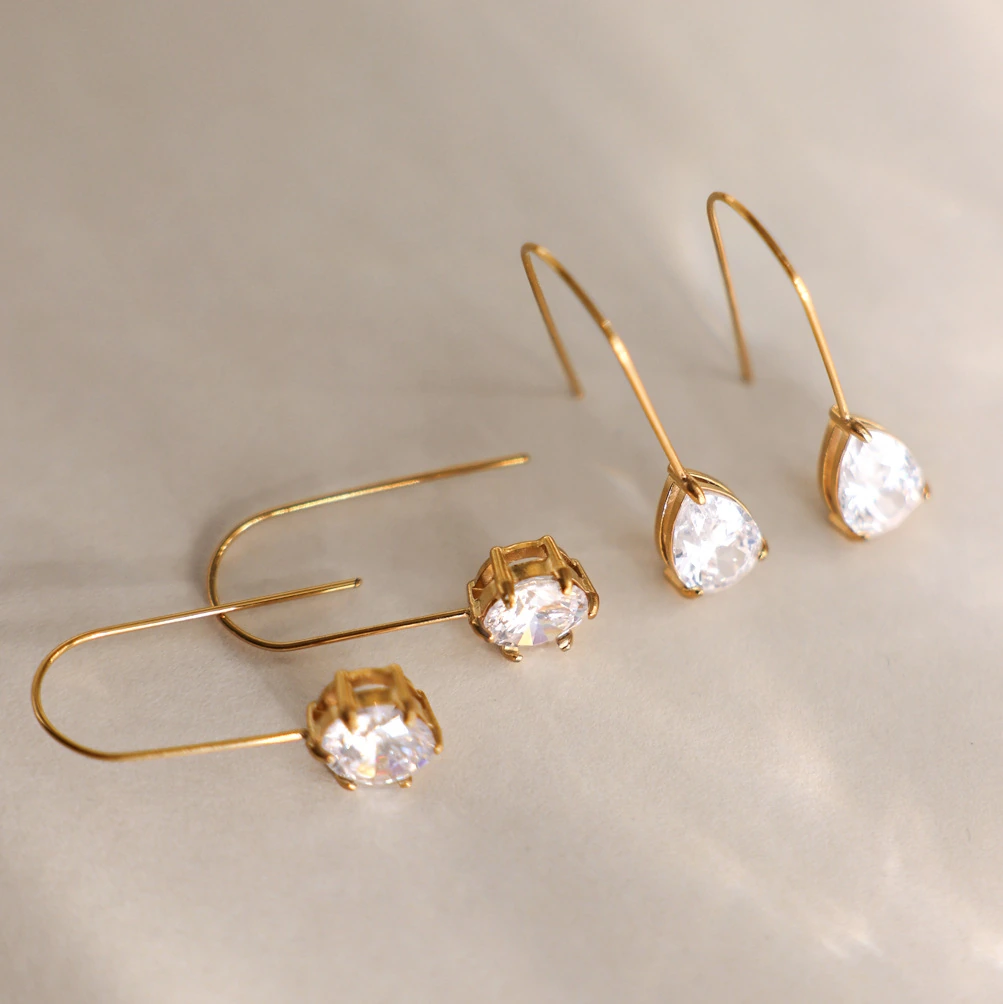
For diamonds, the GIA 4Cs provide a framework for discussing cut, color, clarity and carat weight. Do not apply that same grading system to every colored stone or pearl. Where a laboratory report is appropriate, check that its measurements and identification match the actual item and verify the report with its issuer.
Pearls need a different comparison from diamonds. The pearl type and quality guide explains cultured categories, matching and treatment questions for a pearl-set piece.
A mark is useful evidence, but a stamp alone does not prove that a piece matches its advertised composition. Hallmarking systems and exemptions differ by market. The Goldsmiths’ Company Assay Office explains UK hallmark components; use the rules for the country where the item will be sold.
For a wholesale order, record the material claim, required marks and supporting documents in the purchase specification. Inspect the marks on the approved sample and agree how the production lot will be checked. Keep supplier declarations separate from independent test or assay results.
Look for smooth contact surfaces, aligned joints, secure settings and a clasp that closes fully. Check chain ends and connecting rings, not just the center pendant. A polished photograph cannot show whether an earring back fits its post or whether a fine chain suits the weight of the design.
For a new design, start with a dimensioned drawing and a finished sample. Identify the parts most likely to bend, catch or receive friction, then agree an inspection plan. HonHo’s custom jewelry quote checklist helps brands record these details before comparing suppliers.
A fine-jewelry description should tell the buyer what the metal is, how the piece is built and what any stones are. Those choices are related, but one does not establish the others. A precious-metal pendant can be hollow or solid in its physical section, and it can be supplied on a chain with a different specification. A natural stone can be treated; a laboratory-grown stone can have its own quality differences.
For a brand, create a component record before writing the retail title. Identify the body alloy and fineness, chain, clasp, post or backing, coating where present, and each stone’s identity and disclosure. This avoids reducing a mixed assembly to a single attractive word such as “gold” or “fine.”
The karat number expresses gold content in parts out of 24: 18K corresponds to 18/24, or 75%, while 14K corresponds nominally to 14/24. The remaining alloy constituents and the construction also matter to color, manufacturing and the product’s intended use. Ask for the actual alloy and finish rather than predicting every property from karat alone.
Keep fineness separate from a coating description. A gold-coated silver item needs both the silver-base description and the coating specification. A gold-colored base-metal piece should be described according to its actual materials, even if its design and workmanship are carefully executed.
A thin section can bend, a poorly fitted clasp can open, and a setting can need maintenance regardless of the retail category. On a sample, review the places that contact skin or carry the assembly: ring interior, bail, chain ends, posts and backs. Ask about repair access before approving a complex design whose stones or finish may be difficult to service later.
For a daily-wear ring, consider the setting height, contact with adjacent rings and the proposed resizing route. For earrings, evaluate weight and balance. These checks explain how a well-specified piece suits its customer more clearly than a claim that all fine jewelry is automatically durable.
Retail prices include materials, design, labor, distribution and brand positioning. A resale offer may reflect a very different set of costs and buyer preferences. Precious-metal content can contribute recoverable value, but it does not guarantee that the purchase price will be recovered.
The World Gold Council’s gold market data is useful background for gold prices. It is not an appraisal of a finished necklace or ring. If resale value matters to a purchase, obtain a valuation appropriate to that purpose rather than relying on a general “investment jewelry” claim.
Choose care instructions for the metal, coating, stones, adhesives and construction together. Avoid household cleaners and abrasive polishing on unfamiliar pieces. Store items separately and check clasps and settings before wear. GIA’s jewelry-care guidance explains why gemstones and treatments can require different handling.
| Listing phrase | What it tells you | What still needs checking |
|---|---|---|
| 18K gold | A stated gold fineness | Construction, component coverage and supporting evidence. |
| Sterling silver with gold plating | A stated substrate and surface treatment | Coating specification and separate findings. |
| Laboratory-grown gemstone | A stated origin for a named gem material | Correct identity, treatments and any relevant report. |
| Fine jewelry | A broad retail category | The actual materials, workmanship and terms of sale. |
A listing that supplies those details is more useful than one that relies on “luxury” or “investment grade.” Ask for clarification before buying when the title and specification disagree. Retain the product description with the receipt, especially for a custom piece whose public listing may change.
For an individual purchase, the jewelry buying checklist covers fit, returns and inspection. For a collection, put the same material descriptions into the purchase specification and approve a sample before accepting substitutions.
Decide what the customer is paying for and which facts support that proposition. A sterling silver collection should have a consistent material description, component controls and applicable marks. A coated-silver collection also needs a defined finish and care expectations. A gemstone-led design needs clear identity and treatment disclosures as well as sound setting work.
| Product promise | What the buyer should retain |
|---|---|
| Specified precious-metal content | Component descriptions, appropriate evidence and applicable marking requirements |
| A named gemstone or pearl | Identity, origin terminology, treatments and relevant reports |
| A particular coating | Substrate, layer description, finish reference and care information |
| Repair or replacement support | Actual service scope, limitations and written terms |
Make the same information available to the retailer or customer-service team. A product page can be accurate at launch yet become misleading if a clasp changes or a replacement chain uses another construction. Review component changes before reusing the original description.
Look beyond the front-facing design. Check fit, setting alignment, surface edges, fastening and markings. Review the packed piece, including whether a delicate chain is protected from tangling or a pearl can rub against a harder component. Ask what care and inspection the customer will be expected to perform.
For HonHo 925 sterling silver custom development, the current starting quantity is 30 pieces per style. Send the design, size and finish breakdown, stones, quantity and destination market for a quotation. Sample charges, tooling and any reports should be identified separately. The current sample planning window starts at 15–20 days and extends to one month, with bulk production planned at 25–35 days; agree the start milestone and day basis for the actual order.
HonHo’s confirmed core development context includes stainless steel, brass and 925 sterling silver. A blog explanation of gold or platinum does not itself establish an offer to manufacture every precious-metal construction. State the required material in the inquiry and obtain a specific feasibility response before building the collection plan around it.
Is sterling silver fine jewelry? Sterling silver is commonly included in fine-jewelry ranges. The useful questions are whether the material is described accurately and whether the construction suits the intended wear.
Can fine jewelry contain laboratory-grown stones? Yes. The metal and gemstone identities should be disclosed clearly; “fine” does not establish whether a stone is natural or laboratory-grown.
Can fine jewelry be worn in water? There is no universal answer for the category. Follow the maker’s instructions for the specific piece, including any coating, pearl, adhesive or stone treatment.
What should a brand request from a manufacturer? Ask for the component materials, dimensions, finish, stone disclosures, sample approval process, test scope, packaging and repair arrangements. Send these details with a written quotation request so that price comparisons refer to the same construction.
For a new collection, send HonHo the intended material description, gemstone requirements, drawings and quantities. Confirm which construction and supporting documentation can be supplied for that project. Contact HonHo with these details.
Updated October 18, 2026.
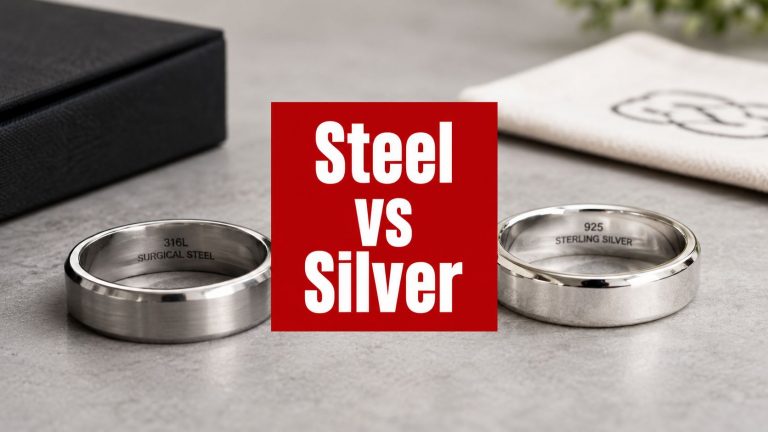
You’re pricing a new collection, and the sample tray is already split down the middle. The 316L surgical steel pieces look cleaner on cost and daily wear, the
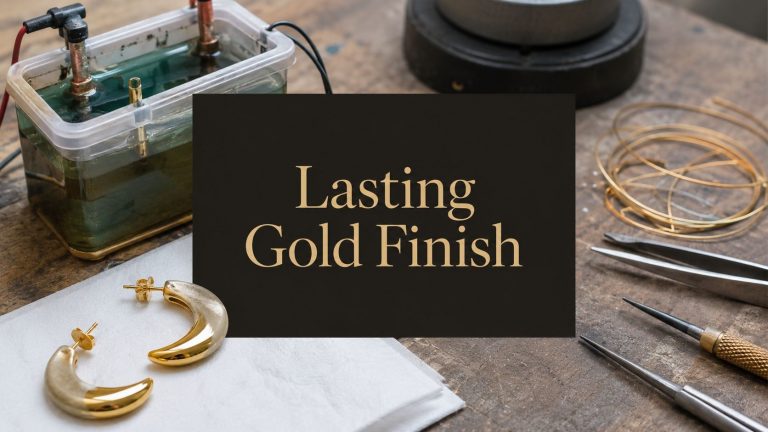
You probably have a launch already in motion, a supplier sample on your desk, and one uncomfortable question underneath it all, will this gold color still look clean
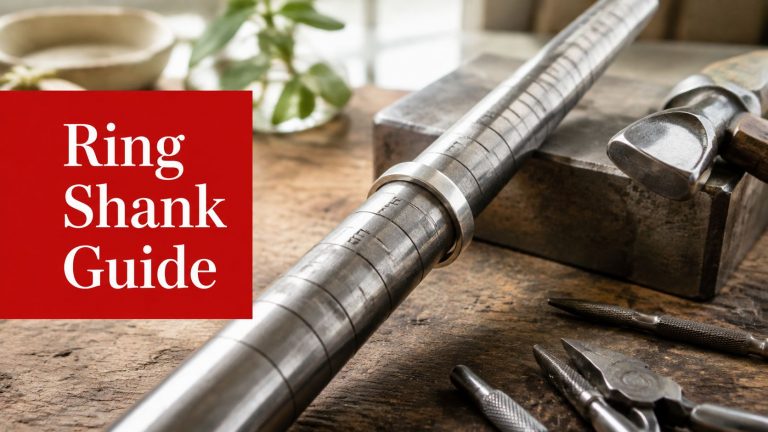
If you are developing the ring itself, compare ring fabrication, casting and CAD methods before approving the shank dimensions and manufacturing route. You’re refining a ring design, the