
Choosing the Right Jewelry Clasp for Custom Designs
Introduction
When designing custom jewelry, the clasp is often the unsung hero – it’s the functional element that holds the piece together, but it can also make a bold design statement. Selecting the right clasp is crucial to ensure both the security and aesthetic of the jewelry align with your vision. In this comprehensive guide, we’ll explore the different types of jewelry clasps, the factors to consider in custom designs, and key considerations like durability and testing, failure modes, accessibility, sustainability, legal compliance, and even the future of smart jewelry clasps. By the end, you’ll have the knowledge to make an informed decision for your next custom jewelry project. Let’s dive in!
Understanding Jewelry Clasp Types
Jewelry clasps come in a variety of styles, each with its own mechanism and application. Here’s a breakdown of the most common types:
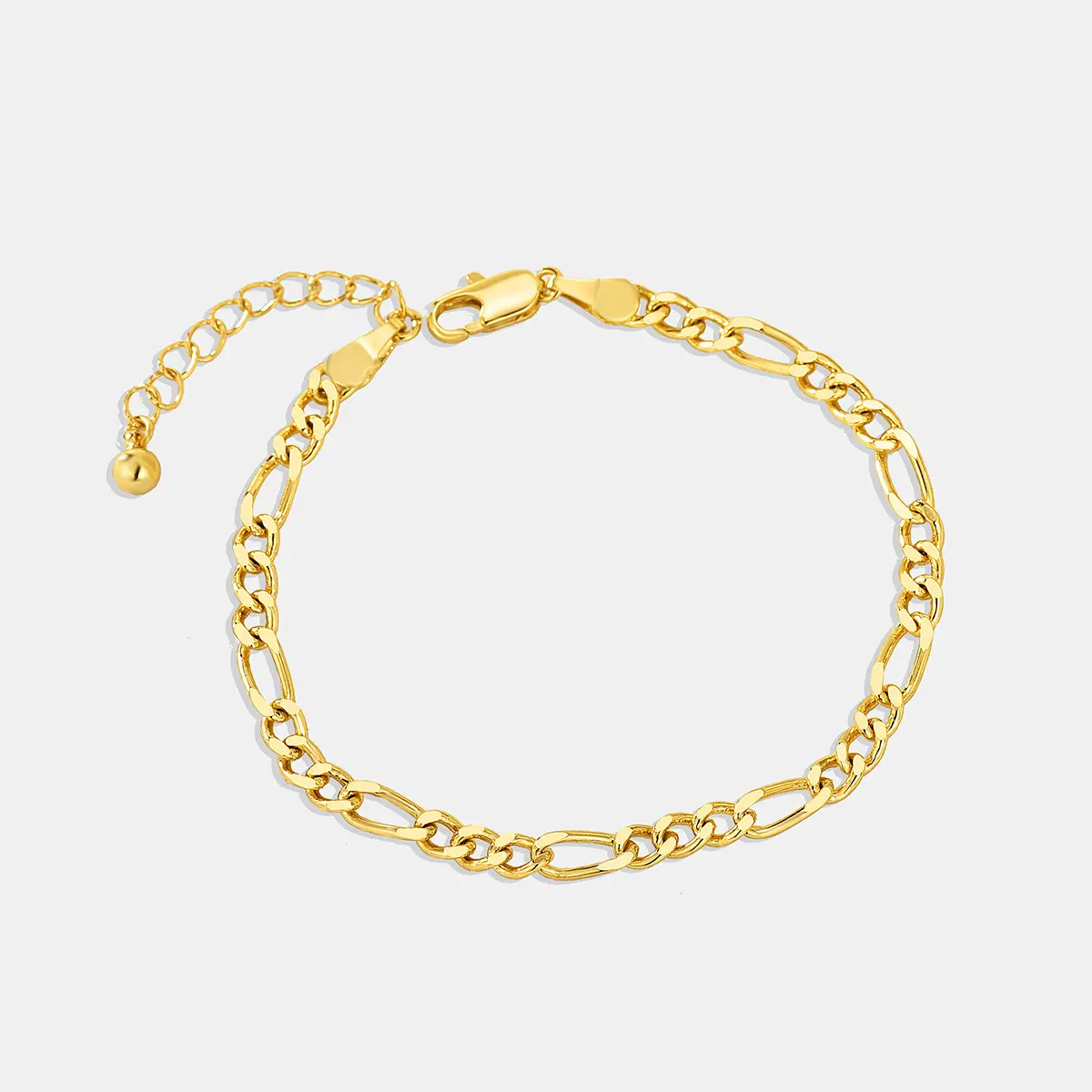
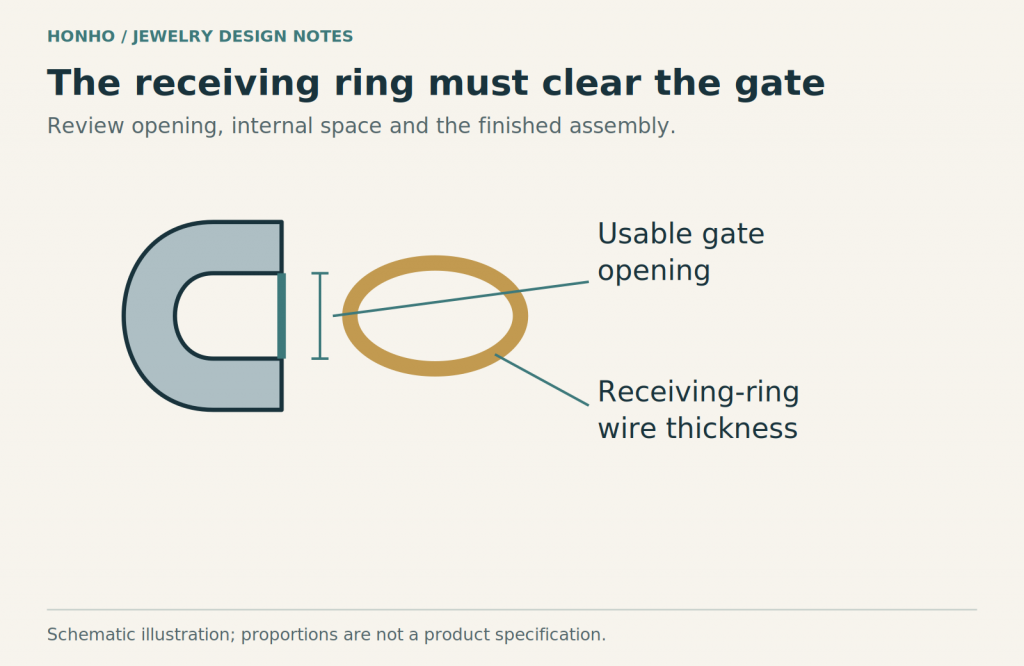
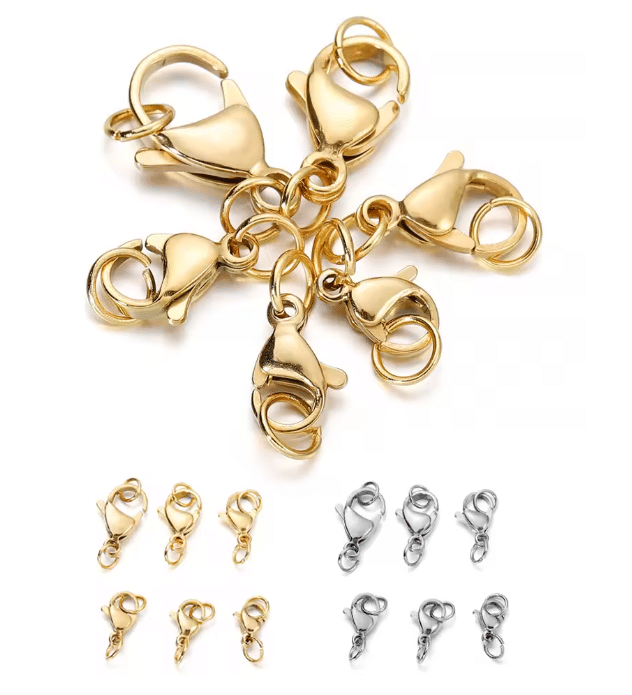
- Lobster Claw Clasps: Named for their resemblance to a lobster’s claw, these clasps have a spring-loaded hook that opens when a small lever is pressed. They are extremely secure and easy to use with one hand, making them a popular choice for necklaces and bracelets . Lobster clasps are known for their strength and reliability, ideal for heavier pieces and everyday wear . They are available in various sizes and finishes, from small delicate versions to large ornate ones.

- Spring Ring Clasps: These are small circular clasps with a spring-loaded inner lever that retracts to open and springs shut to close . Spring ring clasps are very discreet and classic, often used in fine jewelry for their minimalistic look. They are perfect for lightweight necklaces and anklets due to their small size . However, they can be tricky for those with limited dexterity because of their tiny size.

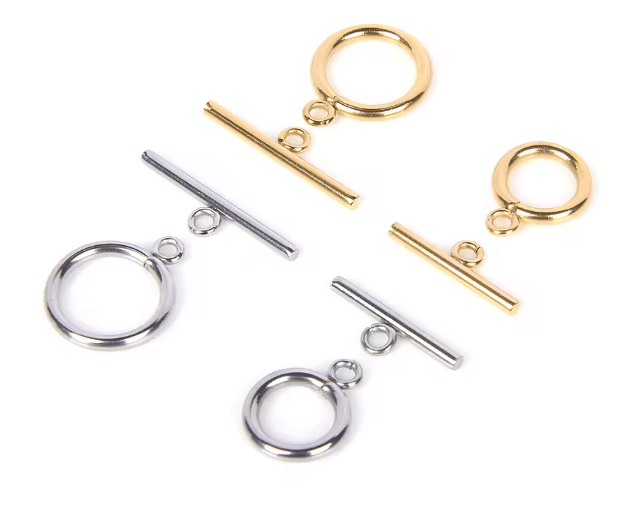
- Toggle Clasps: Toggle clasps consist of a T-shaped bar (the toggle) that slides into a circular or oval loop to secure the piece . When the bar is turned perpendicular to the loop, it locks the clasp in place. Toggle clasps are stylish and often used in chunky bracelets, bold necklaces, or pieces where the clasp itself is part of the design . They are easy to use and add a decorative element to the jewelry. Best for heavier jewelry (the weight helps keep the toggle closed), toggle clasps may not be as secure for very lightweight pieces or those with constant movement.

- Box Clasps: Also known as tongue-and-groove or latch clasps, box clasps have a rectangular or square box-shaped case into which a bar or tongue fits . The bar usually has a spring-loaded latch that clicks into the box, and some box clasps include additional safety mechanisms (like side-release buttons or figure-eight latches) for extra security . Box clasps are very secure and are often used in high-end jewelry, such as tennis bracelets, because of their elegant appearance and strong closure . They are less obtrusive than some other styles, allowing the design to remain the focal point while adding a refined touch.

- Magnetic Clasps: These modern clasps use strong magnets to hold the ends of the jewelry together The two halves of the clasp each contain a magnet, and they snap together when brought close. Magnetic clasps are extremely easy to fasten and unfasten, making them ideal for those with limited dexterity or for pieces worn frequently . They are commonly used in lightweight necklaces, bracelets, and even children’s jewelry for convenience. However, they are not as secure for heavier pieces, and magnets can weaken over time or become misaligned with use . Some designs include a small lever or safety feature to ensure the clasp doesn’t accidentally pop open.

- Barrel Clasps: Also called torpedo clasps, barrel clasps consist of two interlocking cylindrical pieces . One piece has a loop and the other has a post; when the loop is slid over the post and twisted, the clasp locks securely. Barrel clasps are known for their sleek, continuous look and are often used in beaded necklaces or vintage-inspired designs where a more understated closure is desired . They provide enhanced security because they require a twisting motion to open, which helps prevent accidental release. The safety catch (the twist mechanism) adds an extra layer of security, making barrel clasps a great choice for cherished pieces that are worn often.

- Fish Hook Clasps: Fish hook clasps feature a decorative outer shell that encloses a small hook mechanism . The hook latches onto a bar or loop inside the shell, creating a secure closure. Often used in fine jewelry, especially pearl necklaces, fish hook clasps have an elegant, vintage-inspired appearance . They provide a refined look and are popular in designs where a delicate clasp is desired. Many fish hook clasps include a small safety latch to ensure the hook stays in place.

- Fold-Over Clasps: These clasps have a hinged tab that folds over the end of the jewelry and snaps into place . Fold-over clasps are very secure and often used in watch bands or wider chain bracelets, where a continuous loop is preferred. They create a sleek, streamlined appearance and are commonly found in men’s and unisex jewelry designs. The hinge and spring mechanism hold the clasp tightly closed, but they can be opened by gently prying the tab up. Fold-over clasps are known for their reliability and are great for pieces that need to withstand daily wear without catching on clothing.

- Hook and Eye Clasps: This is a classic, simple clasp consisting of a hook on one end and a loop (the eye) on the other . The hook simply fits into the eye to secure the jewelry. Hook and eye clasps are easy to use and are often found in handmade or casual jewelry designs . They are minimalistic and lightweight, making them suitable for delicate pieces or projects where the clasp should be unobtrusive. However, they are not as secure as other types and rely on the weight of the jewelry to keep them closed – so they are best for lighter designs and may require a safety chain in some cases.

- S-Hook Clasps: S-hook clasps are shaped like the letter “S” and feature a hook on one end that secures into a loop on the other . They provide a secure closure and add a unique, vintage-inspired look to the jewelry. S-hook clasps are often used in artisan or retro-style pieces, as their shape can become a decorative element in the design . They are available in various sizes and can be found in both precious and non-precious metals, making them versatile for different design aesthetics.

Each clasp type has its own advantages and is suited to different applications. The choice often depends on the style of the jewelry, the weight of the piece, and the user’s needs. Below is a comparison of the key features and best uses for some of the most common clasp types:
| Clasp Type | Mechanism & Features | Best Uses |
|---|---|---|
| Lobster Claw | Spring-loaded lever releases a hook. Very secure, one-handed operation. | Necklaces, bracelets; heavy pieces; everyday wear . |
| Spring Ring | Small circular ring with spring-loaded lever. Discreet, classic. | Lightweight necklaces, anklets; fine jewelry . Tricky for those with dexterity issues. |
| Toggle | T-shaped bar slides into a loop, then locks in place. Decorative, easy to use. | Chunky bracelets, bold necklaces; adds design element . Best for heavier jewelry to ensure closure. |
| Box | Tab snaps into a box case (often with safety latch). Very secure, elegant. | Tennis bracelets, heavy necklaces; high-end jewelry . Discreet, keeps the design as the focus. |
| Magnetic | Strong magnets hold halves together. Effortless one-handed closure. | Lightweight necklaces, bracelets; convenient for those with dexterity issues . Not secure for heavy pieces. |
| Barrel | Two cylindrical pieces twist together. Sleek, continuous look. | Beaded necklaces, vintage pieces; enhanced security (twist to open) . Often used for cherished pieces. |
| Fish Hook | Hook latches inside a decorative shell. Elegant, vintage-inspired. | Pearl necklaces, fine chains; adds a refined touch . Includes safety latch for security. |
| Fold-Over | Hinged tab folds over and snaps shut. Secure, streamlined. | Watch bands, wide bracelets; sleek appearance . Commonly used in men’s/unisex jewelry. |
| Hook & Eye | Simple hook fits into a loop. Easy to use, minimalistic. | Handmade jewelry, casual pieces; lightweight designs . Less secure – relies on jewelry weight to stay closed. |
| S-Hook | Hook secures into a loop in an “S” shape. Unique, decorative look. | Artisan necklaces, bold chains; adds a distinctive element . Available in various sizes and metals. |
By understanding the characteristics of each clasp type, you can select the one that best suits your custom jewelry design. Whether you’re aiming for a secure and durable closure or a unique decorative element, there’s a clasp style for every need.
Factors to Consider in Custom Designs
When choosing a clasp for your custom jewelry, several factors should be taken into account to ensure it not only functions well but also complements your design concept. Here are key considerations:
- Design Aesthetics: The clasp should harmonize with the overall look of the jewelry. A subtle clasp might be ideal for a delicate piece, whereas a larger, ornate clasp could serve as a focal point in a bold design. Some designers even choose clasps that are an extension of the piece’s design narrative, using them as a centerpiece on the front . Consider the style – classic, vintage, modern – and ensure the clasp’s style aligns with it. For example, a minimalist chain might pair best with a simple spring ring or lobster clasp, while a beaded bracelet might use a toggle or decorative S-hook clasp to match the theme.
- Weight and Size of the Jewelry: The weight of the piece plays a big role in clasp choice. A heavy necklace or bracelet will need a sturdy clasp that can support its weight, whereas a lightweight chain might be overwhelmed by a bulky clasp. In general, heavier jewelry is well-suited to robust clasps like lobster or box clasps . Conversely, a very fine chain (1–2mm thick) might use a smaller spring ring or even a hook and eye clasp for a delicate look . It’s also important to match the clasp size to the chain gauge – a good rule of thumb is: delicate chains under 2mm need 8–12mm clasps, medium chains (2–3mm) work with 12–15mm clasps, and heavy chains over 3mm require 15–18mm clasps . Using the wrong size can either make the clasp look out of proportion or compromise its strength.
- User Experience and Ease of Use: Think about who will be wearing the jewelry and how they will use it. If the piece is for someone with limited dexterity (such as an older relative or someone with arthritis), a magnetic clasp or a larger lobster clasp might be more practical than a tiny spring ring . Magnetic clasps, for instance, are extremely easy to fasten with one hand , while a standard lobster clasp might be easier to operate than a small spring ring . On the other hand, if the jewelry is for everyday wear, a secure clasp that won’t accidentally open is crucial – even if it’s a bit larger or more complex to open. Consider adding features like a safety catch or chain to prevent loss. Ultimately, the goal is to create a piece that is both beautiful and easy to wear. As one jewelry expert noted, “it’s a blend of functionality and design that both protects the necklace and can elevate it to a statement piece in your jewelry collection” .
- Material Compatibility: The clasp should be made of a material that matches or complements the main metal of the jewelry. For example, a gold necklace would typically use a gold clasp (solid gold or gold-filled), and a silver piece would use a silver clasp. This not only looks cohesive but also prevents potential issues like galvanic corrosion (where different metals in contact can cause tarnishing or damage) . Stainless steel and titanium are popular for their durability and hypoallergenic properties and are often used in modern custom designs. If you choose a base metal clasp, ensure it’s plated or coated appropriately to match the jewelry’s finish. For instance, a brass clasp can be gold-plated to match a gold chain, or silver-plated to match a silver chain. Always consider the longevity – a high-quality clasp made of a suitable material will last as long as the jewelry itself .
- Security and Safety: The clasp must securely hold the jewelry in place. For pieces worn on the neck or wrist, a strong clasp is non-negotiable. This is especially true for valuable items or pieces that might be pulled or tugged. Lobster, box, and barrel clasps are generally the most secure options . Magnetic clasps, while easy to use, are not as secure and should be avoided for heavy or expensive jewelry . Additionally, think about safety features – some clasps come with safety chains or double-locking mechanisms to prevent the jewelry from falling off if the clasp does open. For example, a box clasp might include a small figure-eight safety latch that keeps the clasp from accidentally unfastening . Ensuring the clasp is robust and well-made will give you peace of mind that the piece will stay put. As one expert put it, “a damaged or weak clasp can compromise the safety of your necklace or bracelet, leading to the loss of a cherished piece” .
By carefully evaluating these factors, you can choose a clasp that not only looks great but also functions perfectly for your custom jewelry design. Whether you’re designing a sentimental family heirloom or a trendy fashion piece, the right clasp will enhance the overall experience and longevity of the jewelry.
Clasp Durability and Testing Standards
Durability is a critical aspect of any jewelry clasp, especially in custom designs where the piece may be worn frequently or carry significant sentimental value. To ensure your chosen clasp will stand the test of time, it’s important to understand the quality standards and testing procedures that high-quality clasps undergo. Here’s what you need to know:
- Strength and Tensile Testing: High-quality jewelry clasps are tested for mechanical strength to ensure they can withstand the stresses of daily use. A common test is the pull test, where the clasp is subjected to a pulling force to determine at what point it will break or release . According to jewelry safety standards, necklaces and bracelets should be able to withstand a minimum tensile force without breaking or releasing unexpectedly. For example, the ASTM F2923 standard for children’s jewelry specifies that necklaces must break under tension with at least 15 pounds of force to prevent strangulation . While this specific requirement is for children’s jewelry, it highlights the importance of ensuring clasps are robust. For adult jewelry, the standard is typically higher, and reputable manufacturers test their clasps to far exceed these limits to ensure safety and longevity . In fact, major jewelry manufacturers use tensile testers to verify that clasps and closures won’t fail under normal wear .
- Durability Standards: Jewelry clasps are often held to industry standards for durability. For instance, a high-quality clasp should be able to endure hundreds or even thousands of open-and-close cycles without wearing out. Many manufacturers test their clasps through a series of open/close tests to ensure the mechanism remains strong and reliable over time. This is particularly important for pieces that will be worn daily. If a clasp is prone to wear, it might loosen or fail after repeated use, which could be a safety issue. According to one source, “jewelry clasps, jump rings, and connectors fail quietly – but customers notice immediately” if they break . Therefore, manufacturers perform open/close cycle testing to ensure the clasp can handle the expected usage . Additionally, the chain and clasp should be tested for link deformation under tension to ensure the links won’t stretch or break under load . By meeting these standards, the clasp will maintain its integrity for years.
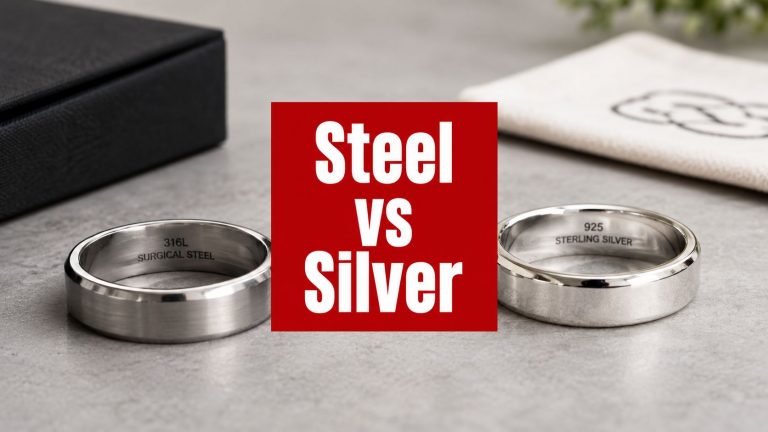
- Materials and Manufacturing Quality: The materials used in a clasp greatly affect its durability. High-quality clasps are typically made from strong metals like stainless steel, titanium, or solid gold/silver, rather than cheap alloys. For example, a well-made stainless steel clasp is extremely durable and resistant to tarnish and corrosion, making it ideal for active lifestyles . Solid gold or platinum clasps are not only strong but also less prone to damage. When choosing a clasp, look for signs of quality – such as soldered joints (not open-cut or glued) and smooth, sturdy mechanisms . Poorly made clasps might have thin metal, weak springs, or sharp edges, which can wear out quickly or cause injury. At Dongguan HonHo Jewelry, we ensure our clasps are crafted from premium materials and undergo rigorous testing to meet international quality standards . This means you can trust that our clasps will be strong and long-lasting, providing peace of mind for your custom pieces.
- Industry Standards and Certifications: Reputable jewelry suppliers adhere to recognized standards and may even hold certifications that attest to their quality. For instance, some manufacturers use ISO 9001 quality management systems, which include processes for testing and inspecting products. They might also comply with industry best practices, such as using nickel-free and lead-free materials to meet safety regulations . Additionally, certain certifications (like those from SGS or similar labs) can indicate that a product has been tested for compliance with specific standards. When selecting a clasp, consider the source – a supplier with a strong reputation for quality will often provide information about the testing and standards their clasps meet. This transparency is a good sign that the clasp has been built to last.
In summary, durability in a jewelry clasp is achieved through robust design, quality materials, and rigorous testing. By choosing a clasp that meets or exceeds the recommended strength and durability standards, you ensure that your custom jewelry will remain secure and beautiful for years to come. At Dongguan HonHo Jewelry, we take pride in offering clasps that are not only stylish but also built to last, backed by the kind of quality assurance that our clients can trust .
Failure Modes and Preventive Maintenance
Even the most well-made jewelry clasps can experience issues over time if not properly maintained. Understanding the common failure modes of clasps and how to prevent them will help you keep your custom jewelry in top condition. Here are some typical problems and tips to avoid them:
- Spring Fatigue: Many clasps (like spring rings and lobster clasps) rely on a spring mechanism to function. Over time, repeated opening and closing can cause the spring to lose its tension – a phenomenon known as spring fatigue. As the spring weakens, the clasp may become harder to open or might not close as securely, potentially leading to the clasp coming undone . This is a common issue in clasps that are used frequently. To prevent spring fatigue, handle the clasp gently and avoid forcing it open or closed. If you notice the clasp is becoming stiff or less secure, it might be time to replace it rather than trying to repair it (as the spring is likely beyond saving). At HonHo Jewelry, we use high-quality springs in our clasps to minimize this risk, but even so, it’s a good idea to periodically check the clasp’s mechanism. If you notice any signs of wear (like a loose spring or a clasp that doesn’t snap shut tightly), consider having it serviced or replaced by a professional jeweler.
- Galvanic Corrosion: Galvanic corrosion occurs when two different metals come into contact and an electrochemical reaction causes one metal to corrode faster than it normally would. This can be a problem if your jewelry uses a clasp made of a different metal than the chain or other components. For example, if you have a silver chain and a brass clasp, the brass can corrode and stain the silver. To prevent this, ensure the clasp material is compatible with the main metal of the jewelry. Ideally, use the same metal for the clasp as the chain or choose a clasp that is plated in the same metal as the jewelry. If using different metals, consider using a non-corrosive barrier between them (though this is not always feasible). Additionally, keep the jewelry dry and avoid exposing it to harsh chemicals, as moisture and chemicals can accelerate corrosion. Proper maintenance, like regular cleaning and storage in a dry place, can also help prevent corrosion . By being mindful of material compatibility and caring for your jewelry, you can avoid the unsightly damage that galvanic corrosion can cause.
- Mechanical Wear and Tear: Over time, the moving parts of a clasp can wear down from constant use. This includes the lever on a lobster clasp, the hinge on a fold-over clasp, or the latch on a box clasp. If these parts become loose or worn, the clasp might not function as well. For example, a fold-over clasp might start to open on its own if the hinge is loose, or a lobster clasp’s lever might not snap back into place properly. To prevent mechanical wear, avoid dropping or mishandling the jewelry, as impact can damage the clasp mechanism. If you notice any movement or looseness in the clasp, have it checked by a jeweler who can adjust or repair it. In some cases, a simple tightening or lubrication might fix the issue. At HonHo Jewelry, we design our clasps for smooth operation, but it’s always wise to give your jewelry a little extra care – treat it gently, and it will treat you well for years.
- Accidental Opening: While we hope your clasp is secure, there are scenarios where it might accidentally open. This could be due to a sudden pull or tug, or sometimes because the clasp wasn’t properly closed. To prevent accidental loss, consider adding a safety chain to your jewelry. A safety chain is a short chain that connects the two ends of the jewelry (one end to the clasp and the other to a loop on the jewelry) . If the main clasp opens, the safety chain will keep the piece from falling off. Many high-end jewelry pieces, like tennis bracelets, use a box clasp with a safety chain for this reason . Additionally, ensure the clasp is fully closed by listening for a click or feeling a secure snap. Avoid wearing jewelry that feels loose or not fully closed. By taking these precautions, you can greatly reduce the risk of losing your precious custom piece.
- Preventive Maintenance Tips: In general, regular maintenance can go a long way in preventing failures. Here are some tips to keep your clasps in good condition:
- Keep It Clean: Dirt, oil, and skin oils can accumulate on the clasp and mechanism, affecting its smooth operation. Clean your jewelry regularly with a soft cloth and mild soap . Be sure to clean the clasp and its moving parts thoroughly. Avoid using harsh chemicals or abrasive cleaners, as these can damage the metal or plating.
- Store Properly: When not wearing your jewelry, store it in a dry place, preferably in a jewelry box or pouch . This protects it from dust, moisture, and scratches. Avoid storing jewelry in humid environments or in direct sunlight, as these can accelerate tarnishing and wear. If possible, separate pieces to prevent clasps from snagging on other jewelry.
- Avoid Excessive Force: Never force a clasp open or closed. If it’s hard to operate, it might be a sign that it’s worn or needs adjustment, rather than an indication that you need to force it. Using excessive force can damage the clasp mechanism or the chain. If you have difficulty opening a clasp, consider using a pair of tweezers or a specialized tool to grip the lever gently.
- Regular Inspections: Periodically check your jewelry for any signs of wear or damage. Look at the clasp – is the spring still strong? Are there any loose parts? If you notice anything unusual, have it examined by a jeweler. Early detection of issues can prevent bigger problems down the line.
By addressing these potential failure modes and following a few simple maintenance practices, you can ensure that your custom jewelry’s clasp remains in excellent condition. At Dongguan HonHo Jewelry, we design our clasps with longevity in mind, but we also encourage our clients to take good care of their pieces. After all, a well-maintained clasp is a happy clasp, and a happy clasp means a happy wearer!
Clasp Design for Special Needs and Accessibility
Jewelry should be enjoyed by everyone, regardless of physical ability. That’s why it’s important to consider clasp designs that accommodate special needs and accessibility. Whether it’s for a child, an older adult, or someone with a disability, the right clasp can make a piece of jewelry much easier to use and safer to wear. Here’s how you can design jewelry with inclusivity in mind:
- Magnetic Clasps for Dexterity Issues: Magnetic clasps are a game-changer for individuals with limited dexterity or arthritis. As mentioned earlier, magnetic clasps snap together effortlessly when brought close, requiring no fine motor skills to operate . This makes them ideal for people who struggle with opening small clasps. Many adults with arthritis or those recovering from hand injuries find magnetic closures much easier to use than traditional spring rings or lobster clasps. They are also a great choice for children’s jewelry, where a child might not have the coordination to open a complex clasp . However, it’s worth noting that magnetic clasps are not as secure for very heavy pieces, so they should be used judiciously for valuable jewelry . For pieces where security is paramount but ease of use is also needed, a combination of a magnetic clasp with a secondary safety latch can be a good solution.
- Larger or Ergonomic Clasps: Another approach to enhance accessibility is to choose a larger clasp or one with an ergonomic design. For example, a larger lobster clasp or trigger clasp can be easier to grip and operate than a small spring ring. The size and shape of the lever or hook can make a big difference – some clasps have been designed with a larger trigger or a curved shape for easier manipulation. If you have someone with limited hand strength or dexterity in mind, consider selecting a clasp that is visibly larger than average or has a textured surface for better grip. It’s also helpful to choose a clasp that doesn’t require fine control – for instance, a toggle clasp or a fold-over clasp might be easier to use than a tiny spring ring. When in doubt, you can always consult with a jeweler to find the most user-friendly option for your piece.
- One-Handed Operation: Jewelry that can be fastened and unfastened with one hand is extremely convenient for people with limited mobility. Many modern clasps are designed with this in mind. Magnetic clasps and toggle clasps both allow one-handed operation, as do certain styles of lobster and spring rings that have been ergonomically designed . For example, some lobster clasps have a wider lever or a curved shape that can be operated with the thumb and forefinger more easily. By selecting a clasp that can be used with one hand, you ensure that the wearer can put on and take off the jewelry independently. This is not only practical but also empowering for the user, allowing them to enjoy their jewelry without assistance.
- Adaptive Features: In some cases, you might consider adding an adaptive feature to the clasp. One such feature is a safety chain (as discussed earlier) – even if the main clasp is easy to use, a safety chain can provide an extra layer of security, giving the wearer confidence that the jewelry won’t accidentally come off. Another adaptive feature is a pendant loop or chain extender for necklaces, which can make it easier to put the necklace over the head. If the jewelry is for a child, you might consider a shorter length or a loop that can be fastened around the neck for easy on/off. For individuals with tremors or limited hand control, even a simple toggle clasp might be difficult; in such cases, a hook and eye clasp with a built-in spring assist or a magnetic clasp with a slight pull might be beneficial.
- Collaboration with a Specialist: If you have a specific concern or need (for example, jewelry for someone with autism or sensory issues, or jewelry for a child with limited coordination), it can be helpful to work with a jeweler who has experience in inclusive design. They can offer insights and suggestions on clasp types or modifications that would make the jewelry more user-friendly. Additionally, consider the comfort – a clasp that is too sharp or too heavy can be uncomfortable for some users, so choosing a smooth, lightweight clasp is important for accessibility.
By designing with accessibility in mind, you can create jewelry that is both beautiful and functional for a wide range of people. At Dongguan HonHo Jewelry, we believe that jewelry should be an inclusive accessory. Whether you’re creating a piece for a loved one with special needs or simply want to ensure your designs are as user-friendly as possible, there are many options available. From magnetic clasps to ergonomic designs, the right choice will make your custom jewelry a pleasure to wear for everyone.
Sustainability and Environmental Impact of Jewelry Clasps
In today’s world, sustainability is an important consideration in all aspects of production – including the materials and manufacturing processes of jewelry clasps. Choosing environmentally friendly clasp options not only helps reduce your carbon footprint but also ensures that the materials used are ethically sourced and durable. Here’s what you need to know about the sustainability of jewelry clasps:
- Materials and Sourcing: Opting for sustainable materials is a key step. Metals like stainless steel and titanium are excellent choices because they are highly durable and can last for many years, reducing the need for frequent replacements . Stainless steel is often made from recycled steel and is 100% recyclable, making it an eco-friendly alternative to precious metals . Titanium is another strong, lightweight metal that is abundant and 100% recyclable. By using these materials, you can create jewelry that is both sustainable and long-lasting. Additionally, consider using recycled precious metals for clasps if you’re aiming for a more eco-conscious approach. For example, recycled gold or silver clasps can be used in custom pieces, giving new life to existing materials. When sourcing your materials, look for suppliers who can provide information about the origin and sustainability of their metals. At HonHo Jewelry, we emphasize the use of ethical and recyclable materials in our custom jewelry . We ensure that all metals are sourced from reliable suppliers in line with ethical procurement standards, guaranteeing the legality of raw material origins and supply chain sustainability . This commitment extends to our clasps as well – we use materials that are not only strong and beautiful but also sustainable.
- Manufacturing Processes: The manufacturing process of a clasp can also have environmental implications. Look for suppliers who use environmentally friendly manufacturing techniques. For instance, using vacuum plating (PVD plating) is a modern process that can produce high-quality finishes with minimal waste and lower energy consumption compared to traditional electroplating . PVD coatings can provide long-lasting color and protection, meaning the clasp will maintain its appearance over time without frequent re-plating. At HonHo Jewelry, we operate our own in-house PVD plating facility, which allows us to achieve superior coating thickness and quality while maintaining a lower environmental impact . Another aspect is the use of nickel-free and lead-free materials – many modern alloys are formulated to eliminate these toxic metals, which is not only safer for workers but also better for the environment since these metals are hazardous if released. We comply with strict regulations like REACH and ensure our products are free of harmful substances . Additionally, reducing waste in the manufacturing process (through efficient production and recycling of scrap materials) is part of sustainable practice. A reputable jewelry manufacturer will have processes in place to minimize waste and energy use.
- Durability and Longevity: Sustainable design often goes hand-in-hand with durability. A durable clasp means the jewelry won’t need to be replaced frequently, which in turn reduces waste. By choosing a high-quality clasp that will last, you’re making a sustainable choice because you’re not contributing to the cycle of production and disposal as often. For example, a stainless steel or titanium clasp can outlast many other materials, meaning your custom jewelry can be worn for years without the clasp breaking or needing to be replaced. This reduces the environmental impact associated with manufacturing new clasps and jewelry. As one source noted, “stainless steel jewelry combines durability with style and affordability in ways that few other metals do” – it can last 15–20 years or even longer with proper care . This longevity is a key aspect of sustainability, as it cuts down on the resources used for replacements.
- Packaging and Shipping: Don’t forget about the packaging and shipping of your jewelry. Using eco-friendly packaging (like recycled cardboard boxes, biodegradable tissue paper, or reusable jewelry pouches) can further enhance the sustainability of your product. Many jewelry suppliers now offer sustainable packaging options. At HonHo Jewelry, we understand the importance of presentation and offer bespoke packaging solutions that can be tailored with your logo and brand colors . We focus on using sustainable materials for packaging as well, ensuring that the entire unboxing experience is environmentally friendly.
In summary, sustainability in jewelry clasp design means choosing eco-friendly materials, ethical manufacturing processes, and durable designs. By doing so, you create jewelry that is not only beautiful and functional but also kind to the planet. Dongguan HonHo Jewelry is committed to sustainable practices – from the metals we use to the way we produce our clasps . We believe that sustainability is an integral part of quality and craftsmanship. When you choose our clasps for your custom designs, you can feel confident that you’re making a responsible choice that aligns with modern environmental values.
Legal Considerations and Insurance Implications
When it comes to jewelry clasps, there are several legal and insurance considerations that you should be aware of, especially if you’re creating custom jewelry for sale or for a client. These considerations ensure that your jewelry is safe, compliant with regulations, and properly protected.
- Regulatory Standards: Different countries have regulations regarding jewelry safety. For example, in the United States, the Consumer Product Safety Commission (CPSC) has standards for children’s jewelry to prevent choking hazards. Children’s necklaces, for instance, are required to be designed to break or separate if pulled with a certain force (often around 15 pounds) to avoid strangulation . Even if you’re not making children’s jewelry, it’s wise to ensure your clasps and closures meet the general safety requirements for jewelry sold in your target market. This might involve testing the clasp’s strength or using safety features like safety chains. Additionally, many countries have laws about the content of jewelry materials – for example, the EU’s REACH regulation and the US’s Prop 65 mandate that certain hazardous substances (like lead, cadmium, and nickel) be kept below specified limits in consumer products . At HonHo Jewelry, we are committed to heavy metal-free, nickel-free, lead-free manufacturing to comply with these standards . This not only keeps our products safe but also ensures they are legal for sale worldwide. Always check the regulations relevant to your region and ensure your custom jewelry meets them.
- Product Liability and Insurance: If you’re selling custom jewelry, it’s important to consider product liability insurance. Product liability insurance covers you in case a customer is injured or claims damages due to a defect in your product. While jewelry clasps are generally safe, it’s not unheard of for a clasp to fail and cause an accident (for example, if a safety chain breaks). Having insurance can protect your business from financial loss in such situations. Many jewelers and jewelry designers carry liability insurance to safeguard their work. Additionally, if you’re using any proprietary or custom designs, consider registering or protecting them to prevent others from copying your work, which could lead to legal issues. Ensuring that your clasps are made to high quality standards (as discussed earlier) can also reduce the risk of defects that could lead to liability claims.
- Ethical Sourcing and Compliance: In addition to regulatory compliance, ethical sourcing is a legal and moral consideration. If your custom jewelry involves precious metals, ensure that they are ethically sourced and not associated with conflict or illegal mining. Using recycled metals is one way to ensure ethical sourcing, as it supports the recycling industry and avoids contributing to environmental damage caused by mining. Many jewelers and suppliers now offer “conflict-free” or recycled metal options, which can be verified through certifications like Responsible Jewelry Council (RJC) or similar. At HonHo Jewelry, we are transparent about our sourcing and ensure that all metals are ethically obtained . This not only aligns with legal requirements (as unethical sourcing can have legal repercussions) but also reflects positively on your brand’s integrity.
- Warranty and Liability: If you’re selling custom jewelry, providing a warranty or guarantee can be a legal requirement in some cases, especially if you’re selling through certain channels. A warranty can cover manufacturing defects in the clasp or jewelry. It’s a good practice to have a clear warranty policy that addresses what is covered and for how long. This protects both you and the customer. Additionally, understanding your liability for any injuries caused by your jewelry (for example, if a sharp edge causes an injury) is important. While jewelry is generally not considered a dangerous product, it’s wise to err on the side of caution and ensure that your clasps and components are smooth and safe to handle. If a customer does claim an injury, having documentation of your quality control and testing can help in your defense.
- Intellectual Property: If you have a unique clasp design or a special mechanism, you might want to consider patenting or trademarking it to protect your intellectual property. This is more relevant if you’re a jewelry brand that plans to produce many pieces with the same clasp. It ensures that others can’t copy your design without permission, which could lead to legal disputes. If you’re working with a custom jewelry manufacturer like HonHo, they can also help in protecting your designs by handling them with confidentiality and NDAs (non-disclosure agreements) . This legal protection is part of ensuring that your custom designs remain your own.
In conclusion, while jewelry clasps might seem like a small detail, they come with legal and insurance implications that should not be overlooked. By ensuring your clasps meet safety standards, using ethical materials, and having appropriate legal protections in place, you can create custom jewelry with confidence. At Dongguan HonHo Jewelry, we work closely with our clients to understand their needs and ensure that the jewelry we produce is not only beautiful and functional but also legally compliant and protected. This attention to detail is part of our commitment to delivering quality and peace of mind to our customers.
Future Trends: Smart and IoT-Enabled Jewelry Clasps
The world of jewelry is evolving, and one exciting trend on the horizon is the integration of smart technology and IoT (Internet of Things) features into jewelry clasps. While still in its early stages, smart jewelry is poised to revolutionize how we interact with and experience our accessories. Here’s a glimpse into what the future might hold:
- Connectivity and Functionality: Imagine a clasp that can connect to your smartphone or other devices. Some prototypes of smart jewelry use clasps with built-in sensors or Bluetooth capabilities. For example, a necklace clasp could be designed to monitor your health metrics – perhaps it could measure your pulse or even act as a pedometer. This could be especially useful for fitness enthusiasts or those with health conditions. Another concept is a clasp that can send a signal or alert – for instance, a bracelet clasp that connects to a smart home system to lock or unlock a door when you wear it, or a necklace clasp that can notify your loved ones if you fall (for emergency purposes). These are still in the experimental phase, but they showcase the potential of smart clasps.
- Data Collection and Wellness: With the rise of wearable technology, jewelry is becoming more than just an accessory – it’s a device. In the future, we might see jewelry clasps that collect data about our health and daily activities. This could range from basic data like steps taken or calories burned to more complex data like stress levels or sleep patterns. The clasp could sync this data with a smartphone app, allowing wearers to track their wellness in a stylish way. While this might sound like science fiction, companies are already exploring it. For example, some companies have developed “smart rings” that monitor health, and we can expect similar innovations in necklaces and bracelets. If implemented, a smart clasp would likely use small sensors and a tiny battery or a wireless charging mechanism, all integrated within the clasp. This is a fascinating development that merges fashion with technology.
- Interactive Features: Smart clasps might also offer interactive features. For instance, a clasp could be designed to change color or light up when certain conditions are met. This could be for fashion (changing colors based on your mood or outfit) or for practical reasons (like a safety feature that lights up if the clasp is opened unexpectedly). There’s also the idea of interactive jewelry that responds to your actions – perhaps a clasp that vibrates or plays a sound when you receive a message or call, serving as a discreet notification device. These features are still very much in the realm of prototypes, but they hint at a future where jewelry is not just static, but responsive and connected.
- Security and Anti-Loss Features: On a more practical note, future smart clasps could include enhanced security features. For example, a GPS-enabled clasp that can track the location of your jewelry if it’s lost, or a biometric lock that only opens with your fingerprint or heartbeat. While this might sound far-fetched, technology is advancing rapidly. There are already prototypes of smart rings that use biometrics for security, and similar technology could be applied to clasps. This could greatly reduce the risk of losing valuable jewelry – a smart clasp could alert you if it’s moved beyond a certain range from your phone, or even automatically lock itself if someone tries to tamper with it.
- Design and Integration: The challenge with smart jewelry is integrating technology in a way that doesn’t compromise the design or comfort. Jewelry designers and engineers are working on making these smart features as unobtrusive as possible. We might see clasps that are slightly larger or have a different shape to accommodate a sensor or battery, but manufacturers are trying to make them as sleek as traditional clasps. The end goal is that you won’t even notice the smart component – it will simply be part of the jewelry’s function. For example, a smart necklace clasp might look like a regular clasp, but it has a tiny LED or a sensor hidden inside.
While smart and IoT-enabled jewelry is still in its infancy, it’s an exciting area of development. The concept of a “smart clasp” could open up a whole new world of possibilities for jewelry, blending style with functionality. At Dongguan HonHo Jewelry, we are always exploring innovative ideas and technologies to bring our clients the latest trends. We can’t predict exactly what the future holds, but we are ready to adapt and incorporate new technologies that align with our commitment to quality and customer satisfaction. Whether it’s a future where your jewelry can monitor your health or simply remind you to take a break, the integration of smart features into jewelry clasps is an intriguing trend to watch.
Conclusion
Choosing the right jewelry clasp is a crucial step in creating custom jewelry that is both beautiful and functional. By understanding the different types of clasps, considering the design, weight, and user needs, and ensuring durability and safety, you can elevate your custom designs to the next level. From the classic lobster clasp to the innovative smart clasp of the future, each option offers unique benefits and should be chosen with care.
At Dongguan HonHo Jewelry, we specialize in providing high-quality, custom jewelry solutions. Whether you’re looking for a secure clasp for a precious heirloom or a trendy clasp for a modern piece, we have the expertise and materials to bring your vision to life. Our team of designers and craftsmen can work with you to select the perfect clasp for your custom jewelry, ensuring it meets your exact specifications and exceeds your expectations.
We invite you to contact us to discuss your custom jewelry project. Whether you have a specific clasp in mind or need guidance in choosing one, our experienced staff is ready to assist. You can reach us via email at or by phone at +86 13712881172 . We offer custom design services, including CAD/3D rendering, and can provide samples and quotes to help you get started. Don’t hesitate to send us an inquiry – we look forward to helping you create stunning custom jewelry with the perfect clasp.
FAQs
1. What are the most common types of jewelry clasps?
The most common types of jewelry clasps include lobster claw clasps, spring ring clasps, toggle clasps, box clasps, magnetic clasps, barrel clasps, fish hook clasps, fold-over clasps, hook and eye clasps, and S-hook clasps. Each has a different mechanism and is suited to specific applications . For example, lobster and box clasps are very secure and ideal for heavier pieces, while magnetic clasps are easy to use for those with dexterity issues .
2. How do I choose the right clasp for my custom jewelry design?
To choose the right clasp, consider factors like the design aesthetics of the jewelry, the weight and size of the piece, the user experience (ease of use for the wearer), material compatibility with the jewelry, and the security required . A subtle clasp might work for a delicate piece, while a larger, decorative clasp could complement a bold design . Ensure the clasp can support the weight of the jewelry and matches the metal type. If the jewelry is for someone with limited dexterity, a magnetic or larger clasp might be more practical . Ultimately, the goal is a balance of functionality and design that enhances the jewelry’s overall appeal .
3. How durable are jewelry clasps, and what testing do they undergo?
High-quality jewelry clasps are designed to be durable and undergo rigorous testing. They are tested for strength and tensile force to ensure they can withstand daily use without breaking . For instance, necklaces are often tested to break under a certain force to prevent strangulation (around 15 pounds for children’s jewelry) . Clasps also undergo open/close cycle testing to ensure the mechanism remains strong after hundreds of uses . Quality manufacturers use strong materials and conduct tests to meet industry standards, ensuring the clasp will last as long as the jewelry itself .
4. What are the common failure modes of jewelry clasps?
Common failure modes include spring fatigue (where the spring mechanism weakens over time, causing the clasp to loosen or fail) , galvanic corrosion (when different metals come into contact and one corrodes faster, often seen as discoloration) , and mechanical wear (loose hinges or latches that reduce the clasp’s effectiveness). Accidental opening can also occur if the clasp isn’t fully closed. Regular maintenance (cleaning, proper storage) and avoiding excessive force can help prevent these issues .
5. How can I design jewelry with accessibility in mind?
To make jewelry more accessible, consider using magnetic clasps for easy one-handed operation , or choosing larger, ergonomic clasps that are easier to grip. One-handed operation is key – magnetic and toggle clasps allow this . Including a safety chain can provide extra security for the wearer. Additionally, ensure the clasp is smooth and lightweight to avoid discomfort. Collaborating with a jeweler who has experience in inclusive design can provide further ideas for accommodating special needs .
6. Are there sustainable options for jewelry clasps?
Yes, there are sustainable options. Stainless steel and titanium are durable, recyclable materials that make excellent clasps . They last for years, reducing the need for replacements. Using recycled precious metals for clasps is another eco-friendly choice. Additionally, look for manufacturers that use environmentally friendly processes like vacuum plating (PVD) which uses less energy and waste compared to traditional plating . Choosing a durable clasp (which lasts longer) also contributes to sustainability by cutting down on production cycles. Many jewelry suppliers now offer sustainable materials and practices, ensuring your clasp is both beautiful and kind to the environment .
7. What legal considerations should I keep in mind with jewelry clasps?
Ensure your jewelry complies with safety regulations. For example, children’s jewelry must meet specific strength standards (like breaking under 15 pounds to prevent strangulation) . Also, follow laws about hazardous materials – use nickel-free, lead-free alloys to meet REACH and Prop 65 requirements . If selling jewelry, consider product liability insurance to protect against any defects or injuries caused by your product . Ethical sourcing is another legal consideration; ensure metals are ethically obtained. Having clear warranty policies and protecting your designs with patents/trademarks can also safeguard your business legally.
8. What are smart jewelry clasps, and what can they do?
Smart jewelry clasps are a future trend where jewelry clasps incorporate technology like sensors or connectivity. While still in development, they could include features such as health monitoring (tracking pulse or activity), connectivity (syncing with a smartphone), or interactive functions (lighting up or vibrating). For example, a smart necklace clasp might monitor your heart rate or act as a discreet notification device. Some prototypes even have GPS tracking to help locate lost jewelry. These innovations merge fashion with functionality, though they are not yet widely available. The goal is to create jewelry that is not only beautiful but also provides useful information or features, all while remaining comfortable and stylish.
share this recipe:
Still hungry? Here’s more

How to Dodge Jewelry Sourcing Risks from China: Your 2026 Playbook
The allure of jewelry sourcing from China is undeniable. It’s a global hub of manufacturing,

Top 50 Jewelry Brands Worth to Buy 2026: The Definitive Investment & Style Encyclopedia
The global jewelry market in 2026 is a fascinating landscape where centuries-old heritage meets cutting-edge

Why Brass Jewelry Wholesale Fits Fashion Brands: The Strategic Guide for 2026
In the rapidly evolving landscape of the global fashion industry, the demand for affordable luxury
Ready to Design Your Own Jewelry?
Have an idea in mind or need help shaping it? From sketches to finished pieces, our custom jewelry team will work with you step-by-step to bring your vision to life.